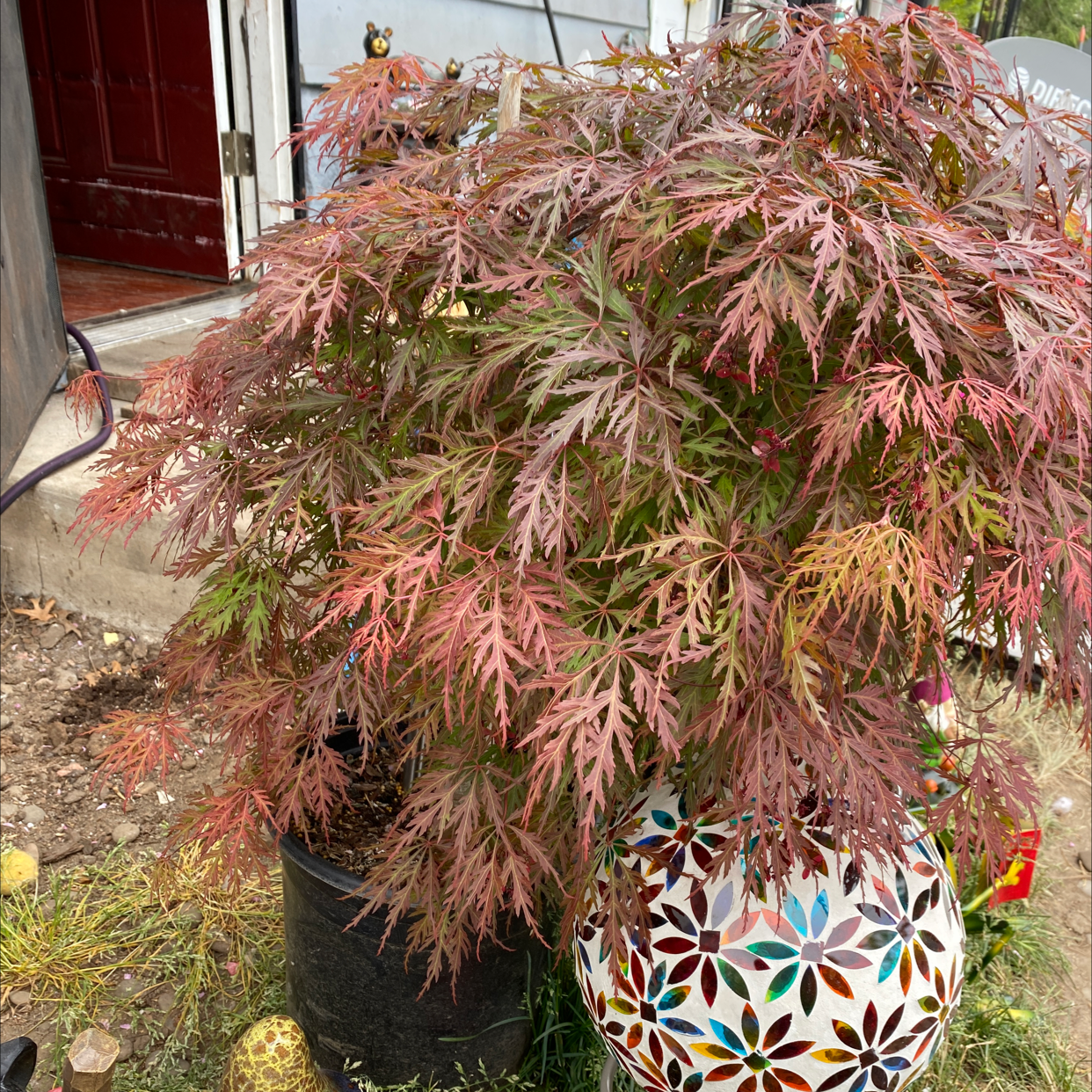
What Are The Bugs on My Japanese Maple? π
Acer palmatum
By the Greg Editorial Team
Jun 15, 2024•8 min read
This article was created with the help of AI so we can cover more plants for you. May contain errors. See one? Report it here.
- Spot spider mites by webbing on leaves; treat with neem oil or soap.
- Prune and oil for scale insects; use sticky traps for fungus gnats.
- Water blast aphids; handpick Japanese beetles and use pheromone traps.
Identifying and Treating Spider Mites on Japanese Maple
π·οΈ Spotting the Culprits
Spider mites are tiny, but their damage is not. Look for fine webbing on your Japanese Maple, especially under leaves and where branches meet. Stipplingβa pattern of tiny dots or "stipples" on leavesβis a telltale sign of these pests feasting on your tree.
π¨ Immediate Action
At the first sign of spider mites, isolate your Japanese Maple if it's potted. For those in the ground, check nearby plantsβthese mites are social butterflies, minus the charm.
ποΈ The Tap Test
Perform a simple tap test. Hold a white sheet of paper under a branch and give it a shake. Tiny, moving specks? You've got company.
π Treatment Time
Neem oil is your green ammo against spider mites. It's a natural smothering agent that shows no mercy to these pests. Apply as directed, but keep it away from kids and petsβsafety first!
π§Ό Insecticidal Soap
For a one-two punch, use insecticidal soap. Spray in the cool of the morning or evening to avoid leaf burn. Repeat every 7-10 days to break the mite's life cycleβconsistency is key.
πΏ Extra Measures
If things look dire, prune away heavily infested areas. Seal the clippings in a bag and bid them farewell via the trash. Composting is a no-goβit's like giving spider mites a free pass to your compost buffet.
π« Prevention
Prevent future invasions by keeping your Japanese Maple well-watered and happy. Stressed trees are like neon signs for spider mites, inviting them to dine in.
Combating Scale Insects on Japanese Maple
π Signs of Scale Infestation
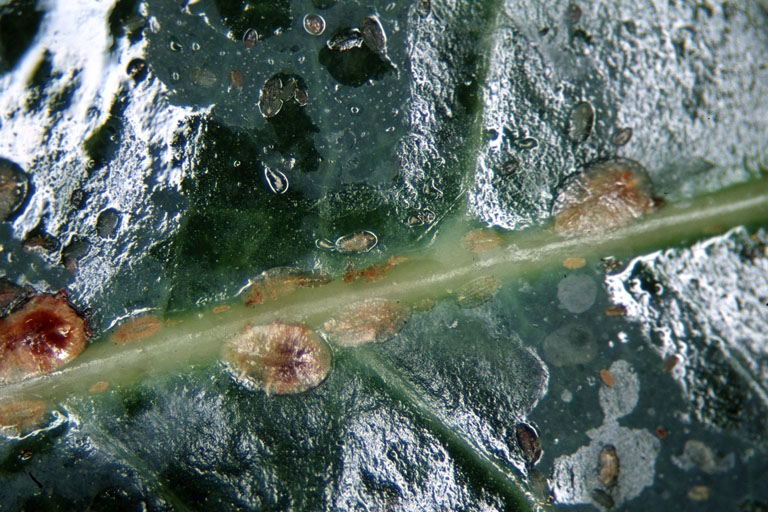
Scale insects are stealthy pests that can sneak up on your Japanese Maple, manifesting as small, immobile bumps on stems and leaves. These bumps are the protective shells of the insects, which can range from 0.03 to 0.4 inches in diameter. If you notice a waxy or crusty texture on the bark, or if leaves start to yellow or produce honeydew, it's time to declare war on these sap-sucking squatters.
π οΈ Remedial Actions
Pruning
First off, grab your pruning shears. It's time for some tactical gardening. Prune out any heavily infested branches to stop the spread and open up the canopy for better air circulation. Remember, cleanliness is next to godliness when it comes to pest control.
Horticultural Oil Application
Next, let's talk about horticultural oil β your new best friend in the fight against scale. When temperatures are on the cooler side, coat these critters with a 0.5 - 1% solution of the oil. This blocks their breathing and sends them to the big garden in the sky. Repeat this treatment every few weeks, especially during the crawler stage in May-June, to ensure you're hitting these pests when they're most vulnerable.
Insect Growth Regulators
For a more sophisticated approach, consider insect growth regulators like pyriproxyfen or buprofezin. These are the insect equivalent of a time machine that they can't escape from, trapping them in an immature stage until they kick the bucket.
π‘ Pro Tips
- Monitor your tree for new infestations regularly. Vigilance is key.
- Don't rely solely on beneficial insects; they're helpers, not heroes.
- Avoid using dormant oil on Japanese Maples; they're a bit too sensitive for that kind of tough love.
Remember, the best offense is a good defense. Keep your Japanese Maple stress-free with proper watering and fertilization, and those scale insects will think twice before making your tree their home.
Managing Fungus Gnats and Fruit Flies Around Japanese Maple
Fungus gnats are not your average houseguests; they're more like the uninvited kind that crash your plant's root party. Spotting these pests involves looking out for tiny, dark flies or their larvae, which resemble miniature white worms, in the soil.
π΅οΈ Identification
Adult fungus gnats are about 1/8 inch long, with dark, translucent wings that have a distinct Y-shaped vein pattern. They love to hang out in moist soil, so if you're overwatering your Japanese Maple, you're basically throwing a house party for them.
π‘οΈ Control Strategies
Soil Drying
To crash their party, start by drying out the soil. Let the top inch go dry before you even think about watering again. This isn't just about being mean; it's about creating an inhospitable environment for the gnats' eggs.
Yellow Sticky Traps
Next, bring out the bouncers: yellow sticky traps. These are the silent heroes that capture adult gnats, reducing the population and giving you a visual on just how bad the infestation is.
Biological Warfare
If you're feeling particularly combative, enlist some microscopic soldiers. Products containing Bacillus thuringiensis subsp. israelensis (Bti) are your go-to. They specifically target the larvae without harming your plant.
Potato Slices
For a more DIY approach, potato slices can be used as a buffet to attract and count the larvae. Just don't forget to check the slices after a few days unless you want potato salad with extra protein.
Remember, fungus gnats are more than just annoying; they're a sign of overly damp soil that could lead to root damage. So, keep your soil on the drier side, and your Japanese Maple will thank you.
Eradicating Mealybugs from Japanese Maple
π΅οΈ Detection of Mealybugs
Spotting mealybugs on your Japanese Maple can be as straightforward as noticing white, fluffy accumulations on the leaves and stems. These pests love to hide in crevices and are particularly fond of areas where the sap is exposed due to splits in the bark.
π οΈ Treatment Options
Rubbing Alcohol
For a quick fix, grab a cotton swab, dip it in rubbing alcohol, and apply it directly to each mealybug. This method effectively removes the protective waxy layer from the pests, leading to their demise. For larger invasions, a spray mixture of one part alcohol to seven parts water can be your go-to solution.
Neem Oil
When it comes to a more natural approach, neem oil is a champion. It's not just about killing the mealybugs; neem oil disrupts their life cycle, making it harder for them to reproduce. Mix neem oil with water and a dash of liquid soap to create a monthly preventive spray.
Pro Tips
- Avoid horticultural oils on Japanese Maples, as they may cause damage.
- Isolate infested plants to prevent mealybugs from spreading their joy to your other green friends.
- Monitor your garden regularly; these critters can overwinter as eggs in their cottony hideouts, ready to spring into action.
Remember, mealybugs are more than just a nuisance; they can cause serious harm to your Japanese Maple. So, stay vigilant and act swiftly at the first sign of an infestation.
Controlling Aphids on Japanese Maple
Aphids are the uninvited guests at the Japanese Maple party, clinging to the undersides of leaves like they own the place.
π Spotting the Culprits
Look out for these tiny freeloading insects; they're small but mighty in numbers. A closer inspection will reveal them in all their glory, shamelessly siphoning off your tree's life juice.
π¦ The Water Works
Blast them with water. It's simple, it's effective, and it's oddly satisfying. Just aim and shoot β the aphids get knocked off their leafy lounges and your maple gets a refreshing shower.
π¦ Call in the Cavalry
Beneficial insects are nature's hitmen. Ladybugs and lacewings don't mess around β they'll take out those aphids faster than you can say "biological control."
π« Keep It Real
Remember, overkill is overrated. Avoid chemical warfare if you can; those insecticidal soaps and sprays should be a last resort. After all, we're not trying to nuke the whole yard, just evict some pesky insects.
π‘οΈ Prevention, the Smart Play
Stay vigilant β regular checks and early interventions will keep your Japanese Maple as aphid-free as possible. And let's face it, a healthy tree is the best deterrent.
π― Pro Tips
- Water spraying: Early morning is prime time, so you don't end up with sun-scorched leaves.
- Beneficial bugs: They're not just good for a one-time feast; they'll stick around if you treat them right. No pesticides, please β we're trying to make friends here.
Keep it real, keep it natural, and keep those aphids in check. Your Japanese Maple will thank you β probably not out loud, but in its own leafy way.
Dealing with Japanese Beetles on Japanese Maple
π Identifying Japanese Beetles
Japanese beetles are easy to spot with their metallic green and copper-colored shells. They're not discreet guests; they'll be chomping away at your Japanese Maple, leaving skeletonized leaves in their wake.
π‘οΈ Mitigation Techniques
Handpicking
Handpicking is a straightforward, albeit tedious, method. Don your gloves, grab a flashlight, and pluck these shiny pests from your tree, dunking them into soapy water. This is best done in the evening when they're most active.
Pheromone Traps
While pheromone traps can attract more beetles than you already have, they're useful if placed strategically away from your maples. Think of it as setting up a decoy party for the beetles to crash, instead of your precious tree.
Neem Oil
Neem oil is a go-to for organic gardeners. It messes with the beetles' hormones, making it hard for them to eat, mate, and lay eggs. Spray it on the leavesβtop and bottomβand around the tree's base. Remember, a little goes a long way.
Insecticides
If you're at your wit's end, insecticides containing cyfluthrin or permethrin can be your last resort. Use them as directed and with caution, keeping in mind that they don't discriminate between good bugs and bad bugs.
Preventive Measures
Lastly, keep an eye out for larvae in your soil. These future beetles can be tackled with predatory nematodes or milky spore disease. And remember, a healthy tree is less inviting to pests, so keep your Japanese Maple in top shape.
β οΈ Safety First
This content is for general information and may contain errors, omissions, or outdated details. It is not medical, veterinary advice, or an endorsement of therapeutic claims.
Always consult a qualified healthcare professional before using any plant as food, medicine, or supplement.
Never eat any plant (or feed one to pets) without confirming its identity with at least two trusted sources.
If you suspect poisoning, call Poison Control (800) 222-1222, the Pet Poison Helpline (800) 213-6680, or your local emergency service immediately.
Spotted an error? Please report it here.