Plant Care
›
Propagation
›
Japanese Maple
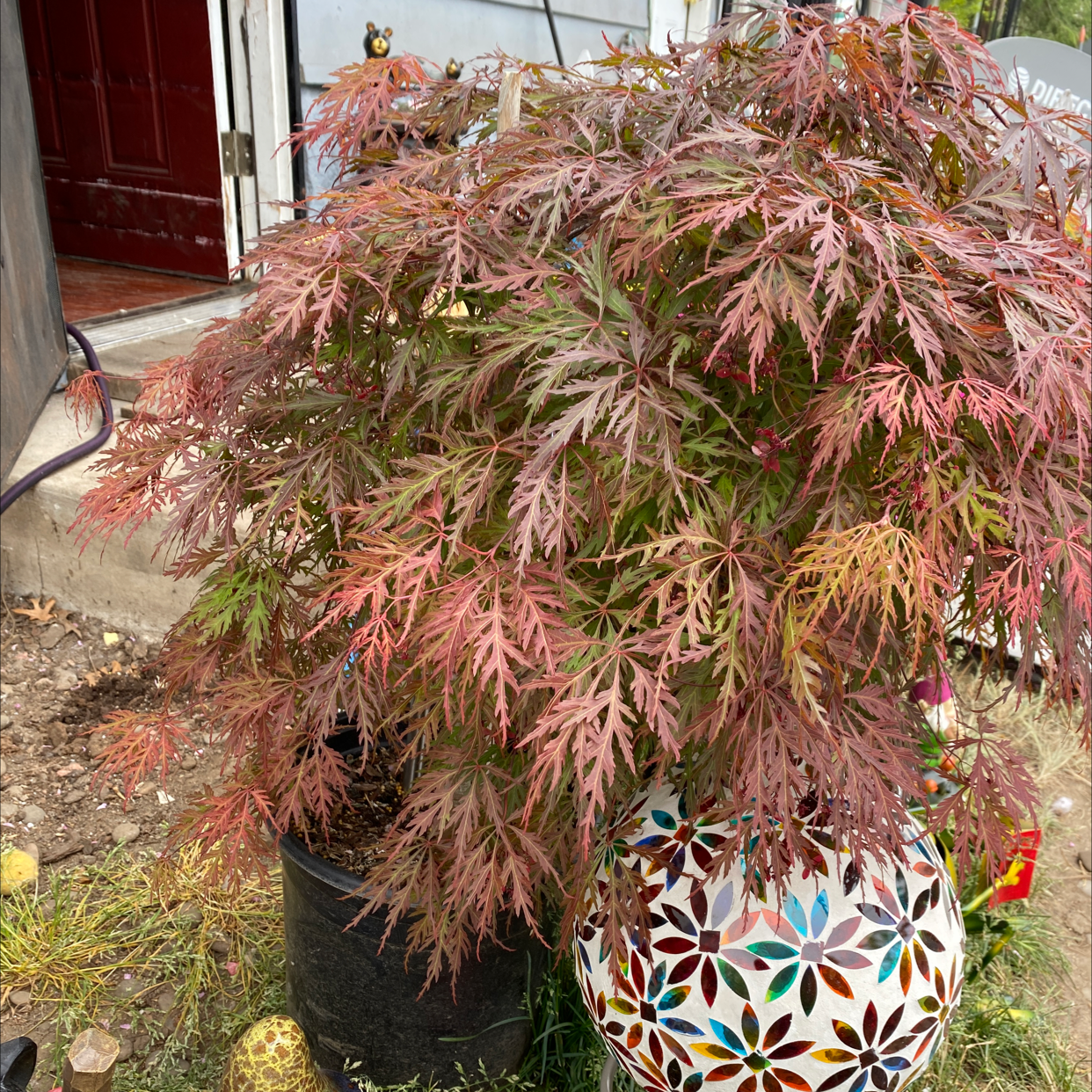
Acer palmatum
Reviewed by Kiersten Rankel M.S.
QUICK ANSWER
Air layering is the most reliable home method for keeping a named cultivar true and produces a rooted branch in 8 to 16 weeks. Softwood cuttings root in 6 to 10 weeks but have a low home success rate even with hormone and bottom heat.
Seed is easy and works in 8 to 12 weeks of cold stratification, but seedlings will not match the parent leaf shape or color of cultivars like 'Bloodgood' or 'Sango Kaku'.
Seed is easy and works in 8 to 12 weeks of cold stratification, but seedlings will not match the parent leaf shape or color of cultivars like 'Bloodgood' or 'Sango Kaku'.
Stay on top of plant care
Get seasonal reminders for watering and fertilizing, personalized for your plants.
Try Greg Free
Pick your method
Tap one to jump to the walkthrough.
Air layering
Best for keeping a named cultivar true to type
Softwood cuttings
Best in late spring before the wood firms up
From seed
Best when you want many plants and don't need a specific cultivar
Air layering
Time
8–16 weeks
Level
Intermediate
Success rate
High
You'll need
Sharp sterile knife
Rooting hormone powder
Damp long-fiber sphagnum moss
Clear plastic wrap
Black plastic or aluminum foil
Twist ties or electrical tape
1
Pick a pencil-thick branch in late spring
Choose a healthy branch about pencil to thumb thickness, ideally 12 to 24 inches from the tip. Start the layer in late spring or early summer when the bark slips cleanly.
Layering on dormant wood or in fall has a much lower success rate.
Layering on dormant wood or in fall has a much lower success rate.
2
Ring the bark with two parallel cuts
Make two parallel cuts around the branch about half an inch apart. Slice through the bark and the green cambium layer underneath but not into the woody core.
3
Peel the bark ring and scrape clean
Lift off the strip of bark between the two cuts and scrape the exposed wood gently with the knife to remove any remaining green cambium. The wound should look clean and white.
Incomplete bark removal lets the branch heal over instead of rooting.
Incomplete bark removal lets the branch heal over instead of rooting.
4
Dust with rooting hormone and pack with moss
Dust the wound with rooting hormone powder. Squeeze water from a handful of long-fiber sphagnum until damp not dripping, then pack a tennis-ball-sized clump tightly around the wound.
5
Wrap and seal in two layers
Wrap clear plastic snugly around the moss ball and tape both ends to seal in moisture. Cover the clear wrap with black plastic or foil to block light and keep the moss cool.
Light on the moss encourages algae and slows rooting.
Light on the moss encourages algae and slows rooting.
6
Sever and pot when roots fill the moss
Check at week 8 by peeking under the dark wrap. White roots filling the moss usually appear by week 10 to 16. Cut the branch just below the moss ball, unwrap the plastic, leave the moss in place, and pot into a half peat half perlite mix in a shaded location for the first month.
WATCH FOR
Moss drying out completely with no roots after 12 weeks. That stops root development and the wound calluses over instead. Inject 2 tablespoons of water through a small slit with a syringe every two weeks if you live in a dry climate, then re-tape the slit.
Softwood cuttings
Time
6–10 weeks
Level
Advanced
Success rate
Low
You'll need
Sterile sharp shears
Rooting hormone gel (recommended for woody cuttings)
Half peat, half perlite mix
4-inch pots with drainage holes
Clear humidity dome or plastic bag
Heat mat (recommended)
1
Take cuttings in late spring
Take 4 to 6 inch tip cuttings in late spring or very early summer when the new growth has begun to firm up but is not yet fully woody. Cut early in the morning when the wood is fully turgid.
Cuttings taken from fully hardened summer wood almost never root.
Cuttings taken from fully hardened summer wood almost never root.
2
Strip the bottom leaves
Remove all leaves from the lower 2 inches of the cutting. Leave 2 to 3 small leaves at the top to keep the cutting photosynthesizing while it roots.
3
Wound the base and apply hormone
Make a small vertical scrape along the bottom inch of bark with the knife to expose the cambium, then dip the wounded base into rooting hormone gel.
Japanese Maple has a low natural rooting rate. Both wounding and hormone are needed to clear 30 percent success.
Japanese Maple has a low natural rooting rate. Both wounding and hormone are needed to clear 30 percent success.
4
Insert into a 50/50 peat-perlite mix
Push the base 2 inches deep into a pre-moistened mix of half peat and half perlite in a small pot. Firm the mix gently around the stem so the cutting stands on its own.
5
Cover and bottom-heat
Tent a clear bag or dome over the pot. Set the pot on a heat mat at 70 to 75 degrees Fahrenheit and place in bright indirect light, never direct sun.
Direct sun under a dome will cook the cutting within hours.
Direct sun under a dome will cook the cutting within hours.
6
Test for roots at 8 to 10 weeks
Give a gentle tug at week 8. Resistance means roots have anchored. Lift the dome briefly each day for a week to harden off, then keep the cutting protected through its first winter in a cold frame or unheated garage before planting out.
WATCH FOR
Lower stem turning black and the leaves wilting despite humidity. That is rot from a mix that holds too much water. Pull the cutting, slice past the damage with a sterile blade, dip in fresh hormone, and restart in a mix with more perlite (60 percent or higher).
From seed
Time
8–12 weeks of cold stratification
Level
Beginner
Success rate
High
You'll need
Fresh Japanese Maple seeds (samaras) collected in fall
Plastic zip bag
Damp peat moss or paper towel
Refrigerator
Seed-starting mix
Seed tray with drainage
1
Collect samaras in fall
Gather the winged samaras directly from the tree in late fall once they begin to dry on the branch. Skip any that look black, hollow, or damaged.
Seed from cultivars like 'Bloodgood' will not produce purple-leaved seedlings. Most seedlings revert to green parent stock with variable shape.
Seed from cultivars like 'Bloodgood' will not produce purple-leaved seedlings. Most seedlings revert to green parent stock with variable shape.
2
Soak seeds and remove wings
Snap off the dry wings and soak the seeds in warm water for 24 to 48 hours. Discard any seeds that float at the end of the soak since those are not viable.
3
Cold stratify for 90 days
Mix the seeds with damp (not wet) peat moss in a labeled zip bag and place in the refrigerator at 33 to 41 degrees Fahrenheit for 90 days. Check the bag monthly and re-dampen if it dries out.
4
Sow in seed mix
After 90 days, fill a seed tray with seed-starting mix and sow each seed half an inch deep. Water lightly and keep the tray at room temperature in bright indirect light.
5
Wait for germination
Most viable seeds sprout within 2 to 4 weeks of sowing. Germination is staggered, so do not give up on the tray for at least 6 weeks.
6
Pot up at the true leaf stage
Once seedlings have their first set of true maple-shaped leaves at 6 to 8 weeks old, pot each into its own 4-inch pot of bark-based mix. Protect from direct sun for the first growing season since seedlings scorch easily.
WATCH FOR
Seeds rotted in the stratification bag. That is from peat that was too wet. Squeeze the peat until no water drips out before bagging, and re-bag halfway through the 90-day chill if condensation pools at the bottom.
Stay on top of plant care
Get seasonal reminders for watering and fertilizing, personalized for your plants.
Try Greg Free
About This Article

Kiersten Rankel M.S.
Botanical Data Lead at Greg · Plant Scientist
Editorial Process
Propagation methods verified against Acer palmatum growth data from Greg's botanical database, cross-referenced with USDA hardiness zone data and published horticultural research.
2,409+ Greg users growing this plant
USDA hardiness zones 5a–8b