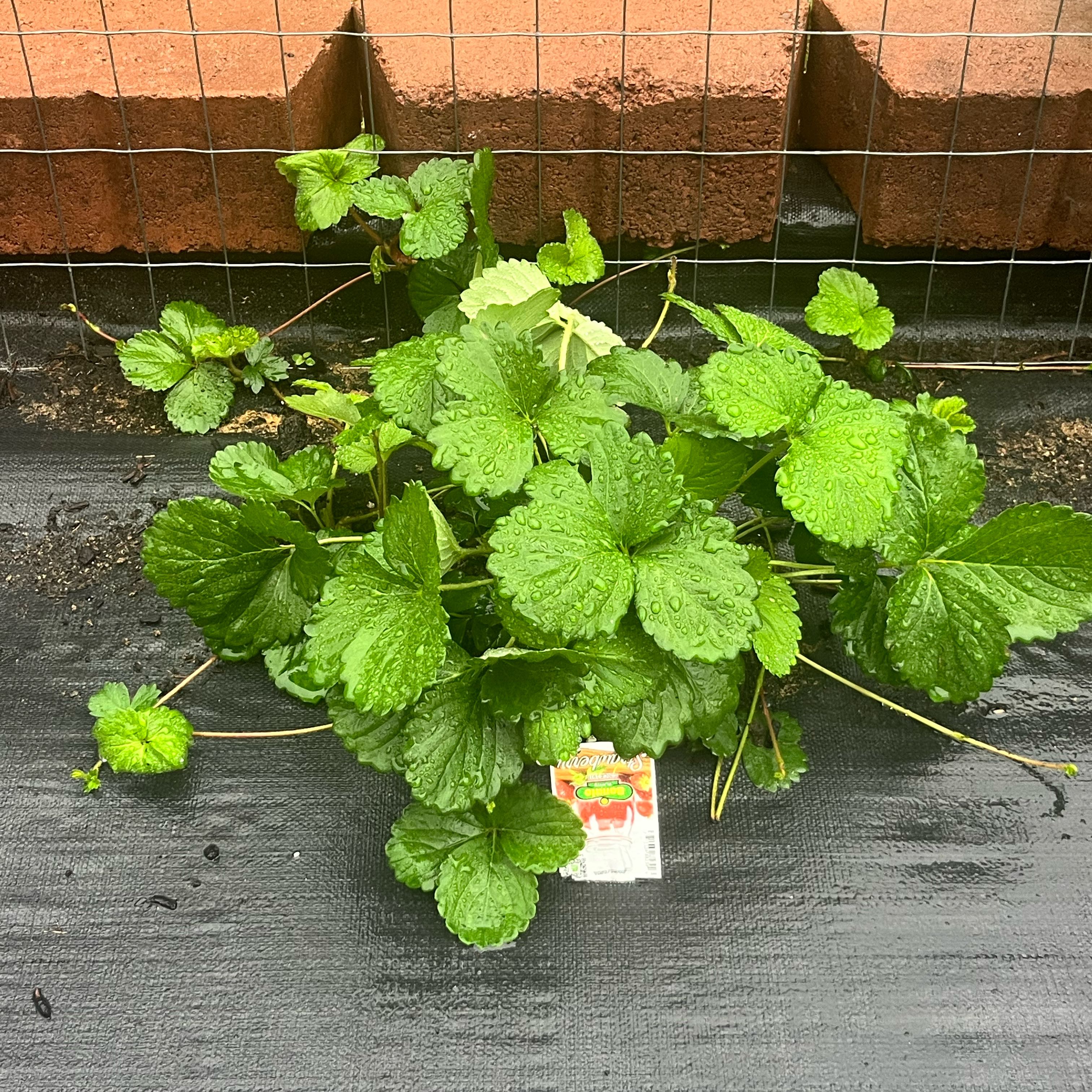
Strawberry

How to Prune Strawberry Plants

Fragaria x ananassa
Reviewed by Kiersten Rankel M.S.
Quick Answer
Prune strawberry plants after harvest by cutting runners, removing dead leaves, and trimming old flower stalks. For June-bearing types, mow or cut the entire patch to 3–4 inches after the last harvest. For everbearers, just remove runners and dead foliage as they appear throughout the season.

When is the best time to prune?

Strawberry pruning timing depends on whether you're growing June-bearing or everbearing varieties, but the main cleanup happens after the harvest period ends.

US pruning regions map
Pacific
Jul–Aug
Mountain
Aug–Sep
Midwest
Jul–Aug
Northeast
Jul–Aug
Southeast
Jun–Jul
Stay on top of plant care
Get seasonal reminders for watering and fertilizing — personalized for your plants.
Try Greg Free

Why Should I Prune My Strawberry Plants?

Strawberry plants put a lot of energy into making runners, those long stems that reach out and root new baby plants. While runners are great for expanding your patch, they steal energy from fruit production. If you want bigger berries, keep the runners in check.

For June-bearing strawberries, the traditional approach is to mow or cut the whole patch to 3–4 inches right after the last harvest. This removes old, disease-prone leaves and lets fresh, healthy foliage grow in before winter. Don't do this too late in summer or the plants won't have time to regrow.

Everbearing and day-neutral strawberries fruit throughout the season, so you can't mow them all at once. Instead, remove runners and dead leaves as they appear. Pinch the first round of flowers in spring to help the plants establish, and they'll reward you with heavier production later.

In spring, go through the patch and remove any leaves that are brown, spotted, or diseased. Good cleanup reduces problems with gray mold and leaf spot, which are the most common strawberry diseases.

Know Before You Cut

Difficulty Easy
Max removal Can mow June-bearers to 3–4 inches
Growth pattern Low-growing groundcover
Tools Scissors, pruners, or lawn mower

What Should I Remove?

Remove runners unless you want new plants
Cut dead or diseased leaves at the crown
Mow June-bearers after last harvest
Pinch first flowers on new everbearing plants
Don't mow everbearing types mid-season
Don't cut into the crown when removing leaves
Don't leave diseased foliage on the plant

How Do I Prune Step by Step?

1
Remove runners throughout the season
Snip runners as close to the mother plant as possible. If you want to propagate, let 2–3 runners root into small pots, then cut them free.
2
Trim dead and diseased leaves
Cut brown, spotted, or wilted leaves at the base where they meet the crown. Don't pull them, as tearing can damage the crown.
3
Mow June-bearers after harvest
Set your mower to 3–4 inches and mow the entire patch. Do this within 2 weeks of the last harvest so new growth has time to establish before frost.
4
Remove old flower stalks
Cut spent flower stalks at the base. On everbearing types, leave any stalks that still have developing fruit.
5
Thin overcrowded patches
If plants are packed tighter than 6–8 inches apart, remove the oldest crowns to give the younger ones space. Crowding reduces berry size and increases disease.

Frequently Asked Questions

Should I remove strawberry runners or let them grow?
Remove them if you want bigger berries from the mother plant. Keep 2–3 per plant if you want to expand your patch. Root the runners into small pots for easy transplanting.
Can I mow my everbearing strawberries?
Not during the season since they're constantly fruiting. Only mow if you're doing a full renovation at the end of the season, and only if the plants have stopped producing.
Why are my strawberries so small?
Usually too many runners, overcrowding, or old plants. Prune runners aggressively, thin plants to 6–8 inch spacing, and replace plants every 3–4 years.
When should I replace my strawberry plants?
After 3–4 years, strawberry plants decline. Replace them with new starts from runner plants or purchased transplants. Don't replant in the same spot right away.
Do I need to remove the first flowers on new plants?
For everbearing types, pinch the first round of flowers to help the plant establish roots. June-bearers planted in spring should have all flowers removed the first year.
Stay on top of plant care
Get seasonal reminders for watering and fertilizing — personalized for your plants.
Try Greg Free

About This Article

Kiersten Rankel M.S.
Botanical Data Lead at Greg · Plant Scientist
About the Author
Kiersten Rankel holds an M.S. in Ecology & Evolutionary Biology from Tulane University. A certified Louisiana Master Naturalist, she has over a decade of experience in science communication, with research spanning corals, cypress trees, marsh grasses, and more. At Greg, she curates species data and verifies care recommendations against botanical research.
See Kiersten Rankel's full background on LinkedIn.
Editorial Process
Pruning guidance verified against Fragaria x ananassa growth data from Greg's botanical database, cross-referenced with USDA hardiness zone data and published horticultural research.
2,647+ Greg users growing this plant
USDA hardiness zones 3a–10b
Grow plants with confidence