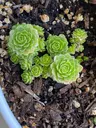
Persea povedae
Taxonomy

Persea povedae
Persea
Lauraceae
Laurales

How to care for Persea povedae
How often to water your Persea povedae

every 9
Persea povedae needs 0.5 cups of water every 9 when it doesn’t get direct sunlight and is potted in a 5" pot.
Use our water calculator to personalize watering recommendations to your environment or download Greg for more advanced recommendations for all of your plants.
Water 0.5 cups every
9
Finding light for Persea povedae in your home

a window
Persea povedae love being close to bright, sunny windows 😎.
Place it less than 1ft from a south-facing window to maximize the potential for growth.
Persea povedae does not tolerate low-light 🚫.
Select your region to see how the current weather in your area affects the placement of Persea povedae in your home 🏡.
How to fertilize Persea povedae

Most potting soils come with ample nutrients which plants use to produce new growth.
By the time your plant has depleted the nutrients in its soil it’s likely grown enough to need a larger pot anyway.
To replenish this plant's nutrients, repot your Persea povedae after it doubles in size or once a year—whichever comes first.
-
Looking for some help reviving this crispy gal She has historically grown like a weed without issue, but has recently dropped a few leaves, had some browning, and her top leaves are a little crispy/wilty. #Avocado
-
Anything wrong with my plant? My avocado is looking like it’s trying to give up on me… Do the shriveling leaves mean anything, or is that natural? Grew this plant from a seed 😁🥳 Hate to lose him 😔
-
My Avocado tree Has a Brown top what could it be and what should i do? #Pilea
-
Hey guys! I loved all the plants you gave me and Iwas deciding between them when I saw a beautiful avocado plant, and I just HAD to get it. So I’ll still buy one of the plants you guys suggested, but I have an avocado plant now too! Also her name is Avini! I’ll decide soon which begginet plant I’m getting though. Bye guys, and thank you!
-
Does anyone know how to help my Avocado Tree? Hello fellow plant lovers! I was wondering if any of you had any suggestions on how to help my Avocado Tree.🪴Lately his leaf has dried out & he’s drooping to one side. Im not sure if I haven’t watered him enough, or maybe I should give him more light? Any tips or advice will be greatly appreciated!
-
Should I move my avocado plant outside during the summer months? #Avocado
-
Hi my earth lovers! I’m so happy to introduce to you Mr Hamilton! He’s a Catalina avocado tree. I can’t wait to put him in his new cozy little spot 🥰
-
What type of soil ifs recommended now? #Avocado
-
Brown spot I think. I’ve been treating with baking soda and water spray once a week. Two weeks but more infected leaves. I can’t take them all off can I? I’ve had the tree a little over a month. Suggestions pleasers #Avocado
-
I think my avocado has brown spot. I’m treating with baking soda and water. I’m trying to take off infected leaves but I don’t want to remove all of the leaves. Suggestions please? #Avocado

Care Summary for Persea povedae
Persea povedae
 Greg recommends:
 Water
Water
0.5 cups every 9 days
 Placement
< 1ft from a window
 Nutrients
Repot after 2x growth
Based on the 4” pot your plant is in, and that it doesn’t get direct sunlight.
 Trending in your area

False Christmas Cactus
Weeping Fig
Philodendron Birkin
Green Prayer Plant
Pothos N' Joy

Golden Barrel Cactus
Gold Dust Croton

Rex Begonia

Pincushion Peperomia
Baby Rubber Plant

Purple Shamrocks

String of Pearls
Neon Pothos

Elephant Bush
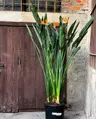
Bird of Paradise
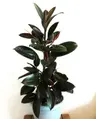
Rubber Plant
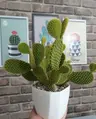
Bunny Ears Cactus

Emerald Ripple Pepero…
 Similar to Persea povedae
✨ Discover rare plants
Anthurium papillilami…

Cereus peruvianus 'Pa…

Hoya pottsii 'Khao Ya…

Black Monkey Thorn Tr…
Stanhopea tigrina

Sedum 'White Diamond'

Electric Fern

Begonia lubbersii

Scindapsus pictus 'Si…

Aglaonema 'Green Bowl'
Graptopetalum 'Marqui…

Christmas Candle

Kilimanjaro Plant

Raphionacme flanaganii

Treasure Flower
Ace of Spades

Chinese Evergreen 'Go…