
Bearded Iris 'Old Dutch'
Taxonomy

Iris germanica 'Old Dutch'
Iris
Iridaceae
Asparagales

How to care for Bearded Iris 'Old Dutch'
How often to water your Bearded Iris 'Old Dutch'

every 9
Bearded Iris 'Old Dutch' needs 0.5 cups of water every 9 when it doesn’t get direct sunlight and is potted in a 5" pot.
Use our water calculator to personalize watering recommendations to your environment or download Greg for more advanced recommendations for all of your plants.
Water 0.5 cups every
9
Finding light for Bearded Iris 'Old Dutch' in your home

a window
Bearded Iris 'Old Dutch' love being close to bright, sunny windows 😎.
Place it less than 1ft from a south-facing window to maximize the potential for growth.
Bearded Iris 'Old Dutch' does not tolerate low-light 🚫.
Select your region to see how the current weather in your area affects the placement of Bearded Iris 'Old Dutch' in your home 🏡.
How to fertilize Bearded Iris 'Old Dutch'

Most potting soils come with ample nutrients which plants use to produce new growth.
By the time your plant has depleted the nutrients in its soil it’s likely grown enough to need a larger pot anyway.
To replenish this plant's nutrients, repot your Bearded Iris 'Old Dutch' after it doubles in size or once a year—whichever comes first.
-
Can I get rid of the brown sprouts? #YellowIris Another inherited plant. Not sure what it is but this was the closest looking one the Greg app. I’m wondering if I can get rid of any of the brown bits at the bottom. I haven’t checked the roots but I’m thinking if these sections have died off the plant might benefit from being separated from it. What do you all think? 🤔
-
Has yours flowered
-
My netted iris wilted in February & ended turning into this towards the start of April. I’m sure this isn’t the same plant anymore but I wouldn’t have a clue? Anyone can help me figure this out 🙏🏽.
-
Greg has mislabeled my leopard lily as a dieffenbachia, is there any way to change this? #Dieffenbachia

Care Summary for Bearded Iris 'Old Dutch'
Bearded Iris 'Old Dutch'
 Greg recommends:
 Water
Water
0.5 cups every 9 days
 Placement
< 1ft from a window
 Nutrients
Repot after 2x growth
Based on the 4” pot your plant is in, and that it doesn’t get direct sunlight.
 Trending in your area

Hens and Chicks

Rex Begonia

Purple Shamrocks

Blushing Bride Air Pl…

False Christmas Cactus

Ghost Plant

Dwarf Umbrella Tree
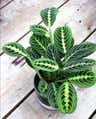
Green Prayer Plant
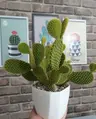
Bunny Ears Cactus

Chinese Money Plant
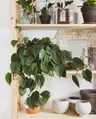
Heartleaf Philodendron

Polka Dot Begonia

Parlour Palm

African Violet

String of Buttons

Pincushion Peperomia

Split Leaf Philodendr…
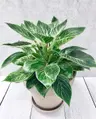
Philodendron Birkin
 Similar to Bearded Iris 'Old Dutch'
✨ Discover rare plants

Orange Lipstick Plant
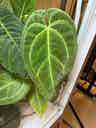
Ace of Spades
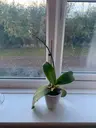
White Apple Moth Orch…

Aglaonema Spitfire

Starfish Snake Plant

Kilimanjaro Plant

Ceropegia simoneae

Treasure Flower

Anthurium Fingers

Crassula 'Purple Drag…

Radiator Plant

Kudu Lily

Lithops

Picasso's Paintbrush

Chinese Evergreen 'Go…
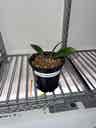
Hoya crassipetiolata
