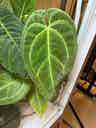
Drimiopsis linioseta
Taxonomy

Drimiopsis linioseta
Drimiopsis
Asparagaceae
Asparagales

How to care for Drimiopsis linioseta
How often to water your Drimiopsis linioseta

every 9
Drimiopsis linioseta needs 0.5 cups of water every 9 when it doesn’t get direct sunlight and is potted in a 5" pot.
Use our water calculator to personalize watering recommendations to your environment or download Greg for more advanced recommendations for all of your plants.
Water 0.5 cups every
9
Finding light for Drimiopsis linioseta in your home

a window
Drimiopsis linioseta may have difficulty thriving, and will drop leaves 🍃, without ample sunlight.
Place it less than 3 feet from a south-facing window to maximize the potential for growth.
Select your region to see how the current weather in your area affects the placement of Drimiopsis linioseta in your home 🏡.
How to fertilize Drimiopsis linioseta

Most potting soils come with ample nutrients which plants use to produce new growth.
By the time your plant has depleted the nutrients in its soil it’s likely grown enough to need a larger pot anyway.
To replenish this plant's nutrients, repot your Drimiopsis linioseta after it doubles in size or once a year—whichever comes first.
-
Is this the right plant?! Hi everyone, I bought this beauty from a rare houseplant shop (UK), The label said #drimiopsis but when I've put it on Greg it's come up with #VariegatedLeopardLily and it really looks the same as the photos on Greg... But I'm sure they are two different plants. Have I labeled it incorrectly?
-
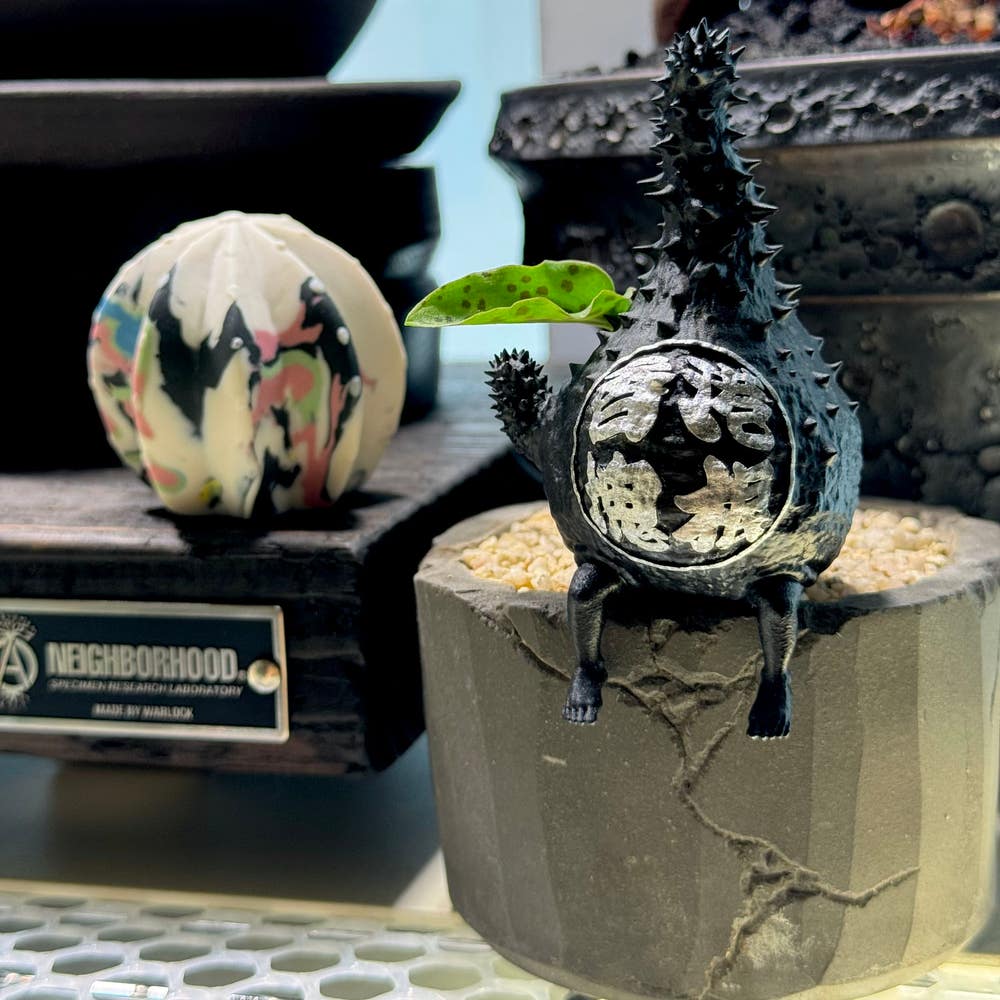
This tiny leaf says “Hi” #HappyPlants #SucculentSquad #Succulents #Cactus
-
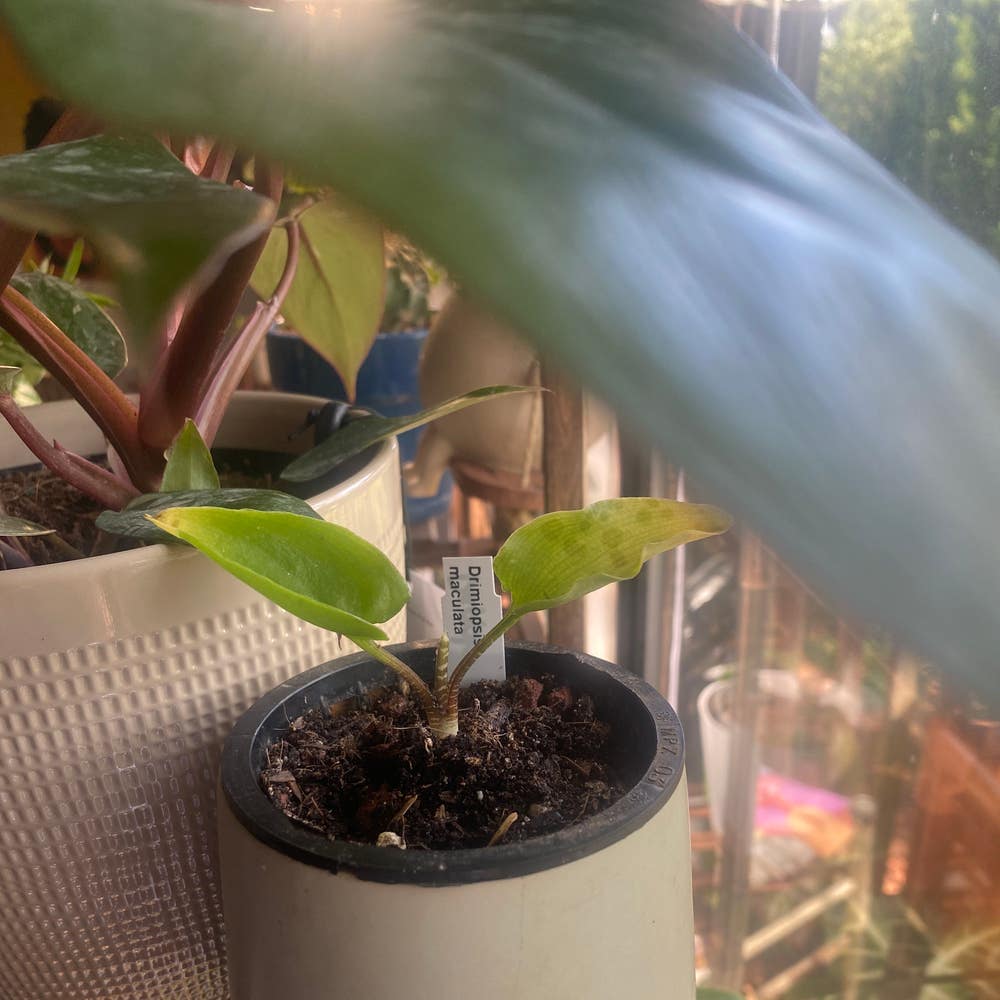
I’m new to the drimiopsis macualata. It doesn’t seem to be doing well. I’ve lost a leaf and the other 2 are yellowing. I’ve moved it from medium light to low light and now an area where it gets only indirect bright light part of the day. The soil is moist and I allow it to dry in between showers. Any suggestions as to what could make this little guy happier? #HappyPlants #help #Drimiopsis
Care Summary for Drimiopsis linioseta
Drimiopsis linioseta
 Greg recommends:
 Water
Water
0.5 cups every 9 days
 Placement
< 3ft from a window
 Nutrients
Repot after 2x growth
Based on the 4” pot your plant is in, and that it doesn’t get direct sunlight.
 Trending in your area












 Similar to Drimiopsis linioseta
✨ Discover rare plants

Pseudorphipsalis 'Blu…

Red Mistletoe Cactus

Rainbow Echeveria

Scindapsus pictus 'Si…

Stomatium acutifolium

Burro's Tail

Philodendron 'Glorius'

Picasso's Paintbrush

Kilimanjaro Plant

Echeveria Esther

Christmas Candle

Starfish Snake Plant
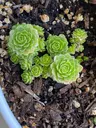
Rosularia platyphylla
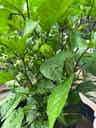
Carolina Reaper

Radiator Plant

Electric Fern

Aeonium 'Blushing Bea…