
Asplenium fibrillosum
Taxonomy

Asplenium fibrillosum
Asplenium
Aspleniaceae
Polypodiales

How to care for Asplenium fibrillosum
How often to water your Asplenium fibrillosum

every 7
Asplenium fibrillosum needs 0.5 cups of water every 7 when it doesn’t get direct sunlight and is potted in a 5" pot.
Use our water calculator to personalize watering recommendations to your environment or download Greg for more advanced recommendations for all of your plants.
Water 0.5 cups every
7
Finding light for Asplenium fibrillosum in your home

a window
Asplenium fibrillosum can tolerate being far from a window and light source.
Place it less than 6 feet from a south-facing window to ensure it receives enough light to survive 💪.
Select your region to see how the current weather in your area affects the placement of Asplenium fibrillosum in your home 🏡.
How to fertilize Asplenium fibrillosum

Most potting soils come with ample nutrients which plants use to produce new growth.
By the time your plant has depleted the nutrients in its soil it’s likely grown enough to need a larger pot anyway.
To replenish this plant's nutrients, repot your Asplenium fibrillosum after it doubles in size or once a year—whichever comes first.
-
Is there any saving this fern? Ive had this birds nest fern for a few months now and it was doing well. Much better than my last one. Tho I was away in the hospital for 5 days with my wife for the arrival of our child and its been looking like this since. I repotted since the old pot looked like it wasn't keeping any moisture. Its in a mix of orchid and potting mix #BirdsNestFern
-
I’ve noticed this plant hasn’t produced any new shoots in the past few months, the soil stays wet like it doesn’t take up the water. I repotted and let it dry out, and watered it once, but nothing has changed. Any advise? #BirdsNestFern
-
Hi. This plant has tons of tiny gnats. Any suggestions on what the issue is and how to get rid of them. Thanks! #BirdsNestFern
-
Hi, there are some brown tips and brown spots on the leaves, is this a sunlight problem?
-
Stuck?? Hello everyone i got this plant around last spring and its been crunchy and turning brown for the past few months, ive watered it kept it out/in sunlight but the leaves just keep falling off, is there anything I can do or is this a lost cause??
-
Do any of you do a light spritz to the leaves? #BirdsNestFern
-
This one hasn’t grown and getting some weird burn marks. Advice appreciated! #MotherFern
-
It’s sad. Leaves are not vibrant and droopy. #BirdsNestFern
-
What do I do? If some of the leaves look like they’re starting to die do I cut them off? Pull them off or leave them #BirdsNestFern
-
What are the spots on the leaves of my plants #BirdsNestFern


Care Summary for Asplenium fibrillosum
Asplenium fibrillosum
 Greg recommends:
 Water
Water
0.5 cups every 7 days
 Placement
< 6ft from a window
 Nutrients
Repot after 2x growth
Based on the 4” pot your plant is in, and that it doesn’t get direct sunlight.
 Trending in your area







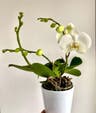
 Similar to Asplenium fibrillosum
✨ Discover rare plants

Hoya kalimantan
Crassula 'Calico Kitt…

Kilimanjaro Plant
Philodendron 'Silver …

Lavandula Pedunculata

Stomatium acutifolium
Hoya crassipetiolata

Anthurium Fingers

Haworthia emelyae com…

Philodendron 'Glorius'
Graptopetalum 'Marqui…
Thelocactus macdowell…

Sedum 'White Diamond'
Skeleton Key Pothos

Milky Widow's Thrill

Black Monkey Thorn Tr…
