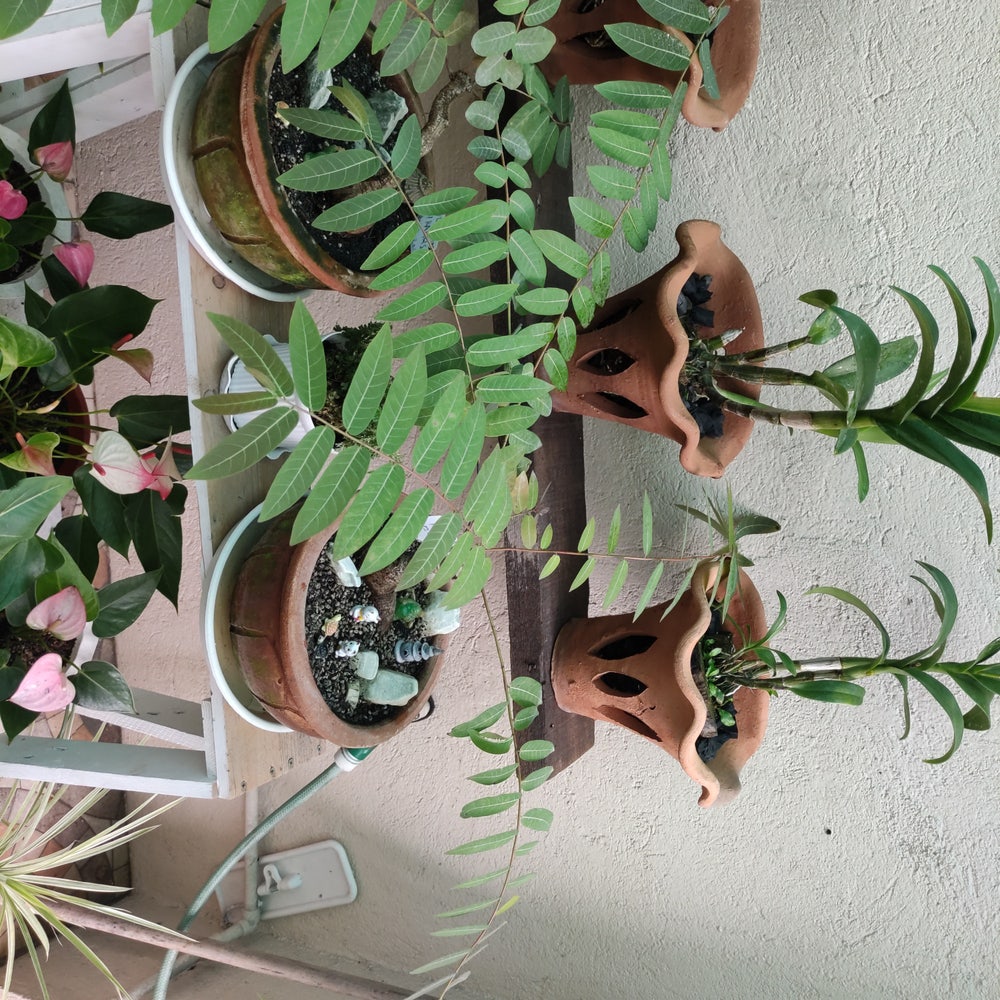
Overview of Phyllanthus racemiger
Phyllanthus racemiger
By the Greg Editorial Team
Feb 28, 2025•11 min read
This article was created with the help of AI so we can cover more plants for you. May contain errors. See one? Report it here.
Elevate your garden with Phyllanthus racemiger, a resilient beauty that brings both charm and medicinal perks! 🌱✨
- 🌞 Phyllanthus racemiger thrives in full sun; ensure good air circulation for optimal health.
- 🌱 Well-draining soil with pH 6.0-7.0 prevents root rot; essential for healthy growth.
- 🐛 Regular pest monitoring is crucial; catch issues early to maintain plant vitality.
How to Grow
🌞 Choosing a Location
When selecting a location for Phyllanthus racemiger, aim for full sun to partial shade. This plant thrives best when it receives ample sunlight while also having some protection from the harshest rays.
Consider space as well; allow enough room for bushy growth and ensure good air circulation. This will help prevent diseases and promote overall plant health.
🏞️ Soil Preparation
For optimal growth, Phyllanthus racemiger prefers well-draining soil. This ensures that excess water does not accumulate, which can lead to root rot.
The ideal pH level for the soil should be slightly acidic to neutral, ranging from 6.0 to 7.0. Testing your soil before planting can help you achieve the best conditions.
🌱 Planting Techniques
When planting, space the plants 2-3 feet apart to allow for their bushy growth. This spacing promotes air circulation and reduces competition for nutrients.
Make sure to plant at the same depth as they were in the nursery container. This helps the plant acclimate and establish itself more effectively.
💧 Watering Requirements
Initially, water your Phyllanthus racemiger regularly until it is well-established. Once established, you can reduce the frequency of watering.
Deep watering is essential as it encourages the roots to grow deeper into the soil. This promotes a stronger, more resilient plant.
🌼 Fertilizing
Use a balanced fertilizer, such as NPK 10-10-10, to provide essential nutrients. This will support healthy growth and flowering.
Fertilize every 4-6 weeks during the growing season for the best results. Regular feeding helps the plant thrive and reach its full potential.
✂️ Pruning
Prune your Phyllanthus racemiger in late winter or early spring. This timing encourages new growth as the plant comes out of dormancy.
Focus on removing dead or damaged branches. This not only improves the plant's appearance but also promotes healthier growth.
🔍 Ongoing Care
Regularly check your plant for pests and diseases. Early detection can prevent larger issues down the line.
Adjust your care routine based on seasonal changes. Different seasons may require modifications in watering, fertilizing, and monitoring practices.
With these guidelines, you can cultivate a thriving Phyllanthus racemiger that adds beauty and resilience to your garden. Next, let's explore how to propagate this versatile plant.
Propagation
🌱 Seed Propagation
To propagate Phyllanthus racemiger from seeds, start by soaking them in water for 24 hours. This simple step enhances germination, which thrives in warm temperatures between 70°F and 85°F, along with consistent moisture.
✂️ Cutting Propagation
Another effective method is cutting propagation. Select healthy stems that are 4-6 inches long, ensuring they are free from disease.
Rooting Medium
For the best results, use a mix of peat and perlite as your rooting medium. This combination provides excellent drainage and aeration, crucial for root development.
Rooting Time
Under humid conditions, expect rooting to take about 2-4 weeks. Keep an eye on your cuttings, as they will thrive with the right care and attention.
With these propagation techniques, you can easily expand your collection of Phyllanthus racemiger. Next, let’s explore the lifecycle of this resilient plant.
Lifecycle
Lifecycle Stages 🌱
Phyllanthus racemiger is a resilient perennial plant, thriving in various conditions. Its lifecycle begins with the germination process, which typically takes 7-14 days under optimal conditions.
Lifespan ⏳
This plant has a lifespan of approximately 1-2 years, making it a relatively short-lived perennial. However, with proper care, it can continue to flourish and contribute to your garden's ecosystem.
Understanding the lifecycle of Phyllanthus racemiger helps you appreciate its growth patterns and care needs. This knowledge will also guide you in providing the best environment for your plant to thrive.
As you delve deeper into caring for Phyllanthus racemiger, the next section will explore its size and growth characteristics.
Size
Mature Dimensions 🌳
Phyllanthus racemiger can reach a mature height of 3 to 5 feet, making it a versatile addition to various garden settings. Its spread typically ranges from 2 to 4 feet, allowing for a bushy appearance that can fill out spaces beautifully.
Growth Rate 📈
This plant exhibits a moderate growth rate, which can be significantly influenced by factors such as sunlight, water, and soil quality. It's important to note that size variability may occur depending on whether the plant is grown in containers or directly in garden beds, with container plants often remaining smaller due to space constraints.
Understanding the size and growth characteristics of Phyllanthus racemiger is essential for planning your garden layout effectively. As we move forward, we’ll explore the fascinating root system of this resilient plant.
Roots
🌱 Root System Characteristics
Phyllanthus racemiger features a fibrous root system that is essential for its growth. These roots are shallow and spread out, allowing the plant to absorb nutrients efficiently from the top layers of soil.
⚠️ Common Root-Related Issues
One of the most common problems is root rot, which occurs due to overwatering. Symptoms include wilting leaves and yellowing, signaling that the roots are struggling to breathe.
Another issue is being rootbound, where the roots become cramped and start circling within the pot. Signs of this condition include stunted growth and roots visibly growing out of the drainage holes.
🛠️ Tips for Managing Root Problems
To prevent root rot, ensure your plant has proper drainage. This can be achieved by using well-draining soil and pots with adequate holes.
Recognizing rootbound plants is straightforward; just check for roots growing out of the drainage holes. If you notice this, it may be time to repot your Phyllanthus racemiger into a larger container for better growth.
With the right care, you can keep the roots healthy and thriving, setting the stage for a robust plant. Next, let’s explore the benefits of growing Phyllanthus racemiger, from its medicinal properties to its role in enhancing garden aesthetics.
Benefits
🌟 Top 5 Benefits
Phyllanthus racemiger offers a range of benefits that make it a valuable addition to any garden.
Medicinal properties: This plant has a rich history in traditional medicine, known for treating various ailments.
Drought tolerance: Once established, it requires significantly less water, making it an eco-friendly choice for gardens.
Aesthetic appeal: With its lush foliage, it adds greenery and texture, enhancing the visual appeal of any landscape.
Soil improvement: Its robust root system helps prevent erosion, contributing to healthier soil.
Biodiversity: This plant attracts beneficial insects and pollinators, promoting a thriving ecosystem in your garden.
🌍 Cultural Significance
Phyllanthus racemiger is more than just a plant; it symbolizes resilience in many traditional cultures. Often associated with healing and wellness, it serves as a reminder of nature's power to nurture and restore.
Incorporating this plant into your garden not only enhances its beauty but also connects you to a rich cultural heritage. As you cultivate it, you participate in a tradition that values the healing properties of nature.
With these benefits in mind, consider how Phyllanthus racemiger can enrich your gardening experience. Next, let’s explore its companion plants and how they can further enhance your garden’s health and beauty.
Companion Plants
🌱 Companion Planting Benefits
Companion planting is a fantastic strategy that enhances growth, deters pests, and promotes biodiversity in your garden. By selecting the right companions, you can create a thriving ecosystem that supports your plants' health.
🌼 Compatible Companion Plants
When it comes to Phyllanthus racemiger, consider pairing it with basil, marigolds, and other herbs that share similar care needs. These companions not only thrive alongside your plant but also contribute to a vibrant garden atmosphere.
🚫 Plants to Avoid
On the flip side, steer clear of plants that require excessive moisture or compete for nutrients. Such plants can hinder the growth of Phyllanthus racemiger and lead to an unhealthy garden environment.
By choosing compatible companions and avoiding the wrong ones, you can cultivate a flourishing garden that showcases the beauty and benefits of Phyllanthus racemiger. Next, let’s explore the potential toxicity of this plant to humans, dogs, and cats.
Toxicity to Humans
Phyllanthus racemiger is generally considered safe, as it is not listed as toxic by major poison control centers. However, like many plants, it can cause minor issues if consumed in large quantities.
⚠️ Potential Minor Issues
While rare, some individuals may experience mild skin irritation or digestive discomfort after ingesting parts of the plant. It's always wise to exercise caution with any plant and consult a medical professional if you notice unusual symptoms.
🛡️ Safety Precautions
To ensure safety, keep this plant out of reach of children and pets. If you have any concerns about its effects, don't hesitate to seek medical advice.
This knowledge empowers you to enjoy Phyllanthus racemiger while being mindful of its potential effects. Now, let's explore how this plant interacts with our furry friends!
Toxicity to Dogs
Phyllanthus racemiger is considered safe for dogs, as it is not listed as toxic by major poison control centers. This means you can enjoy your garden without worrying about your furry friends getting into trouble.
However, if your dog consumes large quantities of the plant, it may experience mild gastrointestinal upset. Symptoms could include slight nausea or an upset stomach, but these are generally not serious.
To ensure your dog's safety, it's wise to keep the plant out of reach. Regularly monitor your pet's behavior around the plant to prevent any unwanted munching.
In summary, while Phyllanthus racemiger poses minimal risk to dogs, a little caution goes a long way in keeping your canine companions healthy and happy. Now, let’s explore how this plant interacts with our feline friends.
Toxicity to Cats
Phyllanthus racemiger is not considered toxic to cats. This means you can breathe a little easier if your feline friend decides to take a nibble.
However, it's worth noting that consuming large quantities may lead to mild gastrointestinal upset. Keep an eye on your cat's behavior, and if they seem a bit off after munching on the plant, it’s best to consult a vet.
🐱 Proper Placement
To minimize any risks, place the plant in areas that are less accessible to your curious cat. Monitoring their behavior around non-food plants can help prevent any unwanted snacking.
In summary, while Phyllanthus racemiger poses no significant toxicity threat to cats, a little caution goes a long way in ensuring their health and happiness. Now, let’s explore some common problems that can affect this resilient plant.
Problems
Common Problems 🌱
Growing Phyllanthus racemiger can be rewarding, but it’s essential to be aware of potential issues that may arise.
Incorrect Watering
Overwatering is a common mistake that can lead to root rot, causing the plant to wilt and yellow. Conversely, underwatering can result in similar wilting, so finding the right balance is crucial.
Incorrect Light Conditions
Insufficient light can lead to leggy growth, where the plant stretches towards the light source. Ensure your plant receives adequate sunlight to maintain its health and vigor.
Incorrect Temperature
Extreme temperatures can stunt growth and affect overall plant health. Keeping your Phyllanthus racemiger in a stable environment will help it thrive.
Symptoms to Watch For 👀
Be vigilant for signs of distress in your plant. Yellowing leaves, wilting, and stunted growth are all indicators that something may be off.
By addressing these common problems early, you can ensure your Phyllanthus racemiger remains healthy and vibrant. Next, let’s explore the potential pest issues that could affect your plant.
Bugs
Potential Pest Issues 🐜
While Phyllanthus racemiger boasts moderate pest resistance, it can still fall victim to a few common pests. Spider mites and mealybugs are the primary culprits, so it's essential to keep an eye out for their telltale signs.
Identifying Pests 🔍
Spider mites often leave fine webbing on the leaves, accompanied by stippled discoloration. In contrast, mealybugs present themselves as cotton-like masses, typically found in leaf axils or along stems.
Treatment Options 💊
To combat these pests, consider using neem oil or insecticidal soap, both of which are effective and environmentally friendly. Additionally, introducing beneficial insects, like ladybugs, can help keep pest populations in check naturally.
Prevention Tips 🛡️
Regularly inspecting your plants can help catch infestations early. Maintaining healthy plants through proper care will also enhance their resilience against pests.
With these strategies, you can protect your Phyllanthus racemiger and ensure it thrives in your garden. Next, let’s explore what animals might be interested in snacking on your plant.
What Eats Phyllanthus racemiger
🐾 Common Animal Pests
Phyllanthus racemiger can attract a variety of animal pests that may cause damage to the plant. Common culprits include deer, rabbits, squirrels, and rodents, all of which can munch on the leaves and stems.
🔍 Signs of Presence
To identify if these pests are around, look for signs like browsing on leaves, tracks in the soil, or droppings near the plant. These indicators can help you determine which animals might be feasting on your Phyllanthus racemiger.
🚫 Deterrent Methods
Preventing damage from these pests is crucial for maintaining plant health. Consider using fencing to create a barrier, applying repellents to deter animals, or planting deterrent species nearby to keep them at bay.
By taking these proactive measures, you can protect your Phyllanthus racemiger and ensure it thrives in your garden.
⚠️ Safety First
This content is for general information and may contain errors, omissions, or outdated details. It is not medical, veterinary advice, or an endorsement of therapeutic claims.
Always consult a qualified healthcare professional before using any plant as food, medicine, or supplement.
Never eat any plant (or feed one to pets) without confirming its identity with at least two trusted sources.
If you suspect poisoning, call Poison Control (800) 222-1222, the Pet Poison Helpline (800) 213-6680, or your local emergency service immediately.
Spotted an error? Please report it here.
Cultivate a thriving Phyllanthus racemiger 🌱 with Greg's tailored care reminders and expert tips, ensuring it flourishes beautifully while you enjoy its medicinal benefits!