🔍 Phyllanthus makitae Explained: Key Information
Phyllanthus makitae
By the Greg Editorial Team
Feb 26, 2025•9 min read
This article was created with the help of AI so we can cover more plants for you. May contain errors. See one? Report it here.
Elevate your garden with the resilient Phyllanthus makitae, thriving beautifully with just a bit of care! 🌱🌿
- 🌞 Phyllanthus makitae needs 6-8 hours of sunlight for optimal growth.
- 🌱 Use well-draining, slightly acidic soil for best results in cultivation.
- 💧 Consistent watering is key; avoid overwatering to prevent root rot.
How to Grow
Choosing the Right Location 🌞
Selecting the perfect spot for your Phyllanthus makitae is crucial. This plant thrives in full sun to partial shade, requiring about 6-8 hours of sunlight daily.
Temperature plays a significant role in its growth. Ideally, it flourishes in warm, tropical climates, with temperatures ranging from 20°C to 30°C (68°F to 86°F).
Humidity is another key factor; moderate to high humidity levels will help your plant reach its full potential.
Soil Preparation 🌱
The right soil is essential for healthy growth. Aim for well-draining, fertile soil enriched with organic matter.
A slightly acidic to neutral pH level (between 6.0 and 7.0) is ideal. To boost nutrient content, incorporate compost or well-rotted manure into your soil mix.
Planting Techniques 🌿
When planting outdoors, space your Phyllanthus makitae 2-3 feet apart to allow for proper growth.
Plant seeds or seedlings at a depth of 1-2 inches for optimal results. If you’re using containers, ensure they have drainage holes to prevent waterlogging.
Watering Requirements 🚰
Consistency is key when it comes to watering. Keep the soil moist but avoid overwatering, which can lead to root rot.
Consider using drip irrigation or watering at the base of the plant to prevent wetting the foliage, which can encourage disease.
Fertilizing Schedule 🍽️
For healthy growth, a balanced NPK fertilizer (10-10-10) is recommended.
Fertilize every 4-6 weeks during the growing season to provide your plant with the nutrients it needs to thrive.
Pruning Practices ✂️
Pruning is essential for maintaining the health and shape of your Phyllanthus makitae. The best time to prune is early spring, just before new growth begins.
Focus on removing dead or damaged branches and shaping the plant as needed to encourage a fuller appearance.
Ongoing Care 🔍
Regular monitoring is vital for catching any signs of stress or nutrient deficiencies early.
Be prepared to adjust your watering and fertilizing practices based on seasonal changes to keep your plant thriving throughout the year.
With these guidelines, you’ll be well on your way to successfully growing Phyllanthus makitae. Next, let’s explore how to propagate this resilient plant for even more growth opportunities.
Propagation
🌱 Seed Propagation
To start your Phyllanthus makitae from seeds, soak them in water for 24 hours before planting. This simple step kickstarts the germination process, which thrives in warm temperatures around 25°C (77°F) with consistent moisture.
✂️ Cutting Propagation
Taking cuttings is another effective method. Choose healthy stems that are 4-6 inches long, ensuring each has at least one leaf node for successful rooting.
Rooting Medium
For the best results, use a mix of peat and perlite as your rooting medium. This combination provides the right balance of moisture retention and drainage, essential for healthy root development.
🌿 Division Propagation
Dividing your plant is best done in early spring when it’s actively growing. This method allows you to create new plants while rejuvenating the original.
How to Divide
Carefully separate the root ball into sections, making sure each division has roots and shoots. This ensures that each new plant has the necessary components to thrive.
By mastering these propagation techniques, you can expand your Phyllanthus makitae collection and share this unique plant with friends or enhance your garden's diversity. Next, let’s explore the lifecycle of this fascinating plant and what to expect as it grows.
Lifecycle
Lifecycle Stages 🌱
The lifecycle of Phyllanthus makitae is fascinating and unfolds in distinct stages.
Seed Stage: Seeds germinate within 2-3 weeks under optimal conditions, marking the beginning of their journey.
Seedling Stage: After germination, seedlings develop true leaves within 4-6 weeks, signaling healthy growth.
Vegetative Growth: This rapid growth phase lasts several months, where the plant focuses on building its structure.
Flowering: Depending on the conditions, flowering begins after 6-12 months, adding beauty to your garden.
Seed Production: After flowering, seeds develop within 2-3 weeks, completing the cycle and allowing for propagation.
Timeframe for Growth ⏳
Understanding the timeframe for growth helps set realistic expectations.
How Long Until Maturity: Phyllanthus makitae typically takes about 1-2 years to reach full maturity.
Growth Rate Specifics: It has a moderate growth rate, but optimal conditions can lead to faster development, rewarding your patience with lush greenery.
This lifecycle not only highlights the resilience of the plant but also emphasizes the importance of providing the right care at each stage. With the right conditions, you can witness the transformation from seed to a thriving plant, enriching your garden along the way.
As we move forward, let’s explore the size of this remarkable plant and how it can fit into your gardening plans.
Size
🌱 Mature Height and Spread
Phyllanthus makitae typically reaches a height of 3 to 5 feet, with a spread of 2 to 4 feet. This moderate growth rate allows the plant to achieve its full size within 1 to 2 years, making it a relatively quick addition to your garden.
📏 Size Variability Based on Growing Conditions
The size of your Phyllanthus makitae can vary significantly based on its growing conditions.
Light Conditions
More sunlight generally leads to denser growth. If your plant receives full sun, it will thrive and potentially grow larger.
Soil Quality
Nutrient-rich soil is crucial for promoting larger plants. Incorporating organic matter can enhance soil fertility, directly impacting growth.
Water Availability
Consistent moisture is key to supporting optimal size. Regular watering ensures the plant has the hydration it needs to flourish.
In summary, providing the right light, soil, and water conditions can significantly influence the size of your Phyllanthus makitae. With proper care, you can enjoy a robust and vibrant plant in your garden.
Roots
Root System Characteristics 🌱
Phyllanthus makitae features a fibrous root system that provides both stability and efficient nutrient absorption. Typically, the roots extend 12-18 inches deep and spread widely, allowing the plant to thrive in various soil conditions.
Common Root-Related Issues ⚠️
One of the most common problems is root rot, which occurs due to overwatering. Symptoms include wilting and yellowing leaves, signaling that the roots are struggling to function properly.
Another issue is becoming rootbound, which happens when the roots fill the container. Signs of this include stunted growth and roots that start to circle around the pot.
Visual Cues for Healthy vs. Unhealthy Roots 👀
Healthy roots are firm, white, and spread throughout the soil, indicating a thriving plant. In contrast, unhealthy roots appear dark, mushy, or may even emit a foul smell, suggesting rot.
Solutions for Root Problems 🛠️
If you notice your plant is rootbound, consider repotting it into a larger container to give the roots more space to grow. Additionally, ensure proper drainage and avoid overwatering to keep your roots healthy and happy.
With these insights, you can better care for your Phyllanthus makitae and prevent common root issues. Next, let’s explore the benefits this remarkable plant offers!
Benefits
Top 5 Benefits 🌟
Medicinal Properties
Phyllanthus makitae is celebrated for its medicinal uses, particularly in traditional medicine. It's known to help with various ailments, showcasing its versatility and importance in herbal remedies.Aesthetic Appeal
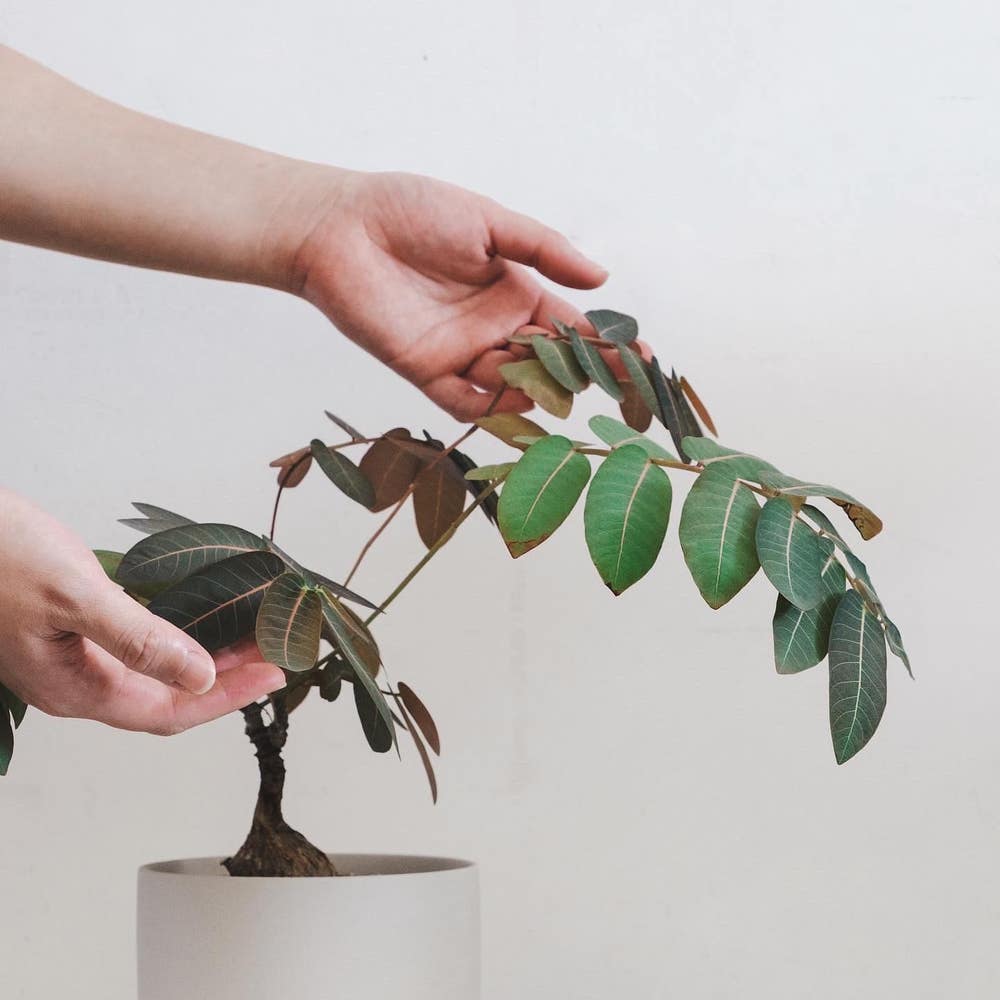
This plant features a unique leaf structure that adds visual interest to any garden. Its vibrant foliage can enhance the beauty of your outdoor space, making it a favorite among garden enthusiasts.Environmental Benefits
Phyllanthus makitae plays a crucial role in attracting beneficial insects and pollinators. By incorporating this plant into your garden, you contribute to a healthier ecosystem.Air Purification
This plant is not just pretty; it also helps improve air quality. It filters pollutants, making your environment cleaner and more pleasant to breathe.Cultural Significance
In many cultures, Phyllanthus makitae symbolizes resilience and healing. Its presence in gardens can serve as a reminder of nature's restorative powers and the importance of nurturing our environment.
These benefits make Phyllanthus makitae a valuable addition to any garden. Whether you're looking for medicinal properties, aesthetic beauty, or environmental contributions, this plant has something to offer.
As we explore the next section on companion plants, consider how Phyllanthus makitae can work harmoniously with other species to enhance your garden's diversity and health.
Companion Plants
🌱 Companion Planting Benefits
Companion planting is a fantastic way to enhance your garden's diversity. This practice promotes a balanced ecosystem, which can significantly reduce pest populations.
Certain plants also form symbiotic relationships, improving nutrient uptake and overall growth. By strategically pairing plants, you can create a thriving garden environment.
🌼 List of Compatible Companion Plants
Here are some excellent companions for Phyllanthus makitae:
- Basil: Shares similar care needs and has pest-repellent properties.
- Marigolds: These vibrant flowers deter harmful pests while attracting beneficial insects.
- Nasturtiums: They provide ground cover and are known to attract pollinators, enhancing your garden's health.
🚫 Plants to Avoid Planting Near
While some plants thrive together, others can compete for resources. Avoid planting Phyllanthus makitae near nightshades, as they may compete for nutrients and attract similar pests.
By choosing the right companions, you can create a flourishing garden that supports the health of your plants. Next, let's explore common problems that may arise in your gardening journey.
Problems
Common Problems 🌱
Incorrect Watering
Overwatering can lead to yellowing leaves and root rot, while underwatering results in wilting and crispy leaf edges. Finding the right balance is crucial for your plant's health.Incorrect Light Conditions
Insufficient light can cause leggy growth, whereas too much light may scorch the leaves. Monitor your plant's exposure to ensure it thrives.Incorrect Temperature
Extreme temperatures can stunt growth or cause leaf drop. Keeping your plant in a stable environment is essential for its well-being.Diseases
Fungal issues like powdery mildew and rust can affect foliage, presenting as white spots and yellowing leaves. Regular checks can help catch these problems early.Leaf Issues
Scorching occurs from excessive direct sunlight, leading to brown edges on leaves. Adjusting light exposure can prevent this damage.
Solutions and Preventive Measures 🛠️
Adjust Watering Practices
Regularly check soil moisture to determine your watering needs. This simple step can prevent both overwatering and underwatering.Provide Shade
If light conditions are too harsh, consider relocating your plant or providing shade. This adjustment can significantly improve its health.Monitor Temperature
Keep an eye on temperature fluctuations and protect your plant from extreme weather. A stable environment fosters growth and resilience.
By staying vigilant and making these adjustments, you can keep your Phyllanthus makitae healthy and thriving. Next, let’s explore the common pests that might challenge your plant’s growth.
None
None
⚠️ Safety First
This content is for general information and may contain errors, omissions, or outdated details. It is not medical, veterinary advice, or an endorsement of therapeutic claims.
Always consult a qualified healthcare professional before using any plant as food, medicine, or supplement.
Never eat any plant (or feed one to pets) without confirming its identity with at least two trusted sources.
If you suspect poisoning, call Poison Control (800) 222-1222, the Pet Poison Helpline (800) 213-6680, or your local emergency service immediately.
Spotted an error? Please report it here.
Watch your Phyllanthus makitae thrive 🌱 with Greg's personalized care tips and watering reminders that keep your plant happy and healthy in its ideal environment!