🌸 All About Phyllanthus elegans: Essential Facts
Phyllanthus elegans
By the Greg Editorial Team
Feb 28, 2025•10 min read
This article was created with the help of AI so we can cover more plants for you. May contain errors. See one? Report it here.
- 🌞 Phyllanthus elegans needs 6-8 hours of sunlight daily for optimal growth.
- 🌱 Maintain moist, well-draining soil to prevent root rot and promote health.
- 🌿 Prune in early spring for new growth and a healthy structure.
How to Grow
Choosing a Location 🌞
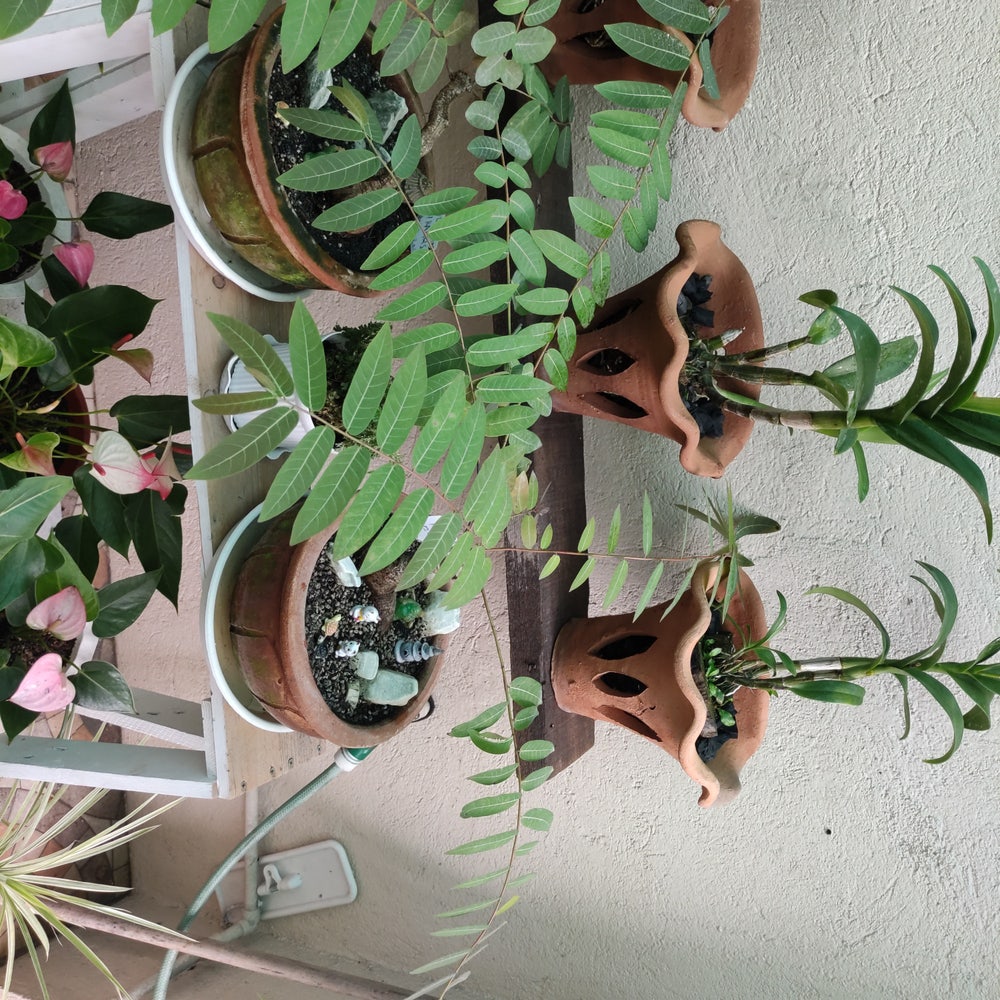
Phyllanthus elegans loves the sun! Aim for a spot that gets full sun for 6-8 hours a day, or partial shade if you're in a hotter climate.
This plant thrives in warm tropical conditions, ideally between 20°C to 30°C (68°F to 86°F). If you can provide that, you're on the right track!
Soil Preparation 🌱
For soil, go for well-draining, fertile options. A slightly acidic to neutral pH (6.0 to 7.0) is perfect for this plant's growth.
Good drainage is crucial to prevent root rot. Make sure your soil can handle excess water!
Planting Techniques 🌿
When planting, space your Phyllanthus elegans 12-18 inches apart to give them room to grow.
Plant seeds or cuttings at a depth of about 1/4 inch for optimal results.
Watering Requirements 💧
Keep the soil consistently moist but not soggy. This balance is key to healthy growth.
Using drip irrigation or watering at the base helps avoid wetting the foliage, which can lead to diseases.
Fertilizing Schedule 🌼
A balanced NPK fertilizer (10-10-10) works wonders for this plant.
Fertilize every 4-6 weeks during the growing season to keep it thriving.
Pruning Practices ✂️
Prune in early spring before new growth starts. This timing helps the plant focus its energy on fresh leaves.
Remove any dead or damaged leaves and shape the plant as needed to encourage a healthy structure.
Ongoing Care 🔍
Regularly check your plant for signs of pests or diseases. Early detection can save you a lot of trouble later.
Adjust your watering and fertilizing routine based on seasonal changes to keep your Phyllanthus elegans happy year-round.
With these tips, you’re well on your way to growing a vibrant and healthy Phyllanthus elegans! Next, let’s dive into propagation techniques to expand your garden even further.
Propagation
🌱 Seed Propagation
To propagate Phyllanthus elegans from seeds, start by soaking them in water for 24 hours. This simple step helps kickstart the germination process.
Next, ensure you maintain warm temperatures around 25°C (77°F) for optimal germination. These conditions will encourage your seeds to sprout effectively.
✂️ Cutting Propagation
Cutting propagation is another effective method. Begin by selecting healthy stems that are 4-6 inches long.
Remove the lower leaves from the stem and dip the cut ends in rooting hormone. This hormone boosts the chances of successful root development.
Plant the prepared cuttings in a well-draining medium. Keep the soil moist until roots develop, ensuring a healthy start for your new plants.
With these propagation techniques, you'll be well on your way to expanding your Phyllanthus elegans collection. Next, let’s explore the lifecycle of this fascinating plant.
Lifecycle
Lifecycle Stages 🌱
Phyllanthus elegans is typically grown as an annual in non-tropical climates. Its lifecycle progresses through distinct stages: seed or cutting, germination, seedling, vegetative growth, flowering, and seed production.
Germination Process and Timeline ⏳
Germination takes about 7-14 days under optimal conditions. To kickstart this process, ensure the seeds are kept warm and moist.
Seedling Stage Characteristics 🌿
During the seedling stage, Phyllanthus elegans reaches a height of 2-4 inches. You'll notice developing leaves that signal healthy growth.
Vegetative Growth Phase 🌳
This plant experiences rapid growth in the vegetative phase, reaching maturity in approximately 3-4 months. With the right care, it can flourish quickly, adding vibrancy to your garden.
Flowering and Seed Production 🌼
Flowering typically occurs in late spring to early summer, showcasing its beautiful blooms. Shortly after flowering, seeds develop, ensuring the cycle continues for future generations.
This lifecycle not only highlights the resilience of Phyllanthus elegans but also its potential to thrive in various environments. Understanding these stages can help you provide the best care and maximize your plant's growth.
Size
Mature Height and Spread 🌱
Phyllanthus elegans typically reaches a mature height of 1 to 3 feet. Its spread can range from 1 to 2 feet wide, making it a manageable addition to your garden or landscape.
Growth Rate and Factors Affecting Size 📈
This plant exhibits a moderate to fast growth rate, which can be influenced by several factors. Key elements include the amount of light it receives, the quality of water, and the fertility of the soil.
Size Variability Based on Growing Conditions 🌍
The size of Phyllanthus elegans can vary significantly based on its growing conditions. For instance, plants exposed to ample sunlight and nutrient-rich soil tend to grow larger compared to those in shadier or less fertile environments.
In summary, understanding the size characteristics of Phyllanthus elegans helps in planning your garden layout effectively. With the right conditions, you can enjoy a lush and vibrant display of this beautiful plant. Next, let's explore the fascinating lifecycle of Phyllanthus elegans and how it develops from seed to maturity.
Roots
Root System Characteristics 🌱
Phyllanthus elegans features a fibrous root system that is both shallow and efficient. Typically, the roots extend 6-12 inches deep, allowing them to spread widely and absorb essential nutrients.
Common Root-Related Issues 🚫
One of the most common problems is root rot, which occurs due to overwatering. To prevent this, ensure proper drainage in your planting medium.
Another issue is becoming rootbound, which happens when the roots fill the pot. You can recognize this condition by observing roots growing out of the drainage holes.
Visual Cues for Healthy vs. Unhealthy Roots 👀
Healthy roots are firm, white, and spread evenly throughout the soil. In contrast, unhealthy roots appear dark, mushy, or may even emit a foul smell.
Tips for Managing Root Problems 🛠️
To identify rootbound plants, look for roots circling the pot or emerging from the drainage holes.
If you notice these signs, consider repotting into a larger container or trimming the roots to encourage healthier growth.
By keeping an eye on your plant's roots, you can ensure a thriving Phyllanthus elegans that flourishes in your garden.
Next, let’s explore the many benefits this plant brings to your space.
Benefits
Top 5 Benefits 🌟
Phyllanthus elegans offers a range of benefits that make it a fantastic addition to any garden. Here are the top five reasons to consider growing this plant:
Aesthetic Appeal: With its lush, attractive foliage, Phyllanthus elegans can elevate the beauty of your garden. Its vibrant leaves create a stunning visual impact, making it a favorite among gardeners.
Air Purification: This plant contributes to improved air quality by filtering out toxins. Having it in your home or garden can help create a healthier environment.
Low Maintenance: Once established, Phyllanthus elegans requires minimal care. This makes it perfect for busy gardeners or those new to plant care.
Versatile Use: Whether in containers, borders, or as ground cover, this plant adapts well to various settings. Its flexibility allows you to incorporate it into different garden designs effortlessly.
Cultural Significance: In its native regions, Phyllanthus elegans is often used in traditional medicine. This adds a layer of cultural richness to your gardening experience.
Incorporating Phyllanthus elegans into your garden not only enhances its beauty but also contributes to a healthier living space. With its low maintenance needs and cultural significance, it’s a plant that truly stands out.
Next, let’s explore the fascinating world of companion planting and discover which plants thrive alongside Phyllanthus elegans.
Companion Plants
🌱 Companion Planting
Companion planting is all about growing different plants together to create a mutually beneficial environment. This practice can enhance growth, deter pests, and improve overall garden health.
🌼 Best Companion Plants
When it comes to Phyllanthus elegans, certain companions shine. Consider these:
- Marigolds: These vibrant flowers act as natural pest repellents, keeping harmful insects at bay.
- Basil: Sharing similar care needs, basil thrives alongside Phyllanthus elegans, creating a harmonious garden.
- Ferns: Their lush foliage not only complements the aesthetic but also provides a cool, shaded environment.
🚫 Plants to Avoid
While some plants make great companions, others can be detrimental. Steer clear of heavy feeders like corn or tomatoes, as they compete for nutrients and can hinder the growth of your Phyllanthus elegans.
By choosing the right companions, you can cultivate a thriving garden that benefits all its inhabitants. Next, let’s explore common problems that may arise in your gardening journey.
Problems
Common Problems 🌱
1. Incorrect Watering
Watering can make or break your Phyllanthus elegans. If you notice wilting, your plant is likely underwatered, while yellowing leaves indicate overwatering.
To remedy this, adjust your watering frequency based on the soil's moisture level. Stick your finger in the soil; if it feels dry an inch down, it’s time to water.
2. Incorrect Light Conditions
Light is crucial for healthy growth. If your plant exhibits leggy growth, it’s not getting enough light, while scorched leaves suggest too much direct sunlight.
To fix this, simply relocate your plant to a spot with the right light exposure. Aim for a balance that allows for bright, indirect light.
3. Incorrect Temperature
Temperature fluctuations can stress your Phyllanthus elegans. Stunted growth or leaf drop often signals that the temperature is outside its comfort zone.
Keep your plant in a warm environment, ideally between 20°C to 30°C (68°F to 86°F). This will help maintain its vitality.
4. Diseases
Diseases can sneak up on your plant. Common issues include powdery mildew, rust, and root rot, which can all be detrimental.
To combat these, improve air circulation around your plant and avoid overhead watering. This simple adjustment can make a significant difference.
5. Leaf Issues
Leaf problems can be a telltale sign of underlying issues. Yellowing, scorching, or fuzzy growth can indicate improper watering or light conditions.
Take a moment to assess your plant's environment. Adjusting watering habits and light exposure can often resolve these leaf issues.
Conclusion 🌟
By keeping an eye on these common problems, you can ensure your Phyllanthus elegans thrives. Next, let’s explore how to effectively manage pests that may threaten your plant’s health.
Bugs
🐛 Potential Pest Issues
While Phyllanthus elegans is generally resilient, it can still fall prey to certain pests. Keeping an eye out for these invaders is crucial to maintaining the health of your plant.
🔍 Identification and Damage
- Spider Mites: Look for fine webbing and stippled leaves, which indicate these tiny pests are at work.
- Scale Insects: These pests leave behind a sticky residue and can cause yellowing leaves, signaling their presence.
- Mealybugs: Identified by their white, cotton-like masses on stems and leaves, mealybugs can weaken your plant significantly.
🧪 Treatment Options
To combat these pests effectively, consider these treatments:
- Neem Oil: A natural solution that disrupts pest life cycles without harming beneficial insects.
- Insecticidal Soap: This option suffocates pests on contact, making it a quick fix for infestations.
- Beneficial Insects: Introducing predators like ladybugs can help keep pest populations in check.
By staying vigilant and employing these strategies, you can protect your Phyllanthus elegans from unwanted pests and ensure it thrives. Next, let’s explore what animals might be interested in snacking on your plant.
What Eats
Common Animals 🦌
Phyllanthus elegans can attract a few hungry visitors.
- Deer: Look for nibbled leaves and broken stems as signs of their presence.
- Rabbits: Chewed foliage and stems indicate these furry munchers are around.
- Squirrels: Bark stripping and digging at the base can signal their interest.
Signs of Damage 🕵️♂️
Keep an eye out for various signs that animals are feasting on your plants.
- Tracks: Footprints can reveal which critters are lurking.
- Droppings: Animal droppings near your plants can help identify the culprits.
- Visible Damage: Check for any noticeable damage to leaves and stems.
Deterrent Methods 🚫
Protecting your Phyllanthus elegans from these pests can be straightforward.
- Chemical Methods: Consider using commercial repellents designed to deter animals.
- Organic Methods: Homemade sprays, like garlic or hot pepper solutions, can be effective.
- Physical Barriers: Fencing or netting can provide a solid defense against these hungry animals.
By understanding what eats your plants and how to deter them, you can keep your Phyllanthus elegans thriving. Next, let’s explore common problems that might arise during its growth.
⚠️ Safety First
This content is for general information and may contain errors, omissions, or outdated details. It is not medical, veterinary advice, or an endorsement of therapeutic claims.
Always consult a qualified healthcare professional before using any plant as food, medicine, or supplement.
Never eat any plant (or feed one to pets) without confirming its identity with at least two trusted sources.
If you suspect poisoning, call Poison Control (800) 222-1222, the Pet Poison Helpline (800) 213-6680, or your local emergency service immediately.
Spotted an error? Please report it here.
Grow your Phyllanthus elegans to its full potential 🌱 with Greg's tailored watering alerts and expert care tips that keep your plant thriving in optimal sunlight and soil conditions!