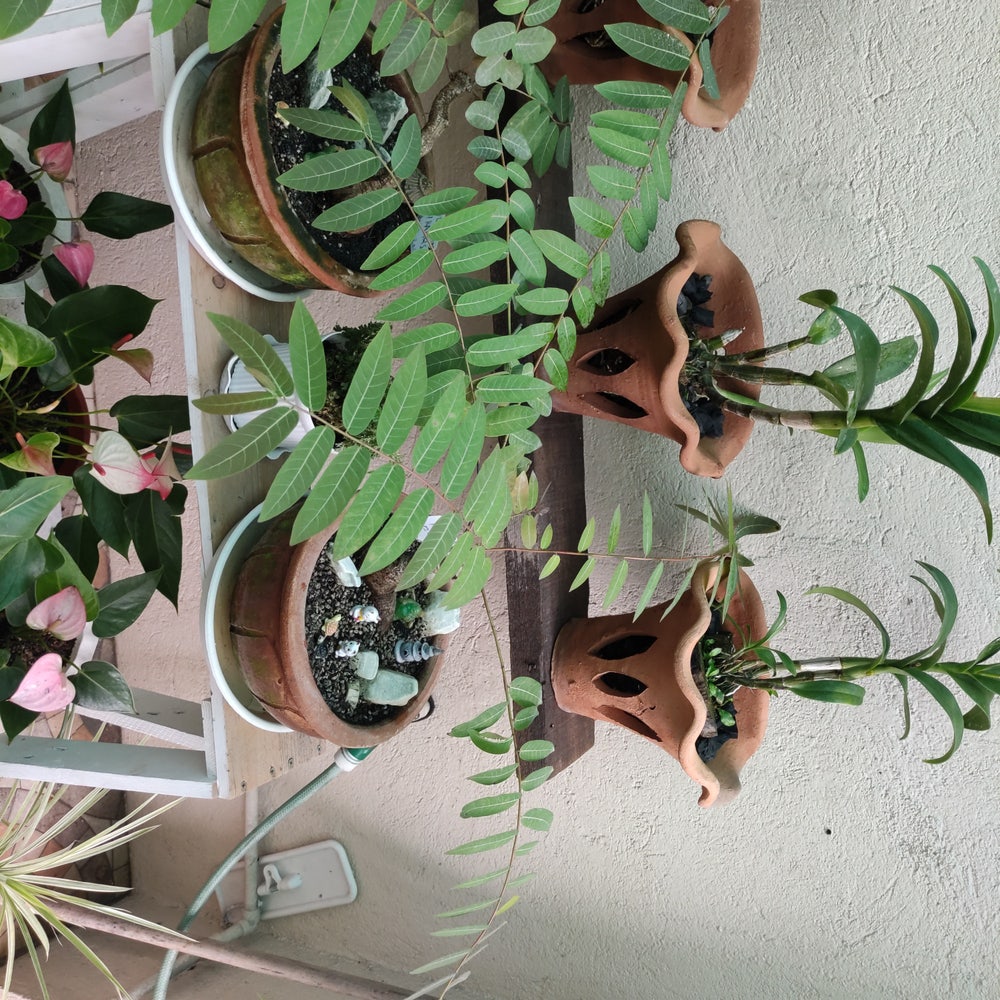
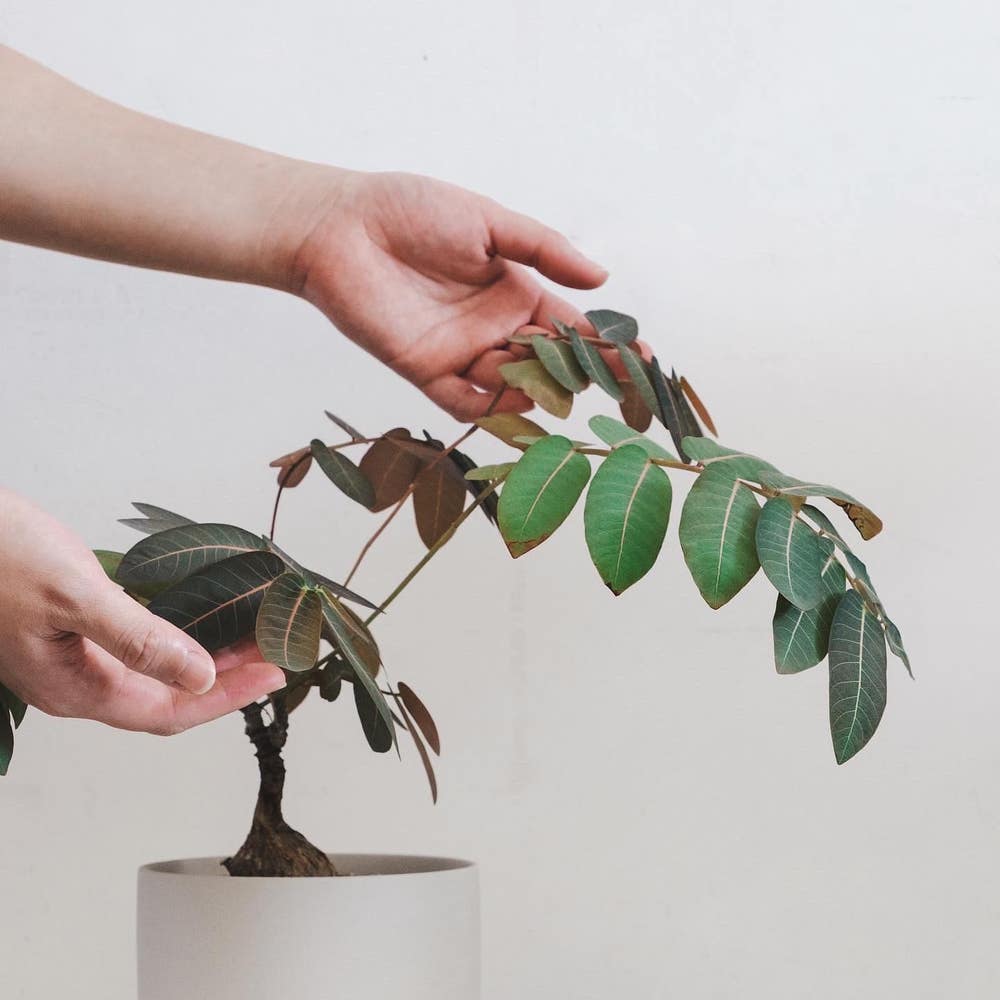
📚 Understanding Phyllanthus disticha: The Basics
Phyllanthus disticha
By the Greg Editorial Team
Feb 28, 2025•13 min read
This article was created with the help of AI so we can cover more plants for you. May contain errors. See one? Report it here.
Elevate your space with Phyllanthus disticha, a beautiful plant that purifies air and enhances wellness! 🌱✨
- 🌞 Phyllanthus disticha thrives in bright, indirect light and warm, tropical conditions.
- 🌱 Use well-draining, fertile soil with a pH of 6.0 to 7.0 for optimal growth.
- 💧 Regular watering is crucial; maintain moisture without waterlogging to prevent root issues.
How to Grow
Choosing a Location 🌍
To thrive, Phyllanthus disticha needs bright, indirect light. It prefers warm, tropical conditions, so consider this when selecting a spot.
When deciding between outdoor and indoor planting, think about your climate. If you live in a cooler area, indoor growth may be the best option.
Soil Preparation 🪴
Start with well-draining, fertile soil to support healthy growth. Aim for a pH level between 6.0 and 7.0, which is slightly acidic to neutral.
Enhance soil fertility by adding organic matter. This will provide essential nutrients for your plant.
Planting Techniques 🌱
When planting seeds, bury them 1-2 inches deep. For optimal growth, space them 12-18 inches apart.
If you're using containers, ensure they have adequate size and drainage. This will prevent root issues later on.
Watering Requirements 💧
Regular watering is crucial to maintain moisture without causing waterlogging. Aim for a consistent watering schedule.
Be vigilant for signs of overwatering or underwatering. Yellowing leaves or wilting can indicate problems.
Fertilizing Schedule 🌾
Use a balanced NPK fertilizer to nourish your plant. Fertilize every 4-6 weeks during the growing season for best results.
This routine will help support robust growth and flowering.
Pruning Methods ✂️
Prune your Phyllanthus disticha in early spring or after flowering. This timing encourages bushier growth.
Use pinching techniques to shape the plant effectively. It promotes a fuller appearance.
Ongoing Care 🔍
Keep an eye out for pests and diseases. Regular monitoring will help you catch issues early.
Adjust your care seasonally to meet changing environmental conditions. This proactive approach will keep your plant healthy and thriving.
With these guidelines, you’re well on your way to successfully growing Phyllanthus disticha. Next, let’s explore how to propagate this fascinating plant!
Propagation
🌱 Seed Propagation Steps
Collecting seeds: Timing is crucial for successful seed collection. Aim to gather seeds when they are fully mature, typically after flowering, and use gentle methods to avoid damaging them.
Germination conditions: Seeds thrive in warm environments. Ensure a temperature range of 70-80°F and maintain consistent moisture for optimal germination.
Transplanting seedlings: Once seedlings develop a few true leaves, it's time to transplant. Move them carefully into larger pots or directly into the garden, ensuring they have enough space to grow.
✂️ Cutting Propagation Techniques
Selecting healthy cuttings: Choose cuttings that are 4-6 inches long from healthy plants. Look for vibrant leaves and firm stems, as these indicators suggest strong potential for rooting.
Rooting medium: A well-draining medium is essential for success. Options like perlite, vermiculite, or a mix of potting soil and sand work best to encourage root development.
Care for cuttings: Keep cuttings in a warm, humid environment. Regularly mist them and provide indirect light to promote healthy growth without overwhelming them.
With these propagation techniques, you can easily expand your Phyllanthus disticha collection. Next, let’s explore the lifecycle of this fascinating plant to understand its growth stages better.
Lifecycle
Lifecycle Overview 🌱
The lifecycle of Phyllanthus disticha begins with germination, which typically occurs within 2 to 4 weeks under optimal conditions. This phase requires warm temperatures and consistent moisture to encourage seed sprouting.
Once germinated, the plant enters the seedling stage, where it develops its first true leaves and establishes a strong root system. This stage is crucial for setting the foundation for future growth.
During the vegetative growth phase, which can last several months, the plant focuses on leaf production and overall size. You'll notice lush foliage and a robust structure as it prepares for flowering.
Flowering usually occurs in late spring to early summer, showcasing small, attractive blooms. These flowers are not only beautiful but also play a vital role in the plant's reproductive cycle.
Following flowering, Phyllanthus disticha produces seeds, typically within a few weeks. This seed production is essential for the continuation of the species and can occur multiple times throughout the growing season.
Duration Until Maturity ⏳
Phyllanthus disticha generally reaches full maturity in about 6 to 12 months. This timeframe can vary based on environmental conditions, such as light, water, and soil quality.
Growth Rate Specifics 📈
The average growth rate of Phyllanthus disticha is moderate, influenced by factors like temperature and care. With the right conditions, you can expect steady growth that leads to a thriving plant in your garden or home.
Understanding the lifecycle of Phyllanthus disticha not only helps in nurturing the plant but also enhances your appreciation for its natural beauty. As we move forward, let’s explore how to effectively propagate this fascinating species.
Size
Mature Height and Spread 🌱
Phyllanthus disticha typically reaches a height of 1 to 3 feet, making it a manageable addition to any garden. Its spread ranges from 1 to 2 feet, allowing it to fit snugly into various landscaping designs.
Growth Rate and Size Variability 📈
The growth rate of Phyllanthus disticha can vary based on several factors. Light, water, and soil quality play crucial roles in determining how quickly this plant flourishes, so providing optimal conditions is key to achieving its full potential.
In different environments, you might notice significant size variability. For instance, a plant in bright light with well-draining soil will likely outgrow one in shaded or poor conditions.
Understanding these dynamics can help you cultivate a thriving Phyllanthus disticha that enhances your garden's beauty. Now that you know about its size, let’s explore the fascinating aspects of its root system.
Roots
Characteristics of the Root System 🌱
Phyllanthus disticha features a fibrous root system that is both shallow and extensive. This type of root structure allows the plant to efficiently absorb moisture and nutrients from the upper layers of the soil.
Common Root-Related Issues and Solutions ⚠️
One of the most common issues with roots is root rot, which occurs when the roots sit in waterlogged soil. Signs of root rot include yellowing leaves and a foul smell from the soil; to prevent this, ensure proper drainage and avoid overwatering.
Identifying healthy roots is crucial for maintaining plant health. Healthy roots are firm and white, while unhealthy roots appear brown and mushy. Regularly check the root system to catch any problems early and keep your plant thriving.
By understanding the root characteristics and potential issues, you can provide better care for your Phyllanthus disticha, ensuring it remains a vibrant part of your garden. Next, let's explore the benefits this plant brings to your space.
Benefits
Top 5 Benefits 🌟
Phyllanthus disticha is not just a pretty face; it offers a range of benefits that make it a fantastic addition to any garden or indoor space.
Ornamental Appeal
With its unique foliage and striking flowers, this plant adds a splash of beauty to your environment. Its vibrant appearance can elevate the aesthetic of any garden or room.
Medicinal Properties
Traditionally, Phyllanthus disticha has been used in herbal remedies. Its leaves and extracts are believed to have various health benefits, making it a valuable plant for those interested in natural healing.
Air Purification
This plant contributes to indoor air quality by filtering out toxins. Incorporating it into your home can help create a healthier living space.
Attracts Beneficial Insects
Phyllanthus disticha is a magnet for pollinators and other beneficial insects. By planting it, you can promote natural pest control and support local ecosystems.
Versatile Landscaping
Its adaptability makes it suitable for various garden styles. Whether you have a modern, tropical, or traditional garden, this plant can fit right in.
These benefits highlight why Phyllanthus disticha is more than just a decorative plant; it’s a multifunctional asset for any plant lover. Next, let’s explore how to propagate this remarkable species effectively.
Companion Plants
🌱 Companion Planting
Companion planting is a gardening technique that enhances plant growth and health through strategic pairings. It promotes pest management and increases garden diversity, creating a more resilient ecosystem.
🌼 Beneficial Companion Plants
Several plants work harmoniously with Phyllanthus disticha.
- Marigolds: These vibrant flowers deter pests with their strong scent.
- Basil: Not only does it thrive in similar conditions, but it also repels harmful insects.
These companions share similar care needs and can help protect your Phyllanthus disticha from pests while enhancing its growth.
🚫 Plants to Avoid
While many plants can complement your Phyllanthus disticha, some should be avoided.
- Heavy feeders: Plants that compete for nutrients can stunt growth.
- Pest-attracting plants: Certain species may draw in unwanted pests, putting your Phyllanthus at risk.
Choosing the right companions can make all the difference in maintaining a healthy garden. By being mindful of your plant selections, you can create a thriving environment for your Phyllanthus disticha.
With the right companions in place, your garden will flourish, leading us to explore the fascinating benefits of this unique plant.
Toxicity to Humans
Safety Overview 🛡️
Phyllanthus disticha is not listed as toxic by major poison control centers, making it a safe choice for households. Generally, the risks around humans are minimal, allowing you to enjoy this plant without worry.
However, it's always wise to exercise caution. If you experience any unusual symptoms after contact, seeking medical advice is a prudent step. This ensures peace of mind while you appreciate the beauty and benefits of your plant.
In summary, Phyllanthus disticha can be a delightful addition to your space, with little concern for toxicity. Next, let’s explore how this plant interacts with our furry friends, starting with its safety around dogs.
Toxicity to Dogs
Safety Overview 🐶
Phyllanthus disticha is not listed as toxic by veterinary organizations, making it a safe choice for dog owners. This plant poses a low risk of toxicity, allowing you to enjoy its beauty without worrying about your furry friends.
Tips for Introducing the Plant to Homes with Dogs 🏡
When introducing Phyllanthus disticha to your home, consider placing it in areas that are less accessible to your dog. This helps prevent any curious nibbling while still allowing you to appreciate its unique foliage.
Additionally, monitor your dog's behavior around the plant. If you notice any unusual interest or potential chewing, redirect their attention with toys or treats.
By taking these simple precautions, you can create a harmonious environment where both your plant and your dog can thrive.
As we move forward, let’s explore how Phyllanthus disticha interacts with our feline friends.
Toxicity to Cats
Safety Overview 🐱
Phyllanthus disticha is not listed as toxic by major pet poison control centers, making it a safe choice for cat owners. Generally, the risk of toxicity around cats is low, allowing you to enjoy this plant without worry.
Tips for Introducing the Plant to Homes with Cats 🏡
When introducing Phyllanthus disticha to your home, consider placing it in areas that are less accessible to your feline friends. This can help prevent any curious nibbling while still allowing you to appreciate its beauty.
Additionally, monitor your cat's behavior around the plant. If you notice any unusual interest, redirect them with toys or other distractions to keep both your plant and pet safe.
By taking these simple precautions, you can create a harmonious environment where both your cat and your plant can thrive.
Problems
💧 Incorrect Watering
Watering can make or break your Phyllanthus disticha. Overwatering leads to yellowing leaves and root rot, while underwatering results in wilting and dry foliage.
💡 Incorrect Light Conditions
Light is crucial for healthy growth. If your plant has pale leaves, it’s likely not getting enough light; conversely, scorched leaves indicate too much direct sunlight.
🌡️ Incorrect Temperature
Temperature extremes can stress your plant. If it’s too cold, growth may slow down; excessive heat can cause wilting and leaf drop.
🦠 Diseases
Fungal issues can plague your Phyllanthus disticha. Look for signs like mold or unusual spots on leaves, and treat with appropriate fungicides or by improving air circulation.
🌱 Growth Problems
Unhealthy growth patterns can signal underlying issues. Stunted growth or leggy stems often indicate insufficient light or nutrients, so reassess your care routine to encourage robust development.
By keeping an eye on these common problems, you can ensure your Phyllanthus disticha thrives beautifully. Next, let’s explore potential pest issues that could affect your plant's health.
Bugs
🐜 Potential Pest Issues
When growing Phyllanthus disticha, it's essential to be aware of potential pest issues. While this plant generally shows resilience, it can still fall victim to a few common pests.
🛡️ Overview of Pest Resistance
Phyllanthus disticha is relatively robust, but it’s not entirely immune to pests. Regular monitoring is key to catching any infestations early.
🔍 Identification of Relevant Pests
Here are some pests you might encounter:
- Spider Mites: Tiny, spider-like creatures that thrive in dry conditions. Look for fine webbing and stippled leaves.
- Scale Insects: These pests appear as small, brown bumps on stems and leaves. They can weaken the plant by sucking sap.
- Mealybugs: Recognizable by their white, cottony appearance, mealybugs can cause leaf drop and stunted growth.
- Aphids: Small and green, these pests cluster on new growth and can lead to distorted leaves.
💊 Treatment Options
If you spot any of these pests, don’t panic! Here are some effective treatment methods:
- Insecticidal Soap: A gentle yet effective option for many pests. Spray directly on the affected areas.
- Neem Oil: This natural pesticide disrupts the life cycle of pests. Apply it in the early morning or late evening for best results.
- Manual Removal: For minor infestations, simply wiping pests off with a damp cloth can be effective.
🚫 Prevention Tips
To keep your Phyllanthus disticha healthy and pest-free, consider these preventive measures:
- Maintain Humidity: Spider mites thrive in dry conditions, so keep humidity levels up.
- Regular Inspections: Check your plants weekly for any signs of pests.
- Healthy Practices: Ensure proper watering and fertilization to keep your plant strong and resilient.
By staying vigilant and employing these strategies, you can enjoy a thriving Phyllanthus disticha without the hassle of pests. Next, let’s explore what animals might be interested in munching on your plant.
What Eats
🦌 Common Animals
When it comes to Phyllanthus disticha, several herbivores might find your plant a tasty treat. Deer, rabbits, and squirrels are the usual suspects, and they can wreak havoc on your garden if left unchecked.
🔍 Signs of Animal Presence and Damage
Keep an eye out for telltale signs of these munching marauders. Look for chewed leaves, missing stems, or droppings near your plants. Additionally, you might notice tracks or fur caught on branches, indicating that animals have been visiting your garden.
🚫 Deterrent Methods for Managing Animal Interactions
To protect your Phyllanthus disticha, consider implementing a few deterrent strategies.
- Physical Barriers: Fencing can be an effective way to keep larger animals like deer and rabbits at bay.
- Repellents: Use natural or commercial repellents that emit scents unpleasant to these animals.
- Companion Plants: Planting strong-smelling herbs or flowers can help mask the scent of your Phyllanthus disticha, making it less appealing.
By staying vigilant and employing these methods, you can enjoy your plant without the worry of unwanted nibblers.
⚠️ Safety First
This content is for general information and may contain errors, omissions, or outdated details. It is not medical, veterinary advice, or an endorsement of therapeutic claims.
Always consult a qualified healthcare professional before using any plant as food, medicine, or supplement.
Never eat any plant (or feed one to pets) without confirming its identity with at least two trusted sources.
If you suspect poisoning, call Poison Control (800) 222-1222, the Pet Poison Helpline (800) 213-6680, or your local emergency service immediately.
Spotted an error? Please report it here.
Unlock the full potential of your Phyllanthus disticha 🌱 with Greg's custom watering alerts and expert care tips that ensure your plant thrives beautifully!