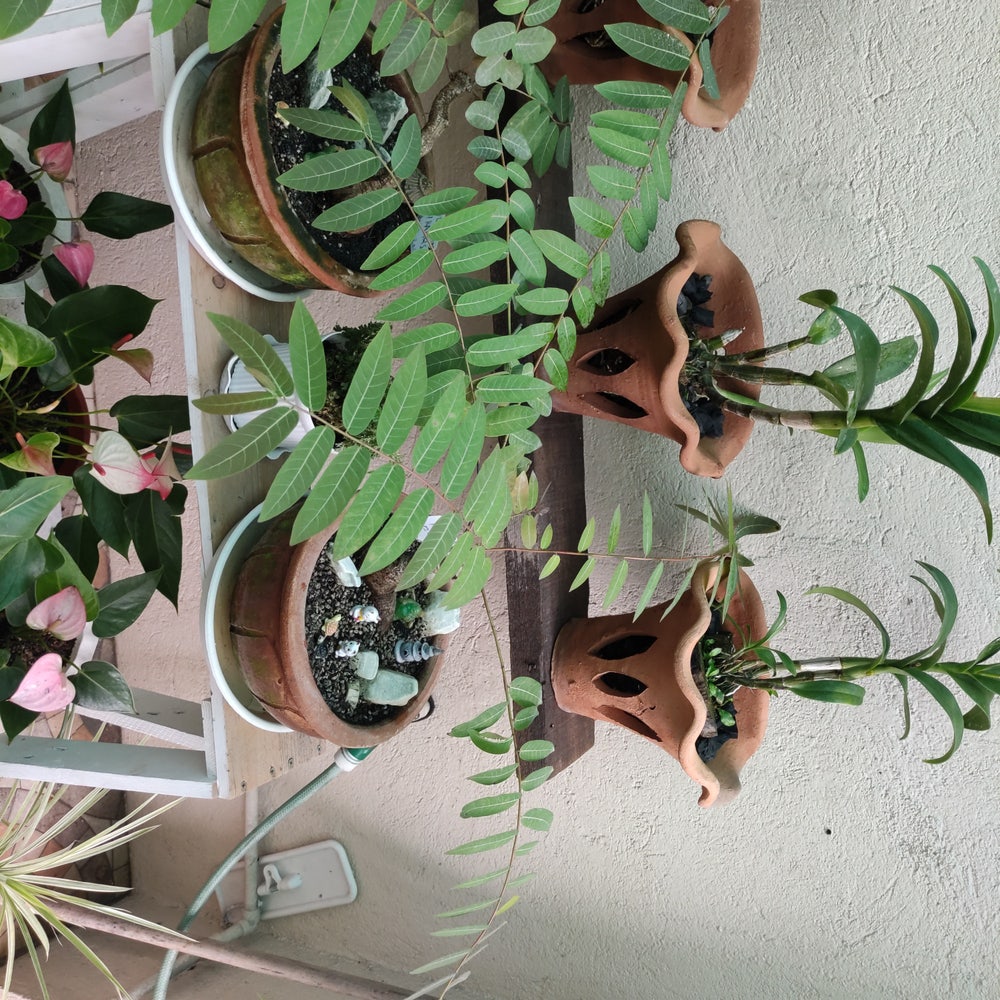
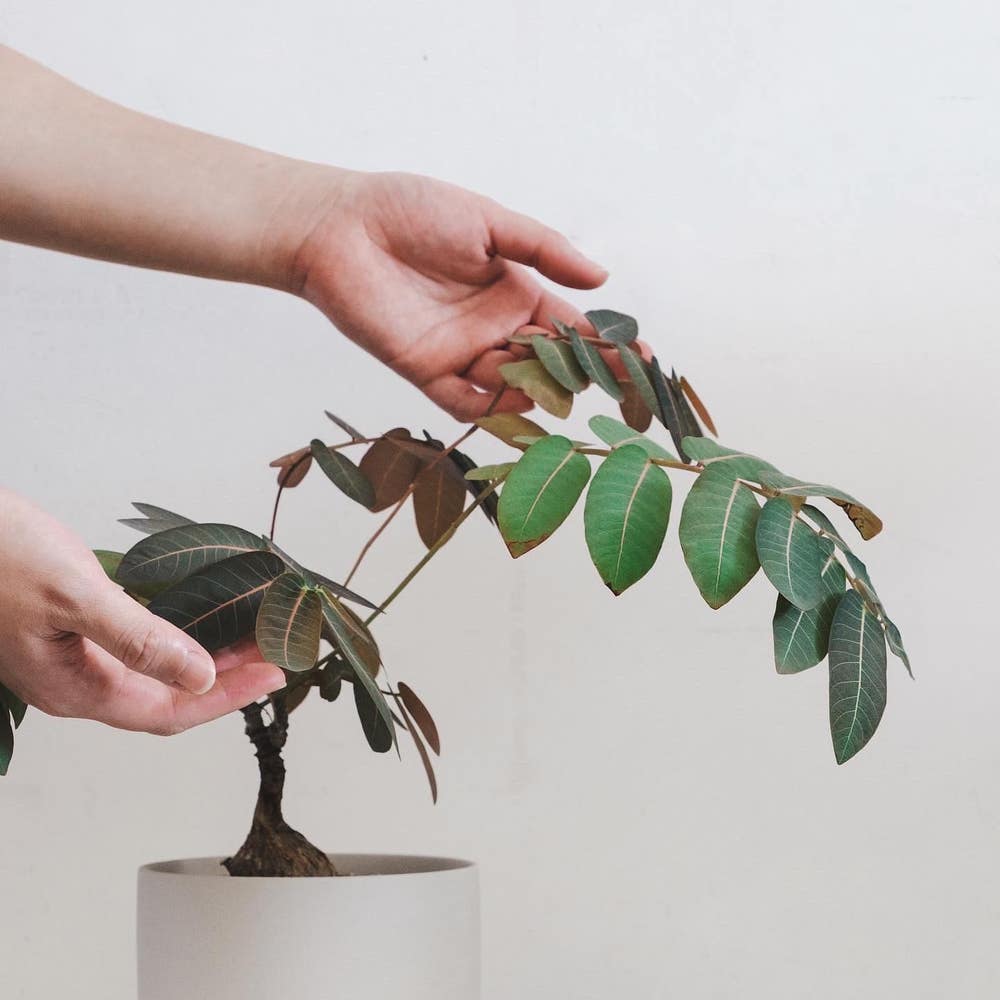
Phyllanthus disticha f. nivosa: A Comprehensive Overview
Phyllanthus disticha f. nivosa
By the Greg Editorial Team
Feb 28, 2025•12 min read
This article was created with the help of AI so we can cover more plants for you. May contain errors. See one? Report it here.
Unlock the beauty and resilience of Phyllanthus disticha f. nivosa 🌿 with expert care tips for a thriving garden!
- 🌞🌿 Phyllanthus disticha f. nivosa thrives in warm, humid environments with ample sunlight.
- 💧 Maintain consistent soil moisture to prevent root rot and ensure healthy growth.
- 🐾 This plant is non-toxic to pets, making it a safe choice for households.
How to Grow
Choosing a Location 🌞
To thrive, Phyllanthus disticha f. nivosa prefers warm, humid environments with partial to full sunlight. When deciding between outdoor or container growing, consider your available space and local climate conditions.
Soil Preparation 🌱
For optimal growth, use well-draining, fertile soil enriched with organic matter. Aim for a pH level between 6.0 and 7.0, which is slightly acidic to neutral.
Planting Techniques 🌿
When planting seeds or cuttings, ensure they are placed 1-2 inches deep in the soil. Space them 12-18 inches apart to allow for healthy growth and airflow.
Watering Requirements 🚰
Keep the soil consistently moist but avoid waterlogging, which can lead to root rot. Watch for signs of overwatering, like yellowing leaves, or underwatering, indicated by wilting.
Fertilizing Schedule 🍽️
Utilize a balanced NPK fertilizer to provide essential nutrients. Fertilize every 4-6 weeks during the growing season for best results.
Pruning Methods ✂️
Prune in early spring before new growth begins. Focus on removing dead or damaged leaves and shaping the plant for a more attractive appearance.
Ongoing Care Tips 🛡️
Regularly monitor your plant for pests and diseases to catch issues early. Adjust your care routine based on seasonal changes to ensure your plant remains healthy and vibrant.
By following these guidelines, you can create the perfect environment for your Phyllanthus disticha f. nivosa to flourish. Next, let's explore how to propagate this resilient plant effectively.
None
Lifecycle
🌱 Overview of Life Cycle Stages
Phyllanthus disticha f. nivosa can be classified as either an annual or perennial plant, depending on the growing conditions. Its lifespan varies, but with proper care, it can thrive for several years.
🌱 Germination Process
Seeds of Phyllanthus disticha typically germinate within 7 to 14 days under optimal conditions. Warm temperatures and consistent moisture are key to successful germination.
🌱 Seedling Development
Healthy seedlings exhibit vibrant green leaves and sturdy stems. They should show signs of vigorous growth, indicating they are well-established.
🌱 Vegetative Growth Phase
During the vegetative phase, the plant focuses on leaf development and overall growth. Expect lush foliage as it absorbs sunlight and nutrients.
🌱 Flowering and Seed Production
Flowering usually occurs several months after planting, leading to seed production. This stage is crucial for the plant's lifecycle, ensuring future generations.
🌱 Growth Timeline and Speed
Phyllanthus disticha takes approximately 6 to 12 months to reach maturity. Its growth rate is moderate, influenced by factors like light, water, and nutrient availability.
This lifecycle overview highlights the importance of providing the right conditions for each stage. Understanding these phases will help you nurture your plant effectively and enjoy its beauty for years to come.
Size
Mature Height and Spread 🌱
Phyllanthus disticha f. nivosa typically reaches an average height of 2 to 3 feet. Its spread can range from 1 to 2 feet wide, making it a manageable addition to various garden spaces.
Growth Rate and Size Variability 📈
The growth rate of this plant can vary significantly based on several factors. Key elements such as light exposure, water availability, and nutrient levels play crucial roles in determining how quickly and robustly it grows.
Impact of Growing Conditions on Size 🌤️
Different growing conditions can greatly influence the overall size of Phyllanthus disticha f. nivosa. For instance, optimal sunlight and consistent moisture can lead to more vigorous growth, while poor conditions may stunt its development.
Understanding these factors can help you cultivate a thriving plant that reaches its full potential. As you prepare to care for your Phyllanthus disticha, keep these size considerations in mind to ensure it flourishes in your garden.
Next, let’s explore the roots of this fascinating plant and how they contribute to its overall health and stability.
Roots
Root System Characteristics 🌱
Phyllanthus disticha f. nivosa features a fibrous root system. This type of root structure is shallow yet extensive, allowing the plant to absorb nutrients efficiently from the upper layers of the soil.
Common Root-Related Issues 🚫
One of the most common problems is root rot, which can occur due to overwatering or poor drainage. To prevent this, ensure your plant is in well-draining soil and monitor watering habits closely.
Signs of unhealthy roots include discoloration and a mushy texture. If you notice these symptoms, it’s crucial to act quickly to save your plant.
Identifying Healthy vs. Unhealthy Roots 🔍
Healthy roots are typically firm and white, indicating good vitality. If you see roots that are dark or mushy, it's a sign that something is wrong and needs immediate attention.
Recognizing Rootbound Plants 🪴
A rootbound plant is one where the roots have circled the pot, restricting growth. This can lead to stunted growth and nutrient deficiencies.
To remedy this, consider repotting the plant into a larger container or performing root pruning. This will encourage new growth and improve overall health.
Transitioning to the next section, understanding the lifecycle of Phyllanthus disticha f. nivosa will provide insights into its growth stages and care requirements.
Benefits
Top 5 Benefits 🌟
Ornamental Value
Phyllanthus disticha f. nivosa boasts unique foliage and striking flowers that can elevate any garden's aesthetic. Its vibrant appearance makes it a favorite among plant enthusiasts.
Medicinal Uses
This plant has a rich history in traditional herbal remedies. Many cultures have utilized its properties for various health benefits, making it a valuable addition to any medicinal garden.
Air Purification
Not only is it beautiful, but Phyllanthus disticha also contributes to improved indoor air quality. It helps filter out toxins, creating a healthier living environment.
Resilience
This species is known for its adaptability to various growing conditions. Whether in a garden or a container, it thrives, making it an excellent choice for both novice and experienced gardeners.
Biodiversity
By attracting beneficial insects, Phyllanthus disticha supports local ecosystems. This plant plays a role in promoting biodiversity, which is crucial for a balanced environment.
These benefits highlight why Phyllanthus disticha f. nivosa is a fantastic choice for any garden enthusiast. Its combination of beauty, utility, and ecological importance makes it a standout plant.
As we explore further, let's dive into the fascinating world of companion planting and discover which plants thrive alongside this remarkable species.
Companion Plants
🌱 Concept of Companion Planting
Companion planting is all about pairing plants that benefit each other. This technique can enhance growth and help with pest management, creating a thriving garden ecosystem.
🌼 Best Companion Plants
When it comes to Phyllanthus disticha f. nivosa, certain herbs and flowers make excellent companions. Consider planting it alongside:
- Basil: This herb can repel pests and enhance the flavor of nearby plants.
- Marigolds: Known for their pest-repelling properties, they can deter harmful insects.
- Chives: Their strong scent can ward off aphids and other pests.
These companions share similar care needs, making them easy to grow together. Their natural pest-repellent qualities also help keep your Phyllanthus healthy and vibrant.
🚫 Plants to Avoid
While many plants thrive alongside Phyllanthus, some can create negative interactions. Avoid planting it near:
- Fennel: This herb can inhibit the growth of nearby plants.
- Cabbage family: These plants may attract pests that could harm your Phyllanthus.
Being mindful of these pairings can help you maintain a healthy garden. By selecting compatible plants, you can foster a flourishing environment for your Phyllanthus disticha f. nivosa.
As you plan your garden, consider how companion planting can enhance your growing experience. Next, let’s explore the toxicity of Phyllanthus disticha f. nivosa to humans, dogs, and cats.
Toxicity to Humans
🛡️ Safety for Humans
Phyllanthus disticha f. nivosa is not considered toxic by major health organizations. This means you can enjoy its beauty without the worry of severe health risks.
However, it's important to note that some individuals may experience mild skin irritation or digestive discomfort if they consume excessive amounts.
⚠️ Cautionary Measures
Always exercise caution when handling or consuming any plant. If you notice unusual symptoms after contact or ingestion, seek medical advice promptly.
By staying informed and cautious, you can appreciate the unique qualities of this plant while ensuring your safety.
As we move forward, let’s explore how this plant interacts with our furry friends, particularly dogs.
Toxicity to Dogs
🐶 Safety for Dogs
Phyllanthus disticha f. nivosa is not considered toxic according to pet poison control centers. This means your furry friends can roam around it without the risk of serious harm.
However, if dogs consume large quantities, they may experience mild gastrointestinal upset. It's always a good idea to monitor their behavior around the plant to prevent any potential issues.
🐕 Tips for Dog Owners
To keep your dog safe, consider placing the plant in an area that's less accessible to them. Regularly check for any signs of nibbling or curiosity, ensuring a harmonious coexistence in your home.
With a little care, you can enjoy the beauty of this plant while keeping your canine companion safe and sound.
Toxicity to Cats
Safety for Cats 🐱
Phyllanthus disticha f. nivosa is not considered toxic according to veterinary organizations. This means you can enjoy this plant without worrying about your feline friends suffering serious harm.
Minor Issues 🐾
While the plant is safe, consuming large quantities may lead to mild gastrointestinal upset in cats. It's always a good idea to monitor your cat's behavior around the plant to ensure they don't overindulge.
Tips for Cat Owners 🏡
To keep both your plant and your cat safe, consider placing the plant in an area that's less accessible to your pet. Regularly check for any signs of nibbling and redirect their attention with cat-friendly alternatives.
By taking these simple precautions, you can enjoy the beauty of Phyllanthus disticha f. nivosa while ensuring your cat remains healthy and happy.
Problems
Common Problems Faced 🌱
Growing Phyllanthus disticha f. nivosa can come with its share of challenges. Understanding these common problems is key to maintaining a healthy plant.
Incorrect Watering
Watering issues are among the most frequent problems. Overwatering leads to yellowing leaves and root rot, while underwatering causes wilting and dry leaf tips.
Incorrect Light Conditions
Light conditions play a crucial role in plant health. Insufficient light results in leggy growth, while excessive light can scorch the leaves.
Incorrect Temperature
Temperature extremes can stress the plant. Cold drafts or excessive heat can stunt growth and lead to leaf drop.
Diseases
Fungal diseases can plague your plant if not monitored. Look for signs like spots on leaves or a powdery residue, indicating a need for immediate action.
Growth Problems
Stunted growth or leggy plants often signal underlying issues. These symptoms can stem from poor care practices or environmental stressors.
Identifying Symptoms and Causes 🔍
Recognizing symptoms early can save your plant.
- Overwatering: Yellow leaves, mushy roots.
- Underwatering: Wilting, crispy leaf edges.
- Insufficient Light: Leggy stems, pale leaves.
- Excessive Light: Scorched leaf tips, browning.
- Fungal Issues: Dark spots, powdery mildew.
- Growth Problems: Slow growth, elongated stems.
Solutions for Each Problem 🛠️
Addressing these issues promptly can revive your plant.
- For Watering Issues: Adjust your watering schedule. Ensure the soil is moist but not soggy.
- For Light Conditions: Move the plant to a location with appropriate light. Consider using sheer curtains to diffuse harsh sunlight.
- For Temperature Problems: Keep the plant in a stable environment, away from drafts and extreme heat sources.
- For Diseases: Remove affected leaves and treat with a fungicide if necessary. Ensure good air circulation around the plant.
- For Growth Problems: Reassess your care routine. Ensure proper watering, light, and nutrients to encourage healthy growth.
By staying vigilant and responsive to these common problems, you can keep your Phyllanthus disticha f. nivosa thriving. Next, let’s explore the fascinating world of pests that may threaten your plant’s health.
Bugs
Potential Pest Issues 🐜
Phyllanthus disticha f. nivosa can face various pest challenges. While it exhibits some resistance, it's not entirely immune to infestations.
Identification and Damage Caused by Pests 🔍
Common pests that may target this plant include:
- Spider Mites: Tiny, spider-like creatures that create fine webs and cause leaf discoloration.
- Aphids: Small, soft-bodied insects that cluster on new growth, leading to curled leaves.
- Mealybugs: White, cottony pests that can weaken the plant by sucking sap.
Signs of infestation include yellowing leaves, stunted growth, and visible pests on the foliage.
Treatment Options for Pest Control 🛠️
Managing pest issues effectively involves several strategies:
- Regular Monitoring: Check your plants frequently for early signs of pests.
- Insecticidal Soap: Use this to suffocate soft-bodied insects like aphids and mealybugs.
- Neem Oil: A natural pesticide that disrupts the life cycle of pests without harming beneficial insects.
By staying vigilant and employing these methods, you can keep your Phyllanthus disticha f. nivosa healthy and thriving. Next, let’s explore what animals might pose a threat to your plant.
What Eats
🦌 Common Animals That May Damage the Plant
Phyllanthus disticha f. nivosa can attract a variety of hungry critters. Common culprits include deer, rabbits, and squirrels, all of which may find the plant's foliage irresistible.
👣 Signs of Animal Presence
To identify if animals are munching on your plants, look for specific signs. Tracks, droppings, and distinct damage patterns on leaves can indicate which animals are visiting your garden.
🐾 Damage Caused by Animals
Certain parts of the plant are particularly appealing to these animals. Leaves and tender shoots are often the first targets, leading to unsightly nibbles and potential stunted growth.
🚫 Deterrent Methods
To protect your plant, consider both chemical and organic deterrent methods. Options include using repellents, installing physical barriers, or planting companion plants that animals dislike, ensuring your Phyllanthus disticha f. nivosa thrives despite the local wildlife.
As you implement these strategies, keep an eye on your plant's health and adjust your approach as needed. This proactive care will help you enjoy the beauty of your plant while minimizing damage from hungry visitors.
⚠️ Safety First
This content is for general information and may contain errors, omissions, or outdated details. It is not medical, veterinary advice, or an endorsement of therapeutic claims.
Always consult a qualified healthcare professional before using any plant as food, medicine, or supplement.
Never eat any plant (or feed one to pets) without confirming its identity with at least two trusted sources.
If you suspect poisoning, call Poison Control (800) 222-1222, the Pet Poison Helpline (800) 213-6680, or your local emergency service immediately.
Spotted an error? Please report it here.
Cultivating Phyllanthus disticha f. nivosa 🌱 is a breeze with Greg's tailored care reminders and expert tips, ensuring your plant thrives in its ideal environment!