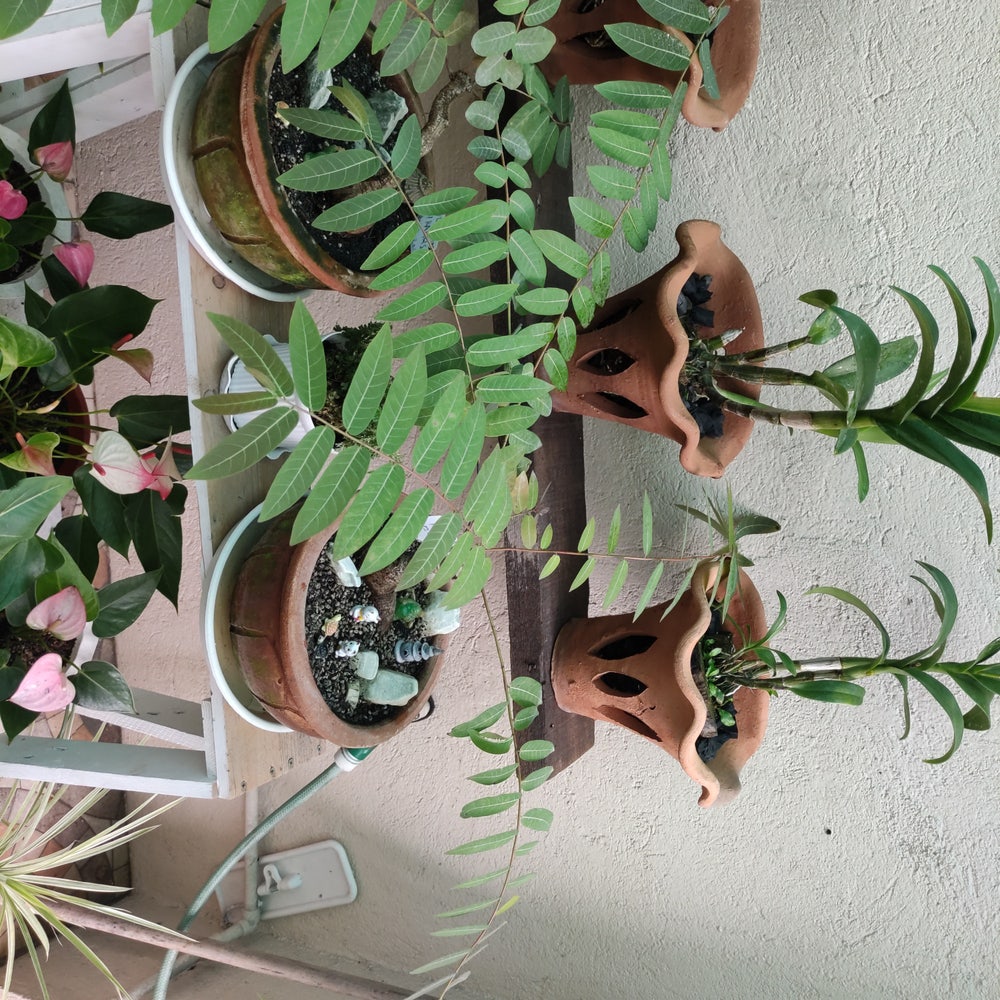
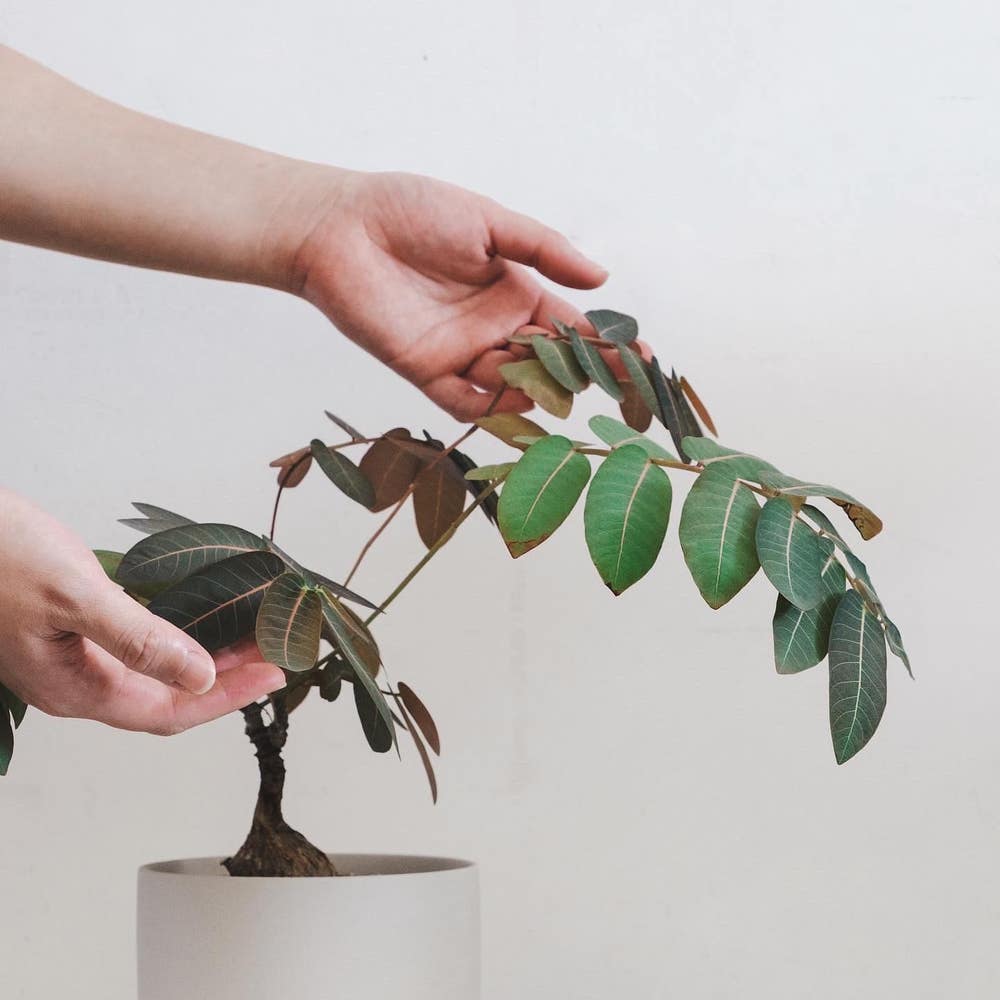
Overview of Phyllanthus ambatovolana
Phyllanthus ambatovolana
By the Greg Editorial Team
Feb 28, 2025•11 min read
This article was created with the help of AI so we can cover more plants for you. May contain errors. See one? Report it here.
Transform your garden into a lush paradise 🌱 with the secrets to thriving Phyllanthus ambatovolana! 🌿
- 🌞 Phyllanthus ambatovolana needs 6-8 hours of sunlight for optimal growth.
- 🌱 Ideal temperatures range from 20°C to 30°C, perfect for tropical climates.
- 💧 Well-draining soil and consistent moisture are crucial to prevent root rot.
How to Grow
Choosing a Location 🌞
Phyllanthus ambatovolana thrives in full sun to partial shade, requiring about 6-8 hours of sunlight daily. It prefers warm climates, ideally between 20°C to 30°C (68°F to 86°F), making it perfect for tropical and subtropical regions.
Soil Preparation 🌱
For optimal growth, use well-draining, fertile soil. Aim for a slightly acidic to neutral pH, ideally between 6.0 and 7.0, and ensure good drainage to prevent root rot.
Planting Techniques 🌿
When planting outdoors, space your plants 1-2 meters apart to allow for healthy growth. Seeds or cuttings should be planted at a depth of 1-2 inches to encourage robust root development.
Watering Requirements 💧
Keep the soil consistently moist but not waterlogged by watering regularly. Drip irrigation or soaker hoses are excellent methods for efficient watering, ensuring your plants receive the moisture they need without excess.
Fertilizing Guidelines 🌼
Use a balanced NPK fertilizer, such as 10-10-10, to nourish your plants. Fertilize every 4-6 weeks during the growing season to support healthy growth and flowering.
Pruning Practices ✂️
Prune your Phyllanthus ambatovolana in late winter or early spring, just before new growth begins. Focus on removing dead or damaged branches and shaping the plant as needed to encourage a healthy structure.
Ongoing Care 🔍
Regularly monitor your plants for signs of pests or diseases to catch any issues early. Adjust your care routine based on seasonal changes, such as reducing watering in winter to match the plant's needs.
With these guidelines, you'll be well on your way to cultivating a thriving Phyllanthus ambatovolana. Next, let's explore how to propagate this resilient plant effectively.
Propagation
🌱 Seed Propagation
To propagate Phyllanthus ambatovolana from seeds, start by soaking them in water for 24 hours. This simple step helps kickstart the germination process.
For optimal results, maintain warm temperatures around 25°C (77°F) during germination. This warmth encourages the seeds to sprout effectively, setting the stage for healthy growth.
✂️ Cutting Propagation
Another effective method is cutting propagation. Take 4-6 inch cuttings from healthy plants, ensuring you select vigorous stems for the best chance of success.
Timing is key; spring or early summer is the ideal period for taking cuttings. This timing aligns with the plant's natural growth cycle, promoting optimal rooting and establishment.
With these propagation techniques, you can easily expand your collection of Phyllanthus ambatovolana. Whether you choose seeds or cuttings, both methods offer a rewarding way to enjoy this resilient plant.
Next, let’s explore the lifecycle of Phyllanthus ambatovolana and understand its various growth stages.
Lifecycle
🌱 Lifecycle Stages
Phyllanthus ambatovolana is a perennial plant, meaning it can live for several years. This longevity allows it to thrive in various environments, contributing to its resilience.
⏳ Germination Process and Timeline
The germination process for this plant typically takes about 2-3 weeks under optimal conditions. Providing the right warmth and moisture can significantly enhance the success of seed sprouting.
🌿 Seedling Stage Characteristics
Once germinated, seedlings usually reach a height of 5-10 cm (2-4 inches). This stage is crucial as the young plants establish their roots and begin to grow.
🌳 Vegetative Growth Phase
During the vegetative growth phase, Phyllanthus ambatovolana exhibits a moderate growth rate. Expect rapid growth during warm months, making it essential to monitor their needs during this period.
🌸 Flowering and Seed Production
Flowering generally occurs in late spring to summer, marking a vibrant phase in the plant's lifecycle. This is when the plant produces seeds, ensuring its continuation.
📏 Lifespan and Growth Rate Specifics
It takes approximately 1-2 years for Phyllanthus ambatovolana to reach full maturity. Under ideal conditions, it can grow about 30-60 cm (12-24 inches) per year, showcasing its robust growth potential.
Understanding the lifecycle of Phyllanthus ambatovolana not only helps in its cultivation but also highlights its adaptability and resilience. This knowledge sets the stage for effective care and maintenance, ensuring your plant thrives beautifully.
Size
Mature Height and Spread 🌳
Phyllanthus ambatovolana typically reaches a mature height of 1 to 2 meters (3 to 6 feet). It can spread up to 1 meter (3 feet) wide, making it a substantial addition to any garden.
Growth Rate and Factors Affecting Size 📈
This plant has a moderate growth rate, which is influenced by several factors. Sunlight, water availability, and soil quality all play crucial roles in determining how quickly it grows.
Size Variability Based on Growing Conditions 🌱
The size of Phyllanthus ambatovolana can vary significantly based on its growing conditions. Plants nurtured in optimal environments tend to achieve larger dimensions compared to those in less favorable settings.
Understanding these aspects of size can help you better plan your garden layout and care strategies. Next, let’s explore the fascinating root system of this resilient plant.
Roots
Characteristics of the Root System 🌱
Phyllanthus ambatovolana features a fibrous root system that spreads widely. This structure helps the plant absorb nutrients efficiently while anchoring it firmly in the soil.
Root Depth and Spread 📏
The roots can extend up to 30 cm (12 inches) deep, allowing the plant to access moisture and nutrients from various soil layers. This depth contributes to its resilience in varying environmental conditions.
Common Root-Related Issues ⚠️
Root rot is a common problem caused by overwatering. To prevent this, ensure proper drainage in the planting area.
Another issue is becoming rootbound, which occurs when roots grow out of drainage holes. The solution is to repot or transplant the plant to give it more space to grow.
Visual Cues for Healthy vs. Unhealthy Roots 👀
Healthy roots are firm, white, and spread evenly throughout the soil. In contrast, unhealthy roots may appear dark, mushy, or emit a foul smell, indicating potential problems that need addressing.
Understanding the root system of Phyllanthus ambatovolana is crucial for its overall health. By monitoring root conditions, you can ensure your plant thrives and flourishes in its environment.
Next, let’s explore the various benefits this remarkable plant offers.
Benefits
Top 5 Benefits 🌟
Phyllanthus ambatovolana offers a wealth of advantages that make it a valuable addition to any garden or landscape.
1. Medicinal Properties
This plant has a rich history in traditional medicine. It's known for its potential to treat various ailments, making it a natural remedy worth exploring.
2. Aesthetic Appeal
With its lush foliage, Phyllanthus ambatovolana enhances the beauty of gardens. It adds vibrant greenery and texture, creating a visually appealing environment.
3. Erosion Control
One of its practical benefits is its ability to stabilize soil. This makes it an excellent choice for gardens and landscapes prone to erosion.
4. Biodiversity
By attracting beneficial insects, this plant supports local ecosystems. It plays a crucial role in promoting biodiversity, which is essential for a healthy garden.
5. Cultural Significance
Phyllanthus ambatovolana holds cultural importance in various practices and traditions. Its presence can enrich cultural experiences and connect us to nature.
These benefits highlight why Phyllanthus ambatovolana is more than just a plant; it’s a multifaceted ally in gardening and wellness. As we explore further, let’s look at how to propagate this remarkable plant effectively.
Companion Plants
🌱 Companion Planting
Companion planting is a fantastic way to boost your garden's health and productivity. By pairing plants that benefit each other, you can enhance biodiversity and improve pest management.
🌼 Beneficial Companion Plants
For Phyllanthus ambatovolana, consider planting it alongside basil, marigolds, and other herbs. These companions thrive under similar care conditions, creating a harmonious garden environment.
🚫 Plants to Avoid
On the flip side, steer clear of plants that have vastly different watering or light needs. Mismatched companions can lead to competition for resources, ultimately harming your plants.
By choosing the right companions, you can create a thriving ecosystem that supports your Phyllanthus ambatovolana and enhances your garden's overall health. Next, let’s explore the plant's toxicity levels to humans, dogs, and cats.
Toxicity to Humans
Safety for Humans 🛡️
Phyllanthus ambatovolana is considered non-toxic, as it is not listed as harmful by major poison control centers.
However, consuming large quantities may lead to mild skin irritation or digestive discomfort.
Caution ⚠️
While this plant is generally safe, it's wise to exercise caution. If you experience any unusual symptoms after contact or ingestion, seeking medical advice is always a good idea.
This approach ensures you enjoy the benefits of this plant while staying informed about potential reactions.
Toxicity to Dogs
Safety for Dogs 🐶
Phyllanthus ambatovolana is considered non-toxic to dogs, as confirmed by major pet poison control centers. This means your furry friends can safely roam around this plant without the risk of serious harm.
Minor Issues ⚠️
While the plant is safe, consuming large quantities may lead to mild gastrointestinal upset. It's always a good idea to keep an eye on your dog's behavior around the plant to prevent any excessive nibbling.
Tips for Care 🐾
To ensure your dog's safety, consider keeping the plant out of reach. Even though it's not toxic, discouraging dogs from eating non-food plants is a smart practice.
This knowledge allows you to enjoy your garden while keeping your pets safe. Next, let's explore the potential toxicity of Phyllanthus ambatovolana to cats.
Toxicity to Cats
Safety for Cats 🐱
Phyllanthus ambatovolana is considered non-toxic to cats, according to major pet poison control centers. This means you can breathe a sigh of relief if your feline friend decides to take a nibble.
Minor Issues 🚨
While generally safe, excessive consumption may lead to mild gastrointestinal upset. It's always wise to keep an eye on your cat's behavior around the plant.
Tips for Care 🛡️
To ensure your cat stays safe, keep the plant out of reach. Even though it's not toxic, discouraging your cat from munching on any non-food plant material is a good practice.
Conclusion 📜
In summary, Phyllanthus ambatovolana poses no significant threat to cats, making it a great addition to your home. Just remember to monitor their interactions with the plant to avoid any minor digestive issues.
Next, let’s explore the potential problems that can arise when growing this plant.
Problems
Common Problems 🌱
Growing Phyllanthus ambatovolana can be rewarding, but it’s essential to be aware of common issues that may arise.
Incorrect Watering 🚰
Watering is crucial for plant health. Overwatering often shows up as yellowing leaves, while underwatering leads to wilting.
Incorrect Light Conditions ☀️
Light conditions play a significant role in growth. Leaf scorch is a sign of too much sun, whereas leggy growth indicates insufficient light.
Incorrect Temperature 🌡️
Temperature fluctuations can stress your plant. Cold stress may cause leaf drop, so ensure temperatures stay within the preferred range of 20°C to 30°C (68°F to 86°F).
Diseases 🦠
Fungal diseases can also pose a threat. For instance, powdery mildew appears as white spots on leaves; treating it with fungicides can help restore your plant's health.
Root Problems 🥴
Root health is vital for overall plant vigor. Root rot, characterized by mushy roots, can occur due to poor drainage; improving drainage and adjusting your watering habits can remedy this issue.
By staying vigilant and addressing these common problems, you can ensure your Phyllanthus ambatovolana thrives beautifully. Next, let’s explore potential pest issues that could affect your plant's health.
Bugs
Potential Pest Issues 🐜
When growing Phyllanthus ambatovolana, be vigilant about potential pest issues that can affect your plant's health.
Spider Mites
Spider mites are a common nuisance. You can identify them by the fine webbing they create and the stippled appearance of leaves. Treat infestations promptly with insecticidal soap to keep these pests at bay.
Scale Insects
Scale insects can also pose a threat. Look for sticky residue on your plant and small bumps on the stems. Control these pests effectively using horticultural oil, which suffocates them.
Mealybugs
Mealybugs are another pest to watch for. They appear as cotton-like masses on your plant. You can remove them manually or treat the affected areas with neem oil for effective management.
Keeping an eye out for these pests will help ensure your Phyllanthus ambatovolana thrives. Regular monitoring and prompt action can make all the difference in maintaining a healthy plant.
Next, let's explore the common animals that might take an interest in your garden.
What Eats
🦌 Common Animals
Phyllanthus ambatovolana can attract a variety of hungry critters. Understanding which animals might munch on your plants is crucial for effective protection.
🦌 Deer
Deer are notorious for nibbling on leaves and stems. Look for signs like chewed foliage and consider using fencing or repellents to keep these gentle giants at bay.
🐇 Rabbits
Rabbits can be quite the garden pests, leaving behind clean cuts on stems. To deter them, use barriers or repellents to safeguard your plants.
🐿️ Squirrels
Squirrels may cause damage by chewing on leaves. To discourage these furry bandits, try using noise or movement devices around your garden.
🐦 Birds
Birds can peck at the fruits of your Phyllanthus ambatovolana. Protect your harvest by using netting to keep them from feasting on your hard work.
🐭 Rodents
Rodents can be sneaky, leaving signs like burrowing or gnaw marks. Manage their presence with traps or natural deterrents to ensure your plants thrive.
By being aware of these common animals and their behaviors, you can take proactive steps to protect your Phyllanthus ambatovolana. Next, let’s explore the potential pest issues that could affect your plant's health.
⚠️ Safety First
This content is for general information and may contain errors, omissions, or outdated details. It is not medical, veterinary advice, or an endorsement of therapeutic claims.
Always consult a qualified healthcare professional before using any plant as food, medicine, or supplement.
Never eat any plant (or feed one to pets) without confirming its identity with at least two trusted sources.
If you suspect poisoning, call Poison Control (800) 222-1222, the Pet Poison Helpline (800) 213-6680, or your local emergency service immediately.
Spotted an error? Please report it here.
Cultivate a thriving Phyllanthus ambatovolana 🌿 with Greg's personalized care reminders and expert tips, ensuring your plant flourishes while attracting beneficial insects!