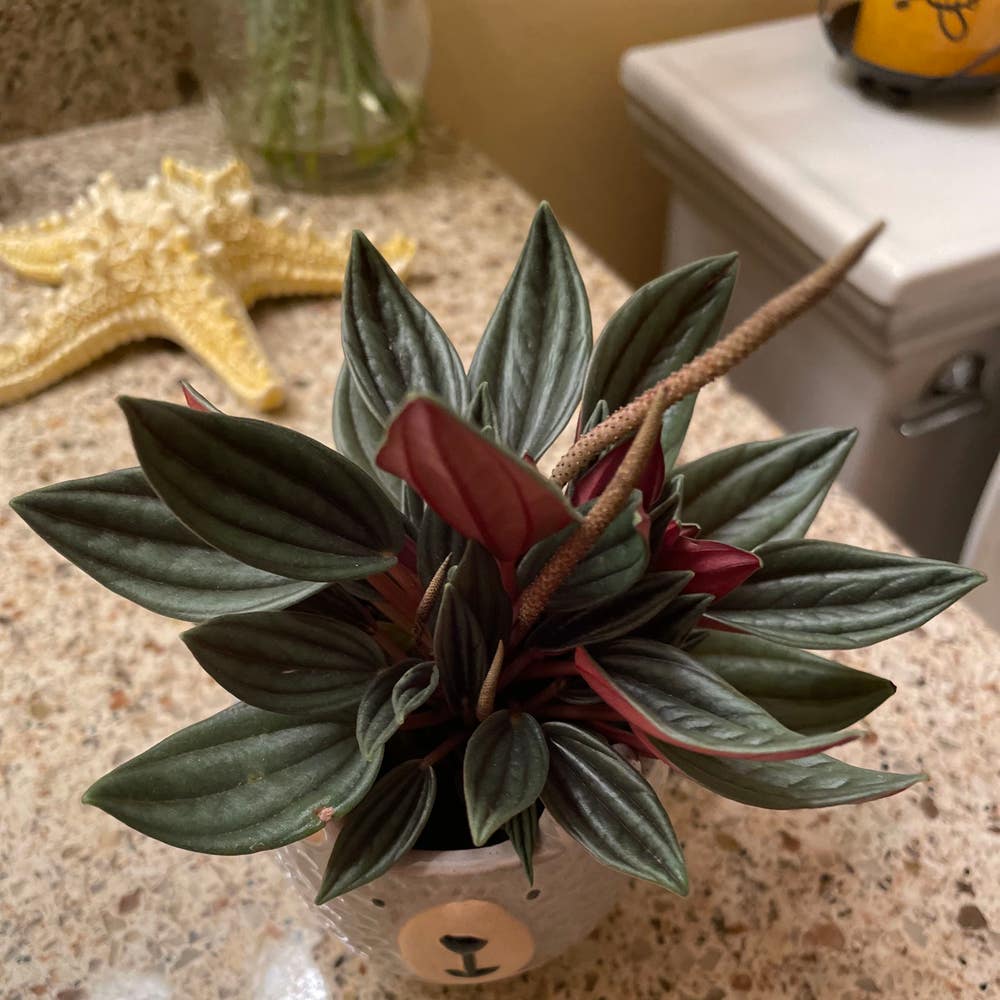
What is a Peperomia 'San Marino'? Complete Guide 🪴
Peperomia 'San Marino'
By the Greg Editorial Team
Jan 23, 2025•13 min read
This article was created with the help of AI so we can cover more plants for you. May contain errors. See one? Report it here.
Elevate your indoor garden with the low-maintenance Peperomia 'San Marino'—a resilient beauty that thrives on neglect! 🌱
- 🌞 Peperomia 'San Marino' thrives in bright, indirect sunlight and prefers 18-24°C temperatures.
- 💧 Water carefully; let soil dry between waterings to prevent root rot.
- 🌱 Low-maintenance and non-toxic, perfect for busy lifestyles and safe for pets.
How to Grow
🌞 Choosing a Location
Peperomia 'San Marino' thrives in bright, indirect sunlight. Aim for a spot that avoids harsh, direct rays to keep your plant happy and healthy.
Temperature plays a crucial role in its growth. Ideally, maintain a range between 18°C to 24°C (65°F to 75°F) for optimal development.
🌱 Soil Preparation
For soil, a well-draining potting mix is essential. This ensures that excess moisture can escape, preventing root rot.
Soil pH is another critical factor. Aim for a slightly acidic to neutral range of 6.0 to 7.0 to promote healthy growth.
🌿 Planting Techniques
When planting, choose a container that is 4-6 inches in diameter for young plants. This size allows for adequate root development without overwhelming the plant.
Make sure to plant at the correct depth. The crown of the plant should sit above the soil level to encourage healthy growth.
💧 Watering Requirements
Watering is all about balance. Allow the soil to dry out between waterings to prevent overwatering, which can lead to root issues.
Be aware of the signs of both overwatering and underwatering. Yellowing leaves can indicate too much water, while drooping leaves may suggest a need for more moisture.
🌼 Fertilizing Schedule
During the growing season, fertilize your Peperomia every 4-6 weeks. This helps to provide the nutrients necessary for vibrant growth.
Opt for a balanced, water-soluble fertilizer to support overall health. This type of fertilizer is easily absorbed and effective.
✂️ Pruning Methods
Pruning is best done in early spring. This timing helps shape the plant and promotes overall health.
To prune effectively, pinch back stems. This encourages bushier growth and removes any dead or unhealthy foliage.
🌧️ Ongoing Care Tips
Humidity levels matter for Peperomia 'San Marino.' Aim for a range of 40-60% to keep your plant thriving.
Regularly clean the leaves to prevent dust buildup. This simple task helps your plant absorb more light and stay healthy.
With these care tips, your Peperomia 'San Marino' will flourish, bringing beauty and life to your space. Next, let’s explore how to propagate this resilient plant.
Propagation
Leaf Cuttings 🌿
Propagation through leaf cuttings is a straightforward method for Peperomia 'San Marino'.
- Selecting healthy leaves: Choose mature, undamaged leaves to ensure successful rooting.
- Cutting method: Use a clean, sharp knife to cut the leaves cleanly.
- Rooting medium: Place the cut leaves in well-draining soil or water for optimal growth.
Stem Cuttings ✂️
Stem cuttings are another effective way to propagate this charming plant.
- Cutting length: Aim for cuttings that are 3-4 inches long for best results.
- Rooting process: Place the cuttings in soil or water until roots develop, ensuring they have enough light.
Division Methods 🔄
Dividing your Peperomia 'San Marino' can rejuvenate the plant and promote growth.
- Timing: The best time for division is during repotting in spring when the plant is actively growing.
- Method: Carefully separate clumps of the plant and replant them in fresh soil to encourage new growth.
Propagation can be a rewarding experience, allowing you to expand your plant collection or share with friends. With the right techniques, your Peperomia 'San Marino' will thrive and multiply beautifully.
Next, we will explore the lifecycle of this fascinating plant, detailing its growth patterns and characteristics.
Lifecycle
Peperomia 'San Marino' is a perennial plant, thriving year after year with the right care. This resilient species typically takes about 2-3 weeks for seeds to germinate, making it a relatively quick starter for your indoor garden.
🌱 Seedling Characteristics
Once germinated, the seedlings exhibit small, tender leaves that are a delight to observe. As they grow, you’ll notice the development of thick, succulent leaves, a hallmark of the Peperomia family.
🌼 Flowering Habits
While Peperomia 'San Marino' rarely flowers indoors, when it does, expect small, inconspicuous blooms. These flowers may not be the main attraction, but they add a touch of charm to the plant's lifecycle.
⏳ Lifespan and Growth Rate
With proper care, this plant can live between 5 to 10 years, offering long-term companionship. Its growth rate is slow, reaching maturity in about 2-3 years, so patience is key as you nurture your Peperomia.
This lifecycle overview highlights the beauty and resilience of Peperomia 'San Marino', setting the stage for understanding its size and growth potential.
Size
Peperomia 'San Marino' typically grows to a height of 12-18 inches and can spread 12-15 inches wide. This compact size makes it an excellent choice for various indoor spaces, from cozy apartments to larger homes.
🌱 Factors Influencing Growth Rate
Several factors can influence the growth rate of your Peperomia 'San Marino'.
- Light: Providing the right amount of indirect sunlight is crucial for healthy growth.
- Water: Proper watering practices, allowing the soil to dry out between waterings, will support robust development.
- Soil Conditions: A well-draining potting mix with the right pH level will help your plant thrive.
Understanding these elements can help you create an optimal environment for your Peperomia. With the right care, you can enjoy its lush foliage and unique charm for years to come.
As we explore further, let's dive into the roots of this fascinating plant and how they contribute to its overall health and growth.
Roots
Peperomia 'San Marino' features a fibrous root system that supports its growth and stability. Typically, these roots reach a depth of 6-8 inches, allowing the plant to absorb nutrients effectively.
🚨 Signs of Root Issues
It's crucial to monitor the health of your plant's roots. Mushy, dark roots are a clear indication of root rot, which can be detrimental to your Peperomia's health. In contrast, healthy roots should be firm and white, signaling that your plant is thriving.
🔒 Recognizing Rootbound Conditions
Another common issue is being rootbound, where roots grow out of the drainage holes. This can hinder growth and nutrient absorption, so it's essential to keep an eye on your plant's root development.
🛠️ Solutions for Healthy Roots
If you notice signs of being rootbound, consider repotting your Peperomia into a larger container. This simple step can provide the extra space needed for the roots to expand and flourish.
By understanding the root system of your Peperomia 'San Marino,' you can ensure it remains healthy and vibrant. Next, let’s explore the various benefits this delightful plant brings to your home.
Benefits
Peperomia 'San Marino' offers a variety of benefits that make it a fantastic choice for both novice and experienced plant enthusiasts.
Top 5 Benefits 🌟
Air Purification Properties
This plant is known for its ability to improve indoor air quality. It helps filter out harmful toxins, making your living space healthier.Low Maintenance and Drought-Tolerant
Peperomia 'San Marino' thrives on neglect. It requires minimal watering and can survive in less-than-ideal conditions, perfect for busy lifestyles.Aesthetic Appeal with Unique Leaf Patterns
The striking foliage of this plant adds a touch of elegance to any room. Its unique leaf patterns and colors make it a visual delight.Compact Size Suitable for Small Spaces
With its modest dimensions, this peperomia fits perfectly on shelves, desks, or windowsills. It's an ideal choice for apartments or small homes.Resilience to Indoor Conditions
This plant adapts well to various indoor environments. Whether you have bright light or low light, Peperomia 'San Marino' can thrive, making it a versatile addition to your plant collection.
Incorporating Peperomia 'San Marino' into your home not only enhances your decor but also contributes to a healthier living environment. With its low maintenance needs and stunning appearance, it's a win-win for any plant lover.
Next, let's explore how to propagate this resilient plant for even more greenery in your space.
Companion Plants
🌱 Concept of Companion Planting
Companion planting is all about creating a harmonious garden environment. By pairing plants that benefit each other, you can enhance growth and manage pests more effectively.
🌿 Best Companion Plants
When it comes to Peperomia 'San Marino', consider these ideal companions:
- Pothos: This trailing plant thrives in similar light conditions and adds a lush look.
- Spider Plant: Known for its air-purifying qualities, it complements the Peperomia beautifully.
- Snake Plant: Another low-maintenance option, it shares the same care requirements.
🚫 Plants to Avoid
While many plants can coexist peacefully, some aggressive growers can overshadow your Peperomia. Avoid plants that compete for resources, as they can hinder your Peperomia's growth and health.
By choosing the right companions, you can create a thriving indoor garden that not only looks great but also supports the health of your Peperomia 'San Marino'. Next, let’s explore the potential toxicity of this charming plant to pets and humans.
Toxicity to Humans
Peperomia 'San Marino' is not considered toxic by major poison control centers. This makes it a safe choice for households with children and adults alike.
However, there are potential minor issues to be aware of. Some individuals may experience mild skin irritation or digestive discomfort if they consume the plant in excessive amounts.
It's always wise to monitor for any unusual symptoms after contact. Keeping an eye on how your body reacts can help ensure a safe and enjoyable experience with this charming houseplant.
As you enjoy the beauty of your Peperomia 'San Marino', remember that knowledge is power. Understanding its non-toxic nature allows you to appreciate it without worry, making it a delightful addition to your indoor garden.
Next, let’s explore how this plant interacts with our furry friends, particularly dogs.
Toxicity to Dogs
Peperomia 'San Marino' is not considered toxic by major pet poison control centers. This means you can enjoy this beautiful plant without worrying too much about your furry friends.
However, it's important to note that consuming large quantities may lead to mild gastrointestinal upset. Keep an eye on your dog if they decide to nibble on the leaves.
🐶 Tips for Safe Introduction
To ensure a harmonious relationship between your Peperomia and your dog, consider these tips:
Proper Placement: Position the plant in an area that's out of reach for your dog. High shelves or hanging planters can be great options.
Monitoring Behavior: Observe your dog's interactions with the plant. If they show excessive interest, it might be best to relocate the plant.
By taking these precautions, you can enjoy the beauty of your Peperomia 'San Marino' while keeping your canine companion safe.
Next, let's explore how this plant interacts with our feline friends.
Toxicity to Cats
Peperomia 'San Marino' is not listed as toxic by major pet poison control centers, making it a safe choice for cat owners. However, it's important to note that excessive consumption can lead to mild gastrointestinal upset.
🌱 Introducing Peperomia to Your Home
When bringing a Peperomia 'San Marino' into a home with cats, consider proper placement. Keep the plant out of reach to minimize any potential nibbling.
👀 Monitoring Behavior
Always observe your cat's behavior around the plant. If you notice any unusual symptoms after contact, consult a veterinarian for guidance.
This plant can be a lovely addition to your space, providing both beauty and peace of mind regarding your feline friends. Next, let’s explore the common problems you might face while caring for your Peperomia.
Problems
Common Problems Faced 🌱
Growing a Peperomia 'San Marino' can be a rewarding experience, but sometimes things can go awry. Identifying symptoms of unhealthy plants is crucial for maintaining their health.
Signs of Overwatering 💧
Overwatering is one of the most common issues. Look for yellowing leaves, a mushy stem, or a musty smell from the soil. These signs indicate that the roots may be drowning.
Signs of Underwatering 🚰
On the flip side, underwatering can also cause distress. If the leaves are curling or becoming crispy, it’s time to give your plant a drink.
Light Issues 💡
Light conditions play a significant role in your plant's health. If your Peperomia is stretching towards the light or its leaves are fading in color, it may not be receiving enough indirect sunlight.
Causes and Solutions 🛠️
Understanding the causes behind these problems can help you take action.
- Overwatering: Ensure your pot has drainage holes and allow the soil to dry out between waterings.
- Underwatering: Water your plant thoroughly and establish a consistent watering schedule.
- Light Issues: Move your plant to a brighter location, but avoid direct sunlight to prevent leaf scorch.
By keeping an eye on these symptoms and making simple adjustments, you can keep your Peperomia 'San Marino' thriving.
Transition to Pests 🐛
Now that you know how to tackle common problems, let’s explore potential pest issues that could affect your plant's health.
Bugs
Potential Pest Issues 🐜
Peperomia 'San Marino' is generally resilient, but it can still face pest challenges. Understanding its susceptibility helps you stay ahead of potential infestations.
Common Pests 🐞
Spider Mites: These tiny pests thrive in dry conditions, often causing stippling on leaves. Look for fine webbing as a telltale sign of their presence.
Mealybugs: Recognizable by their cotton-like appearance, mealybugs can cluster in leaf joints. They sap the plant's energy, leading to yellowing leaves.
Aphids: These small, soft-bodied insects can be green, black, or brown. They feed on plant sap, resulting in distorted growth and sticky residue on leaves.
Damage Description 💔
Each pest leaves its mark. Spider mites create a speckled look, while mealybugs can cause wilting and stunted growth. Aphids may lead to curling leaves and a sticky film, attracting further pests like ants.
Effective Treatment Options 🛠️
To combat these pests, consider the following strategies:
Insecticidal Soap: A safe option for treating mealybugs and aphids. Spray directly on affected areas for best results.
Neem Oil: This natural remedy disrupts the life cycle of pests. Apply it as a foliar spray, ensuring thorough coverage.
Regular Inspections: Check your plant weekly for early signs of infestation. Catching pests early makes treatment easier and more effective.
By staying vigilant and employing these treatments, you can keep your Peperomia 'San Marino' thriving and pest-free. Next, let's explore what animals might be tempted to nibble on your plant.
What Eats
Common Animals 🦌
When it comes to Peperomia 'San Marino', several garden animals may take a liking to your plant. The usual suspects include deer, rabbits, and squirrels.
Damage Patterns 🐇
Each of these critters leaves behind distinct signs of their munching habits. Deer often nibble the tops of plants, while rabbits tend to take bites from the leaves. Squirrels may dig around the base, causing soil displacement and potential root damage.
Control Methods 🛡️
To protect your Peperomia, consider both chemical and organic control methods. Chemical repellents can deter these animals, but many gardeners prefer organic options like planting deterrent herbs or using physical barriers such as fencing.
By being proactive, you can enjoy your Peperomia 'San Marino' without the worry of unwanted visitors. Keep an eye out for signs of damage, and take action to safeguard your plant.
⚠️ Safety First
This content is for general information and may contain errors, omissions, or outdated details. It is not medical, veterinary advice, or an endorsement of therapeutic claims.
Always consult a qualified healthcare professional before using any plant as food, medicine, or supplement.
Never eat any plant (or feed one to pets) without confirming its identity with at least two trusted sources.
If you suspect poisoning, call Poison Control (800) 222-1222, the Pet Poison Helpline (800) 213-6680, or your local emergency service immediately.
Spotted an error? Please report it here.
Transform your Peperomia 'San Marino' into a thriving beauty 🌿 with Greg's personalized care tips and watering reminders that ensure your plant gets exactly what it needs!