Euphorbia pendula: A Comprehensive Overview
Cynanchum viminale
By the Greg Editorial Team
Feb 02, 2025•11 min read
This article was created with the help of AI so we can cover more plants for you. May contain errors. See one? Report it here.
Elevate your garden with Euphorbia pendula's beauty and resilience, while keeping pets safe! 🌱
- 🌞 Euphorbia pendula needs 6-8 hours of sunlight daily for optimal growth.
- 🚫🐾 All parts are toxic to pets and humans; seek immediate care if ingested.
- 🌱 Drought-tolerant and low-maintenance, perfect for easy-care gardens.
How to Grow
Choosing a Location 🌞
Euphorbia pendula thrives in full sun, requiring 6 to 8 hours of direct sunlight daily. When deciding between outdoor planting or using containers, consider your available space and the plant's mobility needs.
Soil Preparation 🏜️
For optimal growth, use well-draining sandy or rocky soil. Aim for a pH level between 6.0 and 7.0, which is slightly acidic to neutral.
Planting Techniques 🌱
When planting, ensure the crown of the plant is level with the soil surface. For outdoor gardens, space your plants 12 to 18 inches apart to allow for healthy growth.
Watering Requirements 🚰
Allow the soil to dry out completely between waterings to prevent root rot. Watch for signs of overwatering, such as yellowing leaves and mushy stems, which indicate that adjustments are needed.
Fertilizing Schedule 🍽️
Use a low-nitrogen, balanced fertilizer to support growth. Fertilize every 4 to 6 weeks during the growing season for the best results.
Pruning Methods ✂️
Prune Euphorbia pendula after flowering or when you need to control its size. Focus on removing any dead or damaged stems to encourage healthy growth.
Ongoing Care 🛡️
For container plants, ensure there are adequate drainage holes and monitor moisture levels closely. In outdoor settings, apply mulch to help retain moisture and suppress weed growth.
With these guidelines, you’re well on your way to successfully growing Euphorbia pendula. Next, let’s explore how to propagate this resilient plant for even more gardening joy!
Propagation
🌱 Methods of Propagation
Euphorbia pendula can be propagated through seeds or cuttings. Both methods are straightforward and can lead to successful new plants.
🌾 Propagating from Seeds
To start with seeds, collect them and sow them in well-draining soil.
- Sow Seeds: Plant seeds about 1/4 inch deep.
- Watering: Water lightly and place the container in a warm location.
- Germination: Expect germination in about 2-3 weeks.
✂️ Propagating from Cuttings
Cuttings are another effective way to propagate Euphorbia pendula.
- Prepare Cuttings: Take 4-6 inch stem cuttings and allow them to callous for 1-2 days.
- Planting: Place the cuttings in a well-draining medium.
- Watering: Water sparingly until roots develop, which typically takes 2-3 weeks.
With these methods, you can easily expand your Euphorbia pendula collection. Whether you choose seeds or cuttings, both offer a rewarding gardening experience.
Next, let's explore the lifecycle of this resilient plant.
Lifecycle
Overview of Life Cycle Stages 🌱
Euphorbia pendula is a perennial plant, meaning it can live for several years, returning each growing season. Its life cycle includes distinct stages: germination, seedling, vegetative growth, flowering, and seed production.
Lifespan and Growth Timeline ⏳
Under optimal conditions, Euphorbia pendula can thrive for 5 to 10 years. It has a moderate growth rate, typically reaching full maturity within 1 to 2 years, making it a rewarding addition to any garden.
This lifecycle knowledge is essential for gardeners looking to maximize their plant's potential. Understanding these stages helps in providing the right care at the right time, ensuring a vibrant and healthy Euphorbia pendula.
Next, let’s explore the size of this fascinating plant and what to expect as it matures.
Size
Mature Height and Spread 🌱
Euphorbia pendula typically reaches a mature height of 12 to 24 inches. Its spread can range from 18 to 36 inches, making it a versatile choice for various garden spaces.
Growth Rate and Size Variability 📏
This plant exhibits a moderate growth rate, which can be influenced by the care it receives. Factors such as soil quality, sunlight exposure, and watering practices play a significant role in determining its final size.
Understanding these aspects can help you cultivate a thriving Euphorbia pendula that fits perfectly into your garden design. With the right conditions, you can expect this resilient plant to flourish beautifully.
Roots
🌱 Root System Characteristics
Euphorbia pendula features a fibrous root system that is both shallow and spreading. This structure allows the plant to efficiently absorb moisture and nutrients from the upper layers of the soil.
⚠️ Common Root-Related Issues
One of the most common problems is root rot, which occurs due to overwatering. Symptoms include mushy roots that can lead to plant decline if not addressed promptly.
Identifying healthy roots is crucial for maintaining plant health. Healthy roots are typically firm and white, indicating a robust system ready to support growth.
🪴 Recognizing Rootbound Plants
A rootbound plant exhibits clear signs, such as roots growing out of the drainage holes. This situation can hinder growth and nutrient uptake, making it essential to act quickly.
To remedy rootbound conditions, consider repotting the plant into a larger container or dividing it. This will provide more space for the roots to expand and thrive, ensuring your Euphorbia pendula continues to flourish.
With proper root care, your plant can reach its full potential, contributing to a vibrant garden.
Benefits
Top 5 Benefits 🌟
Euphorbia pendula offers a range of advantages that make it a standout choice for any garden. Here are the top five benefits:
Drought Tolerance: Once established, this plant thrives on minimal water, making it perfect for those who want a low-maintenance garden.
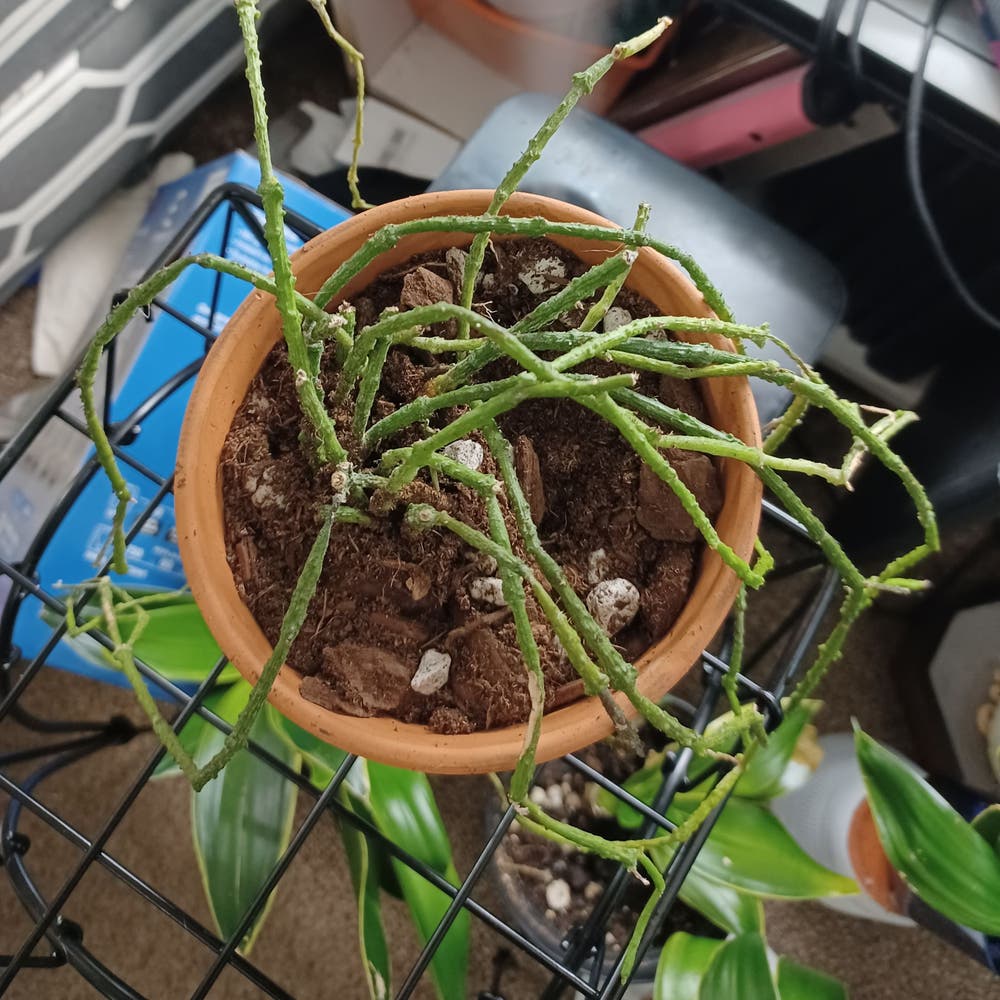
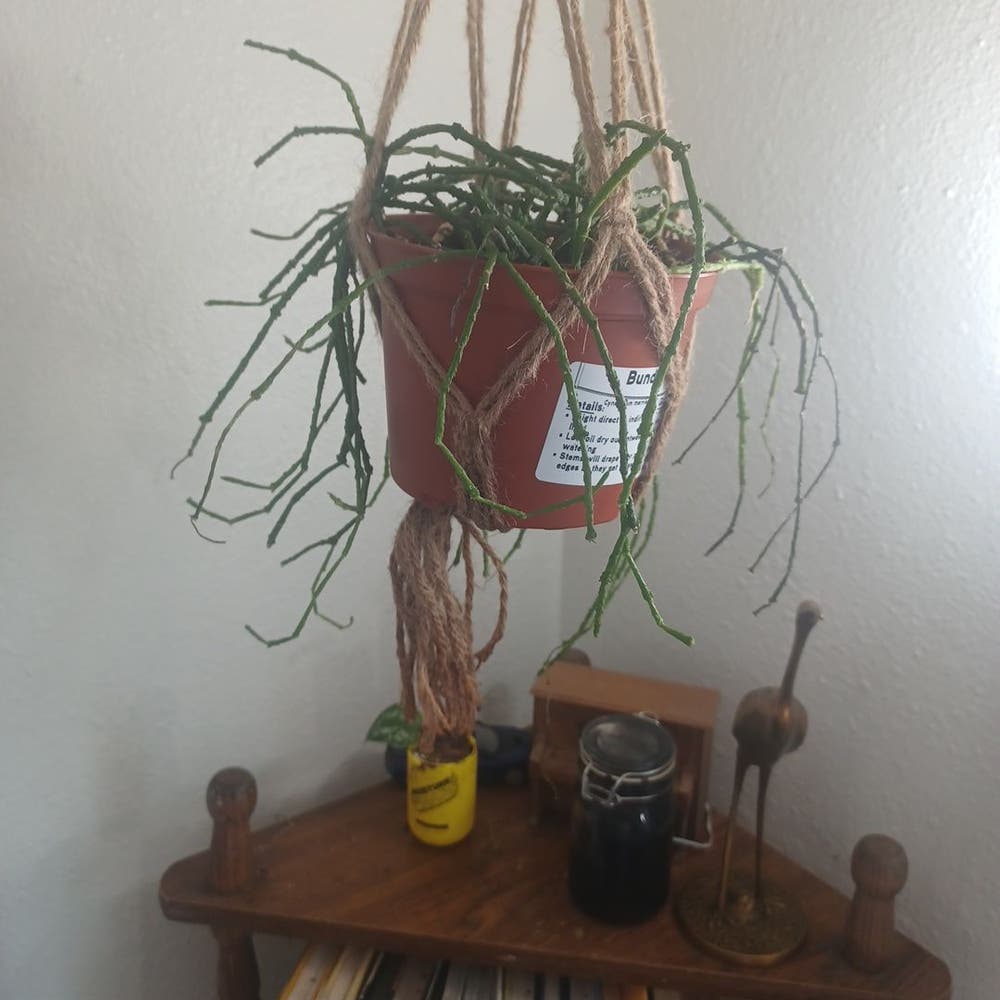
Unique Aesthetic: Its cascading growth habit adds a striking visual element, creating a beautiful focal point in any landscape.
Low Maintenance: Ideal for busy gardeners, Euphorbia pendula requires little care, allowing you to enjoy your garden without constant upkeep.
Attracts Pollinators: The flowers of Euphorbia pendula can draw in beneficial insects, enhancing the biodiversity of your garden.
Symbolism: This plant represents resilience and adaptability, making it a meaningful addition to your garden space.
Incorporating Euphorbia pendula not only beautifies your garden but also supports a sustainable and vibrant ecosystem. Its benefits extend beyond aesthetics, making it a wise choice for both novice and experienced gardeners alike.
Companion Plants
Concept of Companion Planting 🌱
Companion planting is a gardening strategy that enhances diversity and promotes healthier plant growth. By pairing compatible plants, you can improve pest management and create a more vibrant garden ecosystem.
Best Companion Plants 🌼
When growing Euphorbia pendula, consider these excellent companions:
- Succulents: They share similar care needs and thrive in dry conditions, making them perfect partners.
- Herbs: Plants like rosemary and thyme not only complement the aesthetic but also deter pests, keeping your garden healthy.
Plants to Avoid 🚫
Be cautious with heavy feeders. These plants require high moisture and nutrients, which can compete with Euphorbia pendula for resources, leading to poor growth and health.
By selecting the right companions, you can create a thriving garden that benefits all its inhabitants. Next, let's explore the toxicity of Euphorbia pendula to humans and pets.
Toxicity to Humans
Toxic Parts 🧪
Euphorbia pendula is not just a pretty face; all parts of this plant are toxic, with the sap being particularly dangerous. It's crucial to handle it with care to avoid any adverse effects.
Symptoms of Toxicity 🤢
If exposure occurs, be on the lookout for symptoms such as nausea, vomiting, diarrhea, and abdominal pain. These signs can vary in severity, so it's essential to take them seriously.
Exposure Methods 🚫
Toxicity can result from several exposure methods, including ingestion, skin contact with the sap, or inhalation of smoke from burning the plant. Always exercise caution when handling or being near Euphorbia pendula.
When to Seek Medical Care 🚑
If you experience any symptoms after exposure or ingestion, seek immediate medical care. It's better to be safe and get checked out than to risk worsening your condition.
Understanding the toxicity of Euphorbia pendula is vital for ensuring safety, especially in households with children or pets. Next, let’s explore how this plant can affect our furry friends.
Toxicity to Dogs
Toxic Parts 🐶
All parts of Euphorbia pendula are toxic to dogs, with the sap being particularly harmful. This means that even a small nibble can lead to serious health issues.
Symptoms of Poisoning 🤢
If your dog has ingested any part of this plant, watch for common symptoms such as drooling, vomiting, diarrhea, and weakness. These signs can manifest quickly, so it's crucial to stay alert.
Prevention Measures 🚫
To keep your furry friends safe, supervise their outdoor time and consider removing Euphorbia pendula from accessible areas. Creating a pet-friendly garden ensures that your dog can enjoy the outdoors without the risk of poisoning.
By being proactive, you can enjoy the beauty of Euphorbia pendula while keeping your pets safe. Next, let’s explore how this plant can impact your garden's ecosystem.
Toxicity to Cats
Toxic Parts 🐱
All parts of Euphorbia pendula are toxic to cats, with the sap being particularly harmful. This means that even a small nibble can lead to serious health issues.
Symptoms of Poisoning 🤢
If a cat ingests any part of this plant, you may notice symptoms such as drooling, vomiting, diarrhea, and weakness. These signs can vary in severity, so it's essential to monitor your pet closely.
Prevention Measures 🚫
To keep your feline friend safe, it's best to keep cats indoors and supervise their outdoor time. Additionally, consider removing Euphorbia pendula from areas where your cat has access to prevent any accidental ingestion.
By taking these precautions, you can enjoy your garden while ensuring your cat stays healthy and safe.
Problems
Common Problems 🌱
Euphorbia pendula can face several challenges that affect its health and growth. Here are the most common problems to watch out for:
Incorrect Watering: Overwatering or underwatering can lead to yellowing leaves or wilting. Ensure the soil dries out between waterings to maintain optimal moisture levels.
Incorrect Light Conditions: Insufficient light can cause leggy growth, where the plant stretches towards the light source. Aim for full sun exposure to keep your Euphorbia robust and healthy.
Incorrect Temperature: Cold stress can lead to leaf drop, especially if temperatures dip below its preferred range. Protect your plant from extreme cold to maintain its vitality.
Diseases: Fungal issues like powdery mildew and root rot can plague Euphorbia pendula. Regularly inspect your plant for signs of disease and take action promptly.
Leaf Issues: Environmental stress can cause scorching or yellowing of leaves. Monitor your plant's conditions to prevent these issues from arising.
Identifying Symptoms and Solutions 🔍
Recognizing symptoms early can save your Euphorbia pendula from serious damage. Here’s how to identify and address each problem:
Incorrect Watering: Look for yellowing leaves or wilting. Adjust your watering schedule to allow the soil to dry out between sessions.
Incorrect Light Conditions: If your plant appears leggy, it’s not getting enough light. Move it to a sunnier spot to encourage healthy growth.
Incorrect Temperature: Watch for leaf drop as a sign of cold stress. Keep your plant in a warmer environment to prevent this issue.
Diseases: Check for powdery mildew or mushy roots. Treat fungal infections with appropriate fungicides and improve air circulation around the plant.
Leaf Issues: Scorched or yellowing leaves indicate environmental stress. Assess light, water, and temperature conditions to restore balance.
By staying vigilant and addressing these common problems, you can ensure your Euphorbia pendula thrives. Next, let’s explore potential pest issues that may affect your plant.
Bugs
🐜 Potential Pest Issues
Euphorbia pendula is generally pest-resistant, making it a resilient choice for gardeners. However, it can still fall prey to a few common pests.
🔍 Identification of Pests
Keep an eye out for spider mites, mealybugs, and aphids. These pests can quickly become a nuisance if not addressed promptly.
⚠️ Damage Caused by Pests
Signs of pest damage include wilting, discoloration, and leaf drop. If you notice these symptoms, it’s time to investigate further.
🧴 Treatment Options
To combat pests effectively, consider using insecticidal soap or neem oil. Manual removal of pests can also be effective, especially for smaller infestations.
By staying vigilant and addressing pest issues early, you can keep your Euphorbia pendula thriving. Next, let’s explore what animals might be interested in munching on your plant.
What Eats
Common Animals 🦌
Euphorbia pendula can attract a variety of hungry critters. Common visitors include deer, rabbits, squirrels, and rodents, all of which may find the plant's foliage appealing.
Signs of Animal Presence 🐾
Identifying animal activity is crucial for protecting your plants. Look for signs such as chewed leaves, droppings scattered around, and tracks in the soil.
Damage Description 🥴
The damage caused by these animals can be quite noticeable. They often browse on the stems and leaves, leading to unsightly nibbled edges and stunted growth.
Deterrent Methods 🚫
To keep these pests at bay, consider implementing a few control methods. Effective strategies include installing fencing, using repellents, and employing companion planting techniques to create a less inviting environment for these animals.
By taking these steps, you can help safeguard your Euphorbia pendula and ensure it thrives in your garden. Next, let’s explore the potential pest issues that can affect this resilient plant.
⚠️ Safety First
This content is for general information and may contain errors, omissions, or outdated details. It is not medical, veterinary advice, or an endorsement of therapeutic claims.
Always consult a qualified healthcare professional before using any plant as food, medicine, or supplement.
Never eat any plant (or feed one to pets) without confirming its identity with at least two trusted sources.
If you suspect poisoning, call Poison Control (800) 222-1222, the Pet Poison Helpline (800) 213-6680, or your local emergency service immediately.
Spotted an error? Please report it here.
Euphorbia pendula is a sun-loving superstar ☀️ that thrives with the right care, and Greg can help you succeed by sending tailored reminders and tips to keep your plant healthy and your pets safe!