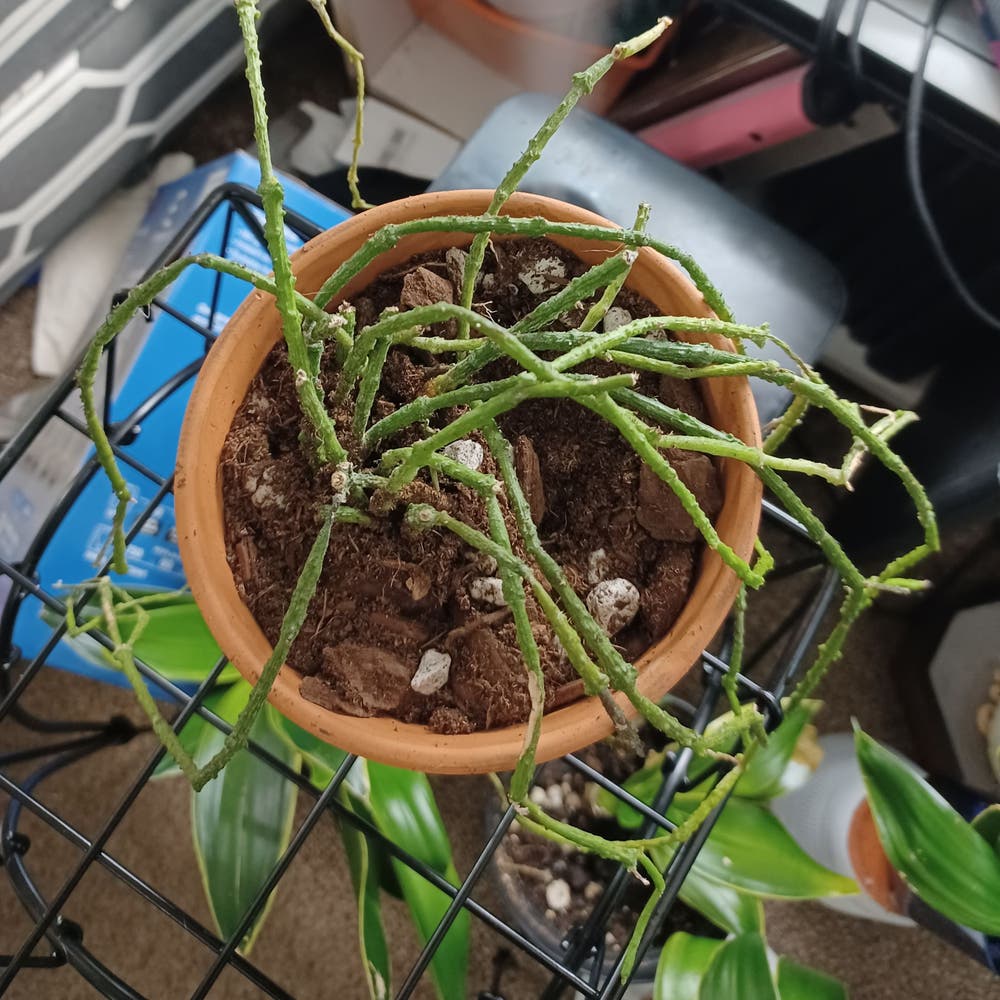
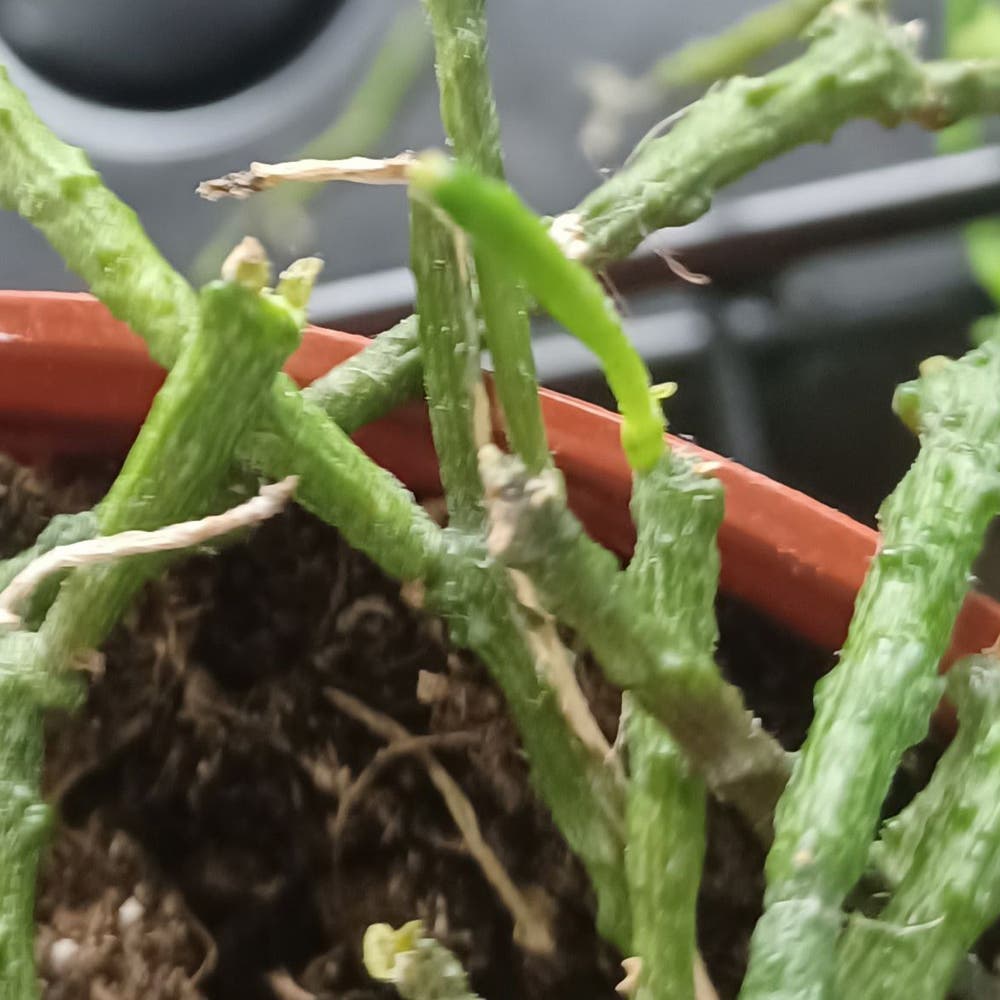
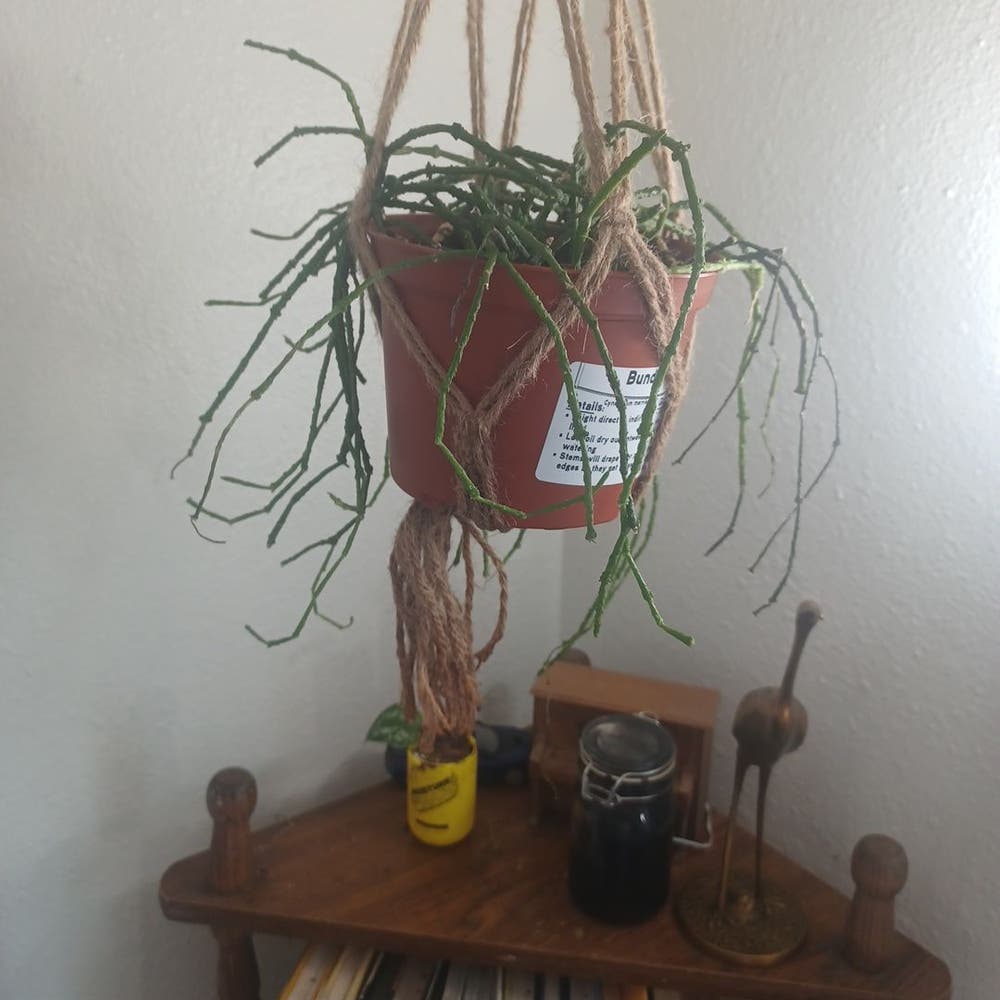
⚠️ Everything You Need to Know About Caustic Bush
Cynanchum viminale
By the Greg Editorial Team
Jan 23, 2025•12 min read
This article was created with the help of AI so we can cover more plants for you. May contain errors. See one? Report it here.
Cultivate a thriving garden with the resilient Caustic Bush, perfect for tough conditions! 🌿
- 🌞 Caustic Bush thrives in full sun and well-draining soil for optimal growth.
- 🚫🐾 It's toxic to humans and pets, causing nausea and vomiting if ingested.
- 💧 Regular watering is key, but let soil dry out to prevent root rot.
How to Grow
Choosing a Location 🌞
To thrive, Caustic Bush needs full sun exposure and well-draining soil. Whether you’re planting outdoors or in containers, ensure the location receives ample sunlight throughout the day.
Soil Preparation 🏜️
Opt for sandy or loamy soil that promotes good drainage. Aim for a pH level between 6.0 and 7.0, which is slightly acidic to neutral, to create the best environment for growth.
Planting Techniques 🌱
The ideal time to plant is in spring, right after the last frost. For seeds, plant them 1-2 inches deep; when transplanting seedlings, maintain the same depth as they were in their original containers.
Watering Requirements 🚰
Water your Caustic Bush regularly, but allow the soil to dry out between waterings. Watch for signs of overwatering, like wilting leaves, or underwatering, which can cause leaf droop.
Fertilizing Schedule 🍽️
During the growing season, use a balanced fertilizer to nourish your plant. Fertilize every 4-6 weeks to keep it healthy and thriving.
Pruning Methods ✂️
Prune your Caustic Bush in late winter or early spring before new growth begins. Focus on removing dead or damaged branches to encourage robust, healthy growth.
Ongoing Care 🛡️
Keep an eye out for pests and diseases that may affect your plant. Adjust your care routine based on seasonal changes to ensure your Caustic Bush remains healthy year-round.
With these tips, you’ll be well on your way to cultivating a flourishing Caustic Bush. Next, let’s explore how to propagate this resilient plant effectively.
Propagation
🌱 Seed Propagation
To propagate Caustic Bush from seeds, start by soaking the seeds for 24 hours. This simple step helps kickstart the germination process.
Next, plant the soaked seeds in well-draining soil, ensuring they are covered lightly. Keep the soil consistently moist, and in about 2-4 weeks, you should see the first signs of life.
✂️ Cutting Propagation
For those who prefer cutting propagation, select healthy cuttings that are 4-6 inches long. This method is efficient and can yield great results.
Use a rooting medium that combines perlite and peat moss for optimal growth. With the right conditions, expect roots to develop in about 3-6 weeks, giving you new plants to nurture.
This propagation knowledge not only enhances your gardening skills but also ensures a thriving Caustic Bush collection. Ready to dive deeper into the lifecycle of this fascinating plant?
Lifecycle
Lifecycle Stages 🌱
Caustic Bush is typically a perennial plant, meaning it can live for several years. This longevity allows it to thrive in various environments, making it a resilient choice for gardeners.
Germination Process 🌡️
For successful germination, maintain an optimal temperature of around 70°F (21°C). This warmth helps seeds break dormancy and sprout effectively.
Seedling Stage 🌿
Once germinated, the seedling stage lasts about 4-6 weeks. During this time, the plant develops its first true leaves, marking a crucial growth milestone.
Vegetative Growth 🌳
The vegetative growth phase is moderate in pace, usually taking several months to establish. This period is vital for building a strong foundation for future flowering and seed production.
Flowering and Seed Production 🌼
Expect flowering to occur from late summer to early fall. Shortly after flowering, the plant begins producing seeds, ensuring the continuation of its lifecycle.
Growth Timeline and Lifespan ⏳
Caustic Bush reaches full maturity in 1-2 years. Under optimal conditions, it can live up to 5 years, providing beauty and benefits to your garden for many seasons.
This lifecycle overview highlights the resilience and adaptability of Caustic Bush, making it a fascinating addition to any garden. Next, we’ll explore how to maximize its growth potential through proper care and maintenance.
Size
Mature Height and Spread 🌳
Caustic Bush typically reaches an average height of 3 to 6 feet. Its spread can range from 2 to 4 feet, depending on the growing conditions.
Growth Rate and Size Variability 📈
This plant has a moderate growth rate, which can be influenced by factors like soil quality and water availability. Size variability is common, as environmental factors can lead to differences in growth patterns.
Impact of Growing Conditions on Size ☀️
Sunlight, water, and soil quality play crucial roles in determining the overall size of the Caustic Bush. Optimal conditions will encourage robust growth, while subpar environments may stunt its development.
Understanding these size characteristics can help you better plan your garden layout and care for your Caustic Bush. Next, we’ll delve into the root system of this fascinating plant.
Roots
🌱 Root System Characteristics
Caustic Bush features a fibrous root system that plays a crucial role in its stability and nutrient absorption. This type of root structure allows the plant to effectively anchor itself while accessing water and nutrients from the soil.
📏 Root Depth and Spread
Typically, the roots of Caustic Bush extend to a depth of 12-18 inches. Interestingly, they can spread wider than the plant's canopy, which helps in maximizing resource uptake.
⚠️ Common Root-Related Issues
One of the most common problems Caustic Bush faces is root rot, often caused by overwatering. Signs of this issue include wilting and yellowing leaves, indicating that the roots are struggling.
Identifying healthy roots is essential for plant care. Healthy roots are firm and white, while unhealthy roots appear dark and mushy, signaling potential problems.
🔄 Recognizing and Addressing Rootbound Conditions
If you notice roots growing out of the drainage holes of your pot, your Caustic Bush may be rootbound. This condition can stunt growth and lead to other issues.
To remedy rootbound conditions, consider repotting the plant into a larger container or amending the soil to provide more space for growth. This simple step can rejuvenate your plant and promote healthier development.
As you care for your Caustic Bush, keep an eye on its roots. Healthy roots are the foundation of a thriving plant, setting the stage for vibrant growth and resilience.
Benefits
Top 5 Benefits 🌟
1. Drought Resistance
Caustic Bush is a champion in low-water conditions. Its ability to thrive with minimal irrigation makes it a perfect choice for arid landscapes.
2. Unique Aesthetic
This plant adds a striking visual element to any garden. Its distinctive appearance can enhance the overall design and appeal of outdoor spaces.
3. Soil Stabilization
Caustic Bush plays a vital role in preventing soil erosion. Its robust root system helps maintain soil integrity, especially in dry areas.
4. Cultural Significance
Historically, Caustic Bush has been used in traditional medicine and folklore. This cultural connection adds depth to its presence in gardens.
5. Biodiversity
By attracting pollinators and beneficial insects, Caustic Bush supports local ecosystems. This plant contributes to a healthier garden environment.
These benefits make Caustic Bush not just a plant, but a valuable addition to any garden. Its resilience and beauty can inspire gardeners to create sustainable and vibrant outdoor spaces.
As we explore the next section, we'll delve into the fascinating world of companion planting and how Caustic Bush can enhance your garden's diversity.
Companion Plants
🌱 Concept of Companion Planting
Companion planting is a gardening strategy that enhances biodiversity and promotes pest management. By pairing compatible plants, you can create a thriving ecosystem that benefits all species involved.
🌼 Best Companion Plants
When growing Caustic Bush, consider companions that thrive in similar conditions. Succulents and desert wildflowers are excellent choices, as they share the same low-water requirements.
Additionally, pest-repellent plants like marigolds and lavender can help keep harmful insects at bay. These vibrant flowers not only add beauty but also serve a practical purpose in your garden.
🚫 Plants to Avoid
It's essential to avoid plants that require high moisture or shade, as they can compete with Caustic Bush for resources. Incompatible plants may hinder its growth and overall health, so choose wisely to ensure a harmonious garden environment.
By selecting the right companions, you can enhance the resilience and beauty of your Caustic Bush garden. Next, let’s explore the toxicity of this plant to humans, dogs, and cats, ensuring you’re well-informed about its potential risks.
Toxicity to Humans
Toxic Parts 🧪
Caustic Bush is not just a pretty plant; its leaves and sap are particularly toxic. Handling it with care is essential to avoid any adverse effects.
Symptoms of Poisoning 🤢
If exposure occurs, be on the lookout for symptoms like nausea, vomiting, diarrhea, and dizziness. These signs can escalate quickly, so awareness is key.
How Poisoning Can Occur 🚨
Poisoning can happen in several ways. The most common routes include ingestion, skin contact with the sap, or even inhalation of smoke from burning the plant.
When to Seek Medical Care 🏥
If you experience symptoms after exposure, seek medical care immediately. Prompt attention can make all the difference in managing toxicity effectively.
Toxicity to Dogs
Toxic Parts 🐾
Caustic Bush poses a risk to dogs, particularly through its leaves and sap. These parts contain compounds that can lead to serious health issues if ingested.
Symptoms of Poisoning 🤢
If a dog comes into contact with or consumes Caustic Bush, watch for symptoms like drooling, vomiting, and weakness. These signs indicate that your furry friend may need immediate attention.
Prevention Measures 🛡️
To keep your dog safe, supervise their outdoor time and ensure they don't have access to Caustic Bush. Consider removing the plant from areas where your pet roams freely to prevent any accidental exposure.
By taking these precautions, you can enjoy your garden while keeping your canine companion safe and sound.
Toxicity to Cats
Toxic Parts 🐾
Caustic Bush poses a risk to our feline friends, particularly through its leaves and sap. These parts contain compounds that can be harmful if ingested or if they come into contact with a cat's skin.
Symptoms of Poisoning 🤢
If a cat has been exposed to Caustic Bush, watch for symptoms like vomiting, diarrhea, and weakness. These signs indicate that your cat may need immediate attention.
Prevention Measures 🛡️
To keep your cats safe, consider these tips: keep them indoors as much as possible, supervise their outdoor time, and remove any Caustic Bush plants from your garden. Taking these precautions can help prevent accidental exposure and ensure your furry companions stay healthy.
As you enjoy your gardening, remember to keep an eye out for your pets. Their safety is just as important as nurturing your plants!
Problems
Common Problems 🌱
Caustic Bush can face several challenges that affect its health and growth.
- Incorrect Watering: Overwatering can lead to root rot, while underwatering may cause wilting.
- Incorrect Light Conditions: Insufficient light can result in weak, leggy growth.
- Diseases: Fungal issues like powdery mildew and root rot can plague the plant.
- Leaf Issues: Scorching and yellowing leaves often indicate stress.
- Growth Problems: Leaning or spindly growth suggests the plant is struggling.
Identifying Symptoms and Causes 🔍
Recognizing the symptoms is key to addressing these problems effectively.
- Overwatering: Look for yellowing leaves and wilting despite wet soil.
- Underwatering: Signs include dry, crispy leaves and drooping stems.
- Insufficient Light: If the plant is stretching towards the light, it’s not getting enough.
- Fungal Diseases: White powdery spots or mushy roots are red flags.
- Leaf Scorching: Brown edges or spots indicate too much sun exposure.
Solutions for Common Issues 🛠️
Resolving these issues can help revive your Caustic Bush.
- Adjust Watering: Ensure the soil dries out between waterings.
- Optimize Light: Move the plant to a brighter location or provide supplemental lighting.
- Treat Diseases: Use fungicides for fungal infections and improve air circulation.
- Address Leaf Issues: Trim damaged leaves and adjust watering practices.
- Support Growth: Stake leaning plants and ensure they receive adequate nutrients.
By staying vigilant and proactive, you can keep your Caustic Bush thriving. Next, let’s explore the potential pest issues that may arise.
Bugs
🐞 Potential Pest Issues
Caustic Bush can face various pest challenges, impacting its health and growth. Understanding its resistance and susceptibility to pests is crucial for effective management.
🔍 Identification of Pests
Common pests that may invade Caustic Bush include:
- Spider Mites: Tiny, often invisible, these pests create fine webs and cause leaf discoloration.
- Aphids: Small, soft-bodied insects that cluster on new growth, sucking sap and leading to stunted growth.
- Mealybugs: White, cottony masses that can be found in leaf axils, they also feed on sap and can cause significant damage.
⚠️ Damage Caused by Pests
Infestations can manifest in several ways:
- Yellowing Leaves: A sign of sap loss due to pests like aphids.
- Webbing: Indicates spider mite presence, often accompanied by leaf drop.
- Stunted Growth: Resulting from sap-sucking pests, leading to a weakened plant.
🛠️ Treatment Options
Addressing pest issues effectively involves a mix of strategies:
- Organic Treatments: Neem oil and insecticidal soap can help control infestations without harming beneficial insects.
- Chemical Treatments: For severe infestations, consider using targeted pesticides, but always follow label instructions.
- Preventive Measures: Regularly inspect your plants and maintain healthy growing conditions to deter pests.
By staying vigilant and proactive, you can keep your Caustic Bush thriving and pest-free. Next, let’s explore what animals might be interested in munching on this resilient plant.
What Eats Caustic Bush
🦌 Common Animals
Caustic Bush can attract a variety of hungry critters. Common visitors include deer, rabbits, squirrels, and rodents, all of which may find the plant's foliage appealing.
🕵️♂️ Signs of Animal Presence
To identify if animals are munching on your Caustic Bush, look for clear indicators of damage. Chewed leaves and tracks around the base of the plant are telltale signs that wildlife has been feasting.
⚠️ Damage Caused by Animals
The type of damage caused by these animals typically involves browsing on the foliage. This can lead to stunted growth and an overall unhealthy appearance of the plant.
🚧 Deterrent Methods
To protect your Caustic Bush from these hungry visitors, consider implementing a few control methods. Fencing around the plant can be effective, while repellents and companion planting with less palatable species can also help deter unwanted munchers.
By taking these steps, you can safeguard your Caustic Bush and ensure it thrives in your garden. Next, let’s explore the potential pest issues that can also affect this resilient plant.
⚠️ Safety First
This content is for general information and may contain errors, omissions, or outdated details. It is not medical, veterinary advice, or an endorsement of therapeutic claims.
Always consult a qualified healthcare professional before using any plant as food, medicine, or supplement.
Never eat any plant (or feed one to pets) without confirming its identity with at least two trusted sources.
If you suspect poisoning, call Poison Control (800) 222-1222, the Pet Poison Helpline (800) 213-6680, or your local emergency service immediately.
Spotted an error? Please report it here.
Grow your Caustic Bush like a pro 🌱 with Greg's tailored watering alerts and expert tips to ensure it thrives in your garden!