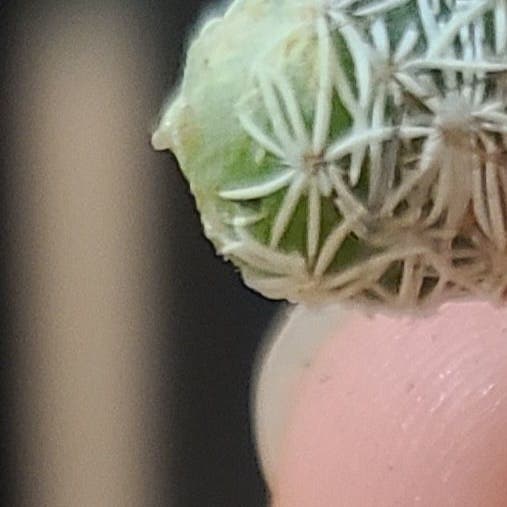
What You Should Know About Pale-Spined Beehive Cactus 🌵
Coryphantha retusa var. pallidispina
By the Greg Editorial Team
Feb 18, 2025•12 min read
This article was created with the help of AI so we can cover more plants for you. May contain errors. See one? Report it here.
- 🌞 Pale-Spined Beehive Cactus needs 6-8 hours of sunlight for optimal growth.
- 💧 Water only when soil is dry to prevent root rot and ensure health.
- 🌱 Space cacti 12-18 inches apart for proper growth and airflow.
How to Grow
🌞 Choosing a Location
To thrive, the Pale-Spined Beehive Cactus needs full sun exposure, ideally basking in 6-8 hours of sunlight daily. Whether you choose to grow it outdoors or in a container, ensure it receives ample light to promote healthy growth.
🌱 Soil Preparation
For optimal growth, use a well-draining cactus mix or sandy loam. Aim for a soil pH between slightly acidic and neutral, ideally around 6.0 to 7.0, to create the perfect environment for your cactus.
🌵 Planting Techniques
When planting, ensure the top of the root ball is level with the soil surface. For outdoor planting, space your cacti 12-18 inches apart to allow for their natural spread.
💧 Watering Guidelines
Water your cactus only when the soil has completely dried out. During the active growth season in spring and summer, you may need to water more frequently, but always check the soil moisture first.
🌿 Fertilizing Recommendations
During the growing season, use a diluted cactus fertilizer monthly to support growth. Opt for a balanced NPK fertilizer, like 10-10-10, or a specialized cactus fertilizer for best results.
✂️ Pruning Methods
Prune your cactus by removing any dead or damaged spines and stems. Use clean, sharp pruning shears to prevent any potential infections.
🔍 Ongoing Care
Regularly monitor your cactus for pests and diseases to catch any issues early. In colder months, adjust your care routine to protect your cactus from frost, ensuring it remains healthy year-round.
With these guidelines, you’re well on your way to cultivating a thriving Pale-Spined Beehive Cactus. Next, let’s explore how to propagate this resilient plant for even more growth opportunities.
Propagation
🌱 Methods of Propagation
Propagation of the Pale-Spined Beehive Cactus can be achieved through two primary methods: seeds and offsets. Each method has its own unique process, allowing you to expand your cactus collection effectively.
🌾 Seed Propagation
Prepare the Soil: Start with a well-draining cactus mix. Sow the seeds at the surface level, ensuring they have enough space to grow.
Maintain Humidity: Keep the soil moist but not soggy. Cover the container with plastic to retain humidity until germination occurs, which typically takes 2-3 weeks.
🌵 Offset Propagation
Identify Offsets: Look for healthy offsets on the parent plant. Use a clean knife to cut them away gently.
Allow to Callous: Let the cut end of the offset dry and callous for 1-2 days. This step is crucial to prevent rot when you plant them.
By mastering these propagation techniques, you can easily cultivate new plants and share the beauty of the Pale-Spined Beehive Cactus with others. Next, let’s explore the lifecycle of this fascinating cactus, from germination to maturity.
Lifecycle
🌱 Lifecycle Stages
The lifecycle of the Pale-Spined Beehive Cactus begins with germination, which takes about 2-3 weeks for seeds. Following this, the seedling stage lasts for the first few months, where the plant establishes itself.
During the vegetative growth phase in spring and summer, the cactus experiences rapid growth. Flowering typically occurs in late spring to early summer, leading to the exciting stage of seed production, where seeds can be collected after the flowers fade.
⏳ Lifespan and Growth Timeline
Under optimal conditions, the average lifespan of the Pale-Spined Beehive Cactus ranges from 20 to 30 years. It takes about 3-5 years for the cactus to reach its full size, showcasing its resilience and adaptability.
The growth rate is moderate and can vary depending on environmental factors such as light, water, and soil quality. Understanding these stages and timelines can help you provide the best care for your cactus, ensuring it thrives for years to come.
As we delve deeper into the specifics of this fascinating plant, let's explore its size and growth characteristics next.
Size
🌱 Mature Height and Spread
The Pale-Spined Beehive Cactus can reach a mature height of 12 to 24 inches, making it a striking addition to any garden. Its spread typically ranges from 12 to 18 inches, allowing it to fit comfortably in various spaces.
📏 Growth Rate and Size Variability
Several factors influence the size of your cactus, including light, water, and soil quality. Depending on these conditions, you may notice variability in growth, with some plants thriving more than others.
Understanding these elements can help you create the ideal environment for your cactus to flourish. By optimizing light exposure and watering practices, you can encourage robust growth and vibrant health in your Pale-Spined Beehive Cactus.
As you consider the size of your cactus, remember that its growth potential is directly linked to the care you provide. This knowledge will serve you well as you transition to the next section on roots, where we’ll explore the foundation of your cactus's health.
Roots
Characteristics of the Root System 🌱
The pale-spined beehive cactus features a fibrous root system complemented by a taproot. This structure allows the plant to access water deep in the soil, extending several feet down.
Common Root-Related Issues 🚫
Root rot is a common problem caused by overwatering, leading to mushy roots that can threaten the plant's health. Additionally, being rootbound can stunt growth, with signs including circling roots that indicate the plant needs more space.
Visual Cues for Healthy vs. Unhealthy Roots 👀
Healthy roots are firm and exhibit a white or light tan color, indicating vitality. In contrast, unhealthy roots appear dark, mushy, or may even emit a foul smell, signaling trouble.
Tips for Managing Root Problems 🛠️
Repotting is essential when the cactus outgrows its container or shows signs of distress. To do this safely, gently remove the plant, trim any damaged roots, and place it in fresh, well-draining soil.
Preventing root rot is crucial; ensure proper drainage by using pots with holes and allowing the soil to dry out between waterings. These practices will help maintain a healthy root system and promote robust growth.
As we explore the next section, let's dive into the benefits of growing the pale-spined beehive cactus and how it can enhance your garden.
Benefits
🌟 Top 5 Benefits
1. Drought Resistance
The pale-spined beehive cactus thrives in arid climates, requiring minimal water. This makes it an excellent choice for gardeners looking to conserve resources while still enjoying vibrant greenery.
2. Unique Aesthetic
With its distinctive shape and striking appearance, this cactus adds visual interest to any garden. Its unique form can serve as a focal point, enhancing the overall landscape design.
3. Low Maintenance
Once established, the pale-spined beehive cactus demands very little care. This low-maintenance characteristic appeals to busy gardeners or those new to plant care.
4. Wildlife Attraction
This cactus provides a habitat for various pollinators and wildlife. By planting it, you can support local ecosystems and enjoy the beauty of nature in your garden.
5. Cultural Significance
The pale-spined beehive cactus symbolizes resilience and endurance in harsh environments. Its presence can inspire a sense of strength and adaptability, making it more than just a plant in your garden.
These benefits make the pale-spined beehive cactus a fantastic addition to any garden. Its combination of beauty, practicality, and ecological value is hard to beat.
Next, let’s explore the concept of companion planting and how it can enhance your gardening experience.
Companion Plants
🌱 Concept of Companion Planting
Companion planting is all about creating a harmonious garden ecosystem. By pairing plants with complementary needs, you can enhance garden diversity and improve pest management.
🌵 Best Companion Plants
When it comes to the Pale-Spined Beehive Cactus, consider other drought-tolerant cacti and succulents as ideal companions. These plants share similar care requirements, making it easier to maintain a thriving garden.
- Cacti: They thrive in similar light and water conditions.
- Succulents: Their low moisture needs align perfectly with the beehive cactus.
These companions not only look great together but also help deter pests, creating a balanced environment.
🚫 Plants to Avoid
While some plants thrive alongside the Pale-Spined Beehive Cactus, others can create problems. Avoid planting species that require high moisture or shade, as they can compete for resources and lead to unhealthy growth.
By selecting the right companions, you can cultivate a vibrant, resilient garden that showcases the beauty of your Pale-Spined Beehive Cactus. This thoughtful approach to planting not only enhances aesthetics but also supports the overall health of your garden.
Next, let’s explore the potential toxicity of the Pale-Spined Beehive Cactus to humans, dogs, and cats.
Toxicity to Humans
Safety for Humans 🛡️
The pale-spined beehive cactus is generally safe for humans, as it is not listed as toxic by major poison control centers. However, it's wise to be cautious; the spines can cause mild skin irritation, and consuming the cactus in large quantities may lead to minor digestive discomfort.
Cautionary Measures ⚠️
While the risks are minimal, it's always best to exercise caution with any plant. If you experience unusual symptoms after contact or consumption, seeking medical advice is a smart move.
This cactus can be a delightful addition to your garden, but understanding its safety profile ensures you enjoy it without worry. Now that you know about its toxicity to humans, let’s explore how it interacts with our furry friends.
Toxicity to Dogs
🐶 Safety for Dogs
The Pale-Spined Beehive Cactus is not considered toxic by major pet poison control centers. This means your furry friends can safely coexist with this unique plant.
However, it's important to note that excessive consumption may lead to mild gastrointestinal upset. While it's unlikely your dog will munch on your cactus, it's always wise to keep an eye on their behavior around plants.
🏡 Tips for Introducing to Homes with Dogs
When bringing a Pale-Spined Beehive Cactus into your home, consider its placement carefully. Position it out of reach of curious noses and paws to prevent any accidental nibbling.
Monitoring your dog's interactions with the cactus is also crucial. If you notice any unusual behavior or signs of discomfort, consult your veterinarian for advice.
By taking these simple precautions, you can enjoy the beauty of your cactus while ensuring your dog's safety.
Toxicity to Cats
🐱 Safety for Cats
The Pale-Spined Beehive Cactus is not considered toxic by major pet poison control centers. This means your feline friends can safely coexist with this unique plant.
⚠️ Potential Minor Issues
However, it's worth noting that excessive consumption might lead to mild gastrointestinal upset. While this is rare, it's always good to keep an eye on your cat's behavior around new plants.
🏡 Tips for Introducing to Homes with Cats
When bringing a Pale-Spined Beehive Cactus into your home, consider its placement carefully. Position it in an area that's out of reach of curious paws, and monitor your cat's interactions with it to ensure a harmonious environment.
As you enjoy the beauty of this cactus, rest assured that your furry companions can share your space without significant risk.
Problems
🌵 Common Problems with Pale-Spined Beehive Cactus
Growing a Pale-Spined Beehive Cactus can be rewarding, but it's essential to be aware of common problems that may arise. Let's dive into the key issues you might encounter.
💧 Incorrect Watering
Watering is crucial for cactus health. Overwatering can lead to yellowing and mushy stems, while underwatering results in wrinkled and shriveled plants.
☀️ Incorrect Light Conditions
Light is another critical factor. Too much sunlight can scorch the cactus, causing discoloration, while too little light can stunt growth and lead to leggy appearances.
🦠 Diseases
Fungal diseases can also pose a threat. Watch for signs of powdery mildew or root rot, which can quickly compromise your cactus's health if not addressed promptly.
📉 Growth Problems
Lastly, growth issues can signal underlying problems. If your cactus is leggy or fails to flower, it may be a sign of inadequate care or environmental stress.
By keeping an eye on these common problems, you can ensure your Pale-Spined Beehive Cactus thrives. Next, let’s explore potential pest issues that could affect your cactus.
Bugs
🐜 Potential Pest Issues
Pale-Spined Beehive Cactus can face a variety of pest challenges. While these cacti are generally resilient, they can still be susceptible to certain pests that may affect their health.
🔍 Identification and Damage
Spider Mites
Look for fine webbing and stippled leaves, which indicate a spider mite infestation. These tiny pests thrive in dry conditions and can quickly damage your cactus if not addressed.
Scale Insects
These pests appear as hard, shell-like bumps on the stems. They suck the sap from the plant, leading to weakened growth and potential die-off if left untreated.
Mealybugs
Identified by their cotton-like masses on plant surfaces, mealybugs can cause significant harm. They also feed on the sap, leading to yellowing and stunted growth.
🛠️ Treatment Options
For effective pest management, consider both organic and chemical control methods.
Spider Mites: Use insecticidal soap or neem oil to treat infestations. Regularly misting the plant can also help deter these pests.
Scale Insects: Manually remove them with a cotton swab dipped in alcohol. For severe cases, systemic insecticides may be necessary.
Mealybugs: Similar to scale, you can wipe them off with alcohol. Insecticidal soap is also effective for larger infestations.
By staying vigilant and addressing pest issues promptly, you can keep your Pale-Spined Beehive Cactus thriving. Next, let’s explore common problems that may arise in your cactus care journey.
What Eats
Common Animals 🦌
Pale-spined beehive cacti can attract a variety of wildlife. Common visitors include deer, rabbits, squirrels, birds, rodents, and groundhogs, all of which may find these cacti appealing.
Signs of Damage 🐾
To protect your cactus, it's crucial to recognize signs of animal activity. Look for tracks, droppings, and bite marks, which can indicate that your plant has been nibbled on.
Deterrent Methods 🚫
Preventing damage from these hungry critters can be achieved through several methods. Consider using chemical repellents, organic deterrents, fencing, or other barriers to keep your cactus safe from unwanted munchers.
By being proactive, you can enjoy the beauty of your pale-spined beehive cactus without the worry of it becoming a snack for local wildlife.
⚠️ Safety First
This content is for general information and may contain errors, omissions, or outdated details. It is not medical, veterinary advice, or an endorsement of therapeutic claims.
Always consult a qualified healthcare professional before using any plant as food, medicine, or supplement.
Never eat any plant (or feed one to pets) without confirming its identity with at least two trusted sources.
If you suspect poisoning, call Poison Control (800) 222-1222, the Pet Poison Helpline (800) 213-6680, or your local emergency service immediately.
Spotted an error? Please report it here.
Cultivate a thriving Pale-Spined Beehive Cactus 🌵 with Greg's tailored care reminders and expert tips that keep your garden resilient and beautiful!