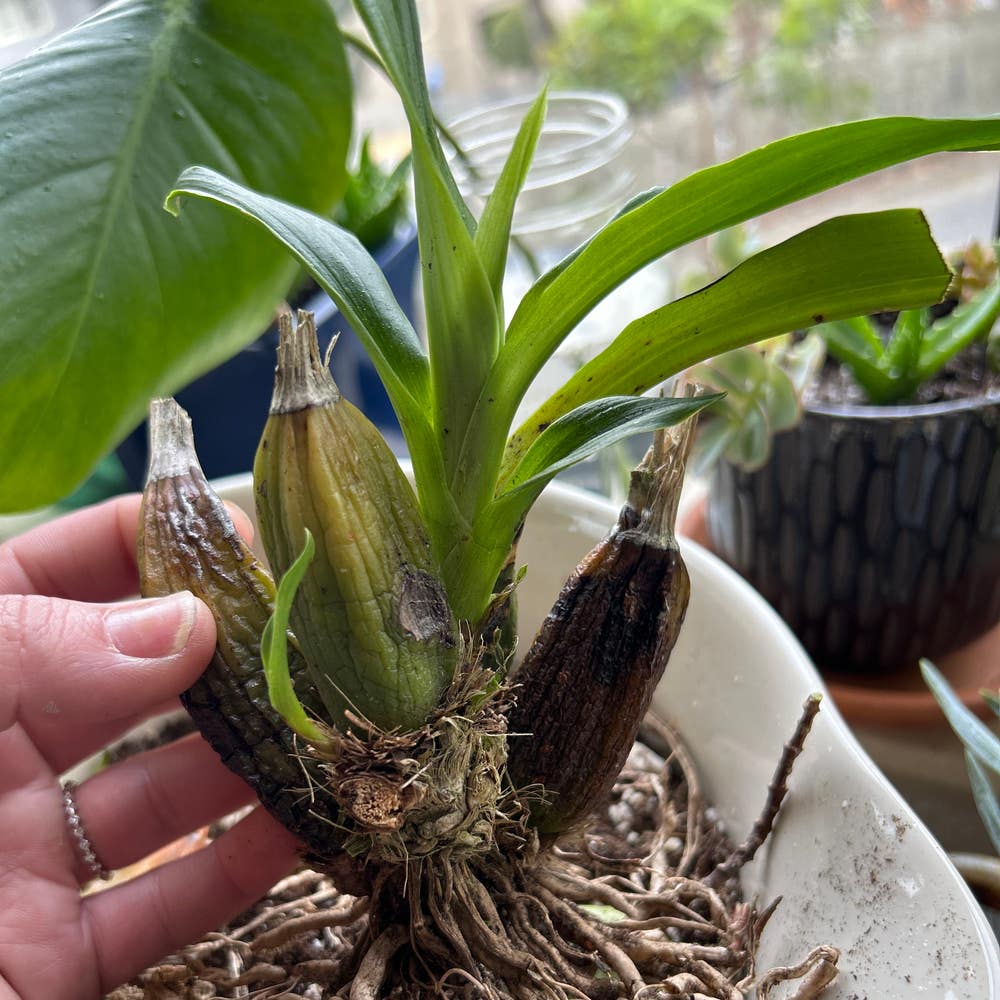
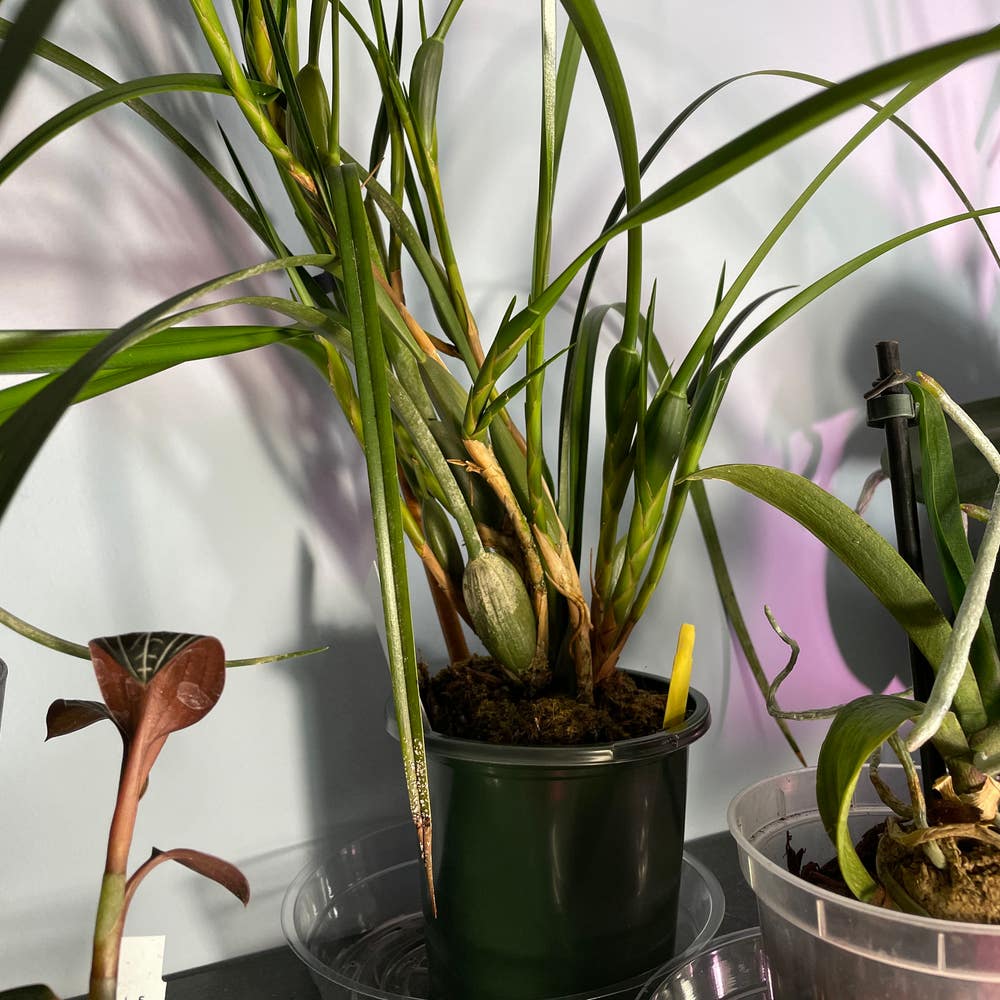
Everything You Need to Know About Orange Eulophia 🍊
Eulophia aurantiaca
By the Greg Editorial Team
Feb 27, 2025•12 min read
This article was created with the help of AI so we can cover more plants for you. May contain errors. See one? Report it here.
Elevate your garden with the vibrant Orange Eulophia, a low-maintenance beauty that attracts pollinators! 🌼🌱
- 🌞🌿 Orange Eulophia thrives in partial shade to full sun; protect from extreme conditions.
- 🌱💧 Well-draining, fertile soil is essential; avoid waterlogging to prevent root rot.
- 🌼✨ Regular pruning and fertilizing promote vibrant blooms and healthy growth.
How to Grow
Choosing a Location 🌍
When selecting a spot for your Orange Eulophia, consider its light requirements. This plant thrives in conditions ranging from partial shade to full sun, so find a balance that suits your garden.
Additionally, ensure the location offers protection from strong winds and extreme temperatures. This will help your plants flourish without unnecessary stress.
Soil Preparation 🏞️
The right soil is crucial for healthy growth. Aim for well-draining, fertile soil that allows roots to breathe and access nutrients.
To enhance moisture retention, incorporate organic matter into your soil. This simple amendment can make a significant difference in your plant's health.
Planting Techniques 🌱
Proper planting techniques set the stage for success. Plant your Orange Eulophia 2-3 inches deep to give it a solid foundation.
Spacing is also important; aim for 12-18 inches apart to allow for optimal growth and airflow. This will help prevent overcrowding and promote healthy development.
Watering Requirements 💧
Maintaining consistent moisture is key to thriving plants. Water your Orange Eulophia regularly, but avoid waterlogging, which can lead to root rot.
Be on the lookout for signs of overwatering, such as yellowing leaves, or underwatering, indicated by wilting. Adjust your watering schedule accordingly to keep your plants happy.
Fertilizing Schedule 🌿
A balanced NPK fertilizer is your best friend during the growing season. Apply it every 4-6 weeks to provide essential nutrients for robust growth.
This regular feeding will support your plant's development and encourage vibrant blooms.
Pruning Methods ✂️
Pruning is essential for encouraging new growth. The best time to prune your Orange Eulophia is after flowering.
Focus on removing dead or damaged leaves to promote a healthier plant. This simple task can significantly enhance its appearance and vitality.
Ongoing Care 🛠️
If you're growing Orange Eulophia in containers, pay attention to drainage holes and pot size. Proper drainage is vital to prevent water accumulation.
As seasons change, adjust your care routine accordingly. For outdoor plants, consider winter protection to ensure their survival through colder months.
With these tips, you'll be well-equipped to grow beautiful Orange Eulophia in your garden. Next, let's explore how to propagate this stunning plant for even more blooms!
Propagation
🌱 Methods
Propagation of Orange Eulophia can be achieved through seeds or division, both effective ways to expand your garden.
Seeds
Collect Seeds: Start by gathering seeds from mature pods. This ensures you have viable seeds for planting.
Sow Seeds: Next, plant the seeds in a well-draining medium. This is crucial for preventing rot and promoting healthy growth.
Maintain Moisture: Keep the soil consistently moist until germination occurs. This step is vital for successful seedling development.
Division
Choose a Healthy Plant: Select a mature, healthy Orange Eulophia plant for division. This ensures that the new plants will thrive.
Separate Rhizomes: Carefully separate the rhizomes from the main plant. Take your time to avoid damaging the roots.
Replant Immediately: Finally, replant the divided sections in suitable soil. This helps them establish quickly in their new environment.
Propagation is a rewarding process that allows you to share the beauty of Orange Eulophia with others. Whether you choose seeds or division, both methods can lead to thriving plants that enhance your garden's vibrancy.
Next, let’s explore the lifecycle of Orange Eulophia, from germination to maturity.
Lifecycle
Stages of Growth 🌱
The lifecycle of Orange Eulophia unfolds in distinct stages, each crucial for its development.
Germination: This initial phase takes about 2-4 weeks, where seeds begin to sprout.
Seedling Stage: Here, the plant develops its first true leaves, marking its transition from seed to a young plant.
Vegetative Growth: During this stage, the plant establishes its foliage and root system, setting the foundation for future growth.
Flowering: Typically occurring in late spring to summer, this is when the vibrant orange flowers bloom, showcasing the plant's beauty.
Seed Production: After flowering, the plant produces pods, completing its reproductive cycle.
Duration Until Maturity ⏳
Orange Eulophia takes approximately 1-2 years to reach full maturity. This timeframe allows the plant to develop robust roots and foliage, ensuring it thrives in your garden.
Understanding these stages helps you appreciate the growth journey of Orange Eulophia and provides insight into its care needs. As you nurture your plant, you'll witness each phase unfold, bringing a sense of accomplishment and connection to nature.
Next, let's explore the size of this stunning plant and what to expect as it grows.
Size
Mature Dimensions 🌱
Orange Eulophia typically reaches a height of 24 to 36 inches, making it a striking addition to any garden. Its spread ranges from 12 to 18 inches, allowing it to fill space without overwhelming neighboring plants.
Growth Rate ⏳
Under optimal conditions, this plant takes about 2 to 3 years to reach its full size. Patience is key, as the wait rewards you with a vibrant display of flowers.
Size Variability 📏
Several factors influence the size of Orange Eulophia. Soil quality, light exposure, and watering practices all play crucial roles in determining how robust your plant will grow.
Understanding these aspects can help you create the ideal environment for your Orange Eulophia. Next, let’s explore the fascinating lifecycle of this resilient plant.
Roots
🌱 Characteristics
Orange Eulophia features a rhizomatous root system, which allows it to thrive in various conditions. These roots can extend 12-18 inches deep, providing stability and access to nutrients.
⚠️ Common Issues
One of the most common problems is root rot, often caused by overwatering. To prevent this, ensure proper drainage in your planting medium.
Identifying healthy roots is crucial for plant health. Healthy roots are firm and white, while unhealthy roots appear brown and mushy.
🔄 Rootbound Conditions
Rootbound conditions occur when roots circle the pot, limiting the plant's growth potential. Signs of this issue include stunted growth and roots emerging from drainage holes.
To remedy rootbound conditions, consider repotting your Orange Eulophia into a larger container. This simple step can rejuvenate your plant and promote healthier growth.
With proper attention to root health, your Orange Eulophia can flourish beautifully. Next, let’s explore the benefits of this stunning plant and why it deserves a spot in your garden.
Benefits
Top 5 Benefits 🌟
Aesthetic Appeal
The vibrant orange flowers of the Orange Eulophia can transform any garden into a visual delight. Their striking color adds a splash of brightness that attracts the eye and enhances overall beauty.Attracts Pollinators
This plant is a magnet for pollinators like bees and butterflies, making it a valuable addition to any garden. By planting Orange Eulophia, you contribute to the health of local ecosystems.Low Maintenance
Orange Eulophia is a hardy plant that thrives with minimal care. Once established, it requires little attention, making it perfect for busy gardeners.Medicinal Uses
Traditionally, Orange Eulophia has been used in various herbal remedies. Its medicinal properties offer a fascinating glimpse into the plant's cultural significance.Cultural Significance
Valued in many cultures, Orange Eulophia symbolizes beauty and resilience. Incorporating this plant into your garden not only beautifies your space but also connects you to rich cultural traditions.
These benefits make Orange Eulophia a fantastic choice for both novice and experienced gardeners. Its combination of beauty, ecological importance, and ease of care ensures it stands out in any landscape.
As you consider adding this stunning plant to your garden, think about the companion plants that will thrive alongside it.
Companion Plants
🌱 Companion Planting
Companion planting is a fantastic way to enhance your garden's diversity and improve pest management. By selecting the right plants to grow alongside your Orange Eulophia, you can create a thriving ecosystem that benefits all your plants.
🌼 Best Companions
When choosing companion plants, look for those with similar light and water needs. Some excellent companions for Orange Eulophia include:
- Marigolds: These vibrant flowers act as natural pest repellents, keeping harmful insects at bay.
- Ferns: Perfect for shaded areas, ferns can provide a lush backdrop while thriving in similar conditions.
🚫 Plants to Avoid
Not all plants play well together. Avoid pairing Orange Eulophia with plants that have conflicting care requirements, as this can lead to poor growth and health issues. Stick to companions that share similar needs for light and moisture to ensure a harmonious garden environment.
By thoughtfully selecting companion plants, you can create a more resilient and beautiful garden. This not only enhances the aesthetic appeal but also supports the overall health of your Orange Eulophia and its neighbors. Next, let’s explore some common problems you might encounter while growing this stunning plant.
Problems
Common Issues 🌱
Growing Orange Eulophia can be rewarding, but it's essential to be aware of potential problems that may arise.
Incorrect Watering 🚰
Watering is crucial for plant health. Underwatering leads to wilting, while overwatering causes yellowing leaves.
To solve these issues, adjust your watering schedule based on the moisture level of the soil. Regularly check the soil to ensure it’s neither too dry nor waterlogged.
Incorrect Light Conditions 💡
Light conditions significantly impact growth. If your plant is leggy, it may not be getting enough light, while scorched leaves indicate too much direct sunlight.
Relocating your Orange Eulophia to a more suitable light environment can help it thrive. Aim for a balance that meets its light requirements.
Incorrect Temperature 🌡️
Temperature fluctuations can stress your plant. Stunted growth or leaf drop often signals that the plant is exposed to extreme temperatures.
To protect your Orange Eulophia, provide shade during hot spells and cover it during cold snaps. Maintaining a stable environment is key.
Diseases 🦠
Diseases can threaten your plant's health. Common issues include powdery mildew, rust, and black rot.
Improving air circulation around the plant can help prevent these diseases. If problems persist, consider using fungicides as needed to keep your plant healthy.
Root Problems 🪴
Root health is vital for overall plant vitality. Symptoms like root rot or squishy roots indicate underlying issues.
Ensure proper drainage in your pots and adjust your watering practices accordingly. Healthy roots are essential for a thriving Orange Eulophia.
By staying vigilant and addressing these common issues, you can enjoy a flourishing Orange Eulophia in your garden. Next, let’s explore the pests that may pose a threat to your plant.
Bugs
🐜 Potential Pest Issues
Orange Eulophia is generally resilient, but it can attract certain pests that may pose a threat to its health. Being aware of these potential issues can help you take proactive measures to protect your plants.
🕷️ Common Pests
Spider Mites
Spider mites are tiny pests that can wreak havoc on your Orange Eulophia. Look for signs like webbing on leaves and a stippled appearance, indicating their presence.
To treat spider mites, increase humidity around the plant and consider using miticides for effective control.
🐞 Scale Insects
Scale insects can be a nuisance, leaving behind sticky residue and small bumps on stems. These pests can weaken your plant if not addressed promptly.
Using insecticidal soap or neem oil can help eliminate scale insects and restore your plant's health.
🧼 Mealybugs
Mealybugs are easily recognizable by their cotton-like masses on leaves. These pests can drain your plant's vitality if left unchecked.
Manual removal is effective, and following up with insecticidal soap can help ensure they don’t return.
🍃 Aphids
Aphids are small but mighty, often causing curled leaves and leaving sticky honeydew behind. They can multiply quickly, so early intervention is key.
Introducing beneficial insects like ladybugs or using insecticidal soap can help manage aphid populations effectively.
By staying vigilant and addressing pest issues promptly, you can keep your Orange Eulophia thriving and beautiful. Next, let’s explore what animals might be interested in snacking on your plants.
What Eats Orange Eulophia
🦌 Common Animals
Orange Eulophia can attract a variety of wildlife, some of which may pose a threat to your plants. Understanding these common animals and how to deter them is essential for maintaining a healthy garden.
🦌 Deer
Deer are notorious for munching on garden plants. Look for signs like chewed leaves and broken stems to identify their presence.
Deterrent methods: Fencing around your garden or using repellents can help keep these grazers at bay.
🐇 Rabbits
Rabbits can be quite the nuisance, often leaving clipped stems and leaves in their wake. Their small size allows them to sneak into gardens easily.
Deterrent methods: Implementing physical barriers or using repellents can effectively deter rabbits from feasting on your Orange Eulophia.
🐿️ Squirrels
Squirrels are known for their playful antics, but they can also dig up roots or snatch flowers. If you notice missing blooms or disturbed soil, squirrels might be the culprits.
Deterrent methods: Traps or repellents can help manage squirrel populations in your garden.
🐦 Birds
Birds can be both beautiful and destructive. If you see pecked flowers or foliage, it’s likely that birds are enjoying your plants as a snack.
Deterrent methods: Using netting or reflective objects can discourage birds from landing on your Orange Eulophia.
🐭 Rodents (Mice, Voles)
Rodents like mice and voles can cause significant damage by gnawing on roots or stems. Look for signs of their activity, such as gnawed areas on your plants.
Deterrent methods: Setting traps and modifying the habitat can help reduce rodent populations around your garden.
🦡 Groundhogs/Woodchucks
Groundhogs, or woodchucks, can take large bites out of your stems, leaving noticeable damage. Their presence can be identified by the size of the bites taken from your plants.
Deterrent methods: Fencing or repellents can be effective in keeping these larger animals away from your Orange Eulophia.
By being aware of these potential threats and implementing the right deterrent methods, you can protect your Orange Eulophia and enjoy its vibrant beauty in your garden. Next, let’s explore the common problems that can affect these lovely plants.
⚠️ Safety First
This content is for general information and may contain errors, omissions, or outdated details. It is not medical, veterinary advice, or an endorsement of therapeutic claims.
Always consult a qualified healthcare professional before using any plant as food, medicine, or supplement.
Never eat any plant (or feed one to pets) without confirming its identity with at least two trusted sources.
If you suspect poisoning, call Poison Control (800) 222-1222, the Pet Poison Helpline (800) 213-6680, or your local emergency service immediately.
Spotted an error? Please report it here.
Watch your Orange Eulophia thrive 🌼 with Greg's personalized watering alerts and expert care tips tailored just for your plant's needs!