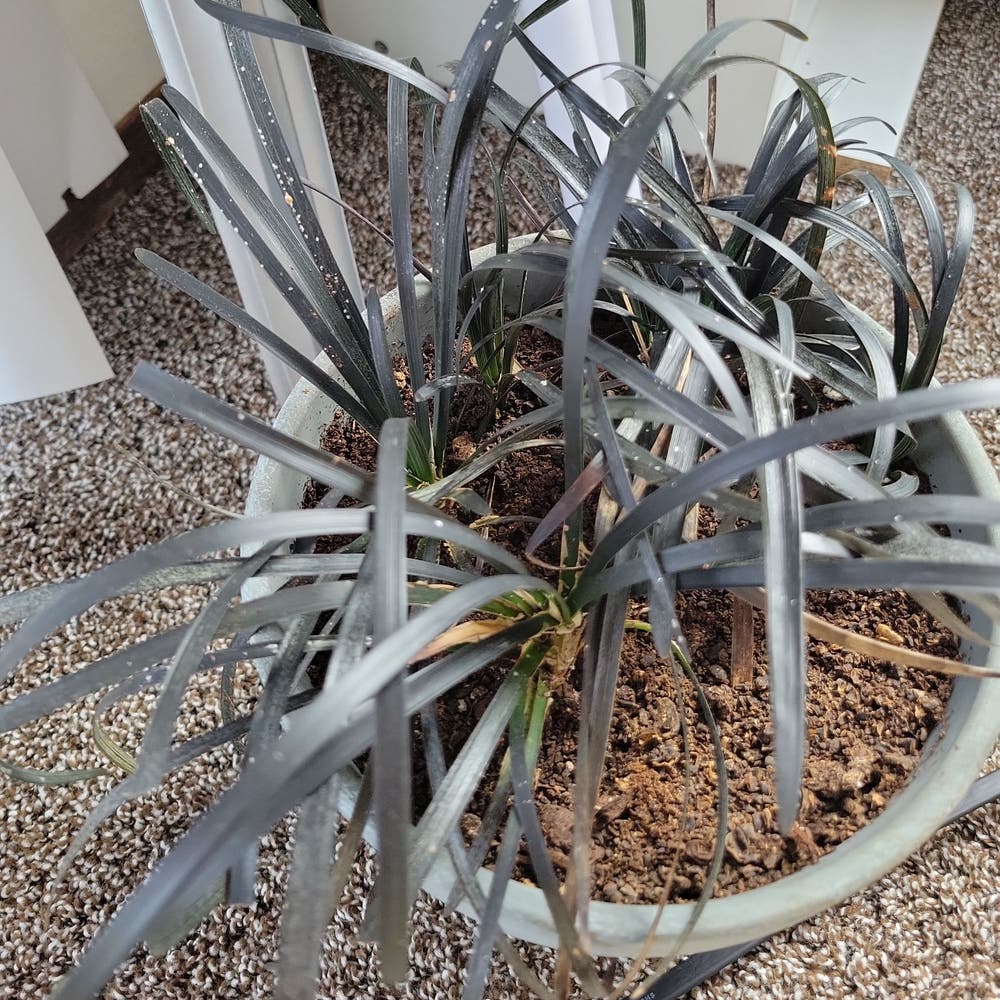
Ophiopogon reptans: A Comprehensive Overview
Ophiopogon reptans
By the Greg Editorial Team
Feb 28, 2025•11 min read
This article was created with the help of AI so we can cover more plants for you. May contain errors. See one? Report it here.
Elevate your shaded garden with Ophiopogon reptans, the resilient ground cover that thrives in low light! 🌱
- 🌱 Ophiopogon reptans thrives in low-light, perfect for shaded gardens.
- 💧 Consistent moisture is key; avoid waterlogging to prevent root rot.
- 🌿 Easy propagation through division makes Ophiopogon reptans beginner-friendly!
How to Grow
Choosing a Location 🌳
Ophiopogon reptans thrives in shaded to partially shaded areas, making it an excellent choice for those tricky spots under trees or in shaded gardens. Its shade tolerance allows it to flourish in low-light conditions, ensuring a lush green presence even in dimly lit spaces.
Soil Preparation 🏞️
For optimal growth, aim for slightly acidic to neutral soil with a pH between 6.0 and 7.0. Well-drained soil is crucial to prevent root rot, so be sure to incorporate compost or well-rotted manure to boost soil fertility.
Planting Techniques 🌱
When planting, space your Ophiopogon reptans 12-18 inches apart to allow for healthy growth. Ensure you plant them at the same depth as they were in their nursery container to promote stability.
Watering Needs 💧
Keep the soil consistently moist but avoid waterlogging, as this can lead to root issues. Drip irrigation or watering at the base of the plant is ideal to prevent wetting the foliage.
Fertilizing Guidelines 🌼
Use a balanced, slow-release fertilizer to nourish your plants. Fertilize in early spring and again in mid-summer for the best results.
Pruning and Maintenance ✂️
Prune your Ophiopogon reptans in late winter or early spring, just before new growth begins. Focus on removing dead or damaged leaves to encourage healthy development.
Container Growing Considerations 🪴
If you're growing Ophiopogon reptans in containers, opt for a well-draining potting mix. Choose a pot that is at least 12 inches in diameter to provide adequate root space for your plants.
With these guidelines, you can create a thriving environment for Ophiopogon reptans, ensuring it flourishes beautifully in your garden or home. Next, let’s explore how to propagate this resilient plant effectively.
Propagation
Division Method 🌱
Propagation through division is a straightforward and effective method for Ophiopogon reptans. The best time to divide your plants is in spring or fall when the weather is mild.
- Timing: Aim for spring or fall for optimal results.
- Tools: Grab a sharp spade or garden fork to avoid damaging the roots.
- Process: Carefully dig up the clump, separate it into smaller sections, and replant them in well-prepared soil.
Seed Propagation 🌼
If you're feeling adventurous, you can propagate Ophiopogon reptans from seeds, though it requires a bit more patience.
- Germination tips: Soak the seeds in water for 24 hours before planting to kickstart the process.
- Conditions: Ensure a warm, humid environment to encourage successful germination.
Cutting Propagation ✂️
Taking cuttings is another viable option for propagation, and it’s moderately easy to do.
- How to take cuttings: Select healthy stems and cut them to a length of 4-6 inches.
- Rooting medium: Use a mix of perlite and peat moss for the best results.
- Rooting time: Expect rooting to take about 3-4 weeks, so be patient!
With these propagation methods, you can expand your Ophiopogon reptans collection or share with friends. Next, let’s explore the lifecycle of this fascinating plant and understand its growth stages.
Lifecycle
Stages of Growth 🌱
Ophiopogon reptans is classified as a perennial plant, meaning it lives for more than two years. Its growth progresses through several stages: germination, seedling, vegetative growth, flowering, and seed production.
Lifespan and Growth Rate ⏳
This plant typically takes about 2-3 years to reach its full size. With a moderate growth rate, you can expect Ophiopogon reptans to mature steadily, making it a reliable addition to your garden.
As you nurture it, you'll witness its transformation, from a tiny seedling to a lush ground cover. This gradual growth not only enhances your garden's aesthetic but also allows you to appreciate the plant's development over time.
In the next section, we will explore the size characteristics of Ophiopogon reptans, including its mature dimensions and growth variability.
Size
Mature Dimensions 🌱
Ophiopogon reptans typically reaches a height of 6-12 inches and spreads 12-24 inches wide. This makes it an excellent choice for ground cover in shaded areas.
Growth Rate 📈
This plant exhibits a moderate growth rate, averaging about 6-12 inches per year. With the right conditions, you can expect it to fill out nicely over time.
Size Variability 🌍
The size of Ophiopogon reptans can vary based on environmental factors. More shade often results in taller growth, while rich, well-drained soil encourages larger clumps.
Understanding these size characteristics can help you plan your garden layout effectively. With the right care, Ophiopogon reptans can thrive and enhance your landscape beautifully.
Roots
🌱 Characteristics
Ophiopogon reptans features a fibrous and rhizomatous root system. This allows the roots to spread horizontally, typically remaining shallow in the soil.
⚠️ Common Issues
One common issue is root rot, which occurs due to overwatering. Symptoms include mushy roots that can lead to plant decline.
Another problem is becoming rootbound, which happens when the roots fill the pot. Signs of this include stunted growth and roots growing out of the drainage holes.
👀 Visual Cues
Healthy roots are firm, white, and spread evenly throughout the soil. In contrast, unhealthy roots appear dark, mushy, or may emit a foul smell.
🛠️ Management Tips
It's essential to know when to repot your Ophiopogon reptans. If roots are visible at the surface or growing out of drainage holes, it's time for a new pot.
To repot, gently remove the plant from its pot, trim any damaged roots, and replant it in fresh soil. This simple process can rejuvenate your plant and promote healthy growth.
As you care for your Ophiopogon reptans, keep an eye on its roots to ensure a thriving plant. Next, let's explore the many benefits this resilient ground cover can bring to your garden.
Benefits
Top 5 Benefits 🌿
Ophiopogon reptans, commonly known as mondo grass, offers a variety of advantages for gardeners and landscapers alike.
- Aesthetic appeal: This plant adds lush greenery to shaded areas, creating a serene and inviting atmosphere.
- Erosion control: Its dense growth helps stabilize soil in gardens, preventing erosion and maintaining landscape integrity.
- Foot traffic tolerance: Mondo grass is a resilient ground cover, making it ideal for pathways that experience regular foot traffic.
- Wildlife attraction: It provides a habitat for beneficial insects, contributing to a balanced ecosystem in your garden.
- Low maintenance: Once established, it requires minimal care, allowing you to enjoy its beauty without constant attention.
Cultural Significance 🎎
Ophiopogon reptans holds a special place in gardening traditions, particularly in East Asia.
- Historical uses: It has been a staple in traditional gardens, valued for its hardiness and adaptability.
- Meanings: This plant symbolizes resilience and adaptability, making it a meaningful addition to any landscape.
Incorporating mondo grass into your garden not only enhances its beauty but also connects you to a rich cultural heritage. Its practical benefits and cultural significance make it a fantastic choice for any gardener looking to create a vibrant, sustainable space.
As we explore the next section, we'll delve into companion plants that thrive alongside Ophiopogon reptans, enhancing your garden's diversity and health.
Companion Plants
🌱 Companion Planting Benefits
Companion planting is a fantastic way to enhance garden diversity. It promotes healthier plants by creating a balanced ecosystem that can deter pests and improve growth.
🌿 Compatible Plants
When considering companions for Ophiopogon reptans, a few plants stand out:
Hostas
Hostas thrive in similar shade and moisture conditions, making them perfect companions. Their lush foliage complements the delicate appearance of Ophiopogon.
Ferns
Ferns provide a beautiful contrast with their varied textures and shapes. They share the same love for shaded environments, creating a harmonious garden aesthetic.
Astilbe
Astilbe adds vibrant color to shaded areas and thrives under similar conditions. Its feathery blooms can brighten up the space around Ophiopogon.
🚫 Plants to Avoid
While many plants can thrive alongside Ophiopogon, it's crucial to avoid aggressive growers. Invasive species can compete for resources, stunting the growth of your Ophiopogon and other plants in the garden.
By choosing the right companions, you can create a thriving, diverse garden that showcases the beauty of Ophiopogon reptans while ensuring its health and vitality. Next, let’s explore the toxicity of this plant to humans, dogs, and cats, ensuring a safe environment for your loved ones.
Toxicity to Humans
Ophiopogon reptans is generally considered safe for humans, as it is not listed as toxic by major poison control centers. This means you can enjoy its beauty in your garden without worrying about severe health risks.
However, it's worth noting that excessive contact with the plant may lead to mild skin irritation for some individuals. If you experience any unusual symptoms after touching or ingesting parts of the plant, it's wise to seek medical advice.
In summary, while Ophiopogon reptans is a low-risk plant, exercising caution is always a good practice. This ensures a safe and enjoyable gardening experience, allowing you to appreciate its lush greenery without concern.
Next, let’s explore how Ophiopogon reptans fares in terms of toxicity to our furry friends—dogs and cats.
Toxicity to Dogs
Ophiopogon reptans is considered safe for dogs, as it is not listed as toxic by major poison control centers. This means you can enjoy this lovely plant without worrying about your furry friends getting sick.
However, if a dog consumes a large amount, it may experience mild gastrointestinal upset. Keep an eye on your pet and ensure they don’t munch on too much of the plant.
🐶 Tips for Safe Placement
To minimize any risk, consider placing Ophiopogon reptans in areas that are less accessible to your dog. Monitoring your pet's behavior around the plant can also help prevent any unwanted snacking.
By taking these simple precautions, you can enjoy the beauty of Ophiopogon reptans while keeping your canine companion safe and sound.
Toxicity to Cats
Safety Overview 🐱
Ophiopogon reptans is considered safe for cats. It is not listed as toxic by major poison control centers, making it a worry-free addition to your home or garden.
Minor Issues ⚠️
While generally safe, excessive consumption of the plant may lead to mild gastrointestinal upset in cats. It's always best to monitor your feline friends around any plant.
Tips for Care 🛡️
To ensure a safe environment, place Ophiopogon reptans in areas where your cat is less likely to nibble on it. Regularly observe their behavior around the plant to prevent any potential issues.
With these precautions, you can enjoy the beauty of Ophiopogon reptans without concern for your furry companions.
Problems
Common Problems 🌱
Growing Ophiopogon reptans can be rewarding, but it’s not without its challenges. One of the most common issues is incorrect watering; overwatering leads to yellowing leaves, while underwatering results in wilting.
Another frequent problem arises from light conditions. Too much sun can scorch the leaves, while insufficient light can stunt growth. Additionally, fungal diseases like powdery mildew can affect the plant, manifesting as white spots on the foliage.
Identification and Solutions 🔍
To tackle overwatering, look for wilting and yellowing leaves as key indicators. Adjust your watering schedule to ensure the soil remains consistently moist but not soggy.
For light issues, observe the leaves closely. Scorched leaves signal too much sun exposure, while leggy growth suggests the plant isn’t getting enough light. Adjust the plant's location accordingly to create a healthier environment.
By staying vigilant and addressing these common problems, you can help your Ophiopogon reptans thrive. Next, let’s explore the potential pest issues that might affect your plant.
Bugs
🐜 Potential Pest Issues
Ophiopogon reptans can attract a few pesky pests that may disrupt its growth.
- Spider Mites: These tiny arachnids spin fine webs on the leaves, leading to yellowing and eventual leaf drop.
- Scale Insects: Look for hard, shell-like bumps on stems; these pests weaken the plant by sucking its sap.
- Mealybugs: Identified by their white, cottony masses on leaves, mealybugs can cause leaf drop and stunted growth.
🔍 Identification and Treatment
Identifying these pests early can save your plant from significant damage.
- Spider Mites: Check for fine webbing and stippled leaves, which indicate their presence.
- Treatment Options: Use insecticidal soap or neem oil to effectively combat these pests. Regular monitoring and prompt action can keep your Ophiopogon healthy and thriving.
By staying vigilant and addressing pest issues quickly, you can ensure your Ophiopogon reptans remains a vibrant addition to your garden. Next, let’s explore what animals might be interested in munching on your plant.
What Eats
Common Animals 🦌
Ophiopogon reptans can attract a variety of wildlife, which may pose challenges for your garden.
- Deer: These graceful creatures often leave signs of their presence with chewed leaves and broken stems.
- Rabbits: Known for their nibbling habits, rabbits can be spotted by clipped leaves and stems around your plants.
- Squirrels: These energetic critters may dig around the base of the plant, potentially disturbing the roots.
Signs and Deterrent Methods 🚫
Identifying the presence of these animals is crucial for protecting your Ophiopogon reptans.
- Deer: Look for tracks and droppings near the plant; these are clear indicators of their visits.
- Deterrents: To keep these animals at bay, consider using commercial repellents or planting strong-smelling herbs nearby.
By being proactive, you can enjoy the beauty of Ophiopogon reptans without the worry of unwanted nibblers.
Next, let’s explore the potential pest issues that can affect your plant's health.
⚠️ Safety First
This content is for general information and may contain errors, omissions, or outdated details. It is not medical, veterinary advice, or an endorsement of therapeutic claims.
Always consult a qualified healthcare professional before using any plant as food, medicine, or supplement.
Never eat any plant (or feed one to pets) without confirming its identity with at least two trusted sources.
If you suspect poisoning, call Poison Control (800) 222-1222, the Pet Poison Helpline (800) 213-6680, or your local emergency service immediately.
Spotted an error? Please report it here.
Unlock the beauty of your low-light garden with thriving mondo grass 🌿 by using Greg's tailored care reminders and expert tips to keep your Ophiopogon reptans flourishing!