Best Potting Soil Mix For Olive Tree

Olea europaea

By the Greg Editorial Team

Jun 17, 202412 min read

This article was created with the help of AI so we can cover more plants for you. May contain errors. See one? Report it here.

Olive tree
  1. Well-draining soil prevents root rot in olive trees, ensuring healthy growth.
  2. Slightly acidic to neutral pH (6.5) optimizes nutrient availability for olive trees.
  3. Regular maintenance and balanced fertilization are key to olive tree vitality.

Understanding the Impact of Soil on Olive Tree Growth

Soil is more than just dirt; it's the lifeblood of your olive tree. Its composition directly impacts the tree's vigor, affecting everything from leaf color to fruit yield. Nutrient-rich potting soil is a non-negotiable for these Mediterranean natives, providing the sustenance for robust growth.

🌱 Soil Composition and Olive Tree Health

Olive trees are no fans of wet feet. Well-draining soil is critical to prevent root rot, a silent killer in the plant world. A mix that holds moisture just long enough for the roots to drink their fill, but then lets go, is what you're aiming for.

🌿 Nutrient Uptake and Root Development

The roots are the olive tree's hidden hand, reaching into the soil for essential nutrients like nitrogen, phosphorus, and potassium. These macronutrients are the MVPs for flowering and fruit set, so a soil that can support their uptake is key.

🌎 The Role of Soil pH

The pH level of your soil can make or break your olive tree's health. Aim for a slightly acidic to neutral pH (around 6.5 is ideal), to ensure nutrients are readily available to the tree. If your soil's pH is off, your tree might as well be dining on cardboard.

πŸ’¨ Soil Structure and Aeration

Good soil structure means the difference between a thriving tree and a struggling one. You want a soil that's crumbly, not clumpy, allowing roots to breathe and stretch out. Compaction is the enemy, and aeration is the ally.

🌱 The Importance of Organic Material

Incorporating organic material like compost into your potting mix isn't just good practice; it's a game-changer. It boosts soil fertility and structure, making it a cozy home for your olive tree's roots.

Remember, the right soil mix isn't just about today's growthβ€”it's about setting the stage for years of lush foliage and bountiful harvests.

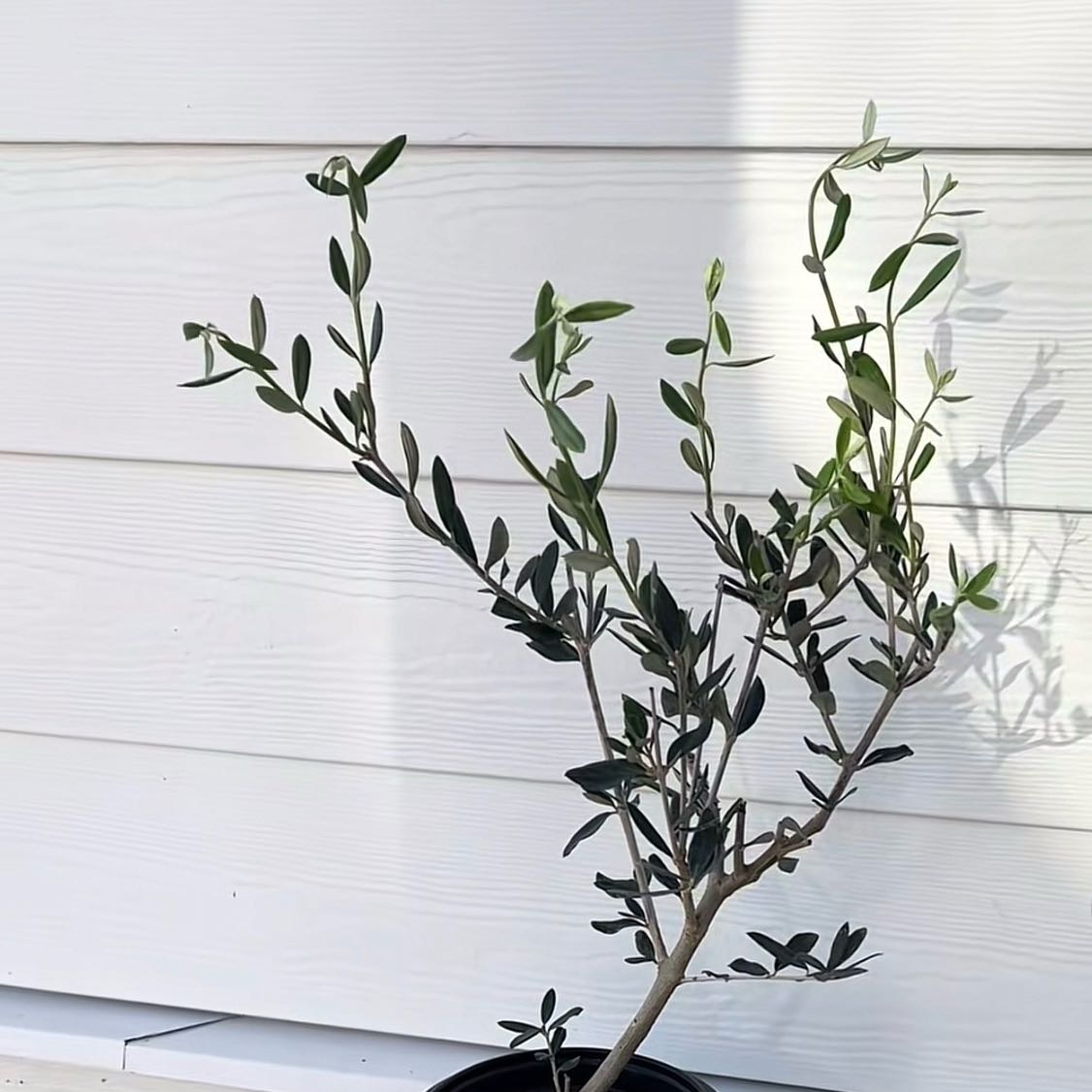
Potted olive tree with healthy green leaves and visible soil.

Selecting the Right Potting Soil Mix for Optimal Growth

Olive Trees are picky. They demand well-draining soil to avoid the dreaded root rot. Drainage is king hereβ€”think of it as the soil's ability to let go, like a good friend who doesn't cling too tightly.

🚰 Soil Drainage and Texture

Perlite, lava rocks, or even some coarse sand mixed into your potting soil can prevent water from throwing a pool party around your Olive Tree's roots. You want a mix that's the life of the party for a while, but knows when it's time to leave.

πŸ’§ Soil pH Levels

Olive Trees prefer their soil like their martinisβ€”slightly acidic. Aim for a pH between 6.0 and 7.0. It's a fine line, but getting it right means your tree won't throw a tantrum by withholding those precious olives.

🍽️ Nutrient Content

Nutrients are the Olive Tree's version of a balanced diet. Too little and they'll be lethargic, too much and they're bouncing off the walls. A mix with compost or aged bark gives them just enough to party on without the hangover.

🌱 The Impact of Soil on Health and Fruiting

Get the soil mix wrong, and you'll have a sad, fruitless Olive Tree. It's like inviting someone to a party and then giving them the wrong address. Proper soil ensures your tree shows up to the right place, ready to produce lush foliage and bountiful fruit.

Indoor potted olive tree with healthy green leaves on a kitchen counter.

Watering Practices for Olive Trees

Olive Trees' vigor hinges on watering wisdom. They're not cacti; they crave consistent sips, not a deluge.

πŸ’§ The Watering Balancing Act

Overwatering is a rookie mistake. Olive Trees loathe soggy shoesβ€”too much water, and their roots throw in the towel. On the flip side, a parched Olive Tree is a sad sight. Its leaves droop, begging for hydration.

🌱 Reading the Soil's Thirst

Forget the watering schedule; your Olive Tree's thirst isn't clockwork. Poke the soil. If the top inch feels like a dry martini, it's time to water. If it's damp, hold offβ€”your tree isn't ready for another round.

πŸ’¦ Water Deep, But Not Too Often

When you do water, go deep. Encourage roots to stretch and strengthen by making them reach for moisture. But don't be a helicopter plant parentβ€”frequent shallow watering makes for a fragile system.

🚰 The Drainage Game

Ensure your pot has drainage holes. Olive Trees despise waterlogged conditions as much as cats despise baths. Good drainage keeps their feet dry and spirits high.

🌿 Mulch: Friend or Foe?

Mulch can be a double-edged sword. It conserves moisture but can also invite sogginess. Use it sparingly and keep it away from the trunk to avoid unwanted moisture parties.

🌞 Seasonal Sensibility

Adjust watering with the seasons. Olive Trees sip less in winter. Overwatering in cooler months is like offering ice cream on a cold dayβ€”unnecessary and unappreciated.

πŸ’§ Drip Irrigation: Yay or Nay?

Drip irrigation can be a godsend or a curse. It's great for consistent moisture but can be useless in sandy soils that treat water like a stranger passing by.

πŸ‘€ Observing and Adapting

Watch your Olive Tree like a hawk. Leaves don't lieβ€”they'll tell you if your watering game is on point. Adapt your techniques to your tree's feedback and the unique whims of your local climate.

Olive Tree in a pot indoors, with visible soil and healthy leaves.

Potential Soil-Related Issues and Troubleshooting

🌱 Common Soil-Related Problems

Olive trees, while hardy, can face soil challenges that impact their health. Overwatering can lead to root rot, a deadly issue if not caught early. Symptoms include dropping leaves and a general weakening of the tree, which can open the door to diseases like verticillium wilt or phytophthora root rot. Soil compaction stifles root growth, and nutrient deficiencies can manifest as stunted growth or yellowing leaves.

πŸ›  Troubleshooting Soil Issues

Root rot is a silent killer. Check for soft, brown roots and act fastβ€”trim the rotten parts and repot in fresh, well-draining soil. If the soil feels like a packed suitcase, it's too compact. Loosen it up and consider repotting with a mix that includes grit or perlite. For nutrient woes, a soil test is your best friend. It'll tell you what's missing, and you can tailor your fertilization accordingly. Remember, nitrogen is key for olive trees, especially if leaves are short and pale.

🚰 Overwatering and Underwatering

It's a balancing act. Too much water, and the roots drown; too little, and the tree can't drink up the nutrients it needs. Use a pot with drainage holes and keep the soil moist but not soggy. If your olive tree is throwing a tantrum with droopy or yellow leaves, reassess your watering schedule.

πŸ“Š Soil pH and Nutrient Absorption

The soil's pH can make or break nutrient uptake. Aim for a pH around 6.5; outside this range, essential nutrients might as well be locked in a vault. If you're off the mark, adjusting with lime or sulfur can help get things back in line.

πŸ›‘οΈ Preventative Measures

An ounce of prevention is worth a pound of cure. Keep your olive tree in top shape with regular feeding and watering. A robust tree is less likely to succumb to soil-related issues. And if you're unsure, don't wing itβ€”consult a local agronomist. They're like the Sherlock Holmes of soil mysteries.

Commercial Potting Mix Options

When it comes to commercial potting mixes for Olive Trees, the market offers a plethora of options. However, the savvy gardener knows that not all mixes are created equal.

πŸ’§ Key Components for Olive Tree Potting Mixes

Drainage is non-negotiable. Olive Trees loathe wet feet, so a mix that mimics their native sandy soils is ideal. Look for mixes that include cacti or succulent media, which ensure swift water passage.

🌑️ The pH Factor

Olive Trees prefer a neutral to slightly alkaline pH. Most commercial mixes will fall within this range, but it's always a good idea to check the label or test it yourself.

πŸ’¦ Water Retention without the Sog

Some mixes boast moisture-retaining additives like vermiculite or coco coir. These can be a double-edged sword; they help in dry climates but can spell disaster if overwatering occurs.

πŸ›’ Comparing Brands

When comparing brands, scrutinize the ingredient list. A mix heavy on peat may retain too much moisture, while one with ample perlite or sand provides the aeration Olive Trees crave.

🌱 The Organic Question

Organic options are aplenty, often enriched with compost or soil activators. These can offer a buffet of nutrients but watch out for overly rich mixes that could overwhelm your tree.

πŸ’¦ To Gel or Not to Gel

Beware of mixes with moisture-retaining gels. They're a modern convenience but can reduce the soil's breathability over time.

πŸ“‰ The Bottom Line

In essence, the best commercial potting mix for your Olive Tree should be well-draining, have a suitable pH, and contain balanced nutrients. It's a simple formula, but getting it right can make all the difference between a thriving tree and a lackluster one.

DIY Potting Soil Mix Recipes

Creating your own potting soil mix for Olive Trees is like becoming a chef for your plants; you tailor the nutrients to their exact needs. Here's how to whip up a batch of gourmet soil that'll have your Olive Trees thanking you.

🌱 Basic Olive Tree Potting Mix

  1. Three parts cacti/succulent mix – the backbone for drainage.
  2. One part regular indoor potting soil – for a touch of moisture retention.

Mix these together, and you've got a well-draining, nutrient-rich foundation. It's simple, effective, and a great starting point.

🌿 Enhanced Olive Tree Potting Mix for Larger Containers

For those with larger containers or trees that need a bit more love:

  1. Start with the basic mix above.
  2. Add perlite to increase aeration – about a cup per gallon of soil.
  3. Mix in composted bark for a slow-release nutrient kick – a handful should do.

This enhanced mix caters to the Olive Tree's need for space and sustenance, making it ideal for more substantial containers.

🌡 Climate-Adapted Olive Tree Potting Mix

Your local climate can be a game-changer for soil composition. Here's a tweak for drier climates:

  1. Stick to the basic mix.
  2. Incorporate coarse sand – it ups the drainage game.
  3. Consider a dash of peat moss for a smidgen of moisture without waterlogging.

🎲 The "I'm Feeling Lucky" Olive Tree Potting Mix

Feeling adventurous? Here's a mix that's a bit more experimental:

  1. Equal parts cacti mix, indoor potting soil, and composted pine bark.
  2. Throw in a scoop of worm castings for good measure – plants love this stuff.
  3. A sprinkle of bone meal for root development – just a teaspoon per gallon.

Remember, Olive Trees don't like wet feet, so whatever mix you choose, ensure it's like a good party – well-aerated and free-draining.

Pro Tip: Always use a pot with drainage holes, and never let your Olive Tree sit in water. It's the quickest way to a plant's heartbreak.

Best Practices for Potting Olive Trees

Selecting the right pot is crucial for the health of your Olive Tree. Ensure the pot has adequate drainage holes to prevent waterlogging, which can lead to root rot and other diseases. Terracotta pots are a smart choice as they allow the soil to breathe and help reduce excess moisture.

🌱 Pot Selection

When choosing a pot, size matters. A pot that's too small can constrict root growth, while one that's too large may hold water for too long. Aim for a pot that gives your tree's roots room to grow without being excessive.

🏺 Potting Technique

Proper potting ensures your Olive Tree's roots have the support they need. Begin by covering the drainage hole with a screen to keep soil from escaping. Fill the bottom with a layer of gravel or clay pebbles to enhance drainage. Mix your potting soil with ingredients like pumice or perlite to increase aeration and water flow.

Layering the Soil

Start with a base layer of your enhanced potting mix. Position the tree so that the top of the root ball is just below the rim of the pot. Fill in around the roots with more soil, gently tamping down to remove air pockets.

Aftercare

Water the tree thoroughly after potting, allowing excess water to drain. Monitor soil moisture by checking the top inch of soil; water only when it feels dry. Remember, Olive Trees prefer to dry out slightly between waterings.

By following these best practices, you'll provide a solid foundation for your Olive Tree to thrive in its new home.

Maintenance, Soil Refreshing, and Fertilization

🌱 Regular Soil Maintenance

Top-dressing your olive tree's soil is like giving it a mini makeover. Every year, skim off the top layer of soil and replace it with fresh, nutrient-rich mix. This isn't just for looks; it reinvigorates the tree with vital nutrients without the need for a full re-pot.

🌿 Soil Refreshing

When it comes to soil, olive trees don't like to sit in the stale stuff. Every couple of years, show your tree some love by refreshing the potting mix. This doesn't mean a complete do-over; just mix in some new, organic-rich soil to keep things lively.

🌱 Fertilization Tips

Olive trees aren't greedy, but they do crave a consistent nutrient supply. Opt for a slow-release fertilizer with a dash of nitrogen and those all-important minor elements like zinc and boron. Remember, more is not always better; follow the label and avoid the temptation to overfeed.

🌱 Monitoring Soil Moisture and Nutrients

Keep a watchful eye on soil moisture; it's a balancing act. Too much water and your tree gets soggy feet, too little and it's a drought up in there. Use your finger as a high-tech (and free) moisture gaugeβ€”dry an inch down means it's time to water.

🌱 Fertilization Schedule

Timing is everything. Fertilize after planting and then on a schedule that suits the fertilizer type. If you've planted between the tail end of summer and the start of March, hold off on the fertilizer until spring rolls around.

🌱 Avoiding Common Pitfalls

Steer clear of wood chips for mulchβ€”they're the equivalent of a nutrient black hole. Instead, pine straw or bark can be your mulch of choice, keeping it a respectful distance from the trunk to prevent any rot or unwanted moisture retention.

🌿 Pruning and Pest Management

A quick snip here and there keeps your olive tree in prime shape for sun exposure and fruit production. Also, keep an eye out for pests like scale; they're not just a nuisance, they're a full-blown tree drama. Consult local experts for the best pest control tactics that suit your region and personal preferences.

⚠️ Safety First

This content is for general information and may contain errors, omissions, or outdated details. It is not medical, veterinary advice, or an endorsement of therapeutic claims.

Always consult a qualified healthcare professional before using any plant as food, medicine, or supplement.

Never eat any plant (or feed one to pets) without confirming its identity with at least two trusted sources.

If you suspect poisoning, call Poison Control (800) 222-1222, the Pet Poison Helpline (800) 213-6680, or your local emergency service immediately.

Spotted an error? Please report it here.

Ensure your olive tree's vibrant growth 🌿 with Greg's tailored watering schedules and soil tips, making it simple to provide the right nutrients and care for your tree's best health.