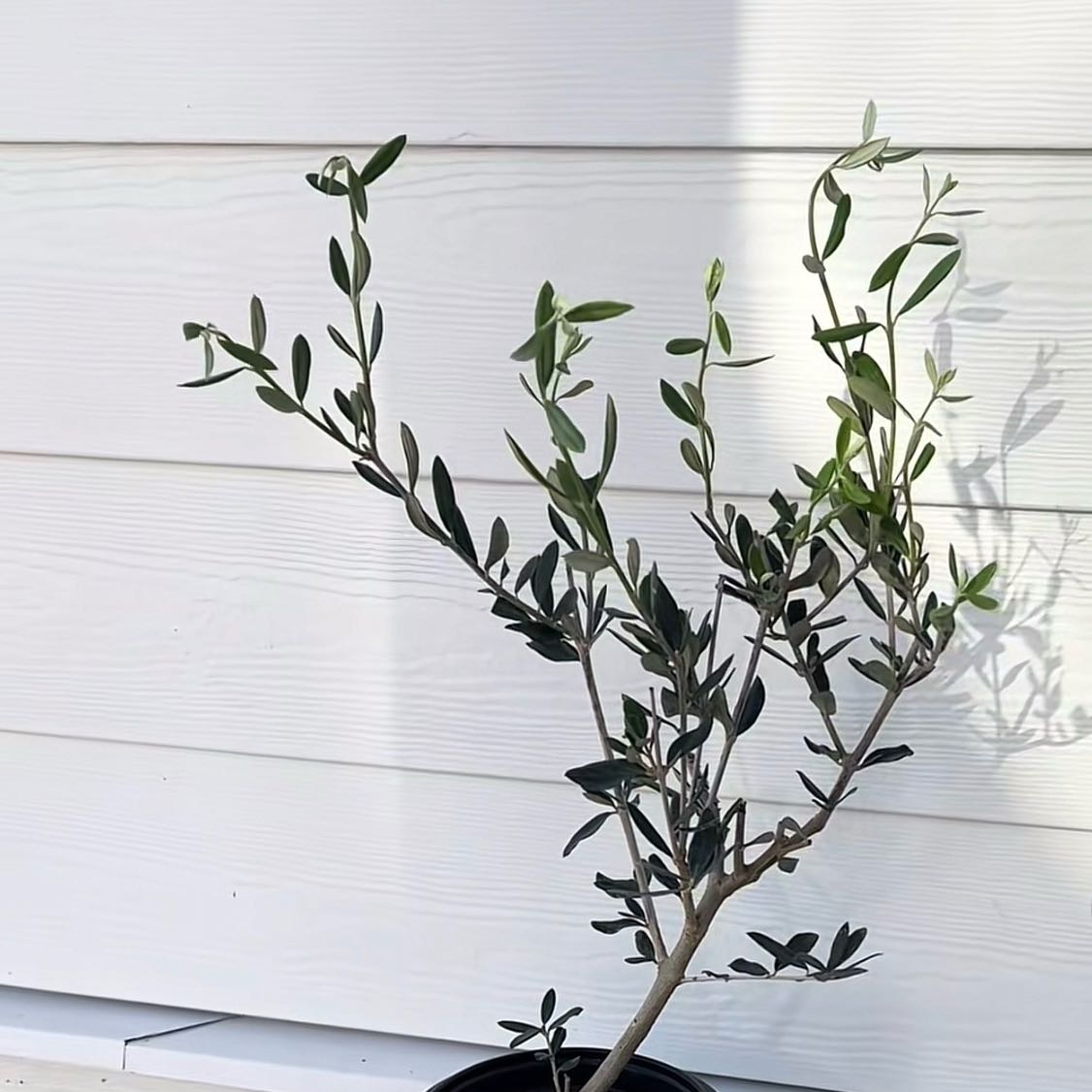
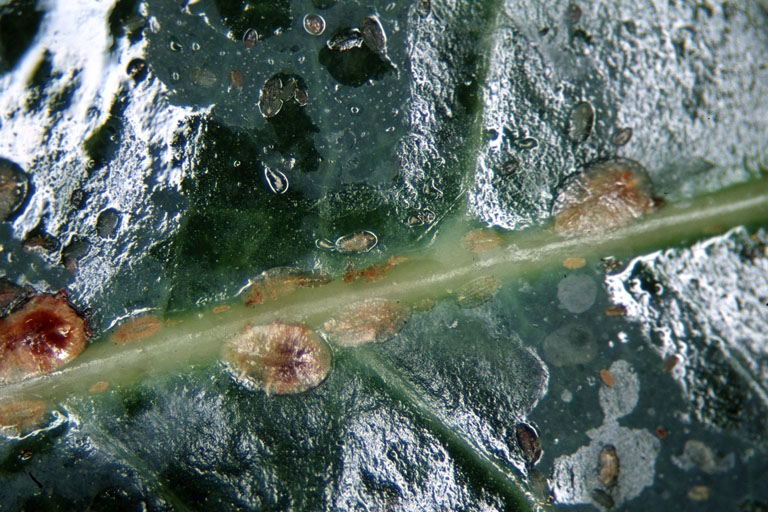
Identifying What is Eating Your Olive Tree

Olea europaea

By the Greg Editorial Team

Jul 20, 20244 min read

This article was created with the help of AI so we can cover more plants for you. May contain errors. See one? Report it here.

  1. 🦌 Deer, rabbits, squirrels, birds, rodents, groundhogsβ€”identify who's nibbling your Olive Tree.
  2. 🐝 Attract beneficial insects like bees and ladybugs for pollination and pest control.
  3. πŸ›‘οΈ Preventive measures and organic repellents help protect Olive Trees from herbivores.

Identifying Herbivore Damage

Herbivores can leave distinct marks on your Olive Trees; recognizing these can help you protect your plants effectively.

🦌 Deer Damage

  • Look for stripped bark, nibbled buds and fruits, or damage from antler rubbing.
  • Deer are more likely to interact with Olive Trees during the fall and winter months.

πŸ‡ Rabbit Marks

  • Identify rabbit presence by small, clean-cut nibbles on shoots and stripped bark.
  • Young Olive Tree shoots are particularly vulnerable to rabbit damage.

🐿️ Squirrel Signs

  • Squirrel activity is indicated by gnawed fruits, bark, and twig structures in the tree canopy.
  • Assess the impact on both the fruit yield and the tree's overall health.

🐦 Bird Interactions

  • Spotting peck marks on olives and nesting materials in the branches suggests bird activity.
  • Birds can be both pollinators and pests, affecting Olive Tree health in various ways.

πŸ€ Rodent Evidence

  • Rodent damage includes gnawing marks on the trunk and burrows near the tree base.
  • The integrity of Olive Tree roots and lower trunk is at risk due to rodents.

🦑 Groundhog Habits

  • Groundhog presence is revealed by digging signs around the tree and consumed foliage.
  • Their burrows can compromise the stability of Olive Trees, posing a significant challenge.

Olive Tree's Ecological Role

Olive trees are not just a source of delicious fruits and beautiful foliage; they play a pivotal role in the garden ecosystem.

🐞 Beneficial Insects

Olive trees are beacons for biodiversity, attracting a host of beneficial insects that contribute to their health and the garden's vitality.

  • Bees: These essential pollinators are drawn to olive flowers, aiding in fruit production.
  • Ladybugs: Known for their appetite for aphids, ladybugs help keep pest populations in check.

To encourage these helpful creatures, gardeners can:

  • Plant flowering herbs and companion plants around olive trees to attract and sustain beneficial insects.
  • Avoid broad-spectrum pesticides, which can harm these allies.
  • Introduce nesting boxes and insect hotels to provide shelter for beneficial insects.

Balancing the Ecosystem

Creating a harmonious garden ecosystem involves strategies that protect olive trees from herbivores while supporting overall plant health and beneficial wildlife.

🦌 Preventive Measures

Preventive measures are the first line of defense in safeguarding olive trees from unwanted animal attention.

  • Erect physical barriers such as netting or fencing to deter larger animals like deer, which can be particularly drawn to the tender shoots of young trees.
  • Modify the habitat around olive trees by planting deer-resistant species or using structures that limit access to the trees.
  • Implement companion planting to naturally repel pests and attract beneficial insects. For example, yarrow can improve soil fertility and repel pests, while also drawing pollinators.
  • Encourage the presence of natural predators by creating an inviting habitat for them, which can help keep pest populations in check.

πŸ›  Reactive Solutions

When preventive measures fall short, reactive solutions can help address and repair damage to olive trees.

  • Use organic repellents, such as soapy water solutions or horticultural oils, to manage pests without harming the ecosystem.
  • If damage occurs, prune affected areas to promote healing and prevent disease spread. Support the tree's recovery with appropriate watering and fertilization.
  • Monitor the garden regularly to detect and address issues promptly, maintaining the health of the olive trees and their surroundings.

Seasonal and Attractive Elements

Olive Trees experience a surge of animal activity in sync with their growth cycle. Spring brings blooming flowers that attract pollinators, while autumn sees ripe fruits tempting birds and mammals. Young shoots, especially tender in the spring, are often the target of herbivores like deer and rabbits.

🚫 Toxicity Considerations

Olive Trees, while generally non-toxic, can present risks if certain parts are consumed in large quantities or by specific animals. It's essential to manage these risks, particularly when the tree's fruits and shoots are most appealing.

⚠️ Safety First

This content is for general information and may contain errors, omissions, or outdated details. It is not medical, veterinary advice, or an endorsement of therapeutic claims.

Always consult a qualified healthcare professional before using any plant as food, medicine, or supplement.

Never eat any plant (or feed one to pets) without confirming its identity with at least two trusted sources.

If you suspect poisoning, call Poison Control (800) 222-1222, the Pet Poison Helpline (800) 213-6680, or your local emergency service immediately.

Spotted an error? Please report it here.

Identify and fend off πŸ›‘οΈ Olive Tree munchers with Greg's precise plant ID and custom care alerts for a thriving, pest-free garden!