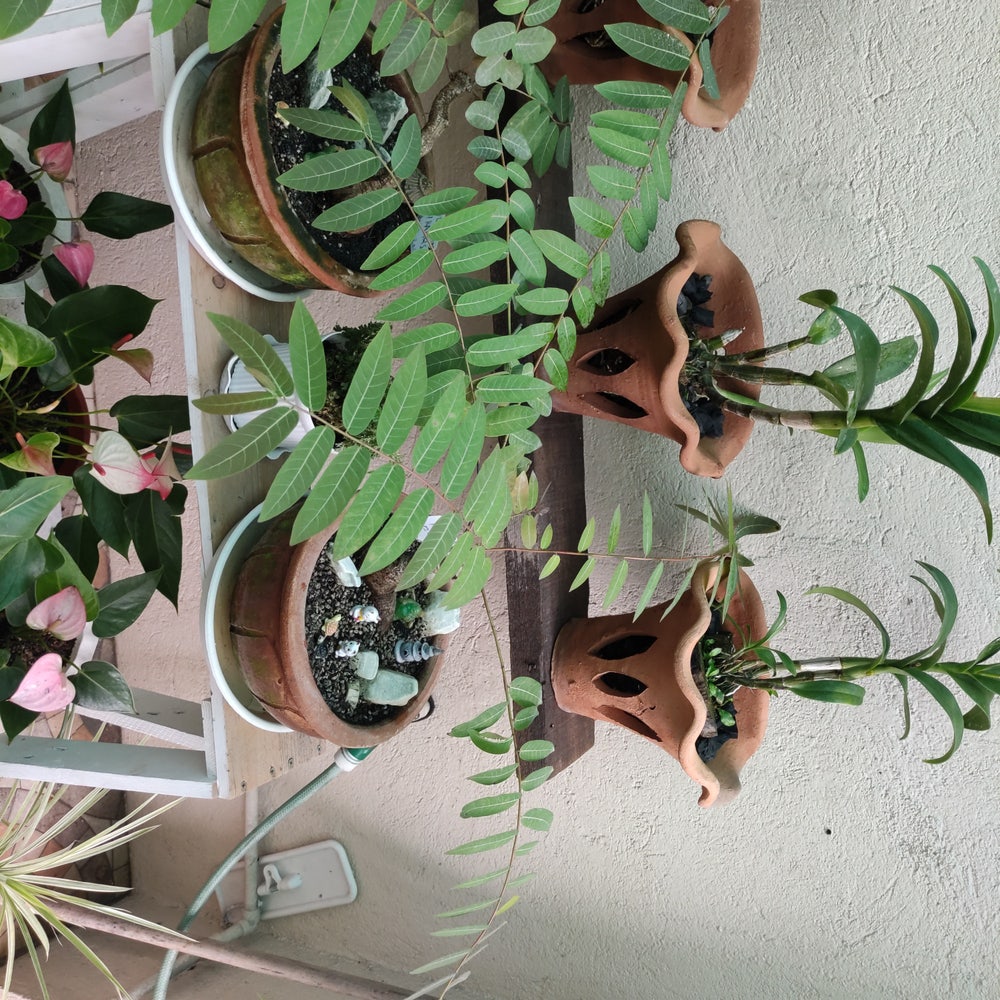
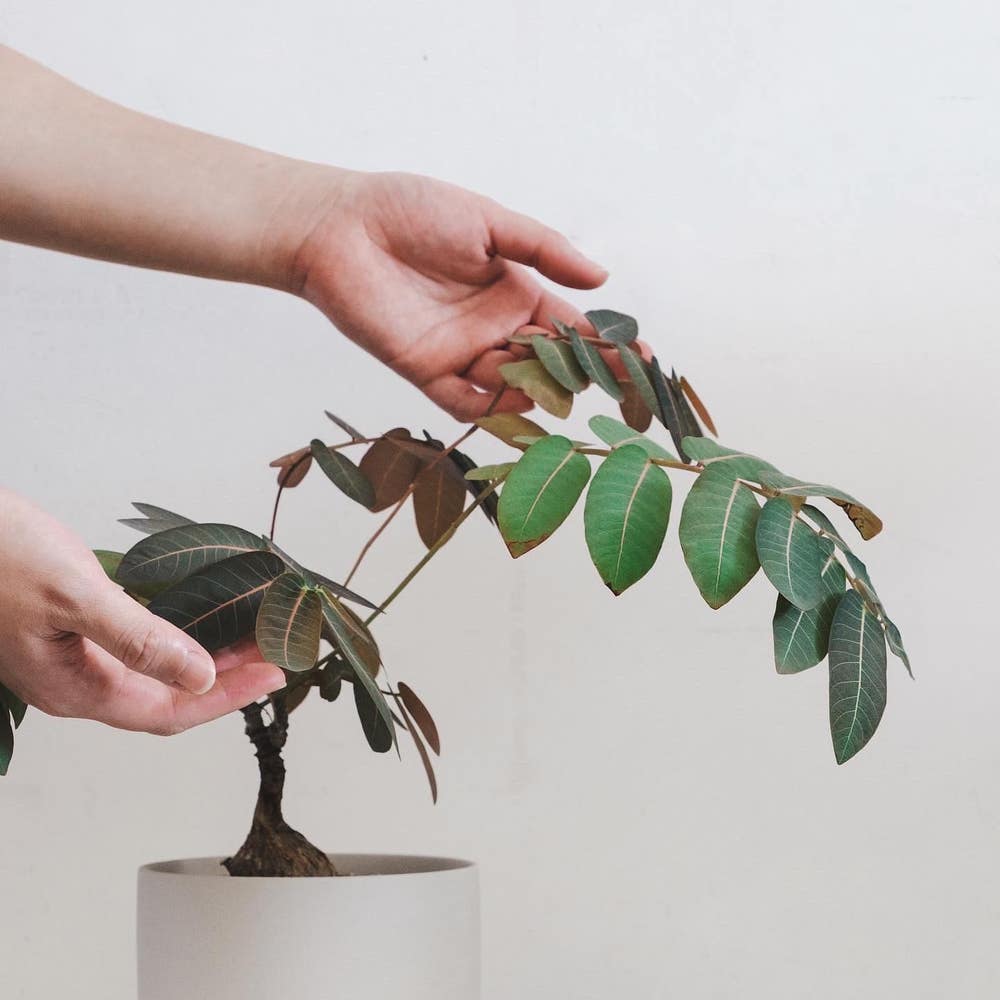
🌿 Overview of Niruri
Phyllanthus debilis Klein ex Willd.
By the Greg Editorial Team
Jan 26, 2025•12 min read
This article was created with the help of AI so we can cover more plants for you. May contain errors. See one? Report it here.
Discover the vibrant beauty and health benefits of growing Niruri in your garden! 🌱✨
- 🌱 Niruri thrives in warm, humid climates; ideal for tropical and subtropical regions.
- ☀️🌿 Optimal growth requires full sun to partial shade and well-draining, fertile soil.
- 🌼 Monthly fertilization and consistent moisture are key for robust Niruri health.
How to Grow
🌍 Choosing a location
To successfully grow Niruri, start by selecting an ideal location. This plant thrives in warm and humid environments, making it perfect for tropical or subtropical climates.
Sunlight is crucial; Niruri prefers full sun to partial shade. Ensure you have enough space to accommodate its bushy growth habit, allowing it to flourish without restrictions.
🏗️ Soil preparation
Next, focus on soil preparation. Niruri thrives in well-draining, fertile soil that provides essential nutrients.
Aim for a soil pH between slightly acidic to neutral (6.0 - 7.0). Incorporating organic matter can significantly enhance soil fertility, giving your plants the best start.
🌱 Planting
Timing is key when planting Niruri. The best time to plant is in spring or early summer, ensuring optimal growth conditions.
When planting, dig a hole 1-2 inches deep and space your plants 12-18 inches apart. This spacing allows for healthy air circulation and growth.
💧 Watering
Watering Niruri requires a careful balance. Keep the soil consistently moist but avoid waterlogging, which can lead to root issues.
Watch for signs of overwatering, such as yellowing leaves or root rot. Conversely, if you notice wilting or dry soil, it may indicate underwatering.
🌿 Fertilizing
Fertilization is essential for robust growth. Establish a monthly fertilization schedule during the growing season to keep your plants healthy.
Opt for a balanced NPK fertilizer (10-10-10) or consider organic options to nourish your Niruri effectively.
✂️ Pruning
Pruning helps maintain the health and shape of your plants. The best time to prune is late summer or early fall.
Focus on removing dead or damaged leaves to encourage new growth and keep your plant looking its best.
🔍 Ongoing care
Ongoing care is vital for a thriving Niruri. Regularly monitor your plants for pests and diseases to catch any issues early.
Be prepared to adjust your care routine based on seasonal changes, ensuring your plants receive the attention they need throughout the year.
🌳 Outdoor vs. container growing
Deciding between outdoor and container growing can impact your Niruri's success. Container growing offers benefits like mobility and a controlled environment, making it easier to manage conditions.
On the other hand, outdoor growing allows for more space and natural sunlight. Consider your available resources and preferences when making this choice.
With the right location, soil, and care, your Niruri will flourish, setting the stage for a vibrant garden. Next, let’s explore how to propagate this remarkable plant!
Propagation
🛠️ Methods
Niruri can be propagated through two primary methods: seed propagation and cutting propagation. Each method has its unique benefits and can be chosen based on your gardening preferences.
🌱 Seed Propagation
Seed propagation is a straightforward way to grow new plants.
- Soak seeds: Start by soaking the seeds for 24 hours before planting to enhance germination.
- Planting depth: Plant the seeds about 1/4 inch deep in moist soil.
- Germination time: Expect germination within 7-14 days, depending on conditions.
✂️ Cutting Propagation
Cutting propagation allows you to clone existing plants easily.
- Select stems: Choose healthy stems that are 4-6 inches long.
- Prepare cuttings: Remove the lower leaves from the stems.
- Rooting method: Place the cuttings in water or moist soil.
- Rooting time: Roots should develop in about 2-3 weeks.
Both methods are effective, so choose the one that fits your gardening style best. With a little patience and care, you’ll soon have thriving Niruri plants to enjoy!
Lifecycle
Life Cycle Overview 🌱
Niruri is classified as a fast-growing perennial, thriving under optimal conditions. Its lifespan typically spans 2-3 years, making it a reliable addition to your garden.
Stages from Seed to Maturity 🌿
The journey of Niruri from seed to maturity unfolds in several stages:
- Germination: Takes about 7-14 days.
- Seedling Stage: Lasts 2-4 weeks.
- Vegetative Growth: Occurs over 4-8 weeks.
- Flowering: Takes 8-12 weeks.
- Seed Production: Follows the flowering phase.
Growth Timeline ⏳
Expect Niruri to reach full maturity in approximately 3-4 months. This rapid growth allows you to enjoy its benefits sooner than many other plants.
Growth Rate 📈
Niruri boasts a fast growth rate, often reaching heights of up to 1 meter (3 feet). This impressive growth makes it an eye-catching addition to any garden space.
As you explore the lifecycle of Niruri, you'll appreciate its resilience and adaptability. This plant not only thrives quickly but also enriches your garden with its vibrant presence. Next, let’s delve into the size of Niruri and what to expect as it matures.
Size
Mature dimensions 🌱
Niruri can reach impressive heights of up to 1 meter (3 feet) when fully mature. Its spread typically extends to about 60 cm (2 feet), making it a bushy addition to any garden.
Growth rate and variability 🚀
This plant boasts a rapid growth rate, especially when provided with optimal conditions. However, the size can vary significantly based on factors like soil quality and the level of care it receives.
Factors affecting size ☀️
Light exposure plays a crucial role; more sunlight generally results in taller plants. Additionally, consistent watering practices are essential, as they promote healthy growth and prevent stunted development.
As you cultivate Niruri, keep these size-related factors in mind to ensure your plant thrives. Next, let’s explore the fascinating process of propagating this resilient herb.
Roots
Characteristics 🌱
Niruri features a fibrous root system that allows it to anchor firmly in the soil. This adaptability enables it to thrive in various soil types, making it a resilient choice for gardeners.
Root Depth and Spread 📏
Typically, the roots reach a depth of 30-45 cm (12-18 inches). They can also spread wider than the plant's canopy, ensuring stability and nutrient absorption.
Common Issues ⚠️
One of the most common problems is root rot, which occurs due to overwatering. Signs of unhealthy roots include dark, mushy textures that indicate distress.
Healthy vs. Unhealthy Roots 🥴
Healthy roots are firm and exhibit a white or light tan color. In contrast, unhealthy roots appear dark, soft, or may even emit a foul smell, signaling a need for immediate attention.
Recognizing Rootbound Plants 🔍
If you notice roots growing out of the drainage holes, your plant may be rootbound. The solution is simple: repotting into a larger container can provide the necessary space for growth.
This understanding of Niruri's roots is crucial for ensuring the plant's health and vitality. Next, we will explore the numerous benefits this remarkable plant offers.
Benefits
Top 5 Benefits 🌟
Medicinal Properties: Niruri is celebrated for its role in traditional medicine, often used to treat various ailments. Its leaves and stems are packed with beneficial compounds that promote overall health.
Detoxification Support: This plant is known for aiding liver health, helping to detoxify the body. Regular consumption can support your liver's natural functions.
Diuretic Effects: Niruri acts as a natural diuretic, promoting kidney function and helping to flush out toxins. This can be particularly beneficial for maintaining urinary health.
Easy to Grow: With low maintenance requirements, Niruri is perfect for both novice and experienced gardeners. It thrives in various conditions, making it accessible to everyone.
Aesthetic Appeal: Beyond its health benefits, Niruri adds a lush, green touch to gardens. Its vibrant foliage can enhance the beauty of any outdoor space.
Symbolism and Cultural Significance 🌿
Niruri holds a revered place in traditional herbal practices. It is often associated with health and wellness, symbolizing vitality and natural healing.
This plant not only enriches your garden but also connects you to a rich history of herbal medicine. Embracing Niruri can deepen your appreciation for nature's gifts and their role in holistic health.
As you consider adding Niruri to your garden, remember its multifaceted benefits. From its medicinal properties to its aesthetic charm, this plant is a true gem in the world of gardening.
Next, let's explore how to propagate Niruri effectively, ensuring you can share its benefits with others.
Companion Plants
🌱 Concept of Companion Planting
Companion planting is a gardening technique that pairs plants together for mutual benefits. This practice can lead to improved growth and effective pest management.
🤝 Best Companions
When growing Niruri, consider these ideal companions:
- Basil: Shares similar care needs and acts as a natural pest repellent.
- Marigolds: Known for deterring harmful insects, they can help protect Niruri from pests.
🚫 Plants to Avoid
Be cautious with strongly aromatic herbs. They can compete for nutrients and may hinder the growth of Niruri.
🌼 Benefits of Companion Planting
Companion planting enhances garden diversity and resilience. By strategically selecting plant partners, you can create a more vibrant and productive garden ecosystem.
This approach not only supports the health of your Niruri but also fosters a thriving environment for all your plants. Next, let’s explore the fascinating world of Niruri propagation techniques.
Toxicity to Humans
Safety overview 🌿
Niruri is generally considered safe and is not listed as toxic by major health organizations. However, some individuals may experience mild skin irritation from excessive contact or minor digestive discomfort if consumed in large quantities.
Cautionary advice ⚠️
While Niruri is largely safe, it's wise to exercise caution. If you notice any unusual symptoms after contact or consumption, seeking medical advice is always a good idea.
Edible
Edible Parts 🍃
Niruri offers deliciously edible leaves and stems, while its roots are not suitable for consumption. Enjoying the leaves can add a fresh touch to your meals.
Identification and Harvesting 🌱
When harvesting, focus on picking young, tender leaves for the best flavor. Always wash them thoroughly before use to ensure they are clean and ready for your culinary creations.
Nutritional Value 🥗
These leaves are not just tasty; they are also packed with antioxidants and vitamins. Incorporating them into your diet can provide a nutritious boost.
Cultural Uses 🌍
Niruri has a rich history in traditional dishes and herbal teas. Its unique flavor and health benefits make it a cherished ingredient in various cultures, enhancing both taste and wellness.
As you explore the culinary potential of Niruri, you'll discover its versatility and health benefits. Next, let’s dive into its significance in traditional medicine and how it can support your overall health.
Toxicity to Dogs
Safety overview 🐶
Niruri is generally safe for dogs, as it is not listed as toxic by major pet poison control centers. However, if consumed in large quantities, it may cause mild gastrointestinal upset.
Tips for homes with dogs 🏡
To ensure your furry friends stay safe, place Niruri out of their reach. It's also wise to monitor your dog's behavior around new plants to catch any unusual reactions early on.
By taking these simple precautions, you can enjoy the beauty of Niruri in your garden without worrying about your dog's health.
Toxicity to Cats
Safety Overview 🐾
Niruri is not listed as toxic by major pet poison control centers. However, if consumed in large quantities, it may cause mild gastrointestinal upset in cats.
Tips for Homes with Cats 🏡
To ensure your feline friends stay safe, place Niruri out of their reach. It's also wise to monitor your cat's behavior around new plants to catch any unusual reactions early.
By taking these precautions, you can enjoy the beauty of Niruri in your home while keeping your curious cats safe.
Problems
Common Problems 🌧️
Growing Niruri can be rewarding, but it comes with its share of challenges. The most common issues are overwatering and underwatering.
Overwatering leads to yellowing leaves and root rot, which can be detrimental to the plant's health. Conversely, underwatering results in wilting and dry soil, signaling that your plant is thirsty.
Identifying Symptoms 🔍
Recognizing the symptoms early can save your plant from serious damage. Leaf discoloration is a telltale sign of distress, while stunted growth indicates that something is off.
Keep an eye out for these signs to ensure your Niruri thrives.
Solutions 🛠️
To address these problems, adjust your watering practices based on the soil's moisture level. Regularly check the soil to find the right balance, ensuring it remains consistently moist but not soggy.
With careful monitoring, you can keep your Niruri healthy and flourishing.
Bugs
🐜 Potential Pest Issues
Niruri is generally pest-resistant, making it a robust choice for gardeners. However, it can still fall prey to a few specific pests that you should keep an eye out for.
🔍 Identification and Damage
Spider Mites are a common nuisance. They leave fine webbing on leaves and cause noticeable leaf damage.
Aphids are another threat. These tiny insects produce a sticky residue and can stunt the growth of your plants.
🧴 Treatment Options
To combat these pests, Neem Oil is a fantastic option. It's effective against a variety of pests while being gentle on your plants.
Insecticidal Soap is also a safe and effective treatment. It can help eliminate pests without harming your Niruri.
By staying vigilant and using these treatments, you can keep your Niruri thriving and healthy. Now, let's explore how to recognize and address common problems that may arise in your garden.
What Eats Niruri
Common Animals 🦌
Niruri, while resilient, can attract a few hungry visitors. Deer are known to browse on its leaves, while rabbits often find delight in munching on young shoots.
Signs of Damage 🐾
Keep an eye out for signs of these critters. Chewed leaves and tracks in the soil can indicate that your Niruri is being nibbled on.
Deterrent Methods 🚫
To protect your plants, consider implementing some deterrent methods. Fencing can create a physical barrier against larger animals, while organic repellents can help by utilizing scents that these animals dislike.
By taking these steps, you can ensure your Niruri thrives without unwanted guests. Now, let’s explore how to effectively manage any potential pest issues that may arise.
⚠️ Safety First
This content is for general information and may contain errors, omissions, or outdated details. It is not medical, veterinary advice, or an endorsement of therapeutic claims.
Always consult a qualified healthcare professional before using any plant as food, medicine, or supplement.
Never eat any plant (or feed one to pets) without confirming its identity with at least two trusted sources.
If you suspect poisoning, call Poison Control (800) 222-1222, the Pet Poison Helpline (800) 213-6680, or your local emergency service immediately.
Spotted an error? Please report it here.
Niruri is a stunning plant that loves warmth and humidity, and with Greg's customized care reminders 🌱, you can effortlessly keep it thriving and healthy all year round!