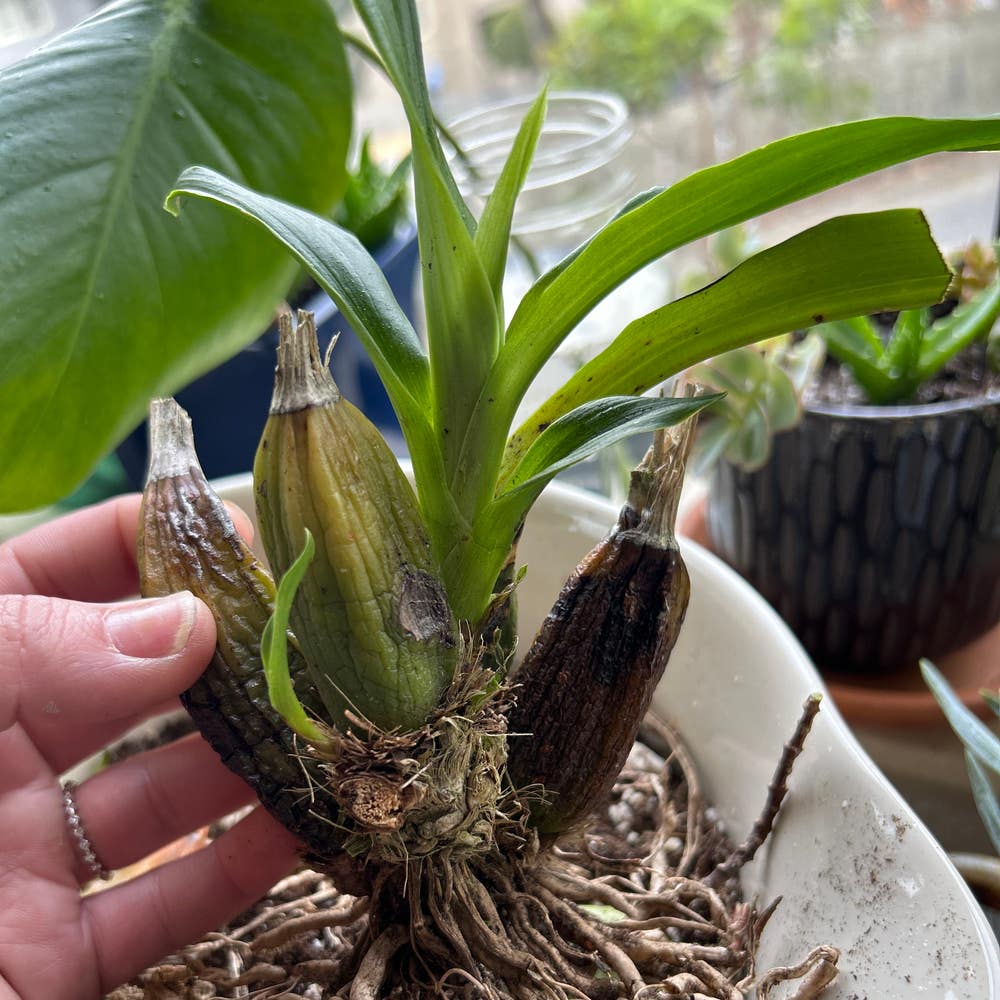
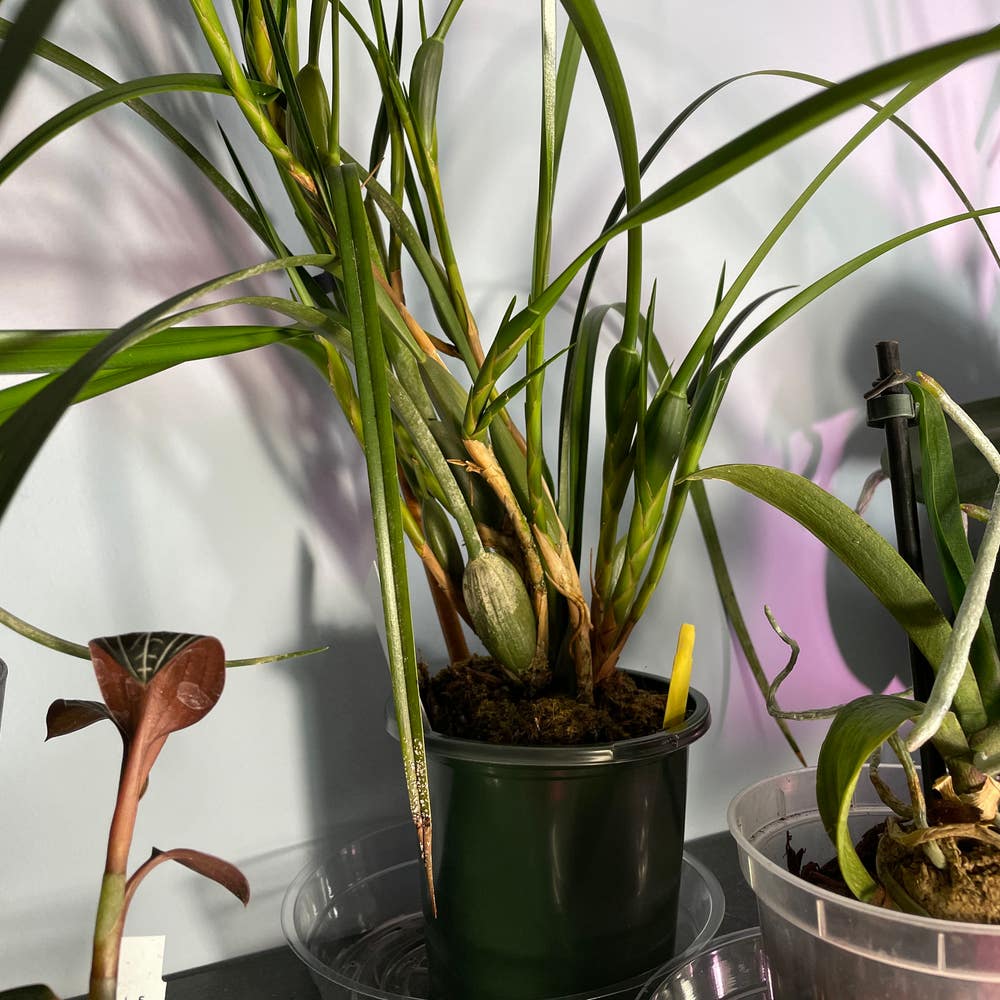
Overview of Necklace Orchid 💎
Eulophia monile
By the Greg Editorial Team
Feb 27, 2025•12 min read
This article was created with the help of AI so we can cover more plants for you. May contain errors. See one? Report it here.
Elevate your home with beautiful Necklace Orchids 🌸 that purify the air and bring joy to your space! 🌱
- 🌡️🌿 Necklace Orchids thrive in warm, humid environments with bright, indirect sunlight.
- 💧 Water when the top inch is dry, typically every 1-2 weeks for optimal health.
- 🌼 Prune after flowering to encourage new growth and maintain plant vitality.
How to Grow
Choosing a Location 🌞
To thrive, Necklace Orchids prefer warm, humid environments. Aim for temperatures between 20°C to 30°C (68°F to 86°F) and provide bright, indirect sunlight to avoid leaf scorch.
Soil Preparation 🌱
Selecting the right soil is crucial for your orchid's health. A well-draining orchid mix, either bark-based or sphagnum moss, is recommended, with a pH level between 5.5 and 7.0 for optimal growth.
Planting Techniques 🌿
When planting, ensure that the pseudobulbs sit above the soil level to prevent rot. Choose pots with drainage holes to promote airflow and prevent water accumulation.
Watering Requirements 💧
Water your Necklace Orchid when the top inch of soil feels dry, typically every 1-2 weeks. Soak the plant thoroughly and allow excess water to drain out to keep roots healthy.
Fertilizing Schedule 🍽️
Use a balanced orchid fertilizer, such as a 20-20-20 mix, diluted to half strength. Fertilize every 2-4 weeks during the growing season, which is spring and summer, to support growth.
Pruning Methods ✂️
Prune your orchid after flowering to encourage new growth. Focus on removing dead or yellowing pseudobulbs and spent flower spikes to keep the plant healthy.
Ongoing Care 🌈
Maintain humidity levels around 50-70% by using humidity trays or misting. Additionally, protect your orchid from cold drafts and extreme temperature fluctuations to ensure its well-being.
With these guidelines, you can create the perfect environment for your Necklace Orchid to flourish. Next, let’s explore how to propagate this beautiful plant!
Propagation
🌱 Methods of Propagation
Propagation of the Necklace Orchid can be achieved through two primary methods: division and cuttings.
- Division involves splitting mature plants into smaller sections, allowing each section to grow independently.
- Cuttings require taking healthy stem sections from the plant, which can then be rooted to create new plants.
📝 Step-by-Step Instructions
To propagate by division, follow these steps:
For division: Carefully separate pseudobulbs with roots attached. Ensure each division has at least one healthy pseudobulb for successful growth.
For cuttings: Cut healthy stems into sections, making sure each piece has at least one node. Allow the cut ends to callous for 24 hours before planting them in a suitable medium.
With these methods, you can expand your collection of Necklace Orchids or share them with friends. Propagation not only enhances your gardening experience but also fosters a deeper connection with these beautiful plants.
Lifecycle
Lifecycle Stages 🌱
The lifecycle of the Necklace Orchid begins with germination, where seeds need warmth and moisture to sprout. This delicate phase sets the foundation for the plant's future growth.
Next is the seedling stage, where roots and leaves start to develop, establishing the plant's structure. This is a crucial time for nurturing the young orchid.
During the vegetative growth phase, the plant actively grows, producing more leaves and pseudobulbs. This period is vital for building energy reserves for future flowering.
Flowering typically occurs 1-3 years after planting, influenced by environmental conditions. This is the moment every grower eagerly anticipates, as vibrant blooms emerge.
Finally, after flowering, the plant enters the seed production stage. Seeds can be collected for propagation, continuing the cycle of life for the Necklace Orchid.
Lifespan and Growth Timeline ⏳
With proper care, Necklace Orchids can live for several years, providing beauty and joy. Their overall lifespan is a testament to their resilience and adaptability.
It takes approximately 2-3 years for these orchids to reach full size and begin flowering. Patience is key, but the reward of stunning blooms makes the wait worthwhile.
As you nurture your Necklace Orchid, remember that each stage of its lifecycle is an opportunity to learn and grow alongside it.
Size
Mature Height and Spread 🌱
The Necklace Orchid typically reaches a mature height of 1 to 3 feet (30 to 90 cm), depending on the specific variety. Its spread can extend up to 2 feet (60 cm) wide, making it a striking addition to any space.
Growth Habits and Rate 📈
This orchid exhibits an upright growth habit, characterized by cascading pseudobulbs that create a visually appealing display. Its growth rate is moderate, influenced by factors such as light, humidity, and overall care.
Size Variability 📏
Size variability is a key aspect of growing Necklace Orchids. When provided with optimal conditions, these plants can flourish and achieve larger sizes; however, poor environmental factors may stunt their growth.
Understanding these size characteristics can help you create the perfect environment for your Necklace Orchid, ensuring it thrives and adds beauty to your home or garden. Next, let’s explore the fascinating process of propagating these stunning plants.
Roots
🌱 Root System Characteristics
The Necklace Orchid features a fibrous root system that spreads shallowly. Typically, these roots grow within the top few inches of soil, making them sensitive to their environment.
⚠️ Common Root-Related Issues
One of the most common problems is root rot, which occurs due to overwatering. Symptoms include mushy roots and yellowing leaves, signaling that your plant needs immediate attention.
Another issue is becoming rootbound, which happens when the roots fill the pot. Signs of this condition include stunted growth and water pooling on the surface, indicating it's time for a change.
✅ Identifying Healthy vs. Unhealthy Roots
Healthy roots are firm, white, and plump, showcasing a thriving plant. In contrast, unhealthy roots appear dark, mushy, or shriveled, indicating that something is amiss.
🔍 Recognizing Rootbound Plants
To identify a rootbound plant, look for roots growing out of drainage holes or circling the pot. If you notice these signs, it's crucial to repot into a larger container or consider dividing the plant to promote healthy growth.
Understanding the root system of your Necklace Orchid is essential for its overall health. By keeping an eye on these indicators, you can ensure your plant thrives and flourishes.
Next, let’s explore the benefits of growing this beautiful orchid.
Benefits
Top 5 Benefits 🌟
Aesthetic Appeal
Necklace Orchids are stunning additions to any space. Their unique shapes and vibrant colors bring beauty and elegance to both indoor and outdoor environments.
Air Purification
These orchids do more than just look good; they help improve indoor air quality. By filtering toxins, they create a healthier living space.
Cultural Significance
In various Asian traditions, Necklace Orchids symbolize beauty and elegance. Their presence can add a touch of cultural richness to your home or garden.
Unique Flowering
The vibrant flowers of Necklace Orchids are not only visually striking but also attract pollinators. This makes them a fantastic choice for gardeners looking to enhance biodiversity.
Therapeutic Effects
Gardening with orchids can be incredibly therapeutic. Engaging with plants reduces stress and promotes overall well-being, making it a rewarding hobby.
Incorporating Necklace Orchids into your life offers numerous benefits, from enhancing your space to improving your mental health. Next, let’s explore the concept of companion planting and how these orchids can thrive alongside other plants.
Companion Plants
Concept of Companion Planting 🌱
Companion planting is all about growing plants together that can help each other thrive. This practice can enhance growth, deter pests, and create a more vibrant garden environment.
Best Companion Plants 🌼
When it comes to Necklace Orchids, consider pairing them with ferns, bromeliads, and other orchids. These companions thrive in similar humidity and light conditions, making them ideal partners.
- Ferns: They provide a lush backdrop and help maintain humidity.
- Bromeliads: Their unique structure adds visual interest while sharing similar care needs.
- Other Orchids: They create a harmonious display and benefit from the same growing conditions.
These combinations not only enhance garden diversity but also improve pest management, creating a balanced ecosystem.
Plants to Avoid 🚫
While some plants make great companions, others can hinder your Necklace Orchid's growth. Avoid heavy feeders or plants that require different watering regimes, such as succulents.
- Heavy Feeders: They can compete for nutrients, leaving your orchid deprived.
- Succulents: Their low water needs clash with the humidity-loving nature of orchids.
By choosing the right companions, you can create a thriving environment for your Necklace Orchid and enjoy a beautiful, diverse garden.
As you explore companion planting, consider how these relationships can enhance your gardening experience and foster a flourishing plant community.
Toxicity to Humans
🛡️ Safety for Humans
The Necklace Orchid is a safe choice for households, as it is not listed as toxic to humans by major poison control centers. You can handle and even ingest small amounts without worry.
⚠️ Potential Minor Issues
While generally safe, consuming large quantities may lead to mild skin irritation or digestive discomfort. It's always wise to be cautious with any plant.
🩹 Cautionary Advice
Even with its non-toxic status, it's best to exercise caution. If you experience any unusual symptoms after contact or ingestion, seek medical advice promptly.
In summary, the Necklace Orchid is a beautiful addition to your home that poses minimal risk to humans. Enjoy its elegance while keeping a watchful eye on your surroundings!
Toxicity to Dogs
Safety for Dogs 🐶
The Necklace Orchid is not considered toxic to dogs according to major pet poison control centers. This means you can enjoy this beautiful plant without worrying about your furry friends.
Potential Minor Issues ⚠️
While generally safe, ingestion of large quantities may lead to mild gastrointestinal upset in dogs. It's always best to monitor their behavior around new plants.
Tips for Introducing to Homes with Dogs 🏡
To keep your Necklace Orchid safe, place it out of reach of curious dogs. Additionally, observe your pets around the plant to ensure they don't show unusual interest or behavior.
With these precautions, you can enjoy the beauty of your Necklace Orchid while keeping your canine companions safe and sound. Next, let’s explore how this plant interacts with our feline friends.
Toxicity to Cats
Safety for Cats 🐱
The Necklace Orchid is not considered toxic to cats, according to major pet poison control centers. This means you can enjoy this beautiful plant without worrying about your feline friends.
Potential Minor Issues ⚠️
While generally safe, ingesting large quantities of the Necklace Orchid may lead to mild gastrointestinal upset in cats. It's always best to monitor your pets around any new plant.
Tips for Introducing to Homes with Cats 🏡
To keep your Necklace Orchid safe, position it where cats cannot easily access it.
Additionally, keep an eye on your cats for any unusual interest or behavior around the plant. This proactive approach ensures a harmonious environment for both your plants and pets.
As you welcome this stunning orchid into your home, remember that a little caution goes a long way in maintaining a safe space for your curious companions.
Problems
Common Problems 🌱
Growing Necklace Orchids can be rewarding, but they come with their share of challenges. Here are the most common problems you might encounter:
- Incorrect watering: Underwatering leads to wilting, while overwatering causes yellowing leaves.
- Incorrect light conditions: Insufficient light results in leggy growth, whereas too much direct sunlight can scorch the leaves.
- Incorrect temperature: Extreme temperatures can stunt growth or cause leaves to drop.
- Diseases: Fungal issues, such as powdery mildew and black rot, can affect your plant's health.
- Root problems: Overwatering can lead to root rot, resulting in mushy roots.
Symptoms and Causes 🔍
Identifying problems early is key to keeping your Necklace Orchid healthy. Pay attention to visual cues and environmental factors:
- Wilting: Indicates underwatering; check soil moisture.
- Yellowing leaves: A sign of overwatering; assess your watering schedule.
- Leggy growth: Suggests insufficient light; consider relocating your plant.
- Leaf scorch: Caused by too much direct sunlight; adjust its position.
- Stunted growth: Often linked to incorrect temperature; monitor your plant's environment.
Solutions 🛠️
Resolving these issues can be straightforward. Here are some simple steps to revive your Necklace Orchid:
- Watering: Adjust your watering routine based on soil moisture. Water only when the top inch feels dry.
- Light conditions: Move your orchid to a spot with bright, indirect sunlight to promote healthy growth.
- Temperature: Ensure your plant is in a stable environment, away from drafts and extreme temperature changes.
- Fungal diseases: Treat with fungicides or remove affected leaves to prevent spread.
- Root issues: If you suspect root rot, repot your orchid in fresh, well-draining soil and reduce watering frequency.
By staying vigilant and addressing these common problems, you can keep your Necklace Orchid thriving and beautiful. Next, let’s explore how to effectively propagate this stunning plant.
Bugs
🐛 Potential Pest Issues
While Necklace Orchids are generally resilient, they can still fall victim to certain pests. Keeping an eye out for these intruders is essential for maintaining the health of your plant.
🔍 Identification and Damage
Common pests that may target your Necklace Orchid include:
- Spider Mites: Tiny and often invisible, they can cause significant damage.
- Mealybugs: These white, cottony bugs can cluster on leaves and stems.
- Aphids: Small and green, they suck sap from the plant.
- Whiteflies: These tiny, flying insects can be a nuisance.
Damage from these pests often manifests as leaf discoloration, stunted growth, and an overall decline in plant vitality. If you notice these symptoms, it’s time to investigate further.
🧪 Treatment Options
To combat these pests effectively, consider the following treatments:
- Insecticidal Soap: A safe and effective option that suffocates pests on contact.
- Neem Oil: This natural pesticide disrupts the life cycle of insects.
- Beneficial Insects: Introducing ladybugs or lacewings can help keep pest populations in check.
By staying vigilant and employing these treatments, you can keep your Necklace Orchid thriving and beautiful. Remember, a little prevention goes a long way in pest management!
What Eats Necklace Orchid
🦌 Common Animals
Necklace Orchids can attract a variety of hungry critters. The most common threats include deer, rabbits, squirrels, and rodents, all of which may find your beautiful orchids quite tempting.
👀 Signs of Animal Presence
To know if your Necklace Orchid is being targeted, look for specific signs. Chewed leaves, droppings scattered around, and tracks in the soil can all indicate that animals are enjoying a snack from your plant.
🚫 Deterrent Methods
Protecting your Necklace Orchid from these pests is essential. Consider using chemical repellents or organic options like garlic spray.
Fencing can also be an effective barrier, especially against larger animals like deer. Additionally, companion planting with herbs or flowers that deter pests can enhance your garden's defenses.
By employing these strategies, you can keep your Necklace Orchid safe and thriving.
⚠️ Safety First
This content is for general information and may contain errors, omissions, or outdated details. It is not medical, veterinary advice, or an endorsement of therapeutic claims.
Always consult a qualified healthcare professional before using any plant as food, medicine, or supplement.
Never eat any plant (or feed one to pets) without confirming its identity with at least two trusted sources.
If you suspect poisoning, call Poison Control (800) 222-1222, the Pet Poison Helpline (800) 213-6680, or your local emergency service immediately.
Spotted an error? Please report it here.
Nurture your Necklace Orchid to bloom beautifully 🌺 with Greg's custom watering alerts and expert care tips that ensure your plant thrives in its ideal environment!