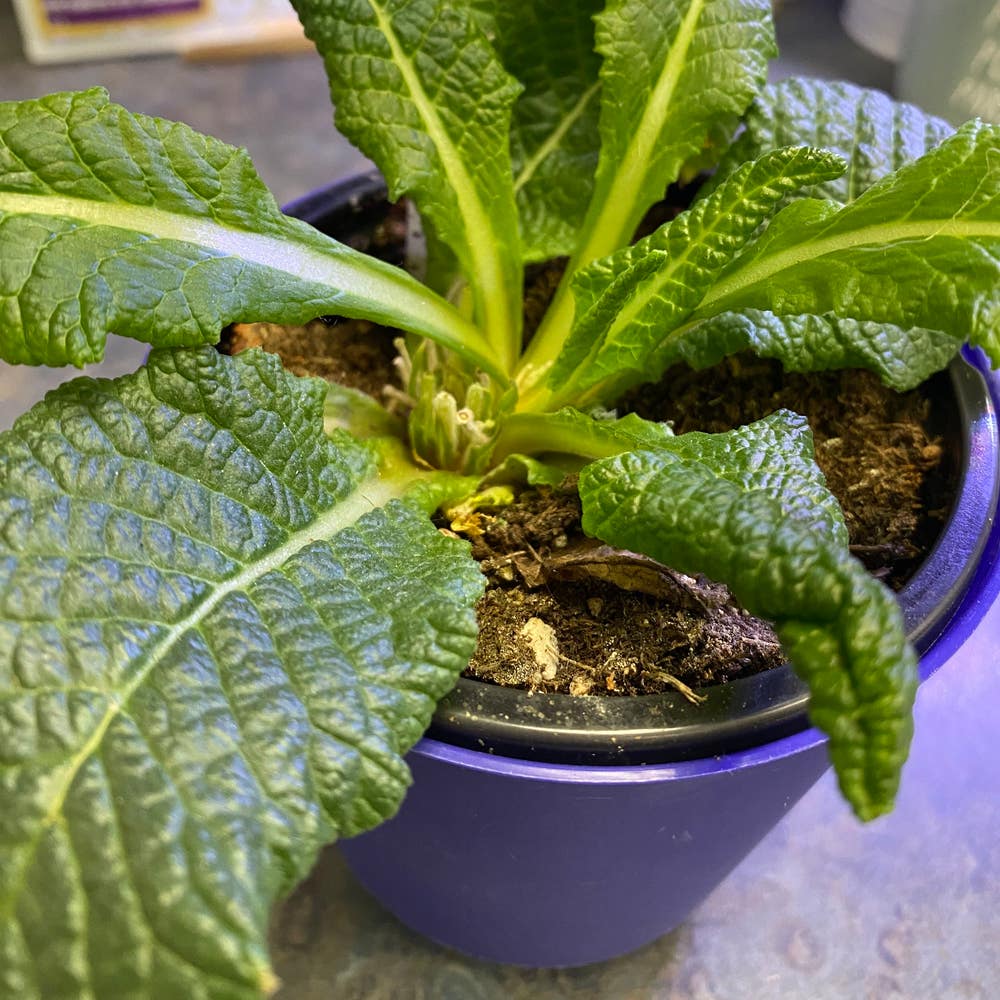
Mistassini Primrose: A Comprehensive Overview 🌸
Primula mistassinica
By the Greg Editorial Team
Feb 02, 2025•11 min read
This article was created with the help of AI so we can cover more plants for you. May contain errors. See one? Report it here.
Elevate your garden with vibrant Mistassini Primrose 🌼—a low-maintenance beauty that attracts pollinators and thrives effortlessly!
- 🌞💧 Mistassini Primrose thrives in various light and moisture conditions for optimal growth.
- 🌱 Regular watering and well-drained soil are crucial to prevent root issues.
- 🐝 This low-maintenance plant attracts pollinators and is safe for pets and humans.
How to Grow
Choosing a Location 🌍
When growing Mistassini Primrose, the location is key. Aim for partial shade to full sun, adjusting based on how moist the area tends to be.
Consider whether you’ll plant outdoors or in containers. Container gardening offers flexibility, but outdoor settings can provide more natural moisture.
Soil Preparation 🪴
The right soil is crucial for healthy growth. Mistassini Primrose thrives in moist, well-drained soils that are rich in organic matter.
Aim for a pH level between 6.0 and 7.0, which is slightly acidic to neutral. This balance helps ensure optimal nutrient availability.
Planting Techniques 🌱
Getting the planting depth right is essential. Plant your seeds or seedlings 1-2 inches deep to promote strong root development.
For spacing, keep plants 12-18 inches apart. This allows each plant enough room to grow without competing for resources.
Watering Requirements 💧
Watering is all about consistency. Keep the soil consistently moist, but avoid waterlogging, which can lead to root issues.
Consider using drip irrigation for efficiency or establish a regular watering schedule. This helps maintain the right moisture levels.
Fertilizing Schedule 🌼
A balanced, slow-release fertilizer works wonders for Mistassini Primrose. Apply it during the growing season every 4-6 weeks for best results.
This feeding schedule supports healthy growth and vibrant blooms throughout the season.
Pruning Methods ✂️
Pruning is an important part of ongoing care. Aim to prune after flowering to encourage fresh growth for the next season.
Focus on removing dead or damaged leaves and spent flowers. This keeps the plant healthy and looking its best.
Ongoing Care Tips 🔍
Regular maintenance is key to thriving plants. Monitor moisture levels and adjust your watering as needed to prevent stress.
Additionally, keep an eye out for pests and diseases. Early detection can save your plants from serious issues down the line.
By following these guidelines, you’ll create an environment where Mistassini Primrose can flourish. Next, let’s explore how to propagate this beautiful plant effectively.
Propagation
🌱 Seed Propagation
Seed propagation is a straightforward method for growing Mistassini Primrose. Start by collecting seeds after the flowering period.
Next, sow the seeds in a seed tray, lightly covering them with soil.
Maintain consistent moisture and keep the tray in a warm spot, ideally between 65-70°F (18-21°C), to encourage germination. This method is easy and perfect for beginners.
🌿 Division Propagation
Division propagation is another effective way to expand your Mistassini Primrose collection. The best time for this method is early spring or fall.
Begin by carefully digging up the plant and separating the root clumps.
Replant the divisions immediately in prepared soil to ensure they establish well. This technique requires a bit more care but is rewarding for those looking to propagate their plants.
With these propagation methods, you can easily grow more Mistassini Primrose and enjoy its beauty in your garden. Next, let’s explore the lifecycle of this fascinating plant.
Lifecycle
Lifecycle Stages 🌱
The Mistassini Primrose is a perennial plant that goes through several distinct stages in its lifecycle. These stages include seed or cutting, germination, seedling, vegetative growth, flowering, and seed production.
Each stage plays a crucial role in the plant's development, with the entire process taking approximately 1-2 years to reach maturity. This timeline allows gardeners to anticipate when to expect vibrant blooms and the potential for seed production.
Understanding these stages can enhance your gardening experience, as you can monitor progress and provide the necessary care at each phase. With patience and proper attention, your Mistassini Primrose will flourish beautifully in your garden.
As we explore the lifecycle, it's essential to consider how these stages impact the overall growth and health of the plant. Next, we will delve into the size of the Mistassini Primrose, focusing on its mature height and spread.
Size
Mature Height and Spread 🌱
The Mistassini Primrose typically reaches an average height of 12 to 18 inches. In terms of spread, expect it to extend between 12 and 24 inches, creating a lovely, lush presence in your garden.
Growth Rate and Size Variability 📈
Several factors can influence the size of your Mistassini Primrose. Soil quality, moisture levels, and sunlight exposure all play crucial roles in determining how robust and expansive your plants will become.
Understanding these variables can help you optimize growing conditions and achieve the best results. With the right care, you’ll see your primrose flourish beautifully!
As you consider the size and growth of your Mistassini Primrose, keep in mind the next steps in its care and maintenance.
Roots
🌱 Root System Characteristics
The Mistassini Primrose features a fibrous root system that is both shallow and extensive. This structure allows the plant to efficiently absorb moisture and nutrients from the surrounding soil.
⚠️ Common Root-Related Issues
One of the most common problems faced by Mistassini Primrose is root rot, which typically results from overwatering. Signs of this issue include wilting and yellowing leaves, indicating that the roots are struggling to function properly.
🔍 Identifying Healthy vs. Unhealthy Roots
Healthy roots are characterized by their firmness, white color, and a well-spread appearance. In contrast, unhealthy roots may appear dark, mushy, or emit a foul smell, signaling that the plant is in distress.
Understanding the root system and its health is crucial for the overall well-being of your Mistassini Primrose. By keeping an eye on these indicators, you can ensure your plant thrives and flourishes.
Next, let’s explore the benefits of growing this beautiful plant in your garden.
Benefits
Key Benefits of Growing Mistassini Primrose 🌼
Growing Mistassini Primrose comes with a host of benefits that can enhance any garden. Here are some key advantages:
Attracts Pollinators: This plant is a magnet for bees, butterflies, and other pollinators, contributing to a vibrant ecosystem in your garden.
Thrives in Wet Conditions: Ideal for bog gardens, it flourishes in moist environments where many other plants struggle.
Vibrant Flowers: The stunning blooms add a splash of color, making your landscape more visually appealing.
Low Maintenance: Once established, Mistassini Primrose requires minimal care, making it perfect for beginner gardeners or those with busy schedules.
Cultural Significance: In native regions, this plant symbolizes resilience and beauty, adding a meaningful touch to your garden.
These benefits not only make Mistassini Primrose a practical choice but also a delightful addition to any outdoor space. As you consider your gardening options, think about how this plant can enrich your landscape and support local wildlife.
Next, let’s explore the best companion plants that can thrive alongside Mistassini Primrose, enhancing both aesthetics and health in your garden.
Companion Plants
Best Companion Plants 🌱
When growing Mistassini Primrose, consider pairing it with moisture-loving companions like marsh marigold and ferns. These plants thrive in similar conditions, creating a harmonious garden environment.
Plants to Avoid 🚫
It's best to steer clear of drought-tolerant plants. They can compete for moisture, potentially stressing your primrose and hindering its growth.
Creating a Balanced Garden 🌼
By selecting the right companions, you can enhance the beauty and health of your garden. A well-planned plant arrangement not only supports the primrose but also attracts beneficial pollinators, enriching your garden's biodiversity.
Final Thoughts 💭
Choosing the right companion plants is crucial for the success of your Mistassini Primrose. With the right partners, you can create a thriving, vibrant garden that showcases the beauty of these unique flowers.
Next, let’s explore the potential toxicity of Mistassini Primrose to humans, dogs, and cats.
Toxicity to Humans
🛡️ Safety for Humans
The Mistassini Primrose is not listed as toxic by major poison control centers, making it a safe choice for gardens. You can handle and even consume it in small amounts without worry.
However, it's wise to be cautious. Some individuals may experience mild skin irritation or digestive discomfort if they consume too much.
Always remember to exercise care with any plant. If you notice unusual symptoms after contact or ingestion, seeking medical advice is the best course of action.
With this knowledge, you can enjoy the beauty of the Mistassini Primrose while keeping safety in mind. Now, let’s explore how this plant interacts with our furry friends!
Toxicity to Dogs
Safety for Dogs 🐶
The Mistassini Primrose is not toxic according to pet poison control centers. This means it’s generally safe for your furry friends to be around.
However, while the plant poses no significant threat, minor issues could arise from excessive consumption. It's wise to keep the plant out of reach of curious dogs and to monitor their behavior around it.
By taking these precautions, you can enjoy the beauty of the Mistassini Primrose without worrying about your dog's safety.
As we move forward, let’s explore how this plant interacts with our feline companions.
Toxicity to Cats
Safety for Cats 🐱
The Mistassini Primrose is not toxic according to major pet poison control centers. This means it’s generally safe for your feline friends to be around.
Minor Issues from Excessive Consumption 🍽️
While the plant poses no significant threat, excessive consumption could lead to minor issues. It's wise to keep an eye on your cat's behavior if they show interest in nibbling on the leaves.
Placement Considerations 📍
To ensure safety, position the Mistassini Primrose where cats cannot easily access it. This simple precaution can prevent any potential overindulgence and keep your plant thriving.
Monitoring Behavior 👀
Always monitor your cat for any unusual behavior around the plant. If you notice anything concerning, consult a veterinarian for peace of mind.
In summary, the Mistassini Primrose is a cat-friendly plant that can add beauty to your garden without posing a risk to your furry companions. Now, let’s explore the common problems that might arise while growing this lovely plant.
Problems
Common Problems with Mistassini Primrose 🌱
Growing Mistassini Primrose can be rewarding, but it’s essential to be aware of potential problems that may arise. Here are some common issues to watch for:
Incorrect Watering
Watering is crucial for the health of your primrose. If the plant wilts, it may be underwatered, while yellowing leaves often indicate overwatering.
Incorrect Light Conditions
Light plays a significant role in plant health. Too much sun can cause leaf scorch, while insufficient light may lead to leggy growth.
Diseases
Fungal diseases can be a concern, particularly powdery mildew. Look for white spots on leaves as a sign that your plant may be suffering.
Leaf Issues
Yellowing or fuzzy growth on leaves can signal nutrient deficiencies or pest problems. Regular monitoring can help catch these issues early.
Growth Problems
If your primrose isn’t growing, fruiting, or appears leaning and leggy, it may be time to reassess its growing conditions. These symptoms often indicate underlying issues that need addressing.
By staying vigilant and addressing these common problems, you can ensure your Mistassini Primrose thrives in your garden. Next, let’s explore the potential pest issues that could affect your plant.
Bugs
🐞 Potential Pest Issues
While Mistassini Primrose is known for its moderate pest resistance, it can still fall victim to a few pesky intruders. Keeping an eye out for these common pests can help maintain the health of your plants.
🕷️ Spider Mites
Spider mites are a common issue, recognizable by the fine webbing they leave behind and the stippled appearance of affected leaves. If you notice these signs, it's time to act quickly to prevent further damage.
🐜 Aphids
Aphids can also be a nuisance, appearing as small green or black insects on new growth. They suck the sap from the plant, which can stunt its growth and lead to other complications.
❄️ Mealybugs
Mealybugs are another pest to watch for, identifiable by their white, cottony masses on stems and leaves. These pests can weaken your plant significantly if not addressed promptly.
🚫 Prevention and Control
To keep your Mistassini Primrose thriving, regularly inspect your plants for these pests. Early detection is key; if you spot any, consider using insecticidal soap or neem oil to manage the infestation effectively.
By staying vigilant and proactive, you can ensure your Mistassini Primrose remains healthy and vibrant, ready to brighten your garden. Next, let’s explore what animals might be interested in snacking on your beautiful blooms.
What Eats
🦌 Common Animals
If you’re growing Mistassini Primrose, be aware that deer, rabbits, and squirrels might take a liking to your plants. These critters can cause significant damage, so it's essential to recognize the signs of their presence.
👀 Signs of Animal Presence
Look out for tracks, droppings, and chewed leaves. These indicators can help you identify which animals are visiting your garden and potentially snacking on your primrose.
⚠️ Damage Description
When these animals browse on the foliage, it can lead to stunted growth and an unsightly appearance. Keeping your plants healthy and vibrant is crucial, so monitoring for these issues is key.
🚫 Deterrent Methods
To protect your Mistassini Primrose, consider using chemical repellents or physical barriers like fencing or netting. These methods can effectively keep hungry animals at bay and ensure your plants thrive.
By staying vigilant and employing these strategies, you can enjoy the beauty of your primrose without the worry of unwanted visitors. Next, let’s explore the potential pest issues that can affect your plants.
⚠️ Safety First
This content is for general information and may contain errors, omissions, or outdated details. It is not medical, veterinary advice, or an endorsement of therapeutic claims.
Always consult a qualified healthcare professional before using any plant as food, medicine, or supplement.
Never eat any plant (or feed one to pets) without confirming its identity with at least two trusted sources.
If you suspect poisoning, call Poison Control (800) 222-1222, the Pet Poison Helpline (800) 213-6680, or your local emergency service immediately.
Spotted an error? Please report it here.
Unlock the full potential of your Mistassini Primrose 🌱 with Greg's tailored watering alerts and expert tips to keep your garden thriving and pollinators buzzing!