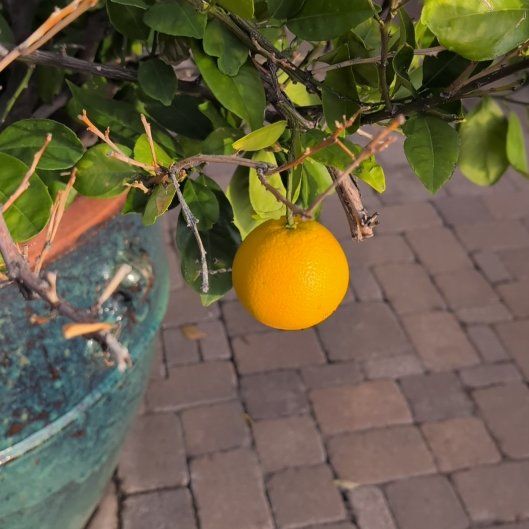
π Fertilizing My Meyer Lemon Tree
Citrus x limon 'Meyer'
By the Greg Editorial Team
Jun 08, 2024•8 min read
This article was created with the help of AI so we can cover more plants for you. May contain errors. See one? Report it here.
Nurture a bountiful Meyer Lemon harvest π with the right fertilization know-how from our comprehensive guide.
- Balanced NPK, focus on P and K, for blooming and fruiting.
- Fertilize in spring, adjust for tree's growth stage and season.
- Avoid over-fertilization, which can cause leaf burn and stunted growth.
Understanding the Relationship Between Fertilization and Blooming
Let's dive into the nutrient needs of your Meyer Lemon Tree, particularly when it's showtime for blooms. Proper fertilization is like a backstage pass for your tree to strut its stuff with abundant flowers and fruit.
πΈ The Fertilization Factor
Blooming isn't just about pretty flowers; it's the prelude to those juicy Meyer lemons. Phosphorus (P) and Potassium (K) are the VIP nutrients here. Think of phosphorus as the director of the blooming orchestra, cueing up your tree to produce more flowers. Potassium, on the other hand, is like the tree's personal trainer, ensuring those blooms are of top-notch quality and the fruit sets properly.
πΏ NPK: The Holy Trinity
Every fertilizer package has a set of three numbers β this is the NPK ratio. For Meyer Lemon Trees, you want a mix that doesn't skimp on phosphorus or potassium. A balanced 10-10-10 or 14-7-14 mix can work wonders. But remember, too much nitrogen and your tree might go all leafy on you, at the expense of flowers and fruit.
π° Timing is Everything
Just as you wouldn't chug an energy drink right before bed, don't fertilize your Meyer Lemon Tree at the wrong time. Spring is when you want to start the fertilization party, as this is when your tree is gearing up for its blooming debut.
π© Reading the Signs
Yellowing leaves can be your tree's cry for help, signaling that it's time to bring out the fertilizer. But don't get trigger-happy β over-fertilization can lead to a drama queen tree with burnt leaves and stunted growth.
π± Organic vs. Synthetic: Choose Your Fighter
Organic options like kelp or fish emulsions are like comfort food for your tree β they release nutrients slowly and improve soil health. Synthetic fertilizers, on the other hand, are the fast food of the plant world β quick and potent. Your choice should align with your tree's needs and your gardening ethos.
Remember, your Meyer Lemon Tree doesn't need a buffet of nutrients β just the right balance to set the stage for a spectacular bloom and bountiful fruit season.
Types of Fertilizers for Meyer Lemon Trees
π± Organic vs. Synthetic Fertilizers
Organic fertilizers are the go-to for the eco-conscious gardener. They release nutrients slowly, improving soil structure and microbial life along the way. Think of them as the slow food movement for plants β good things take time. On the flip side, synthetic fertilizers are the fast food of plant nutrition; quick and targeted, they deliver nutrients directly to your Meyer Lemon Tree, but don't expect them to do the dishes β soil health isn't on their menu.
π NPK Balance is Key
For citrus aficionados, the NPK ratio is like the holy trinity. Nitrogen (N) for lush, green leaves; Phosphorus (P) for robust roots and bountiful blooms; Potassium (K) for overall vigor and disease resistance. A balanced fertilizer with an NPK ratio tailored for citrus is essential. Think of it as a multivitamin for your Meyer Lemon Tree β it's got everything needed for a well-rounded diet.
π Recommendations for Citrus Plants
When choosing a fertilizer, look for labels that sing the praises of citrus or fruit trees. Slow-release options are your best bet for a steady supply of nutrients without the risk of overdoing it. If you're leaning organic, fish emulsion or composted manure can be your best pals. Just remember, more is not always better; stick to the guidelines like a recipe β your tree's health depends on it.
Real-World Advice
Before you start, do a soil test. It's like a check-up for your tree's home β you wouldn't want to live in a place that's not up to snuff, would you? Adjust your fertilization plan based on the test results, and always, always read the label. Over-fertilization is the equivalent of overeating β it can lead to a host of issues, none of which are particularly fun to deal with.
When to Fertilize
Fertilizing your Meyer Lemon Tree isn't rocket science, but it does require some seasonal savvy. Let's dive in.
β° Timing is Everything
Spring into action as the growing season kicks off. Your tree is waking up, stretching its limbs, and craving nutrients. Fertilize monthly during this period of active growth.
βοΈ Summer Lovin'
Keep the feeding frenzy going through summer. Heat and longer days mean your tree is in full beast mode, photosynthesizing like there's no tomorrow. Stick to that monthly schedule.
π Fall Back
As the days shorten, your Meyer Lemon Tree starts to wind down. It's less "feed me" and more "let's just chill." Reduce fertilization to every other month.
βοΈ Winter's Nap
Come winter, your tree is basically Netflixing and not growing much. Ease off the fertilizer pedal. If you're feeling generous, a light feed with higher phosphorus content can be offered once during the season to support root health.
Consistency is Key
Remember, these are more guidelines than gospel. Keep an eye on your tree; it'll tell you if it's hungry or overindulging. And water before and after fertilizing to prevent a root burn horror show.
How to Fertilize
π± Step-by-Step Fertilizing Instructions
- Timing: Kick things off in early spring and keep at it through fall.
- Frequency: Aim for a trifectaβfertilize three times during the growing season.
- Dosage: Less is more. Follow the fertilizer label closely, and when in doubt, underdo it.
- Application: Sprinkle the fertilizer evenly around the drip line, not against the trunk.
- Watering: After applying, water the area to help the nutrients soak in.
π« Avoiding Fertilizer Burn
- Symptoms: Keep an eye out for leaf burn or any sign your tree is more fried than flourishing.
- Prevention: Steer clear of over-fertilizing and ensure even distribution to prevent nutrient hotspots.
π‘ Pro Tips
- Coffee Grounds: Composted grounds can perk up soil acidity. Just make sure they're well-compostedβno caffeine jitters for your tree.
- Soil Test: Consider a soil test kit to stay on top of pH and nutrient levels. It's like a check-up for your soil.
- Stable Environment: If your tree could talk, it'd ask for a steady home with morning sun and afternoon shade, whether indoors or out.
Remember, your Meyer Lemon Tree craves attention but not the smothering kind. Treat it right, and you'll be rewarded with a bounty of zesty lemons.
Signs of Over-Fertilization and Common Mistakes
Recognizing over-fertilization is crucial for the health of your Meyer Lemon Tree. Symptoms include leaf burn, where the tips and margins of leaves turn brown, and stunted growth. You might also see a white crust of fertilizer on the soil, a telltale sign you've gone overboard.
π¨ Symptoms of Excess Fertilizer
- Yellowing leaves with dark-green veins suggest nutrient imbalance.
- Leaf drop before dormancy is a red flag for overfeeding.
- Browning leaf tips and wilting foliage are cries for help from your citrus friend.
β Common Fertilizing Faux Pas
- Overzealous application: More is not always better. Stick to the recommended dosage.
- Wrong timing: Fertilizing at the start of dormancy can do more harm than good.
- Neglecting soil tests: Without them, you're flying blind and might miss underlying issues.
π« Avoiding Over-Fertilization
- Moderation is key: Use fertilizers sparingly and only when needed.
- Observe and adapt: Tailor your fertilizing routine to your tree's response, not a preset schedule.
- Educate yourself: Know the signs of over-fertilization and act swiftly to correct course.
Remember, your Meyer Lemon Tree doesn't need a feast of nutrientsβjust a well-balanced diet. Keep it simple, and your tree will thank you with bountiful blooms.
Adjusting Fertilization for Potted vs. Ground-Planted Trees
π± Potted Meyer Lemon Trees
Space is premium in containers, and nutrients deplete faster due to frequent watering. Use a potting mix with peat moss, potting soil, and perlite to ensure good drainage and aeration. Opt for slow-release fertilizers or liquid feeds that can be easily measured and diluted, reducing the risk of over-fertilization. Apply smaller amounts more frequently, as the limited soil volume can't hold nutrients for long.
π³ Ground-Planted Meyer Lemon Trees
In the ground, Meyer Lemon Trees benefit from the soil's natural nutrient reserves. However, they still need a balanced NPK fertilizer, ideally one with added micronutrients to cover any soil deficiencies. Since these trees can spread their roots wide, distribute fertilizer from the trunk to the drip line and water it in. Remember, less is moreβoverdoing it can lead to nutrient toxicity and soil acidification, especially with products like ammonium sulfate.
πΈ Seasonal Adjustments
Adjust your fertilization schedule based on the tree's growth stage and the season. Active growth calls for more frequent feeding, while during the dormant period, scale back to prevent promoting new growth that's vulnerable to frost. Soil testing can be a game-changer, helping you tailor your approach to the specific needs of your tree, whether potted or planted.
πΏ Organic Matter Matters
Both potted and in-ground trees benefit from organic matter. It improves soil structure, nutrient availability, and can even help suppress root diseases. For potted trees, this might mean incorporating compost into the potting mix. For ground-planted trees, consider mulching with organic materials to enhance soil quality and moisture retention.
β οΈ Safety First
This content is for general information and may contain errors, omissions, or outdated details. It is not medical, veterinary advice, or an endorsement of therapeutic claims.
Always consult a qualified healthcare professional before using any plant as food, medicine, or supplement.
Never eat any plant (or feed one to pets) without confirming its identity with at least two trusted sources.
If you suspect poisoning, call Poison Control (800) 222-1222, the Pet Poison Helpline (800) 213-6680, or your local emergency service immediately.
Spotted an error? Please report it here.