πŸ› What Are The Bugs on My Meyer Lemon Tree?

Citrus x limon 'Meyer'

By the Greg Editorial Team

Jun 08, 20249 min read

This article was created with the help of AI so we can cover more plants for you. May contain errors. See one? Report it here.

Safeguard your Meyer Lemon Tree πŸ‹ from common pests with these proven tips for a luscious, bug-free harvest!

Meyer lemon tree
  1. πŸ•·οΈ Spider mites show as specs and webbing; treat with neem oil.
  2. 🐞 Control scale, mealybugs, and aphids with horticultural oils and beneficial insects.
  3. 🌱 Prevent pests with regular inspection, proper care, and encouraging natural predators.

Identifying and Treating Spider Mites on Meyer Lemon Trees

πŸ‘€ Spotting the Culprits

Tiny specs on the underside of leaves near the stem? You might have spider mites. These little arachnids love dry air, so if your Meyer Lemon Tree is near a vent, be extra vigilant. Webbing is a dead giveaway, as is yellow, splotchy foliage with fine spotting.

🚿 Initial Response

First, give your tree a shower. Seriously, hose it downβ€”this dislodges the mites without overwatering. If you see cobwebs, don't just assume you're a lousy housekeeper; it could be mites setting up camp.

🌿 Natural and Effective Treatments

Neem oil is your friend here. It's a non-toxic, natural pesticide that doubles as a leaf shine. Mix it with water, grab a microfiber cloth or a spray bottle, and go to town on those leaves. Repeat every 7 days and feel free to rinse off pests daily.

🐜 Persistent Pests

Got mites that just won't quit? They might be chemical-resistant. Rotate treatments and wash off mites before reapplying. It's like a one-two punch to make sure you're getting the whole colony.

πŸ’‘ Pro Tip

Keep an eye out for yellowing leaves and act fast. Spider mites are like bad roommates; they're easier to kick out before they get too comfortable.

Healthy potted Meyer lemon tree with glossy green leaves and small immature fruits, planted in a brown plastic pot outdoors.

Battling Scale Insects on Meyer Lemon Trees

🐜 Signs of Scale Insects

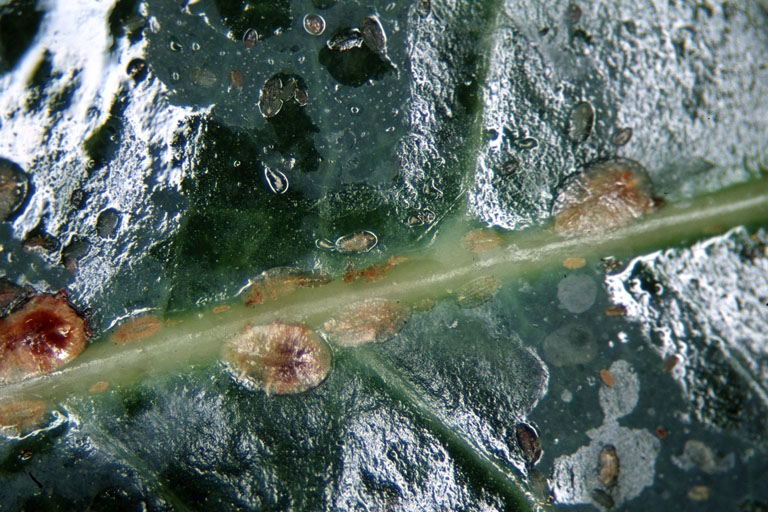
Clusters of small, shell-like bumps on your Meyer Lemon Tree's leaves, stems, or bark? That's scale. These pests suck the life out of your tree, leaving behind yellowed, wilted leaves, and in severe cases, can lead to the tree's demise. Vigilance is key; early detection can save your citrus.

πŸ›‘οΈ Recommended Methods for Eliminating Scale

Scrape 'em off if you're dealing with a small tree or a manageable infestation. A metal nail file or similar tool can do the trick without harming the tree. Dispose of these critters in the trash, not compostβ€”no free rides back to your tree.

🌿 Natural and Mechanical Controls

  • Horticultural oil: A 1-percent mixture diluted in water can be a citrus saver. It smothers those pesky scales without harsh chemicals.
  • Insecticidal soap: Follow the label instructions for a targeted approach.
  • High-pressure water spray: Sometimes, a good blast is all you need to dislodge these freeloaders.
  • Beneficial bugs: Release ladybugs or wasps that see scale as a buffet. It's nature's way of saying, "Balance, please!"

🧹 Keep It Clean

A tidy tree base and weed-free zone can discourage scale squatters. Remember, a healthy Meyer Lemon Tree is less of a target, so give it the TLC it deserves. And watch out for antsβ€”they're in cahoots with scale, farming them for honeydew. A sticky barrier of petroleum jelly around the trunk can block their path.

πŸ•° Act Fast

Scale insects breed like bunnies, and time is not on your side. Regular inspections and prompt action can prevent a full-blown infestation. If you've got a scale problem, it's time to get your hands dirtyβ€”literally.

Healthy Meyer lemon tree with vibrant green leaves growing indoors under bright purple LED grow lights.

Managing Fungus Gnats and Fruit Flies Around Meyer Lemon Trees

🦟 Identifying the Pests

Fungus gnats are tiny, dark, and love to hover around moist soil. Their larvae feast on organic matter and can stress your Meyer Lemon Tree's roots. Fruit flies, with their telltale red eyes, prefer the sweet decay of overripe fruit rather than your plant's dirt. Spotting these pests early is crucial for the health of your tree.

πŸ›‘οΈ Strategies for Control

🦟 Fungus Gnats

  • Yellow sticky traps: These are your first line of defense. Place them near the soil to catch adults and reduce breeding.
  • Watering practices: Let the soil dry out between waterings. Gnats thrive in moisture, so don't give them a home.
  • Soil treatment: Mixtures like hydrogen peroxide can help kill larvae, but handle with care to avoid harming the tree.

🦟 Fruit Flies

  • Cleanliness: Keep the area free of fallen and rotting fruit. This is a fruit fly fiesta you don't want to host.
  • Natural remedies: Neem oil is a friend here. A diluted solution can deter these pests while being kind to your tree.
  • Physical removal: Sometimes, you've just got to roll up your sleeves and remove the affected fruit by hand.

Remember, these pests aren't just annoyingβ€”they can harm your Meyer Lemon Tree. Vigilance and prompt action are your best tools. Keep those traps sticky and the soil on the drier side, and you'll be on your way to a gnat-free, fruit fly-less existence.

Healthy young potted Meyer lemon tree seedling with dark green leaves in terra cotta pot with visible potting soil mix.

Controlling Mealybugs on Meyer Lemon Trees

πŸ•΅οΈ Detecting the Presence of Mealybugs

White, cottony masses on your Meyer Lemon Tree's leaves, stems, or fruit are telltale signs of mealybugs. These pests use their stylets to suck sap, weakening the plant and causing yellowing or curling leaves. A sticky residue, known as honeydew, often accompanies their feeding and can lead to sooty mold growth.

🌱 Best Practices for Mealybug Removal and Control

πŸš€ Immediate Actions

  • Prune affected areas to quickly remove light infestations.
  • Spot-treat mealybugs with a Q-tip dipped in rubbing alcohol to kill them on contact.

🌿 Cultural Practices

  • Avoid overwatering and overfertilizing; mealybugs thrive on plants with lush, soft growth.
  • Regularly wash foliage with a neem oil solution to prevent future infestations.

🐞 Biological Control

  • Introduce beneficial insects like ladybugs or lacewings, which naturally prey on mealybugs.
  • Ant control is crucial as ants protect mealybugs in exchange for honeydew.

🌱 Insecticidal Treatments

  • Apply insecticidal soap or neem oil sprays following specific dilution rates for effective control.
  • For severe cases, consider botanical insecticides or biological insecticides like BotaniGard ES.

πŸ›‘οΈ Ongoing Vigilance

  • Regularly inspect the undersides of leaves and shaded fruit areas for new infestations.
  • Monitor the tree after treatment to ensure mealybugs do not return.

Dealing with Aphids on Meyer Lemon Trees

🐜 Spotting the Sap-Suckers

Aphids are the clingy pests of the plant world, latching onto your Meyer Lemon Tree like they've found their soulmate. Check the undersides of leaves and tender shoots; these pear-shaped freeloaders can range from green to brown. They're not just freeloading; they're partying, leaving behind sticky honeydew and sooty mold.

πŸ’¦ Blast Them Off

Don't hesitate to give these pests the boot with a strong water spray. It's like a mini hurricane for aphids, knocking them off their feet - which they totally deserve. Remember, they're soft-bodied, so this is often enough to send them packing.

🐞 Natural Predators

Ladybugs are your tree's best friends. They munch on aphids like candy, so consider inviting these spotted allies to the feast. It's a win-win: they get a meal, and you get rid of your aphid problem.

🌱 Organic Sprays

If you're not into unleashing bugs to eat other bugs, horticultural oils and insecticidal soaps are your go-to. They're like the bouncers at the club, keeping the riff-raff out without starting a brawl. Mix them as directed and apply with care, especially if kids and pets are around.

βœ‚οΈ Prune and Protect

Sometimes, the best defense is a good offense. Prune away infested areas to stop aphids from spreading their reign of terror. Keep your tree robust with proper care; a healthy Meyer Lemon Tree is less appealing to these sap-sucking invaders.

πŸ‘€ Keep an Eye Out

Aphids are sneaky, and they might try for a comeback tour. Stay vigilant and check your tree regularly. If you spot them trying to set up shop again, show no mercy. Remember, the best offense is a relentless defense.

Preventing Citrus Leaf Miner Damage on Meyer Lemon Trees

🐍 Recognizing Citrus Leaf Miner Activity

Curvy trails on your Meyer Lemon's leaves? That's the citrus leaf miner's calling card. These tiny pests tunnel through the leaf tissue, leaving a telltale silvery, serpentine trail. The damage is not just cosmetic; it can stunt growth and reduce the overall vigor of your tree.

πŸ›‘οΈ Methods to Prevent and Treat Citrus Leaf Miner Problems

Vigilance is your first line of defense. Inspect your Meyer Lemon Tree regularly, especially the new growth where leaf miners love to feast. If you catch them early, you can often prune out the affected leaves to prevent further damage.

🌱 Cultural Controls

Keep your tree healthy and robust; a well-cared-for Meyer Lemon is less inviting to pests. Ensure it gets proper nutrition, water, and sunlight. A stressed tree is a beacon for leaf miners.

πŸ› οΈ Physical and Mechanical Controls

Got infested leaves? Remove them promptly and destroy them to interrupt the leaf miner's life cycle. A strong blast of water can also dislodge the larvae from the leaves.

🐞 Biological Controls

Release beneficial insects, like parasitic wasps, that prey on leaf miners. These little heroes can help keep the pest population in check without any chemical intervention.

πŸ§ͺ Chemical Controls

If the infestation is severe, consider using insecticides with foliar systemic activity, such as spinosad. Remember, timing is crucial; apply treatments when miners are active but before they burrow into the leaves. Always follow label directions to protect yourself and the environment.

Pro tip: Avoid broad-spectrum pesticides that can harm beneficial insects. Instead, opt for targeted treatments that specifically address leaf miners.

Specific Preventive Measures for Meyer Lemon Trees

πŸ•΅οΈ Tailored Advice for Prevention

Vigilance is your first line of defense against pests on Meyer Lemon Trees. Regularly inspect the undersides of leaves and the fruits nestled within the canopy. Pests love to hide where the sun doesn't shine.

Routine Care Tips

Consistency in care is key. Ensure your Meyer Lemon Tree is not stressed by drought or nutrient deficiencies, as these conditions invite infestations. Maintain a soil pH between 6.5 and 6.8 and use fertilizers high in phosphorus to encourage strong root development.

πŸ’§ Watering Wisdom

Overwatering is a no-go. Let the soil dry out completely between waterings to discourage fungus gnats. If you suspect fungus, a dash of cinnamon on the soil can work wonders.

βœ‚οΈ Pruning Practices

Prune away the dead and unhealthy. This not only keeps your tree looking sharp but also removes potential pest hideouts. Plus, it's therapeuticβ€”think of it as giving your tree a spa day.

🧼 Cleanliness is Next to Buglessness

Keep those leaves clean. A monthly wipe-down with a solution of insecticidal soap or neem oil can be as refreshing for your tree as a morning shower is for you.

🐞 Biological Bouncers

Recruit some natural allies. Ladybugs are like the bouncers of your lemon tree club, showing aphids the door. Encouraging beneficial insects is like having a security system without the monthly fees.

πŸ’¦ High-Pressure Hose-Down

Sometimes, the best solution is the simplest. A blast from a hose can knock pests off their feetβ€”literally. It's like a surprise water balloon fight for bugs, and they hate it.

Fertilizer and Feeding

Feed your tree well. A balanced fertilizer can make your Meyer Lemon Tree the picture of health, and healthy trees are like fortresses against pests. Find a fertilizer that's like a multivitamin for your tree and stick to a regular feeding schedule.

⚠️ Safety First

This content is for general information and may contain errors, omissions, or outdated details. It is not medical, veterinary advice, or an endorsement of therapeutic claims.

Always consult a qualified healthcare professional before using any plant as food, medicine, or supplement.

Never eat any plant (or feed one to pets) without confirming its identity with at least two trusted sources.

If you suspect poisoning, call Poison Control (800) 222-1222, the Pet Poison Helpline (800) 213-6680, or your local emergency service immediately.

Spotted an error? Please report it here.

Ensure your Meyer Lemon Tree stays healthy and pest-free 🌿 with Greg's tailored care plans and expert community tips for proactive pest management.