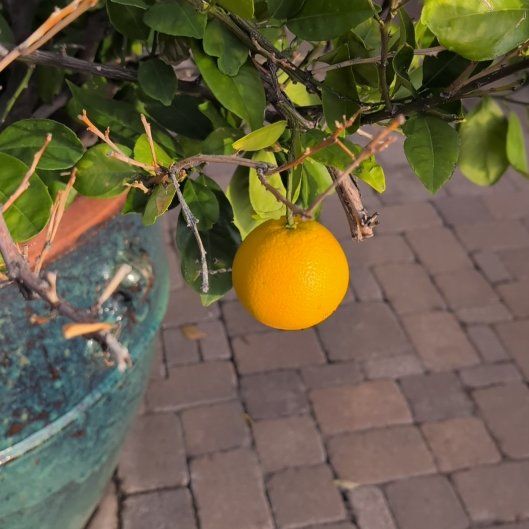
๐Ÿ‹ Should I Repot My Meyer Lemon Tree?

Citrus x limon 'Meyer'

By the Greg Editorial Team

Jun 08, 202412 min read

This article was created with the help of AI so we can cover more plants for you. May contain errors. See one? Report it here.

Boost your Meyer Lemon Tree's zest for life ๐Ÿ‹ by nailing the perfect repotting moment!

Meyer lemon tree
  1. Roots peeking out? Time to repot your Meyer Lemon tree for better growth.
  2. Spring repotting aligns with the tree's growth cycle for optimal recovery.
  3. Avoid common errors like wrong soil, pot size, and root damage during repotting.

Signs That Your Meyer Lemon Tree Needs Repotting

Roots making a break for it ๐ŸŒฑ outside the pot? That's your Meyer Lemon tree's version of a white flag. It's time to repot when you spot roots sneaking out of drainage holes or circling the surface like sharks.

๐ŸŒฟ Sluggish growth or leaves that seem to have lost their will to live? Another tell-tale sign. Your tree's roots are likely in a bind, literally. They're cramped, they're stressed, and they're not shy about showing it.

Watering used to be a once-in-a-while affair, but now it's like your tree's got a new thirst for life? If water zips through faster than a kid on a sugar rush, it's a drainage SOS.

๐Ÿ‘€ Observation is your best friend here. Keep an eye on the overall vibe of your tree. Does it look like it's plotting an escape? It's probably not just being dramatic. Check the roots and trust your gut โ€“ if they're more tangled than a pair of earphones in your pocket, it's repotting o'clock.

Healthy potted Meyer lemon tree with lush green leaves, no discoloration, in terracotta pot with moist soil.

Assessing the Root System

๐ŸŒฑ Examining the Roots

To determine if your Meyer Lemon Tree is begging for a new home, start with a root rendezvous. Gently remove the tree from its potโ€”think of it as a plant check-up. If the roots are circling the pot like a constrictor snake, it's time to repot.

๐Ÿ•ต๏ธโ€โ™‚๏ธ Root Health Check

Inspect the roots for a healthy white or light tan color and springy texture. Dark or mushy roots? That's a red flag. They should be firm, not like overcooked spaghetti.

๐Ÿšฉ Root-Bound Red Flags

Root-bound symptoms are a cry for help: roots peeking out of drainage holes, a root web replacing soil, or the tree acting like a drama queen with stunted growth. These signs scream, "Repot me!"

๐ŸŽช Unbinding the Bound

If the roots have gone full Cirque du Soleil, loosen them up before repotting. A gentle tease can encourage them to explore their new spacious digs.

๐Ÿก The Right Move

Remember, repotting is like real estate for plantsโ€”it's all about location, location, location. Ensure the new pot is the upgrade your tree deserves.

A healthy potted Meyer lemon tree with glossy green leaves and several immature lemons, sitting on a wooden deck railing outdoors.

Choosing the Right Time for Repotting

Spring ushers in new growth and is the ideal time to repot your Meyer Lemon Tree. This season aligns with the tree's natural growth cycle, allowing it to recover swiftly from any root disturbance.

๐ŸŒฑ Seasonal Timing

Spring is the champion season for repotting. It's when your tree shakes off its winter slumber and gears up for a growth spurt. Aim for early spring, just as new buds show signs of life but before they unfurl into full foliage.

๐ŸŒฟ Growth Stage and Environmental Factors

Consider the tree's current growth stage. Younger trees might need annual repotting, while mature ones can go longer. Assess the environmentโ€”stable temperatures and moderate humidity levels are your allies in this endeavor. Avoid repotting during extreme weather conditions; your tree won't thank you for the added stress.

Healthy young Meyer lemon tree in a black container, growing indoors near a window. Small lemon fruits are developing on the branches.

How to Repot a Meyer Lemon Tree

๐ŸŒฑ Soil Selection and Preparation

Selecting the right soil is crucial for your Meyer Lemon Tree's success post-repotting. Go for a well-draining, nutrient-rich mix, which will cater to the tree's needs. Organic matter is your friend here; it keeps the soil fertile and supports robust growth. Keep an eye on the pH balanceโ€”Meyer Lemon Trees thrive in slightly acidic to neutral soil.

๐Ÿบ Pot Selection and Preparation

When it comes to the new pot, size matters. Choose one that's a size up from the current one, ensuring it has adequate drainage. This will prevent waterlogging and the dreaded root rot. Before you place the tree in, lay down a welcoming bed of fresh soil at the bottom for proper anchoring.

๐ŸŒฟ Transplanting Process

Now, the delicate dance of transplanting. Ease the tree out of its old home, being mindful of the roots. If they're playing hard to get, don't be afraid to give the pot a gentle tap or two. Once free, inspect the root system for any signs of distress. In the new pot, center the tree and backfill with soil, tucking it in just right so that only the crown peeks out. Then, give it a good drink to settle in. Remember, the first few weeks are all about extra TLC with watering.

Aftercare and Maintenance

Proper aftercare is crucial for your Meyer Lemon Tree's recovery post-repotting.

๐Ÿ’ง Watering Adjustments

Immediately after repotting, give your tree a thorough watering. Then, ease up; let the topsoil dry slightly between waterings. Overwatering can be as harmful as neglect, so keep a vigilant eye on soil moisture.

๐ŸŒž Light and Temperature

Bright, indirect light is your Meyer Lemon Tree's best friend. Avoid direct sunlight that can scorch its leaves, especially when it's still stressed. Maintain a warm temperature, steering clear of chilly drafts that could send your tree into shock.

๐Ÿ’ฆ Humidity Levels

Your citrus buddy appreciates moderate humidity. If your indoor air resembles the Sahara, consider a humidifier or a pebble tray to up the ante. But don't turn your living room into a tropical rainforest; balance is key.

๐ŸŒฑ Gradual Reintroduction

Resist the urge to return your tree to its original spot right away. Start it off in a protected area to reduce stress, then gradually move it back to its favorite sunny spot over the course of a week.

Remember, the repotting process is like a major surgery for your plant. It needs time to recuperate. Keep an eye out for new growthโ€”it's a sign that your tree is settling in and ready for a return to its routine.

Potential Challenges and Solutions During Repotting

Repotting a Meyer Lemon Tree can sometimes feel like defusing a bomb โ€“ one wrong move and you might trigger transplant shock. This condition manifests through wilting, yellowing leaves, and stunted growth. To avoid this, repot your tree when it's not blooming, ideally in the early spring.

๐ŸŒฑ Root Damage

When you're dealing with roots, think of them as the tree's lifeline. Gentle handling is crucial. If you encounter root-bound conditions, carefully untangle the roots without being too forceful. Should you accidentally snap a root, don't panic. Trim the damaged section with sterile shears and proceed with the repotting.

๐Ÿš€ Transplant Shock

It's like a bad hangover for plants. Symptoms include droopiness and leaf drop. To ease the transition, maintain consistent environmental conditions. Keep the tree away from direct sunlight for a few days and avoid drastic changes in watering. If the tree's leaves still throw a fit, be patient; they'll often perk up after they've had time to settle in.

๐Ÿ’› Wilting and Yellowing Leaves

Wilting post-repotting is the plant's way of saying, "I'm stressed!" To combat this, ensure the new soil is similar to the old one to avoid shocking the roots. If the leaves start to look more yellow than a lemon, check the soil moisture. Overwatering is a common misstep; water only when the top inch of the soil is dry.

๐ŸŒฑ Soil and Potting Mix Issues

Don't just shovel in any old dirt. A well-draining, citrus-specific potting mix is your best bet. Before repotting, moisten the mix to prevent air pockets, which can dry out roots. Remember, your Meyer Lemon Tree doesn't want to swim; it just wants a nice drink.

๐ŸŒฟ Consistent Care Post-Repotting

After the move, don't just leave your tree to fend for itself. Keep an eye on the soil moisture and humidity levels. If your tree could talk, it would probably ask for a spa day. Give it the next best thing: a gentle misting and a prime spot away from drafts or heaters.

Remember, repotting is like a fresh start. Done right, it's the beginning of a new growth spurt. Done wrong, and well, you'll be the one feeling wilted. Keep these tips in hand, and your Meyer Lemon Tree will be thanking you with lush leaves and juicy fruits.

Benefits of Repotting

Repotting a Meyer Lemon Tree isn't just about giving it a new homeโ€”it's a revitalization ritual. Fresh soil means a buffet of nutrients that the tree might have been missing, leading to lusher leaves and more robust fruit. It's like hitting the reset button on the tree's growth potential.

๐ŸŒฑ Root Growth and Health

Roots cramped in a pot are like a giant in a dollhouseโ€”they simply can't stretch out. Repotting allows these roots to expand, breathe, and function efficiently, which is critical for the tree's overall vigor. Think of it as upgrading to a bigger officeโ€”it's about getting the space to thrive.

๐ŸŒฟ Nutrient Replenishment

Over time, soil becomes the equivalent of a squeezed-out spongeโ€”dry and nutrient-depleted. By repotting, you're infusing your Meyer Lemon Tree with a nutrient-rich mix that can support its growth for the seasons to come.

๐Ÿšซ Prevention of Root-Bound Issues

Root-bound is a fancy term for "nowhere to grow." It's a real issue that can stunt your tree's growth and even affect its health. By repotting, you're preventing this claustrophobic scenario, ensuring the roots have room to grow and access to moisture and nutrients.

๐Ÿ’ง Enhanced Water Uptake

A root-bound tree struggles to take up waterโ€”imagine trying to drink through a straw that's too small. A new pot with fresh soil improves drainage and water uptake, making every sip count.

๐ŸŒฟ Overall Plant Health

A repotted tree is a happy tree. With more room to grow and access to what it needs, your Meyer Lemon Tree can focus on what it does best: producing those sun-kissed lemons. Plus, a healthy tree is better at fending off pests and diseases, which means less headache for you.

Remember, repotting isn't just maintenanceโ€”it's an investment in the future of your citrus companion.

Common Mistakes to Avoid

๐ŸŒฑ Wrong Soil Type

Choosing the right soil is crucial for your Meyer Lemon Tree's health. Resist the temptation to use generic or garden soil; these can be too dense and retain moisture, leading to root rot. Instead, opt for a well-draining, citrus-specific mix that caters to your tree's needs.

๐Ÿฏ Inappropriate Pot Size

When it comes to pots, size does matter. A pot too small can strangle your tree's roots, while a pot too large can drown them in excess water. Aim for a "just right" size upgrade, typically 2 inches larger in diameter than the current one, to promote healthy growth without waterlogging.

๐Ÿช“ Root System Damage

Handle with care! When repotting, the roots are as vulnerable as a fresh tattoo. Avoid rough handling to prevent damage. Gently tease out the roots if they're compacted and trim any that are dead or excessively long, but do so with a surgeon's precision.

๐Ÿ’ฆ Overwatering Post-Repotting

Post-repotting, your Meyer Lemon Tree isn't ready for a pool party. Water sparingly at first to encourage the roots to seek moisture and establish themselves. Overwatering can lead to a soggy disaster, so let the top inch of soil dry out before the next watering session.

๐Ÿšฑ Neglecting Drainage

Drainage holes aren't just a design feature; they're a lifeline. Ensure your new pot has adequate drainage to prevent your tree's roots from taking a permanent bath. No drainage equals disasterโ€”don't skip this step.

๐Ÿ•ต๏ธโ€โ™‚๏ธ Ignoring Root Health

When you lift your tree from its pot, it's not just about moving it to a new home. Take this chance to inspect the roots. Healthy roots are white or light tan and firm to the touch. If they look like they've seen better days, address the issue before it becomes a root-rot horror story.

๐ŸŒณ Overcrowding

Your Meyer Lemon Tree is a solo artist, not part of a band. Avoid the urge to create a "full" look by crowding the pot with multiple plants. This can lead to competition for resources and increase the risk of disease. One tree, one potโ€”it's a simple but golden rule.

By sidestepping these common missteps, you'll set your Meyer Lemon Tree up for a thriving life in its new abode. Remember, repotting is like a spa day for your plantโ€”done right, it's refreshing; done wrong, it's just messy.

Troubleshooting Post-Repotting Issues

After repotting your Meyer Lemon Tree, it's normal to encounter a few hiccups. Here's how to address them without breaking a sweat.

๐ŸŒฑ Identifying Stress Symptoms

Wilting leaves or a general look of despair in your tree? It might be experiencing transplant shock. This is like a bad hangover for plants - they'll need some TLC to bounce back.

๐Ÿšฟ Immediate Aftercare

  • Water judiciously: Too much and you'll drown it, too little and it'll dehydrate. Aim for just right.
  • Stable environment: Keep your tree away from drafts and heat sources. Consistency is key.

โณ The Waiting Game

Patience is a virtue, especially here. Give your tree a few weeks to settle into its new digs. Avoid fertilizing during this period; it's like offering a buffet when it's got a stomach ache.

๐Ÿšจ When to Sound the Alarm

If your tree still looks like it's on a hunger strike after a month, it's time to play detective. Check for root rot or soil issues. Sometimes, it's about tweaking the care routine.

๐ŸŒฟ The Root of the Problem

Inspect the root ball. If you find a tangled mess, you might have been too gentle. Roots need tough love sometimes, so don't be afraid to prune them a bit during repotting.

๐ŸŒž Light and Humidity

Ensure your tree isn't throwing shade by being in too much of it. Likewise, don't let it dry out in arid conditions. A humidifier or a pebble tray can work wonders.

Remember, repotting is like moving to a new home for your tree. It takes time to unpack and settle in. Keep an eye on it, but don't hover like a helicopter parent. With the right care, your Meyer Lemon Tree will be thriving again in no time.

โš ๏ธ Safety First

This content is for general information and may contain errors, omissions, or outdated details. It is not medical, veterinary advice, or an endorsement of therapeutic claims.

Always consult a qualified healthcare professional before using any plant as food, medicine, or supplement.

Never eat any plant (or feed one to pets) without confirming its identity with at least two trusted sources.

If you suspect poisoning, call Poison Control (800) 222-1222, the Pet Poison Helpline (800) 213-6680, or your local emergency service immediately.

Spotted an error? Please report it here.

By alerting you to the perfect repotting time ๐Ÿ•ฐ and guiding you through each step, Greg ensures your Meyer Lemon tree thrives with ease.


You Might Also Want to Know...

Why are the leaves of a Meyer lemon tree turning yellow?

The yellowing of the leaves could be an indication that the roots are too wet and too cold.

When is it recommended to repot a Meyer lemon tree?

Consider repotting your Meyer lemon tree if you notice that the bark is breaking down or if the roots are too wet.

What type of soil mix is suitable for repotting a Meyer lemon tree?

A recommended soil mix for repotting a Meyer lemon tree is a 5:1:1 mix of pine bark, perlite, and peat moss.

How frequently should a Meyer lemon tree be watered after repotting?

Water your Meyer lemon tree after repotting and then monitor the soil moisture to determine the watering frequency.

What should be done if the top layer of soil is dry but the bottom layer is wet?

If you notice this inconsistency in soil moisture, it may be a sign of poor drainage. Consider adjusting the soil mix or the pot to improve drainage.

Can fertilizer be added when repotting a Meyer lemon tree?

Yes, you can add a citrus-specific fertilizer, such as Citra Tone, to provide nutrients to the tree during repotting.

Is it advisable to prune the roots of a Meyer lemon tree during repotting?

Root pruning can be done during repotting to remove any damaged or rotten roots and promote healthy root growth.

How long should one wait to see improvements in a Meyer lemon tree after repotting?

It is recommended to wait at least a month to see if the repotting has improved the yellowing of the leaves and overall health of the tree.

What is the best location for a Meyer lemon tree after repotting?

Place your repotted Meyer lemon tree in a location that receives morning sun for optimal growth.

What are some signs that a Meyer lemon tree is thriving after repotting?

Signs of a thriving Meyer lemon tree after repotting include retaining flowers and producing new growth.