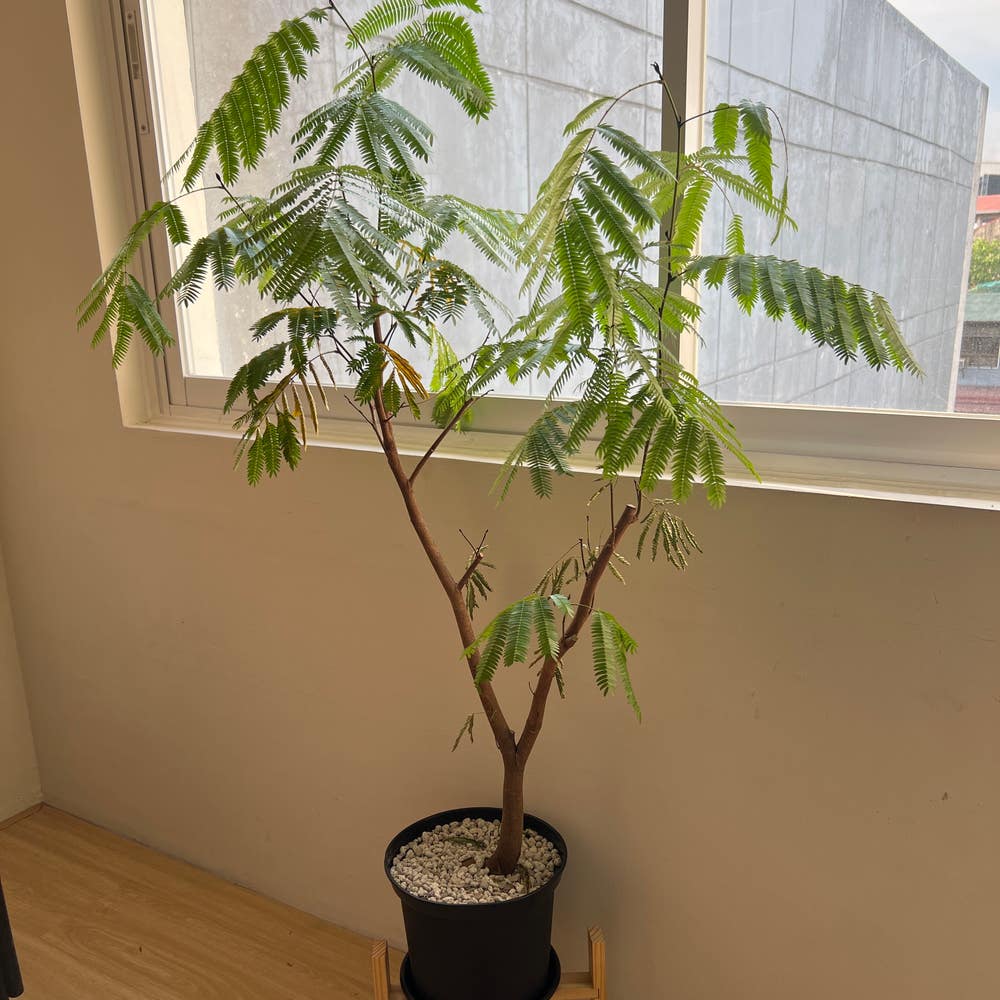
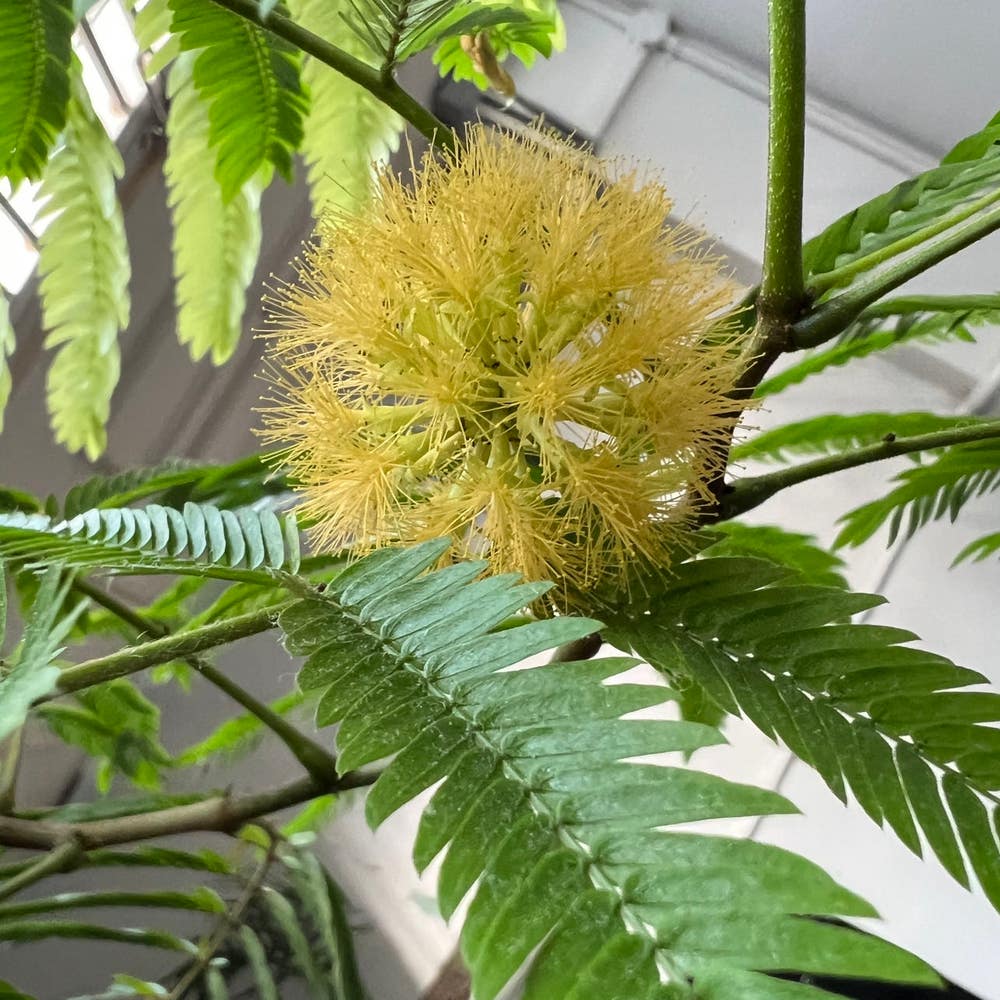
🌳 What is a Lebbeck? Complete Guide
Albizia lebbeck
By the Greg Editorial Team
Jan 24, 2025•11 min read
This article was created with the help of AI so we can cover more plants for you. May contain errors. See one? Report it here.
Elevate your garden with the stunning Lebbeck tree, a resilient beauty that enriches your landscape and soil! 🌳✨
- 🌞 Lebbecks thrive in sunny spots with at least six hours of sunlight daily.
- 🌱 Well-draining, fertile soil with pH 6.0-7.5 is essential for healthy growth.
- 🌳 Expect a mature height of 15-25 meters, providing ample shade and environmental benefits.
How to Grow
Choosing a Location 🌞
To ensure your Lebbeck thrives, choose a spot that receives full sun for at least six hours daily. Additionally, consider wind protection and ample space for the tree's growth.
Soil Preparation and Requirements 🌱
Lebbecks prefer well-draining, fertile soil. Aim for a soil pH between 6.0 and 7.5, and enrich it with organic matter to boost fertility.
Planting Techniques and Spacing 🌳
When planting, dig a hole that is 2-3 times the diameter of the root ball. Space your trees 15-20 feet apart to allow for their mature size.
Watering Needs and Schedules 💧
After planting, give your Lebbeck a deep watering to establish roots. Moving forward, water weekly during dry spells, adjusting based on rainfall.
Fertilizing Recommendations 🌾
Fertilize your Lebbeck twice a year during the growing season. A balanced NPK fertilizer, like 10-10-10, will provide the nutrients it needs.
Pruning Methods for Health and Shape ✂️
Prune your Lebbeck in late winter or early spring, before new growth begins. Focus on removing dead or crossing branches to enhance air circulation.
Ongoing Care for Outdoor and Container Growth 🪴
For container-grown Lebbecks, ensure proper drainage and watch for rootbound conditions. Regularly inspect outdoor trees for pests and diseases to maintain their health.
With these guidelines, your Lebbeck will flourish, providing beauty and benefits for years to come. Next, let’s explore propagation methods to expand your collection!
Propagation
🌱 Seed Propagation Methods
To start your Lebbeck journey, soak the seeds in water for 24 hours before planting. This simple step enhances germination, which typically takes 2-4 weeks under optimal conditions.
✂️ Cutting Propagation Techniques
For those who prefer cuttings, select healthy branches that are 6-8 inches long. Use a rooting medium that combines peat and perlite for the best results.
🌧️ Tips for Successful Propagation
Maintaining humidity is crucial for cuttings. Cover them with plastic to retain moisture and ensure they thrive.
Additionally, monitor the temperature closely. Keeping your cuttings in a warm, bright location will significantly boost their chances of success.
With these propagation techniques, you can expand your Lebbeck collection and enjoy the beauty of this remarkable tree. Next, let’s explore the lifecycle of the Lebbeck and what to expect as it grows.
Lifecycle
Lifecycle Overview 🌱
The Lebbeck tree is classified as a perennial, meaning it lives for multiple years. Typically, its lifespan ranges from 20 to 30 years, providing a long-term addition to your landscape.
Stages from Seed to Maturity 🌿
The journey begins with germination, which takes about 7 to 14 days under ideal conditions. Following this, the seedling stage lasts for the first six months, where the young plant establishes itself.
Growth and Flowering 🌸
During the initial years, the Lebbeck experiences rapid growth, making it an exciting time for gardeners. Flowering usually starts in the second or third year, adding beauty to your garden.
Seed Production 🌰
After flowering, seed pods develop and mature within 3 to 4 months. Overall, the Lebbeck reaches maturity in about 5 to 10 years, showcasing its moderate growth rate and resilience.
This lifecycle not only highlights the Lebbeck's growth patterns but also emphasizes its potential as a valuable addition to any garden. As we move forward, let's explore how to maximize its growth and health through proper care techniques.
Size
Mature Height and Spread 🌳
The Lebbeck tree typically reaches a height of 15 to 25 meters (50 to 80 feet). Its impressive canopy can spread up to 15 meters (50 feet) wide, providing ample shade and aesthetic appeal.
Growth Rate and Factors Affecting Size 📈
Under optimal conditions, the Lebbeck grows at an average rate of 1 to 2 feet per year. Key factors influencing its size include soil quality, water availability, and sunlight exposure.
Size Variability 📏
Poor soil conditions can lead to stunted growth and reduced height. Additionally, when grown in containers, the tree's size may be limited due to root confinement, affecting its overall development.
Understanding the size potential of the Lebbeck is essential for planning its placement in your garden. Next, let’s explore the tree's root system and its significance for stability and nutrient uptake.
Roots
Characteristics of Root System 🌳
The Lebbeck tree features a deep taproot system complemented by lateral roots. This robust structure can reach depths of up to 3 meters (10 feet) in well-drained soil, providing stability and access to nutrients.
Root Depth and Spread 🌍
Lateral roots extend well beyond the tree's canopy, enhancing its ability to absorb water and nutrients. Healthy roots are crucial for the overall stability of the tree and its growth potential.
Common Root-Related Issues ⚠️
Root rot is a significant concern, often resulting from overwatering. To prevent this, ensure proper drainage in the soil to keep roots healthy and thriving.
Identifying rootbound conditions is essential for maintaining tree health. If you notice roots growing out of drainage holes, it’s a sign that the tree needs more space to grow.
Healthy vs. Unhealthy Roots 🥴
Healthy roots are typically firm, white, and spread evenly throughout the soil. In contrast, unhealthy roots may appear dark, mushy, or emit a foul smell, indicating potential problems that need immediate attention.
Understanding the root system of the Lebbeck tree is vital for its care and longevity. With proper attention to root health, you can ensure your tree thrives and flourishes for years to come.
Next, let’s explore the various benefits of growing a Lebbeck tree, highlighting its environmental and aesthetic contributions.
Benefits
Top 5 Benefits of Growing 🌱
Environmental Benefits
The Lebbeck tree is a champion when it comes to improving soil health. Its nitrogen-fixing properties enrich the soil, making it more fertile for surrounding plants.Aesthetic Appeal
With its attractive foliage and fragrant flowers, the Lebbeck enhances any landscape. It adds a touch of beauty that can transform your garden into a serene retreat.Shade Provision
The large canopy of the Lebbeck provides much-needed shade during hot summer days. This cooling effect not only makes your outdoor space more enjoyable but also helps reduce energy costs.Wildlife Habitat
This tree supports local fauna, including pollinators like bees and butterflies. By planting a Lebbeck, you contribute to the biodiversity of your area, creating a thriving ecosystem.Cultural Significance
In many cultures, the Lebbeck is valued for its traditional medicinal uses. Its presence in local customs adds a layer of historical richness to your garden.
The benefits of growing a Lebbeck extend beyond mere aesthetics. They encompass environmental, ecological, and cultural dimensions, making it a worthwhile addition to any garden. Next, let’s explore the fascinating world of companion plants that thrive alongside the Lebbeck.
Companion Plants
🌱 Companion Planting
Companion planting is a fantastic way to enhance your garden's diversity and health. By strategically placing plants together, you can improve pest management and overall plant vitality.
🌼 Best Companion Plants
When it comes to the Lebbeck tree, consider pairing it with legumes, marigolds, and other nitrogen-fixing plants. These companions share similar care requirements and can help repel pests, creating a harmonious garden environment.
🚫 Plants to Avoid
However, not all plants play well together. Avoid those that compete for nutrients or attract pests, as they can hinder the growth of your Lebbeck and disrupt the balance of your garden.
By choosing the right companions, you can cultivate a thriving ecosystem that benefits all your plants. This thoughtful approach not only supports the Lebbeck but also enriches your gardening experience.
Toxicity to Humans
The Lebbeck tree is not listed as toxic, which is great news for gardeners and nature enthusiasts alike. Poison control centers have reported no significant health issues associated with this plant, making it a safe addition to your landscape.
However, it's worth noting that there can be minor issues. Some individuals may experience mild skin irritation or digestive discomfort if they consume the plant in large quantities.
⚠️ Caution and Care
While the risks are minimal, it's always wise to exercise caution. If you or someone else experiences unusual symptoms after contact or consumption, seeking medical advice is the best course of action.
In summary, the Lebbeck tree offers a beautiful and safe option for gardens, but like with any plant, a little mindfulness goes a long way.
Next, let’s explore how this tree interacts with our furry friends—specifically, its toxicity to dogs.
Toxicity to Dogs
When it comes to the Lebbeck tree, good news for dog owners: it’s not toxic. Veterinary organizations have reported no significant health risks associated with this plant.
However, it's worth noting that excessive consumption might lead to mild gastrointestinal upset. To keep your furry friends safe, it's best to keep the Lebbeck out of their reach and monitor their behavior around the plant.
By taking these simple precautions, you can enjoy the beauty of the Lebbeck without worrying about your dog's health. Now, let’s explore how this tree interacts with our feline companions.
Toxicity to Cats
When it comes to the Lebbeck tree, good news for cat owners: it is not considered toxic. No significant health risks have been reported by poison control centers regarding this plant.
However, it's worth noting that excessive consumption might lead to mild gastrointestinal upset. To keep your feline friends safe, it's a good idea to keep the plant out of their reach and monitor their behavior around it.
By taking these simple precautions, you can enjoy the beauty of the Lebbeck without worrying about your cat's health. Now, let's explore some common problems that may arise when growing this tree.
Problems
🌱 Common Problems
Growing a Lebbeck tree can be rewarding, but it comes with its challenges. Understanding the common problems can help you maintain a healthy plant.
Incorrect Watering: Overwatering can lead to root rot, while underwatering can cause stress. Look for signs like wilting or yellowing leaves to identify the issue.
Incorrect Light Conditions: Insufficient light can stunt growth and lead to leggy branches. Ensure your tree gets enough sunlight for optimal health.
Incorrect Temperature: Extreme temperatures can hinder growth. Be mindful of your tree's environment, especially during seasonal changes.
🔍 Identifying Symptoms and Causes
Recognizing symptoms early can save your Lebbeck from serious issues. Here are some signs to watch for:
Leaf Issues: Yellowing leaves may indicate overwatering, while scorching can signal too much sun. Fuzzy growth could suggest a pest problem.
Growth Problems: Stunted growth or a leggy appearance often points to inadequate light or nutrients. Keep an eye on your tree's overall vigor.
🛠️ Solutions for Common Issues
Addressing problems promptly can restore your Lebbeck's health. Here are some effective solutions:
Overwatering: Adjust your watering schedule and ensure proper drainage. Allow the soil to dry out between waterings to prevent root issues.
Light Issues: If your tree is not thriving, consider relocating it to a sunnier spot. Alternatively, provide shade if it's getting too much direct sunlight.
By staying vigilant and proactive, you can enjoy a thriving Lebbeck tree that enhances your landscape. Next, let's explore the fascinating world of pests that may affect your tree.
Bugs
🐛 Potential Pest Issues
While the Lebbeck tree is generally pest-resistant, it can still fall prey to certain nuisances. Keeping an eye out for these pests is crucial to maintaining the health of your tree.
🔍 Identification and Damage
Common pests that may target your Lebbeck include spider mites, aphids, and whiteflies. Look for signs of damage such as leaf curling, discoloration, and a noticeable reduction in vigor.
🧴 Treatment Options
To combat these pests, consider using insecticidal soap or neem oil, both of which are effective and eco-friendly. Additionally, introducing beneficial insects can help keep pest populations in check naturally.
By staying vigilant and employing these treatment methods, you can ensure your Lebbeck thrives without the interference of unwanted bugs. Next, let’s explore what herbivores might be lurking around your tree and how to deter them.
What Eats Lebbeck
🦌 Common Herbivores
Lebbeck trees can attract a variety of herbivores. Common visitors include deer, rabbits, squirrels, and rodents, all of which may find the foliage appealing.
🔍 Signs of Damage
Keep an eye out for signs of herbivore activity. Chewed leaves, tracks, and droppings near your Lebbeck can indicate that these animals are munching on your tree.
🚫 Deterrent Methods
To protect your Lebbeck from these hungry visitors, consider implementing a few control methods. Fencing around the tree can be effective, while repellents and companion planting strategies can also help deter herbivores from making a meal of your plant.
By taking these precautions, you can enjoy the beauty of your Lebbeck without the worry of it becoming a snack for local wildlife.
⚠️ Safety First
This content is for general information and may contain errors, omissions, or outdated details. It is not medical, veterinary advice, or an endorsement of therapeutic claims.
Always consult a qualified healthcare professional before using any plant as food, medicine, or supplement.
Never eat any plant (or feed one to pets) without confirming its identity with at least two trusted sources.
If you suspect poisoning, call Poison Control (800) 222-1222, the Pet Poison Helpline (800) 213-6680, or your local emergency service immediately.
Spotted an error? Please report it here.
Nurture your Lebbeck into a thriving shade tree 🌳 with Greg's tailored watering alerts and expert care tips that ensure your green companion flourishes for decades!