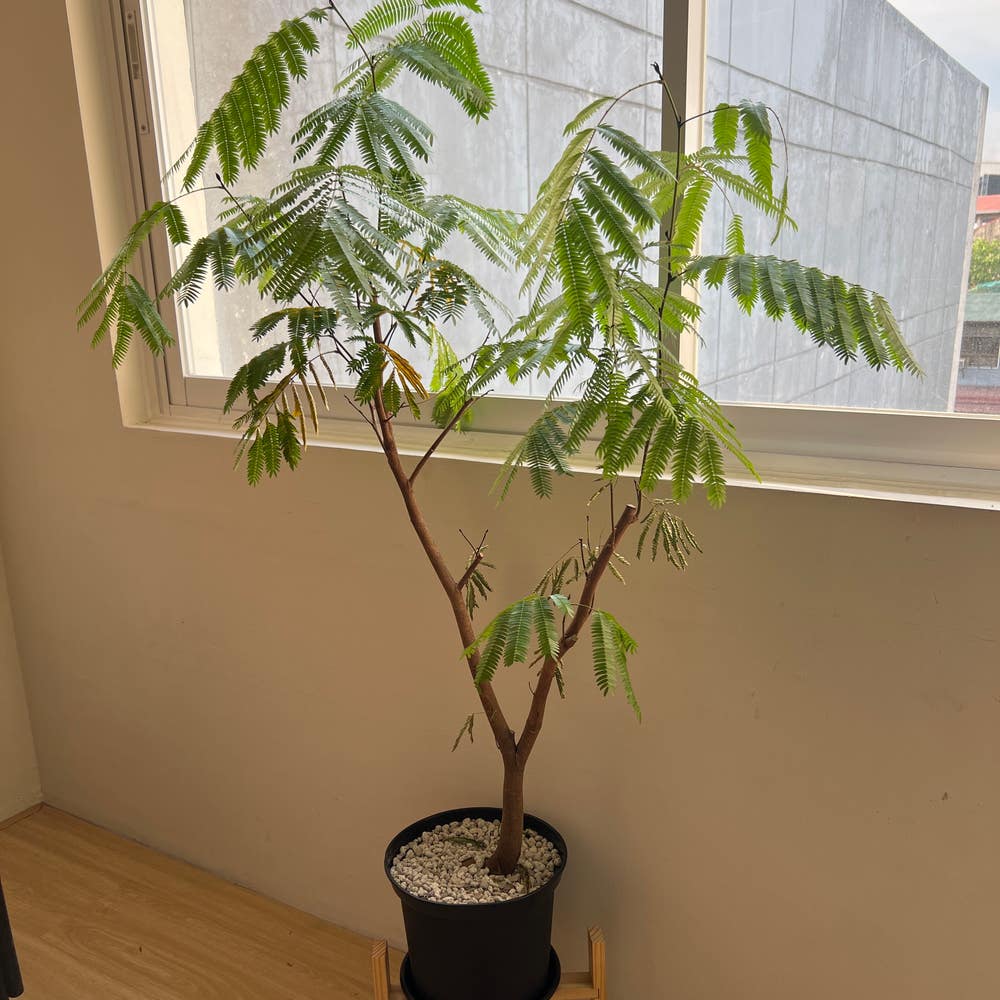
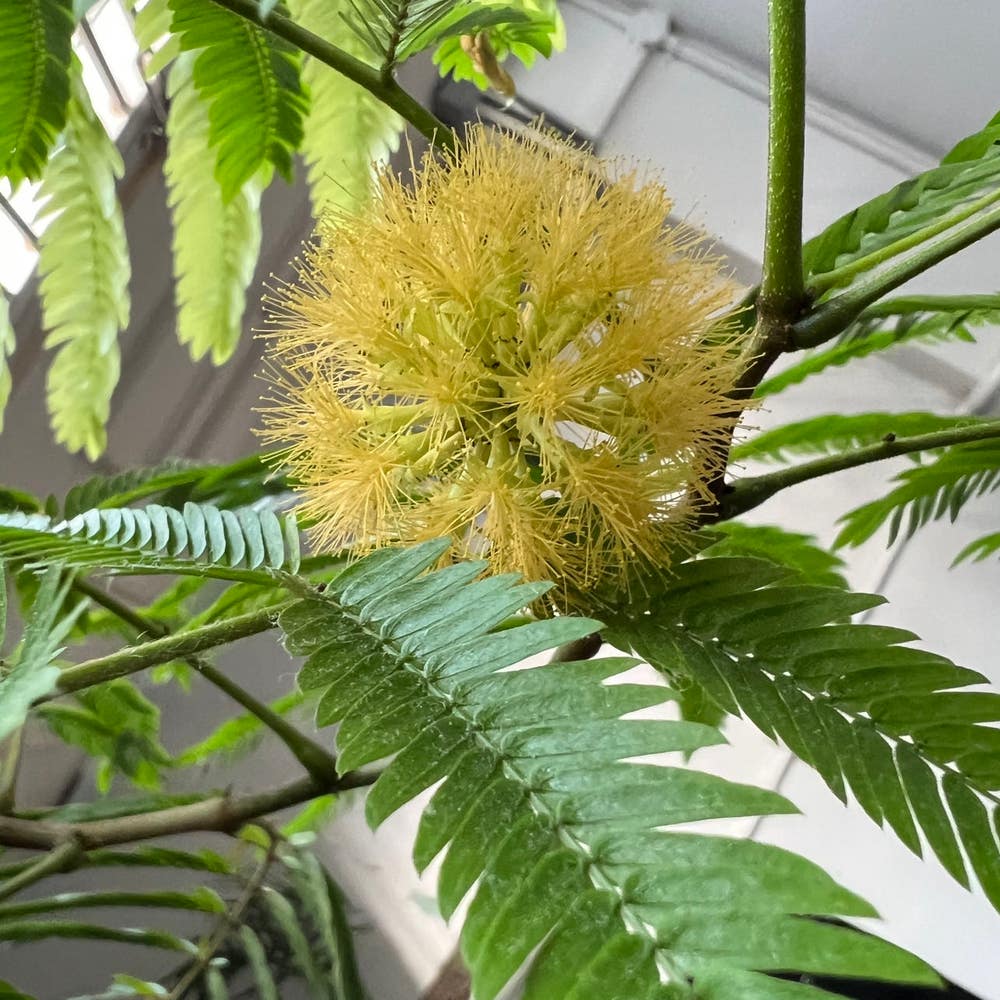
What is a East Indian Walnut? Complete Guide 🥜
Albizia lebbeck
By the Greg Editorial Team
Jan 23, 2025•14 min read
This article was created with the help of AI so we can cover more plants for you. May contain errors. See one? Report it here.
Cultivate stunning East Indian Walnuts 🌳 with expert tips on growth, care, and propagation for a thriving landscape! 🌱
- 🌞 East Indian Walnut thrives in full sun; ideal for tropical and subtropical climates.
- 🌱 Well-drained, fertile loam with pH 6.0-7.5 is perfect for planting.
- 🌳 Mature trees reach 40-60 feet, providing significant landscape features and benefits.
How to Grow
Choosing a Location 🌍
To successfully grow an East Indian Walnut, start by selecting the right location. This tree thrives in tropical and subtropical climates, requiring full sun exposure for at least 6-8 hours daily.
Soil Preparation 🏞️
Next, focus on soil preparation. The ideal soil type is well-drained, fertile loam, with a pH range of 6.0 to 7.5 for optimal growth.
Planting Techniques 🌱
When it comes to planting, depth matters. Plant seeds at a depth of 2-3 inches, ensuring they have enough space to grow; mature trees should be spaced 15-20 feet apart to allow for proper development.
Watering Requirements 💧
Watering is crucial for healthy growth. Maintain consistent moisture in the soil while avoiding waterlogging; watch for signs of overwatering, such as yellowing leaves, or underwatering, indicated by wilting.
Fertilizing Schedule 🌿
A proper fertilizing schedule will support your tree's growth. Fertilize biannually during the growing season using a balanced NPK fertilizer to provide essential nutrients.
Pruning Methods ✂️
Pruning is essential for maintaining tree health. Aim to prune in late winter or early spring, focusing on removing dead or crossing branches to promote better airflow and growth.
Ongoing Care 🛠️
Lastly, consider ongoing care for your East Indian Walnut. For container care, ensure the pot size allows for growth and has proper drainage. For outdoor care, apply mulch and make seasonal adjustments to protect the tree from extreme weather conditions.
With these guidelines, you’re well on your way to cultivating a thriving East Indian Walnut. Next, let’s explore how to propagate this remarkable tree!
Propagation
🌱 Seed Propagation
To propagate East Indian Walnut from seeds, start by collecting mature seeds from healthy trees. Prepare them by soaking in water for 24 hours to enhance germination.
Germination typically takes 2-4 weeks under optimal conditions, which include a warm environment and consistent moisture. Ensure the seeds are planted in well-drained soil for the best results.
✂️ Cutting Propagation
For cutting propagation, select healthy cuttings that are 6-8 inches long from a vigorous parent plant. It's crucial to choose cuttings from the current season's growth for the highest success rate.
Use a rooting medium like perlite or a mix of peat and sand to encourage root development. Maintain high humidity and warmth to support the rooting process.
🌳 Grafting Techniques
Grafting is another effective method for propagating East Indian Walnut. Common techniques include whip-and-tongue grafting and cleft grafting, both of which are suitable for this species.
Timing is essential; perform grafting in late winter or early spring when the tree is still dormant. After grafting, provide care by keeping the graft site moist and protected from extreme temperatures.
With these propagation methods, you can successfully cultivate East Indian Walnut and enjoy its many benefits. Next, let’s explore the lifecycle of this remarkable tree.
Lifecycle
🌱 Lifecycle Stages
The East Indian Walnut is classified as a perennial tree, meaning it lives for multiple years and continues to grow throughout its life. This classification sets it apart from annual plants, which complete their life cycle in a single growing season.
🌱 Germination Process
Germination is the first critical step in the lifecycle of the East Indian Walnut. Seeds typically take about 2-4 weeks to germinate under optimal conditions, marking the beginning of their journey toward becoming a mature tree.
🌱 Seedling Stage
During the seedling stage, healthy seedlings exhibit vibrant green leaves and sturdy stems. Proper care during this phase includes providing adequate moisture and protection from harsh environmental conditions.
🌱 Vegetative Growth
As the tree enters vegetative growth, it focuses on developing its leaves and overall structure. This stage is characterized by rapid growth patterns, where the tree can significantly increase in height and width.
🌸 Flowering and Seed Production
Flowering usually occurs in the spring, bringing beautiful blooms that are essential for reproduction. Following flowering, the tree produces seeds, which mature over time, ensuring the continuation of the species.
⏳ Lifespan and Growth Timeline
The East Indian Walnut boasts an impressive lifespan of 50-100 years, making it a long-term investment for any landscape. It typically takes about 10-15 years to reach full maturity, allowing for substantial growth and development during this period.
This lifecycle overview highlights the resilience and beauty of the East Indian Walnut, making it a valuable addition to any garden or landscape. With proper care and attention, you can enjoy its benefits for generations to come.
Size
Mature Height and Spread 🌳
The East Indian Walnut can reach impressive heights, typically growing between 40 to 60 feet tall. With a spread of 30 to 50 feet wide, these trees can create a stunning presence in any landscape.
Growth Rate and Size Variability 📈
Several factors influence the growth rate of the East Indian Walnut, including soil quality and water availability. Depending on these growing conditions, the size of the tree can vary significantly, making it essential to provide optimal care for the best results.
Understanding these aspects can help you appreciate the majestic stature of the East Indian Walnut and plan your planting accordingly. As you consider adding this tree to your space, keep in mind how its size will fit into your overall landscape design.
Next, let’s explore the fascinating root system of this tree and how it contributes to its growth and stability.
Roots
Root System Characteristics 🌳
The East Indian Walnut features a robust root system characterized by a deep taproot complemented by lateral roots. This structure provides stability and access to nutrients deep in the soil.
Depth and Spread of Roots 📏
On average, the roots can reach depths of 3 to 6 feet. Additionally, the lateral roots can extend well beyond the tree's canopy, allowing for effective nutrient absorption.
Common Root-Related Issues ⚠️
Root rot is a significant concern for this species, often caused by overwatering or poorly drained soil. Signs of unhealthy roots include discoloration and a mushy texture, indicating potential problems.
Identifying Healthy vs. Unhealthy Roots ✅
Healthy roots exhibit firm, white tips, signaling vitality and proper growth. In contrast, unhealthy roots may appear dark and soft, suggesting they are struggling.
Recognizing Rootbound Plants and Solutions 🔄
A rootbound plant has roots that circle the pot, restricting growth. To remedy this, consider repotting the plant into a larger container or employing root pruning techniques to encourage healthier development.
Understanding the root system of the East Indian Walnut is crucial for its overall health and growth. By addressing root-related issues promptly, you can ensure your tree thrives beautifully.
Next, let's explore the benefits of this remarkable tree and how it can enhance your landscape.
Benefits
The East Indian Walnut is not just a beautiful tree; it offers a multitude of benefits that make it a valuable addition to any landscape.
🌟 Top 5 Benefits
1. High-Quality Timber
The wood from the East Indian Walnut is renowned for its durability and aesthetic appeal. It's a top choice for construction and furniture, making it a sustainable resource for builders and artisans alike.
2. Nutritional Value of Edible Nuts
The nuts produced by this tree are not only delicious but also packed with nutrients. They provide a healthy snack option and can be incorporated into various dishes, adding both flavor and nutrition.
3. Environmental Benefits
This tree plays a significant role in carbon sequestration, helping to combat climate change. Additionally, it provides ample shade, making it a perfect choice for parks and gardens.
4. Cultural Significance
In many regions, the East Indian Walnut holds cultural importance. It is often featured in local traditions and practices, symbolizing strength and resilience.
5. Aesthetic Appeal
With its impressive height and lush foliage, the East Indian Walnut enhances the beauty of any landscape. Its presence can transform an ordinary garden into a stunning visual experience.
These benefits highlight why the East Indian Walnut is more than just a tree; it’s a multifaceted asset to both the environment and human life. As we explore further, we’ll delve into how to cultivate and care for this remarkable species.
Companion Plants
🌱 Concept of Companion Planting
Companion planting is a gardening technique that involves growing different plants together for mutual benefits. This practice enhances pest management and promotes garden diversity, leading to healthier plants and improved yields.
🌼 Best Companion Plants
When selecting companion plants for the East Indian Walnut, consider those with similar care needs. Suitable companions include:
- Legumes: These fix nitrogen in the soil, benefiting nearby plants.
- Herbs: Such as basil and mint, which can deter pests.
- Flowers: Marigolds attract beneficial insects and repel harmful ones.
🚫 Plants to Avoid
Not all plants thrive together. Some can negatively impact the East Indian Walnut's growth. Avoid planting:
- Nightshades: Such as tomatoes and potatoes, which can compete for nutrients.
- Certain grasses: They may inhibit growth by overshadowing young seedlings.
By choosing the right companions, you can create a thriving ecosystem that supports your East Indian Walnut's growth.
Transitioning to the next topic, understanding the potential toxicity of the East Indian Walnut is crucial for safe gardening practices.
Toxicity to Humans
⚠️ Safety First
The East Indian Walnut is generally safe for humans, as it is not listed as toxic by major poison control centers. However, minor issues may arise from contact or ingestion, so it's wise to exercise caution.
If you experience any adverse symptoms, consulting a medical professional is essential. Being informed can help you enjoy the benefits of this remarkable tree without unnecessary worry.
Toxicity to Dogs
The East Indian Walnut is not listed as toxic by veterinary organizations, making it a relatively safe choice for dog owners. However, it's important to note that excessive consumption of any plant material can lead to minor digestive issues in dogs.
🏡 Introducing East Indian Walnut to Your Home
When bringing East Indian Walnut into a home with dogs, consider a few tips to ensure a harmonious environment.
- Supervise Initial Interactions: Keep an eye on your dog’s behavior around the plant to prevent any unwanted nibbling.
- Educate Your Dog: Teach commands like "leave it" to discourage them from chewing on the plant.
- Placement Matters: Position the plant in an area that’s less accessible to your furry friend.
By following these simple guidelines, you can enjoy the beauty of the East Indian Walnut while keeping your dog safe and healthy.
Next, let’s explore the potential toxicity of this plant to cats.
Toxicity to Cats
The East Indian Walnut is not listed as toxic by major pet poison control centers, making it a safe choice for homes with cats. However, it's essential to be aware that excessive consumption could lead to minor issues.
🏡 Introducing East Indian Walnut to Your Home
When bringing an East Indian Walnut into a home with cats, consider a few tips to ensure a smooth introduction.
- Placement: Keep the plant out of reach to prevent curious cats from nibbling on the leaves.
- Observation: Monitor your cat's behavior around the plant, especially during the initial days.
- Alternatives: Provide cat-friendly plants nearby to divert their attention.
By following these simple guidelines, you can enjoy the beauty of the East Indian Walnut while keeping your feline friends safe.
As we move forward, let’s explore the potential problems that can arise with this tree and how to address them effectively.
Problems
Common Problems 🌱
Growing East Indian Walnuts can be rewarding, but it's not without its challenges. Here are some common issues you might encounter:
Incorrect Watering: Overwatering can lead to root rot, while underwatering causes wilting. Look for yellowing leaves as a sign of overwatering, and dry, crispy leaves for underwatering.
Incorrect Light Conditions: Insufficient sunlight can stunt growth. If your tree's leaves are sparse or pale, it may not be getting enough light.
Incorrect Temperature: Extreme temperatures can affect overall health. Watch for leaf drop or slowed growth during temperature fluctuations.
Diseases: Fungal issues like powdery mildew can appear in humid conditions. This manifests as a white, powdery substance on leaves.
Root Problems: Healthy roots are crucial. Signs of root rot include a foul smell and mushy roots, indicating a need for immediate action.
Identifying Symptoms and Causes 🔍
Understanding the symptoms is key to diagnosing problems early.
- Overwatering Symptoms: Yellow leaves, wilting, and a soggy feel to the soil.
- Underwatering Symptoms: Dry, crispy leaves and soil pulling away from the pot edges.
- Light Issues: Sparse foliage and pale coloration signal insufficient light.
- Temperature Effects: Leaf drop or stunted growth can indicate temperature stress.
- Fungal Diseases: Look for white powdery spots on leaves as a sign of powdery mildew.
- Root Health: Discoloration and mushiness in roots suggest rot.
Solutions for Common Issues 🛠️
Addressing these problems promptly can save your East Indian Walnut. Here are some straightforward solutions:
Watering: Adjust your watering schedule based on soil moisture. Ensure the pot has drainage holes to prevent waterlogging.
Light Conditions: Move your tree to a sunnier spot if it's not thriving. Aim for at least 6-8 hours of direct sunlight daily.
Temperature Management: Protect your tree from extreme temperatures. Consider moving it indoors during harsh weather.
Disease Control: Treat fungal issues with appropriate fungicides and improve air circulation around the plant.
Root Care: If you suspect root rot, remove the plant from its pot, trim away affected roots, and repot in fresh, well-draining soil.
By staying vigilant and proactive, you can ensure your East Indian Walnut thrives despite these common challenges. Next, let’s explore the fascinating world of pests that might also affect your tree.
Bugs
🐛 Potential Pest Issues
When growing East Indian Walnut, it's essential to be aware of potential pest issues. While these trees can be relatively resilient, they are not immune to pests that can affect their health and growth.
🔍 Identification of Specific Pests
Common pests that may target East Indian Walnut include:
- Spider Mites: Tiny, spider-like creatures that can cause leaf discoloration.
- Scale Insects: Small, immobile pests that attach to stems and leaves, sucking sap.
- Mealybugs: White, cottony pests that can weaken plants by feeding on their juices.
Identifying these pests early can help mitigate damage.
⚠️ Damage Caused by Pests
Each pest brings its own set of problems:
- Spider Mites: They create stippling on leaves, leading to yellowing and eventual leaf drop.
- Scale Insects: Their feeding can cause wilting and stunted growth, as they rob the tree of vital nutrients.
- Mealybugs: These pests can lead to a sticky residue on leaves, promoting sooty mold growth.
Understanding the specific damage caused by these pests is crucial for effective management.
🛠️ Effective Treatment Options
Managing pest infestations on East Indian Walnut involves several strategies:
- Regular Inspections: Check your trees frequently for signs of pests.
- Natural Predators: Introduce beneficial insects like ladybugs to control pest populations.
- Insecticidal Soap: Use this treatment to effectively eliminate soft-bodied pests like mealybugs and spider mites.
- Horticultural Oils: These can suffocate pests and are particularly effective against scale insects.
By staying vigilant and employing these treatments, you can keep your East Indian Walnut healthy and thriving.
As you continue caring for your tree, remember that prevention is key. Regular maintenance and monitoring will help you catch any issues before they escalate. Next, let’s explore what animals might be interested in your East Indian Walnut and how to protect it from them.
What Eats
Common Animals 🦌
East Indian Walnuts attract a variety of wildlife. Common visitors include deer, rabbits, and squirrels, all of which may find the tree's foliage and nuts appealing.
Signs of Animal Presence 🐾
To identify if animals are visiting your East Indian Walnut, look for specific signs. Tracks, droppings, and damage patterns on the bark or leaves can indicate their presence.
Types of Damage Caused 🐇
Each animal can cause different types of damage. Deer may nibble on young shoots, while rabbits can strip bark and foliage. Squirrels often target the nuts, leading to reduced seed production.
Deterrent Methods 🚧
Preventing animal damage requires a few strategic approaches. Consider using fencing, repellents, or planting companion plants that deter these animals. Regular monitoring can also help you catch any issues early.
By understanding what eats your East Indian Walnut, you can take proactive steps to protect it and ensure its healthy growth.
⚠️ Safety First
This content is for general information and may contain errors, omissions, or outdated details. It is not medical, veterinary advice, or an endorsement of therapeutic claims.
Always consult a qualified healthcare professional before using any plant as food, medicine, or supplement.
Never eat any plant (or feed one to pets) without confirming its identity with at least two trusted sources.
If you suspect poisoning, call Poison Control (800) 222-1222, the Pet Poison Helpline (800) 213-6680, or your local emergency service immediately.
Spotted an error? Please report it here.
Ensure your East Indian Walnut thrives for generations with Greg's custom care plans that provide tailored watering and fertilization reminders! 🌱