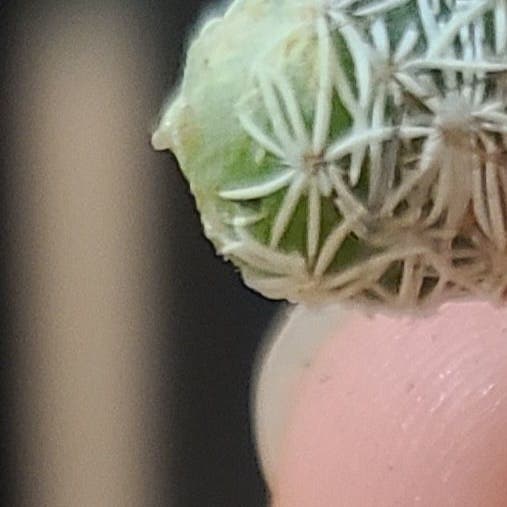
Everything You Need to Know About Laui Cory Cactus 🌵
Coryphantha laui 'Album'
By the Greg Editorial Team
Feb 18, 2025•12 min read
This article was created with the help of AI so we can cover more plants for you. May contain errors. See one? Report it here.
Elevate your garden with the resilient Laui Cory Cactus 🌵—a stunning, low-maintenance plant that thrives effortlessly!
- 🌞 Laui Cory Cactus needs 6-8 hours of sunlight daily for optimal growth.
- 💧 Water every 2-3 weeks during growing season; adjust in winter.
- 🌵 Non-toxic to pets, but spines can cause mild irritation.
How to Grow
🌞 Choosing the Right Location
To thrive, Laui Cory Cactus needs full sun exposure, ideally soaking up 6-8 hours of sunlight daily. It prefers warm temperatures, flourishing best in a range of 70°F to 100°F (21°C to 38°C).
🏗️ Soil Preparation
For optimal growth, use a well-draining cactus mix or create your own blend of potting soil, sand, and perlite. Aim for a soil pH that is slightly acidic to neutral, ideally between 6.0 and 7.0.
🌱 Planting Techniques
When planting, ensure seeds are placed 2-3 inches deep, while cuttings should be set 1-2 inches deep. For outdoor planting, maintain a spacing of 12-18 inches between each cactus to allow for healthy growth.
💧 Watering Schedule
During the growing season, water your cactus every 2-3 weeks, reducing frequency in winter. Always water thoroughly until it drains out of the bottom, ensuring the roots get the moisture they need.
🌿 Fertilizing
Use a balanced cactus fertilizer with an NPK ratio of 10-10-10. Fertilize every 4-6 weeks during the growing season to support robust growth.
✂️ Pruning
Prune your cactus in early spring, just before new growth begins. Focus on removing any dead or damaged spines and stems to keep your plant healthy.
🔍 Ongoing Care
Regularly monitor your cactus for signs of pests or diseases to catch any issues early. Adjust your care routine seasonally, particularly by reducing watering during the winter months.
With these guidelines, you'll be well on your way to cultivating a thriving Laui Cory Cactus. Next, let’s explore how to propagate this resilient plant for even more growth opportunities!
Propagation
🌱 Methods of Propagation
Propagation of the Laui Cory Cactus can be achieved through two primary methods: seeds and cuttings. You can either collect seeds from mature flowers or purchase them from a nursery for planting.
📝 Step-by-Step Instructions for Each Method
Seed Propagation (Difficulty: Moderate)
- Sow seeds in a well-draining mix to ensure proper growth.
- Keep the soil moist but not soggy; expect germination in about 2-4 weeks.
Cutting Propagation (Difficulty: Easy)
- Allow cuttings to callous for 1-2 days before planting to prevent rot.
- Plant in a well-draining mix and water sparingly until roots develop.
🌟 Best Practices for Successful Propagation
To ensure successful propagation, always use sterile tools to prevent disease. Additionally, provide indirect light until seedlings establish themselves, promoting healthy growth.
With these methods and tips, you can easily expand your Laui Cory Cactus collection. Next, let’s explore the lifecycle of this resilient plant.
Lifecycle
Lifecycle Stages 🌱
The lifecycle of the Laui Cory Cactus is a fascinating journey that begins with germination. Under optimal conditions, seeds sprout within 2-4 weeks, marking the start of their growth.
Following germination, the cactus enters the seedling stage, where it develops roots and initial spines. This is followed by a rapid vegetative growth phase that typically lasts 1-2 years, during which the cactus can significantly increase in size.
As the seasons change, flowering occurs in late spring to summer, depending on environmental conditions. After flowering, the cactus produces seeds, which are ready for collection, continuing the cycle.
Lifespan and Growth Rate ⏳
The average lifespan of a Laui Cory Cactus ranges from 10 to 30 years, influenced by the care it receives and its environment. Under ideal conditions, it reaches full maturity in approximately 3-5 years, growing at a moderate rate of 1-2 inches per year.
This growth rate can vary based on factors like light, water, and soil quality. Understanding these stages and growth patterns is essential for nurturing a healthy cactus and ensuring its longevity.
With proper care, your Laui Cory Cactus can thrive, bringing beauty and resilience to your garden for decades to come.
Size
🌱 Mature Dimensions and Growth Rate
The Laui Cory Cactus typically reaches a mature height of 1 to 3 feet (30 to 90 cm) and can spread between 1 to 2 feet (30 to 60 cm), depending on the specific variety. Its growth rate is moderate, influenced by factors such as light, water, and soil quality.
📏 Size Variability
Size can vary significantly based on pot size, soil quality, and environmental conditions. For instance, a cactus in a larger pot may grow taller and wider than one confined to a smaller space.
Understanding these dimensions can help you plan your garden layout effectively. Whether you're aiming for a striking centerpiece or a subtle accent, knowing the potential size of your Laui Cory Cactus is key to achieving your desired aesthetic.
As you consider these factors, remember that proper care can enhance growth and overall health, leading to a more vibrant plant. This sets the stage for the next section, where we’ll explore the fascinating lifecycle of the Laui Cory Cactus.
Roots
Characteristics of the Root System 🌱
The Laui Cory Cactus features a fibrous root system complemented by a taproot that allows it to access deep water sources. These roots can extend 12-18 inches deep, providing stability and hydration in arid conditions.
Common Root-Related Issues ⚠️
Root health is crucial for the overall vitality of your cactus. Overwatering can lead to root rot, characterized by mushy roots and yellowing stems, while a rootbound condition occurs when roots fill the pot, resulting in stunted growth and circling roots.
Visual Cues for Healthy vs. Unhealthy Roots 👀
Identifying root health is straightforward. Healthy roots are firm, white, and spread out, while unhealthy roots appear dark, mushy, or shriveled, indicating a need for immediate attention.
Tips for Managing Root Health 🛠️
To maintain robust root health, repot your Laui Cory Cactus every 2-3 years, preventing rootbound conditions. Additionally, ensure proper drainage in pots to avoid the risk of root rot, keeping your cactus thriving and vibrant.
With these root care tips, your Laui Cory Cactus will be well-equipped to flourish. Next, let’s explore the numerous benefits this unique plant offers to gardeners and enthusiasts alike.
Benefits
Top 5 Benefits 🌟
Drought-tolerant: The Laui Cory Cactus thrives on minimal water, making it an excellent choice for xeriscaping. This resilience not only conserves water but also reduces the need for constant upkeep.
Low maintenance: Perfect for busy gardeners or those new to plant care, this cactus requires little attention. Its hardy nature means you can enjoy its beauty without the stress of complicated care routines.
Unique aesthetic: With its ribbed structure and striking spines, the Laui Cory Cactus adds a distinctive touch to any garden. Its sculptural form can serve as a focal point or complement other plants beautifully.
Medicinal properties: Historically, various parts of the Laui Cory Cactus have been used for their health benefits. From soothing skin irritations to potential anti-inflammatory effects, this cactus has a place in traditional remedies.
Cultural significance: In many cultures, the Laui Cory Cactus symbolizes resilience and adaptability. Its ability to thrive in harsh conditions reflects a spirit of survival that resonates with many gardeners.
These benefits make the Laui Cory Cactus not just a plant, but a valuable addition to your garden or home. Whether you’re looking for low-maintenance greenery or a unique conversation starter, this cactus has you covered.
As you consider adding this remarkable plant to your collection, keep in mind the practical care tips that will help it flourish. Next, we’ll explore how to propagate your Laui Cory Cactus effectively.
Companion Plants
🌱 Explanation of Companion Planting
Companion planting is all about creating a harmonious garden environment. It enhances diversity, improves pest management, and promotes healthy growth among plants.
🌼 Best Companion Plants
When it comes to Laui Cory Cactus, certain companions thrive alongside it.
- Succulents: These plants share similar care needs and enjoy the same dry conditions, making them perfect partners.
- Desert Marigold: This vibrant flower attracts beneficial insects and visually complements the cactus, adding a splash of color to your garden.
🚫 Plants to Avoid
While some plants thrive with Laui Cory Cactus, others can be detrimental.
- Heavy Feeders: Avoid planting water-hungry plants like tomatoes or peppers nearby, as they require more nutrients and moisture than the cactus can provide.
By choosing the right companions, you can create a thriving garden that showcases the beauty of your Laui Cory Cactus while ensuring its health and vitality. Next, let’s explore the fascinating topic of toxicity and safety regarding this unique plant.
Toxicity to Humans
Laui Cory Cactus is generally safe for humans, as it is not listed as toxic by major poison control centers. However, it's important to note that the spines can cause mild skin irritation, and consuming large quantities may lead to minor digestive discomfort.
⚠️ General Safety Precautions
While the cactus is not harmful, always exercise caution with any plant. If you experience unusual symptoms after contact or ingestion, consult a medical professional for advice.
📋 Key Takeaways
- Non-toxic: No significant health risks associated with Laui Cory Cactus.
- Mild irritation: Skin contact may cause slight irritation.
- Consult a doctor: Seek medical advice for any unusual reactions.
Understanding the safety of Laui Cory Cactus allows you to enjoy its beauty without worry. Next, let’s explore how this cactus interacts with our furry friends!
Toxicity to Dogs
Laui Cory Cactus is not considered toxic by major pet poison control centers. This means your furry friends can safely roam around it without the risk of severe poisoning.
However, it's important to note that excessive consumption may lead to mild gastrointestinal upset. Keep an eye on your dog if they nibble on the cactus, as they might experience some discomfort.
🐶 Safety Tips for Dog Owners
- Placement: Position the cactus out of reach to prevent any curious snacking.
- Monitoring: Observe your dog's behavior around the plant to catch any unusual reactions early.
By taking these simple precautions, you can enjoy your Laui Cory Cactus while ensuring your dog's safety. Now, let’s explore how this cactus interacts with our feline friends!
Toxicity to Cats
Laui Cory Cactus is not considered toxic by major pet poison control centers. This means your feline friends can safely coexist with this unique plant.
However, it's important to note that excessive consumption may lead to mild gastrointestinal upset. While it's not life-threatening, it's best to keep an eye on your cat's behavior around the cactus.
🛡️ Safety Tips
To ensure a safe environment, place the cactus out of reach of curious paws. Regularly observe your cat's interactions with the plant to prevent any unwanted nibbling.
By taking these precautions, you can enjoy the beauty of Laui Cory Cactus while keeping your furry companions safe. Now that you know about its safety, let’s explore the common problems that might arise when caring for this resilient cactus.
Problems
Common Problems Faced 🌵
Maintaining a healthy Laui Cory Cactus can be tricky. Here are some common issues to watch out for.
1. Incorrect Watering
Watering is crucial for cactus health.
- Overwatered: If you notice yellowing and mushy stems, your cactus might be drowning.
- Underwatered: Conversely, shriveling and browning indicate it’s thirsty.
2. Incorrect Light Conditions
Light is another vital factor for growth.
- Symptoms: Etiolated growth or sunburned spines can signal that your cactus isn’t getting the right amount of sunlight.
3. Incorrect Temperature
Temperature fluctuations can stress your cactus.
- Symptoms: Look for stunted growth or leaf drop, which may indicate it’s too cold or too hot.
4. Diseases
Cacti can fall victim to various diseases.
- Fungal Issues: Be on the lookout for powdery mildew, rust, and black rot, which can compromise your plant's health.
5. Root Problems
Roots are the foundation of your cactus’s health.
- Root Rot: Caused by overwatering, symptoms include mushy roots that can lead to plant decline.
By keeping an eye on these common problems, you can ensure your Laui Cory Cactus thrives. Next, let’s explore the pests that might be lurking around your cactus.
Bugs
🐜 Potential Pest Issues
While the Laui Cory Cactus is generally pest-resistant, it can still fall victim to certain pests. Keeping an eye out for these intruders is essential for maintaining the health of your cactus.
🕷️ Common Pests
Spider Mites
- Identification: Look for fine webbing on the plant, often found on the undersides of leaves.
- Damage: These pests cause yellowing and stippling of leaves, which can lead to overall decline.
- Treatment: Increase humidity around the plant and consider using miticides for effective control.
Scale Insects
- Identification: These pests appear as hard, shell-like bumps on the stems of your cactus.
- Damage: Scale insects weaken the plant by sucking sap, leading to stunted growth.
- Treatment: Manual removal is effective, along with applying insecticidal soap to eliminate any remaining pests.
Mealybugs
- Identification: Look for white, cottony masses on the stems, which are a telltale sign of mealybugs.
- Damage: They can cause stunted growth and leaf drop, making them a nuisance.
- Treatment: Use alcohol swabs to remove them and follow up with insecticidal soap for thorough treatment.
By staying vigilant and addressing pest issues promptly, you can ensure your Laui Cory Cactus remains healthy and vibrant. Next, let’s explore what animals might be tempted to munch on your cactus and how to protect it from them.
What Eats Laui Cory Cactus
Common Animals That May Damage 🦌
Laui Cory Cactus can attract a variety of hungry critters. Common culprits include deer, rabbits, squirrels, birds, rodents, and groundhogs.
Signs of Animal Presence 🐾
Keep an eye out for signs of these animals. Chewed edges, missing segments, or droppings near your cactus can indicate that it's been targeted for a snack.
Methods for Deterring or Managing These Animals 🚫
To protect your cactus, consider using chemical repellents. Commercial sprays or homemade solutions can help keep these pests at bay.
For a more organic approach, fencing can be effective. Planting deterrent species nearby may also discourage animals from munching on your precious cactus.
With these strategies, you can enjoy your Laui Cory Cactus without the worry of it becoming a meal for local wildlife. Now, let’s explore the fascinating world of companion plants that can thrive alongside your cactus!
⚠️ Safety First
This content is for general information and may contain errors, omissions, or outdated details. It is not medical, veterinary advice, or an endorsement of therapeutic claims.
Always consult a qualified healthcare professional before using any plant as food, medicine, or supplement.
Never eat any plant (or feed one to pets) without confirming its identity with at least two trusted sources.
If you suspect poisoning, call Poison Control (800) 222-1222, the Pet Poison Helpline (800) 213-6680, or your local emergency service immediately.
Spotted an error? Please report it here.
Your Laui Cory Cactus can become a stunning centerpiece 🌵 in your garden for years to come, and with Greg's personalized care tips and watering reminders, you'll ensure it thrives in the perfect conditions!