Everything You Need to Know About Large-crested Eulophia
Eulophia magnicristata
By the Greg Editorial Team
Feb 27, 2025•14 min read
This article was created with the help of AI so we can cover more plants for you. May contain errors. See one? Report it here.
- 🌞 Large-crested Eulophia thrives in full sun to partial shade for optimal growth.
- 🌱 Well-draining, fertile soil is essential for healthy root development and growth.
- 🌼 Plant in spring, 2 inches deep, spaced 12-18 inches apart for best results.
How to Grow
🌍 Choosing a Location
When growing Large-crested Eulophia, selecting the right location is crucial. Aim for full sun to partial shade to ensure optimal growth.
Consider whether you’re planting outdoors or in containers. Outdoor placements should account for space and sunlight, while container plants need a spot that allows for easy movement and care.
🌱 Soil Preparation
Large-crested Eulophia thrives in well-draining, fertile soil. To achieve this, enrich your soil with organic matter, such as compost or well-rotted manure.
Adding perlite or sand can improve drainage if your soil is heavy. This preparation sets the stage for healthy root development.
🌼 Planting Techniques
The best time to plant Large-crested Eulophia is in spring, after the last frost. This timing allows the plant to establish itself before the heat of summer.
When planting, ensure a depth of about 2 inches and space your plants 12 to 18 inches apart. This spacing promotes airflow and reduces competition for nutrients.
💧 Watering Requirements
Consistency is key when watering Large-crested Eulophia. Aim for consistent moisture without waterlogging the soil.
Watch for signs of overwatering, such as yellowing leaves or root rot, and underwatering, which may cause wilting or browning. Adjust your watering schedule accordingly.
🌿 Fertilizing Schedule
For optimal growth, use a balanced NPK fertilizer. This ensures your plants receive the necessary nutrients throughout the growing season.
Fertilize every 4 to 6 weeks during the active growth period. This routine helps maintain vibrant foliage and encourages blooming.
✂️ Pruning Methods
Pruning is essential for promoting healthy growth in Large-crested Eulophia. Aim to prune in late winter or early spring before new growth begins.
Don’t forget to deadhead spent flowers. This practice encourages more blooms and keeps your plant looking tidy.
🔧 Ongoing Care
Seasonal care is vital for both outdoor and container-grown Large-crested Eulophia. Regularly check for pests and diseases, as early detection can prevent larger issues.
In containers, monitor moisture levels closely, as they can dry out faster than garden beds. With attentive care, your plants will thrive and reward you with beautiful blooms.
As you embark on this growing journey, remember that each step contributes to the overall health and beauty of your Large-crested Eulophia. Next, let’s explore how to propagate this stunning plant effectively.
Propagation
🌱 Methods of Propagation
When it comes to propagating Large-crested Eulophia, there are two primary methods: seed propagation and division. Both techniques are moderately challenging but rewarding, allowing you to expand your garden with these beautiful plants.
Seed Propagation
- Collect Seeds: Wait until the seed pods are dry and brown before harvesting.
- Prepare Soil: Use a well-draining potting mix to ensure healthy germination.
- Sow Seeds: Plant seeds about 1/4 inch deep and space them a few inches apart.
- Water Gently: Keep the soil consistently moist but not soggy.
- Provide Light: Place the pots in a warm area with indirect sunlight.
- Germination Time: Expect seeds to germinate in 2-4 weeks under optimal conditions.
This method allows you to start new plants from scratch, giving you a sense of accomplishment as you nurture them from seed to bloom.
Division Propagation
- Choose a Mature Plant: Select a healthy Large-crested Eulophia that has been growing for at least a couple of years.
- Dig Up the Plant: Carefully lift the plant from the ground, ensuring you don’t damage the roots.
- Separate the Rhizomes: Gently pull apart the rhizomes, making sure each division has roots and at least one growth bud.
- Replant Immediately: Place the divisions in prepared soil, ensuring they are at the same depth as they were originally.
- Water Thoroughly: After planting, give them a good soak to help settle the soil around the roots.
Dividing your plants not only helps propagate them but also promotes healthier growth by reducing overcrowding.
Both methods are effective and can be chosen based on your preference and the resources available. With a little patience and care, you’ll soon have a thriving collection of Large-crested Eulophia to enjoy.
As you explore propagation, consider how these techniques can enhance your gardening experience. Next, let’s dive into the lifecycle of Large-crested Eulophia, understanding the stages from germination to maturity.
Lifecycle
🌱 Lifecycle Stages
Germination
Germination is the first step in the lifecycle of Large-crested Eulophia. This process typically takes 2 to 4 weeks under optimal conditions, which include warm temperatures and consistent moisture.
Seedling Stage
Once germinated, seedlings require careful attention. They thrive in well-draining soil and need adequate light, ideally around 12-16 hours per day, to develop strong roots and leaves.
Vegetative Growth
During the vegetative growth phase, Large-crested Eulophia focuses on building its structure. This stage can last several months, and the plant needs regular watering and balanced nutrients to support its expanding foliage.
Flowering
Flowering usually occurs in late spring to early summer. The plant requires full sun to partial shade during this time to produce vibrant blooms, which attract pollinators and enhance garden aesthetics.
Seed Production
After flowering, the plant enters the seed production phase. This involves the formation of seed pods, which can take several weeks to mature, allowing for future propagation.
⏳ Duration Until Maturity
Timeframe for Maturity
Large-crested Eulophia typically reaches full size within 2 to 3 years. This timeframe can vary based on environmental conditions and care practices.
Growth Speed
On average, the growth rate is moderate, with plants expanding steadily each season. With proper care, you can expect a lifespan of several years, making it a rewarding addition to your garden.
As you nurture your Large-crested Eulophia, keep an eye on its lifecycle stages to ensure optimal growth and health. Next, let's explore the size of this fascinating plant and how it can fit into your garden design.
Size
Mature Height and Spread 🌱
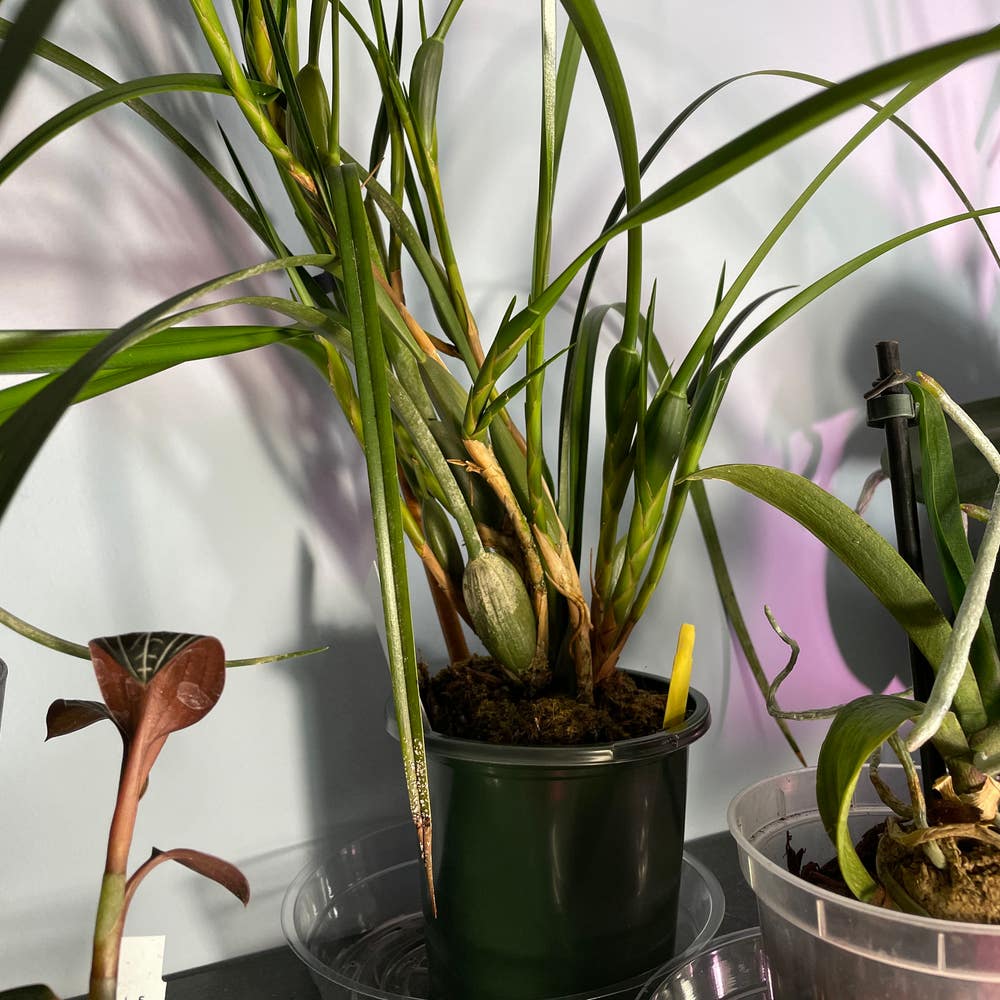
Large-crested Eulophia typically reaches a mature height of 18 to 24 inches, with a spread of about 12 to 18 inches. However, these dimensions can vary significantly based on the growing conditions.
Growth Rate and Size Variability 📈
Several factors influence the growth rate and size of Large-crested Eulophia. These include soil quality, light exposure, and water availability.
In optimal conditions, you can expect robust growth, while less favorable environments may stunt its development. For instance, plants grown in rich, well-draining soil with ample sunlight will flourish compared to those in shaded or nutrient-poor settings.
Understanding these variables can help you create the best environment for your Large-crested Eulophia, ensuring it thrives and reaches its full potential.
As you consider these aspects, remember that the right care can lead to impressive growth and vibrant blooms, setting the stage for a stunning garden display.
Roots
Characteristics of the Root System 🌱
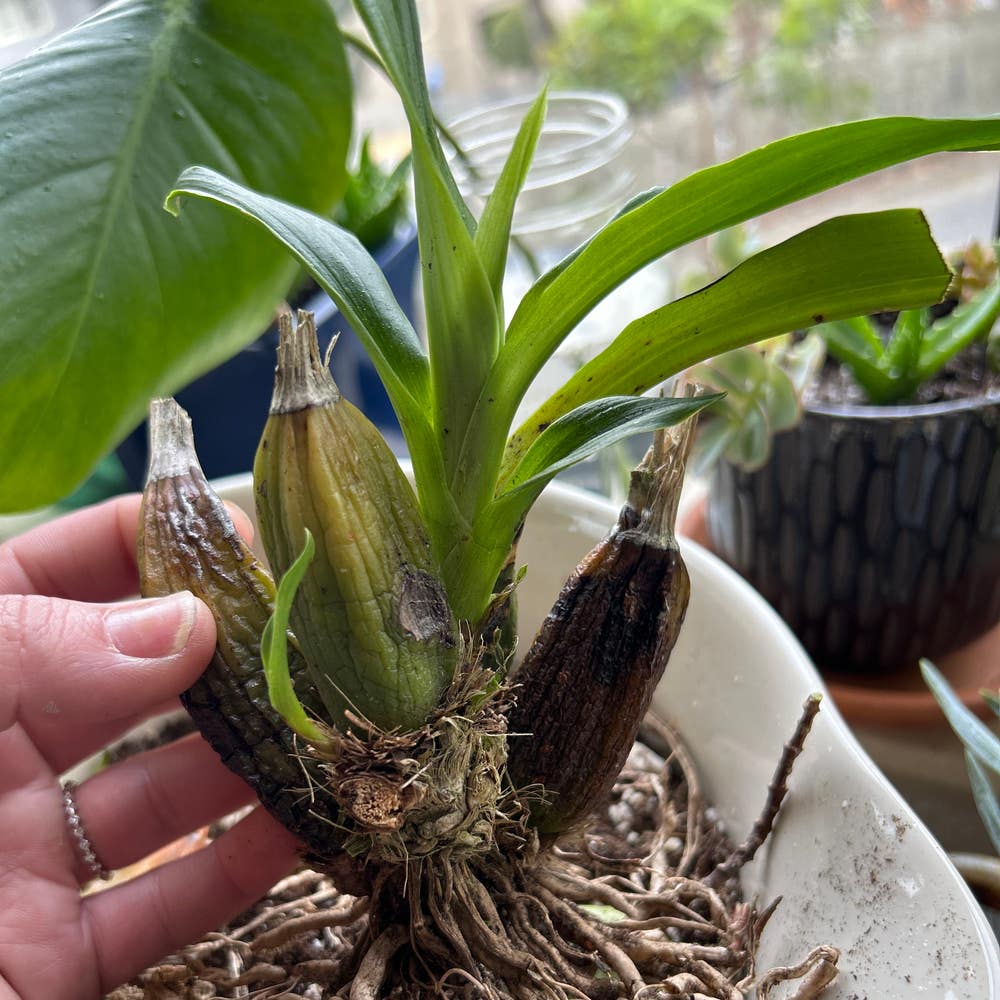
The Large-crested Eulophia features a rhizomatous root system, which means it has underground stems that spread horizontally. This unique structure allows the plant to store nutrients and water, making it resilient in various conditions.
The depth and spread of these roots can vary significantly based on the growing environment. In well-draining soil, roots can extend deeper, while compacted or poor-quality soil may restrict their growth.
Common Root-Related Issues and Solutions ⚠️
Root rot is a common issue for Large-crested Eulophia, often caused by overwatering or poorly draining soil. To identify root rot, look for dark, mushy roots that emit a foul odor.
To maintain healthy roots, ensure proper drainage and avoid waterlogging. Regularly check the soil moisture and adjust your watering schedule accordingly.
Identifying Healthy vs. Unhealthy Roots 🔍
Healthy roots are firm, white, and spread out evenly in the soil. If you notice brown or black roots that feel mushy, it's a sign of trouble.
Rootbound conditions occur when roots grow too densely in a pot, limiting their access to nutrients and water. If you see roots circling the pot's edge, it’s time to repot into a larger container for better growth.
Benefits
Top 5 Benefits 🌟
Large-crested Eulophia is not just a stunning addition to any garden; it offers a wealth of benefits that make it a must-have for plant enthusiasts.
Ornamental Appeal
With its striking foliage and unique flowers, Large-crested Eulophia adds a touch of elegance to gardens. Its vibrant colors and shapes can serve as focal points or complement other plants beautifully.
Traditional Medicinal Uses
Historically, this plant has been valued for its medicinal properties. Various cultures have utilized its parts for remedies, showcasing its importance beyond mere aesthetics.
Attracting Pollinators
Large-crested Eulophia is a magnet for pollinators like bees and butterflies. By planting it, you contribute to a healthier ecosystem and support local wildlife.
Enhancing Garden Diversity
Incorporating this species into your garden promotes biodiversity. A diverse garden is more resilient and can better withstand pests and diseases.
Cultural Significance and Symbolism
This plant carries cultural meanings in various traditions. Its presence can symbolize beauty, resilience, and connection to nature, enriching your garden's narrative.
These benefits make Large-crested Eulophia a fantastic choice for any gardener looking to enhance their space. Next, let’s explore the best companion plants that thrive alongside this remarkable species.
Companion Plants
🌱 Companion Planting
Companion planting is a gardening technique that enhances plant health and productivity. By strategically placing certain plants together, you can improve growth, deter pests, and even boost flavor.
🌼 Best Companion Plants
Here are some excellent companions for Large-crested Eulophia:
- Marigolds: These vibrant flowers repel nematodes and other pests.
- Basil: Not only does it enhance the flavor of nearby plants, but it also attracts beneficial insects.
- Nasturtiums: They act as a trap crop, luring aphids away from your Eulophia.
These plants create a symbiotic relationship, helping each other thrive while managing pest populations effectively.
🚫 Plants to Avoid
While many plants can benefit Large-crested Eulophia, some should be avoided.
- Fennel: It can inhibit the growth of nearby plants.
- Cabbage family: Members like broccoli and kale may compete for nutrients and attract similar pests.
Keeping these plants away will help ensure your Eulophia flourishes without unnecessary competition or pest attraction.
By understanding companion planting, you can create a thriving garden ecosystem that supports your Large-crested Eulophia and enhances its beauty. Next, let’s explore the potential toxicity of this plant to humans and pets.
Toxicity to Humans
🛡️ Safety for Humans
When it comes to Large-crested Eulophia, you can breathe easy. This plant is not listed as toxic by major poison control centers, making it a safe choice for your garden.
However, it’s worth noting that some individuals may experience minor issues from excessive contact or ingestion. While rare, skin irritation or mild gastrointestinal discomfort can occur, so it's always wise to handle plants with care.
In summary, Large-crested Eulophia is a fantastic addition to your garden without the worry of toxicity. Just remember to enjoy its beauty responsibly!
As we explore further, let’s look at how this plant interacts with our furry friends.
Toxicity to Dogs
Safety for Dogs 🐶
When it comes to Large-crested Eulophia, dog owners can breathe a sigh of relief. This plant is not listed as toxic by major pet poison control centers, making it a safe choice for gardens frequented by our furry friends.
However, it's worth noting that while the plant itself isn't harmful, some dogs may experience minor issues if they consume large quantities. Symptoms could include mild gastrointestinal upset, but these instances are rare. Always keep an eye on your pet's behavior after they've been around new plants to ensure their safety.
In summary, Large-crested Eulophia is a dog-friendly plant that adds beauty to your garden without posing a significant risk. As you enjoy your gardening journey, rest assured that your canine companions can safely roam among these vibrant blooms.
Next, let's explore the safety of Large-crested Eulophia for our feline friends.
Toxicity to Cats
Safety for Cats 🐱
When it comes to the Large-crested Eulophia, cat owners can breathe a sigh of relief. This plant is not listed as toxic by major pet poison control centers, meaning your feline friends can roam around it safely.
However, while the plant is generally safe, there can be minor issues if a cat consumes it in large quantities. Symptoms may include mild gastrointestinal upset, but these instances are rare and usually not serious. Always keep an eye on your pets to ensure they don’t munch on your plants excessively.
In summary, the Large-crested Eulophia is a great choice for cat owners looking to add some greenery to their homes. With its non-toxic status, you can enjoy its beauty without worrying about your furry companions.
As we move forward, let’s explore how to keep your Large-crested Eulophia thriving in your garden or home.
Problems
Common Problems 🌱
Growing Large-crested Eulophia can be rewarding, but it’s not without its challenges. One of the most common issues is incorrect watering; both overwatering and underwatering can lead to serious problems.
Overwatering often results in root rot, while underwatering can cause wilting and stress. It's crucial to find a balance that keeps the soil consistently moist but not soggy.
Light and temperature conditions also play a significant role in the plant's health. Too much direct sunlight can scorch the leaves, while insufficient light can lead to leggy growth.
Diseases like powdery mildew and rust can affect Large-crested Eulophia, especially in humid conditions. Leaf issues, such as scorching or yellowing, often signal that something is amiss.
Lastly, growth problems can arise if the plant isn't thriving. If your Eulophia isn't growing as expected or appears leggy, it may need adjustments in care.
Solutions 🛠️
To tackle overwatering, ensure your pots have drainage holes and allow the top inch of soil to dry out before watering again. For underwatering, increase your watering frequency, especially during hot, dry spells.
Adjust light exposure by moving your plant to a location with filtered sunlight if you notice leaf scorch. Conversely, if it’s too leggy, consider relocating it to a brighter spot.
For diseases like powdery mildew, improve air circulation around the plant and apply fungicides if necessary. Address leaf issues by checking for pests or nutrient deficiencies.
If your plant isn't growing well, reassess its environment and care routine. Sometimes, a simple change in watering or light can make all the difference.
By staying vigilant and responsive to these common problems, you can ensure your Large-crested Eulophia thrives beautifully. Next, let’s explore the various pests that might threaten your plant’s health.
Bugs
🐛 Potential Pest Issues
Large-crested Eulophia can face a variety of pest challenges. While these plants are generally resilient, they can still be susceptible to common garden pests.
🔍 Identification and Damage
Spider Mites: These tiny pests can cause significant damage by sucking the sap from leaves, leading to stippling and discoloration. Look for fine webbing on the undersides of leaves as a telltale sign.
Scale Insects: These pests appear as small, brownish bumps on stems and leaves. They can weaken the plant by feeding on its sap, resulting in yellowing leaves and stunted growth.
Mealybugs: Recognizable by their white, cotton-like appearance, mealybugs also suck sap and can lead to leaf drop. They often cluster in leaf joints and can produce a sticky residue.
Aphids: These small, green or black insects can be found on new growth. They reproduce quickly and can cause curling and yellowing of leaves.
💪 Effective Treatment Options
For spider mites, increase humidity around the plant and consider using insecticidal soap or neem oil. Regularly washing the leaves can also help dislodge these pests.
To combat scale insects, gently scrub affected areas with a soft brush and apply horticultural oil to suffocate them.
Mealybugs can be removed with a cotton swab dipped in alcohol, which kills them on contact.
For aphids, introducing beneficial insects like ladybugs can help control their population naturally. Alternatively, a strong spray of water can dislodge them from the plant.
By staying vigilant and addressing pest issues promptly, you can keep your Large-crested Eulophia thriving and beautiful. Next, let’s explore what animals might be munching on your plants and how to protect them.
What Eats
🦌 Common Animals
Large-crested Eulophia can attract a variety of hungry critters. Deer, rabbits, and rodents are the main culprits that may nibble on your plants, potentially causing significant damage.
🔍 Signs of Damage
Recognizing the signs of animal damage is crucial for timely intervention. Look for chewed leaves, missing flowers, or even footprints around your garden. Deer tend to leave large, distinct tracks, while rabbits often leave cleanly cut stems. Rodents may create small holes in the soil or gnaw on the roots.
🚫 Deterrent Methods
Protecting your Large-crested Eulophia from these pests can be achieved through various methods.
Chemical Deterrents: Commercial repellents can be effective, but ensure they are safe for your garden environment.
Organic Control: Consider using natural deterrents like garlic spray or planting strong-smelling herbs around your garden.
Physical Barriers: Fencing or netting can also keep larger animals at bay.
By employing these strategies, you can safeguard your plants and enjoy their beauty without the worry of unwanted visitors.
⚠️ Safety First
This content is for general information and may contain errors, omissions, or outdated details. It is not medical, veterinary advice, or an endorsement of therapeutic claims.
Always consult a qualified healthcare professional before using any plant as food, medicine, or supplement.
Never eat any plant (or feed one to pets) without confirming its identity with at least two trusted sources.
If you suspect poisoning, call Poison Control (800) 222-1222, the Pet Poison Helpline (800) 213-6680, or your local emergency service immediately.
Spotted an error? Please report it here.
Watch your Large-crested Eulophia bloom vibrantly 🌼 with Greg's personalized care tips and watering reminders that ensure it thrives in its perfect environment!