Japanese Magnolia - Ultimate Guide to Fertilizing
Magnolia liliiflora
By the Greg Editorial Team
Jun 18, 2024•5 min read
This article was created with the help of AI so we can cover more plants for you. May contain errors. See one? Report it here.
Nurture a breathtaking Japanese Magnolia display 🌸 by mastering the art of timely and balanced fertilization.
- 🌸 Early spring fertilization is crucial for Japanese Magnolia blooms.
- Balanced NPK ratio (4-3-4) optimizes growth and flowering.
- 🚫 Avoid over-fertilization; watch for leaf burn and soil crust.
Timing is Everything: When to Fertilize Your Japanese Magnolia
🌸 Before the Bloom: Prepping for Spring
Spring is the kickoff for fertilizing your Japanese Magnolia. As the ground thaws and the days grow longer, your tree's roots are ready to absorb nutrients. Early spring is prime time; fertilize as soon as the risk of frost has passed and the soil is workable. This initial feed will set the stage for the spectacular blooms to come.
Temperature plays a role too. Once consistent warmer temperatures are observed, it's a green light for fertilization. This is when your tree shakes off dormancy and gears up for growth. Don't jump the gun during a warm spell in late winter, though—patience ensures you won't waste fertilizer on a tree that's not ready to use it.
☀️ Summer Lovin': Maintaining Vigor During Active Growth
Summer demands a change in strategy. Adjust frequency based on how your tree is responding. Is it a lush green and growing? It might be time for another round. But if it's looking a bit lackluster, hold off and investigate other potential issues first.
Keep an eye out for signs that your tree is hungry for more—new growth is a telltale indicator. If the leaves are vibrant and the tree seems to be in its element, a mid-summer feed can support this active phase. Just remember, as summer wanes, so should your fertilization efforts to avoid pushing growth too late in the season.

Choosing the Right Food: Fertilizer Options for Japanese Magnolia
💪 The Balanced Diet: Understanding NPK Ratios
Japanese Magnolias don't just survive on water and sunlight; NPK ratios are their secret sauce. The NPK acronym stands for nitrogen (N), phosphorus (P), and potassium (K), each a VIP nutrient for plant health. Nitrogen keeps the foliage in the green, phosphorus is all about those stunning blooms, and potassium, well, it's the plant's immune system booster.
For a Japanese Magnolia, think of a 4-3-4 ratio as a balanced meal. It's like hitting the gym, then eating a protein-packed salad—good for growth and great for flowers. Measure the trunk or branch spread to get your dosing right, and always, I mean always, follow the label's instructions.
🌿 Going Organic: Natural Fertilizer Benefits
If you're into the organic lifestyle, your Japanese Magnolia can join the club. Organic fertilizers, like the cool kids kelp and fish emulsion, are the slow food movement of the garden world. They release nutrients at a leisurely pace, which means your tree gets a steady diet, and your soil stays in tip-top shape. But remember, organics are more marathon than sprint; they take their sweet time to work.
Pros? They're eco-friendly and improve soil structure. Cons? They're gentler and slower, so if your tree is screaming for nutrients, they might not cut it. For application, think of it as dressing a salad—evenly spread it around, and don't drown it. And water it in, because nobody likes dry salad.
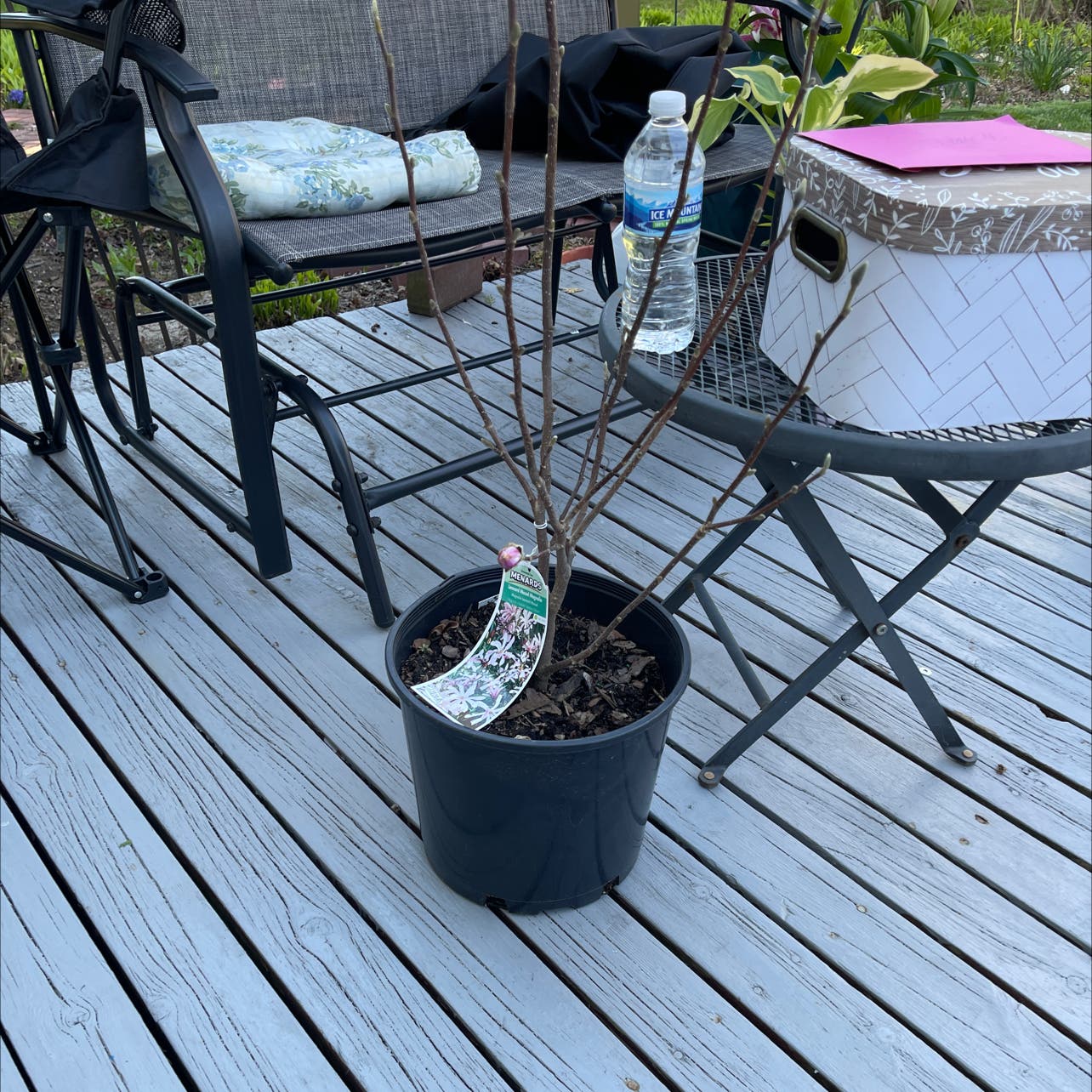
Feeding Your Tree: How to Properly Apply Fertilizer
💡 The Right Amount: Dosage and Distribution
Calculating the correct amount of fertilizer is crucial. Follow the product label to determine the dosage, typically based on the tree's size or the soil area. For even distribution, avoid dumping fertilizer at the tree's base. Instead, start a foot away from the trunk and extend past the drip line, ensuring nutrients reach the roots without causing root burn.
🍽️ The Method: Incorporating Fertilizer into the Soil
Mixing fertilizer with soil is an art. Sprinkle it evenly over the root zone, mirroring the canopy's spread. After application, water the soil thoroughly. This helps dissolve the fertilizer, allowing for better absorption and preventing nutrient waste. Remember, moist soil is your ally in this process, aiding in even nutrient spread.

The Perils of Overindulgence: Avoiding Over-Fertilization
🚫 Spotting the Signs: Symptoms of Over-Fertilization
Leaf burn should set off alarms. If your Japanese Magnolia's leaves look more toasted than lush, it's time to reassess your fertilizing habits. Yellowing leaves or premature leaf drop can also signal distress from too much love. A white crust on the soil's surface? That's excess fertilizer shouting for attention.
🛠️ What to Do If You've Over-Fertilized
Hit pause on fertilizing and let your tree recover. Flush the soil with water to leach out excess nutrients. This isn't a one-and-done; repeat every few days and watch for signs of improvement. Remember, over-fertilization can look a lot like over-watering, so make sure you're addressing the right issue.
🛡️ Prevention is Key: Strategies to Avoid Over-Fertilization
To prevent overdoing it, monitor your tree's response to fertilization like a hawk. Adjust your approach based on what you see, not a calendar. Soil tests aren't just for the pros; they're your roadmap to balanced feeding. They help you avoid flying blind and dumping nutrients your tree doesn't need.
Regular leaching can keep nutrient levels in check, especially if you're using slow-release fertilizers. Ensure proper drainage to prevent waterlogged soil, which can exacerbate over-fertilization issues. And always, always stick to the recommended dosage—more isn't merrier when it comes to plant food.
⚠️ Safety First
This content is for general information and may contain errors, omissions, or outdated details. It is not medical, veterinary advice, or an endorsement of therapeutic claims.
Always consult a qualified healthcare professional before using any plant as food, medicine, or supplement.
Never eat any plant (or feed one to pets) without confirming its identity with at least two trusted sources.
If you suspect poisoning, call Poison Control (800) 222-1222, the Pet Poison Helpline (800) 213-6680, or your local emergency service immediately.
Spotted an error? Please report it here.
Nurture your Japanese Magnolia to flourish 🌸 with Greg's personalized fertilization reminders, ensuring you never miss the perfect moment for vibrant growth.


