What Temperature Does My Japanese Magnolia Need?
Magnolia liliiflora
By the Greg Editorial Team
Jun 18, 2024•4 min read
This article was created with the help of AI so we can cover more plants for you. May contain errors. See one? Report it here.
Discover the secret to a thriving Japanese Magnolia by nailing the perfect temperature sweet spot 🌡️🌿.
- 70°F to 90°F is ideal for Japanese Magnolias to flourish.
- Protect from cold and heat with mulching and watering.
- Stable humidity and temperature prevent stress and damage.
When It's Just Right: Hitting the Temperature Sweet Spot
Japanese Magnolias have a temperature sweet spot that ensures their best growth and bloom. They thrive in moderate climates where it's neither too hot nor too cold. The ideal temperature range for these plants is between 70°F and 90°F during the growing season.
What Happens When Temperatures Drop
❄️ Spotting the Chill
Cold stress in Japanese Magnolias can be subtle. Leaves may turn brown or show signs of burning, especially if the plant enters winter with a dry root system. When temperatures fall below 20°F, it's time to take action to protect your Magnolia, as serious damage generally occurs below 0°F.
❄️ The Freeze Effect
A sudden cold snap can be detrimental. It can cause the Magnolia's leaves to desiccate and lead to long-term damage to the plant's vascular system. Preventative measures include mulching to insulate roots and watering adequately before a freeze.
When the Heat Is On
🌡️ Recognizing the Signs
Heat stress manifests through leaf scorch, where edges may appear burnt, and through wilting or sparse new growth. It's a sign that the Magnolia is losing water through transpiration faster than it can absorb it.
🌡️ Sizzling Summers
To protect your Japanese Magnolia from extreme heat, provide shade during the hottest parts of the day and mulch the root zone. Extra watering may be necessary to alleviate stress and prevent leaf drop. Remember, consistent care is key to managing temperature stress.

The Stress Behind the Scenes: Causes and Prevention
Temperature stress in Japanese Magnolias can sneak up like an uninvited guest, wreaking havoc on your serene garden. Extreme temperatures, both hot and cold, can push these plants out of their comfort zones, leading to a variety of issues.
🌡️ Unpacking the Causes
Fluctuating temperatures can cause Japanese Magnolias to throw a fit. In the heat, they might clump leaves or sport a reddish-brown hue as a shield against the sun. When it's cold, they're at risk of frost damage, which can turn new blooms into a floral tragedy.
🛡️ Pro Tips for Safeguarding Your Magnolia
To keep your Japanese Magnolia from throwing in the towel, consider these strategies:
- Shade your plant during heatwaves to prevent leaf scorch.
- Mulch the root zone to insulate against temperature extremes.
- Water generously to counteract the drying effects of heat.
💦 A Quick Humidity Check
Humidity plays the sidekick to temperature, influencing your plant's well-being. Too low, and your Magnolia's leaves might roll up tighter than a yoga mat. Too high, and you're inviting a fungal fiesta. Keep humidity levels in check to avoid adding insult to injury.
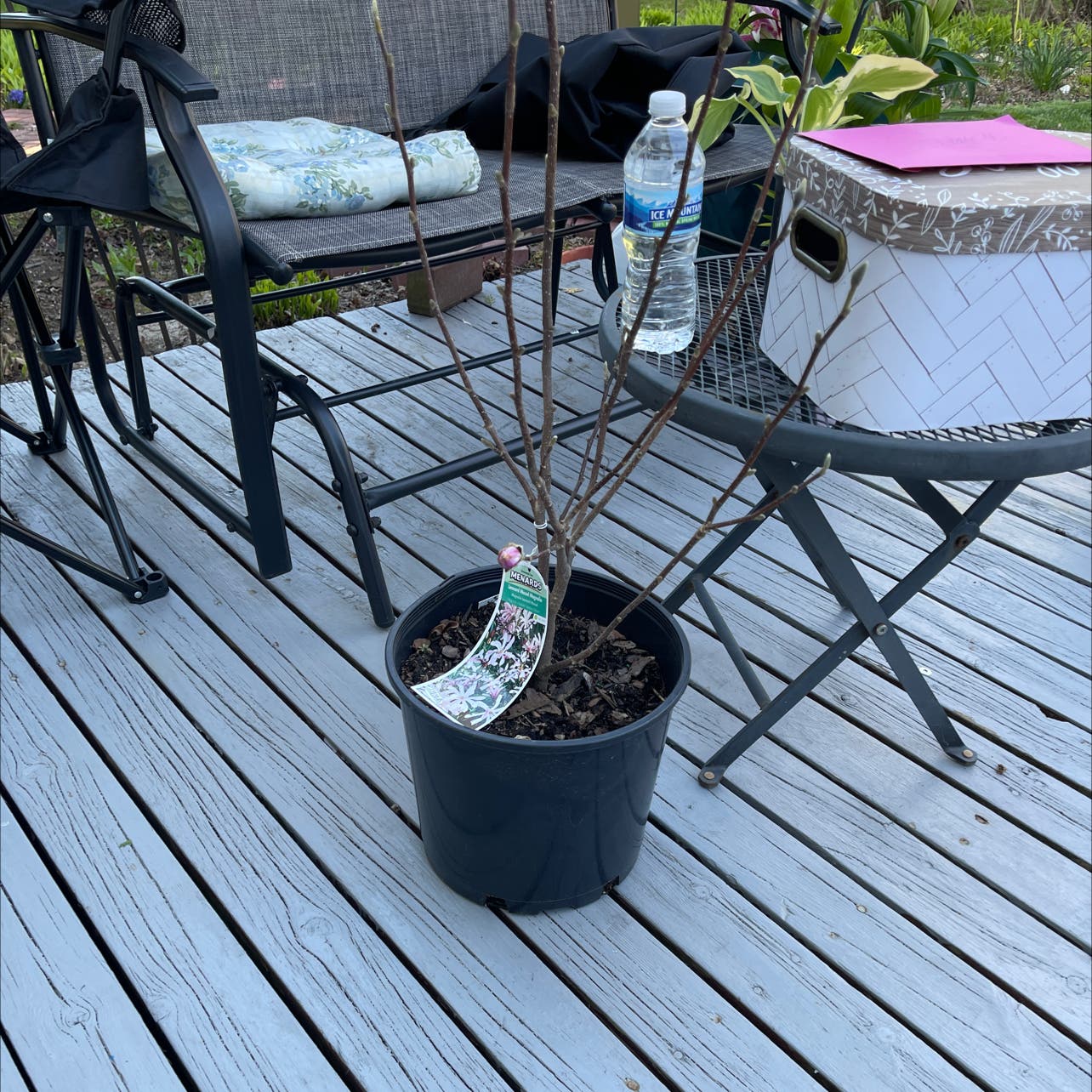
A Quick Humidity Check
Humidity's role in temperature stress is like that friend who either calms you down or eggs you on. Inconsistent humidity can amplify temperature stress, making your Japanese Magnolia's life harder than it needs to be.
🌬️ The Role of Humidity
When the air is too dry, your Magnolia might start conserving water like a camel, which isn't a good look. On the flip side, high humidity can be cozy, but it's a slippery slope to mold and mildew city.
🌿 Keeping Humidity on the Level
To maintain the right humidity for your Japanese Magnolia, you might need to play around with your garden setup. Avoid placing your plant near heat sources or in the path of chilly drafts. Sometimes, it's about finding the sweet spot where your Magnolia can chill out and thrive.

Wrapping Up: Keeping Your Japanese Magnolia Comfy
In the dance of the seasons, your Japanese Magnolia requires just the right tempo. Temperature is a critical step in this botanical ballet, and maintaining it can mean the difference between a flourishing spectacle and a lackluster performance.
🌡️ Ideal Temperature Range
The sweet spot for your magnolia lies in a temperate climate. Aim for a range between 60°F to 72°F (15°C to 22°C) during the growing season. Winter's chill should be gentle, avoiding harsh drops below 20°F (-6°C) to prevent cold damage.
🌞 Temperature Extremes
Summer's heat can be as challenging as winter's bite. Provide shade during the hottest parts of the day to shield your magnolia from scorching. Conversely, during unexpected cold snaps, consider using frost cloth to protect early blooms.
🎭 Final Thoughts
Remember, stability is key. Sudden temperature swings are the enemy of your Japanese Magnolia's well-being. With attentive care and a watchful eye on the mercury, your magnolia will reward you with its stunning blooms and robust health. Keep the soil moist but well-drained, and your magnolia will stand tall and proud, come rain or shine.
⚠️ Safety First
This content is for general information and may contain errors, omissions, or outdated details. It is not medical, veterinary advice, or an endorsement of therapeutic claims.
Always consult a qualified healthcare professional before using any plant as food, medicine, or supplement.
Never eat any plant (or feed one to pets) without confirming its identity with at least two trusted sources.
If you suspect poisoning, call Poison Control (800) 222-1222, the Pet Poison Helpline (800) 213-6680, or your local emergency service immediately.
Spotted an error? Please report it here.
Keep your Japanese Magnolia blooming beautifully 🌸 by letting Greg manage the temperature highs and lows with custom care alerts, ensuring your tree never shivers or wilts.


