Should I Repot My Japanese Magnolia And If So, How?
Magnolia liliiflora
By the Greg Editorial Team
Jun 18, 2024•3 min read
This article was created with the help of AI so we can cover more plants for you. May contain errors. See one? Report it here.
Revitalize your Japanese Magnolia's growth 🌱 by learning the perfect repotting techniques in our essential guide.
- 🌱 Root-bound signs mean repot: roots circling or through drainage holes.
- 🌼 Spring repotting aids recovery: align with the season's growth energy.
- 🚿 Choose well-draining pot and soil: prevents overwatering and root rot.
Spotting the Tell-Tale Signs It's Time for a New Home
🌱 Root Tango in a Tight Spot
Your Japanese Magnolia's roots should be comfortably underground, not peeking out like nosy neighbors. Root-bound plants exhibit roots circling the pot's interior or staging a breakout through the drainage holes. If you're seeing more roots than soil, it's time for a change.
💧 When Water Runs Faster Than It Stays
Watering should hydrate, not just pass through like a tourist. If the water zips through the soil, leaving it dry quicker than you can say "thirsty," your plant's roots might be too snug. Soil should retain moisture, not repel it like last season's fashion.
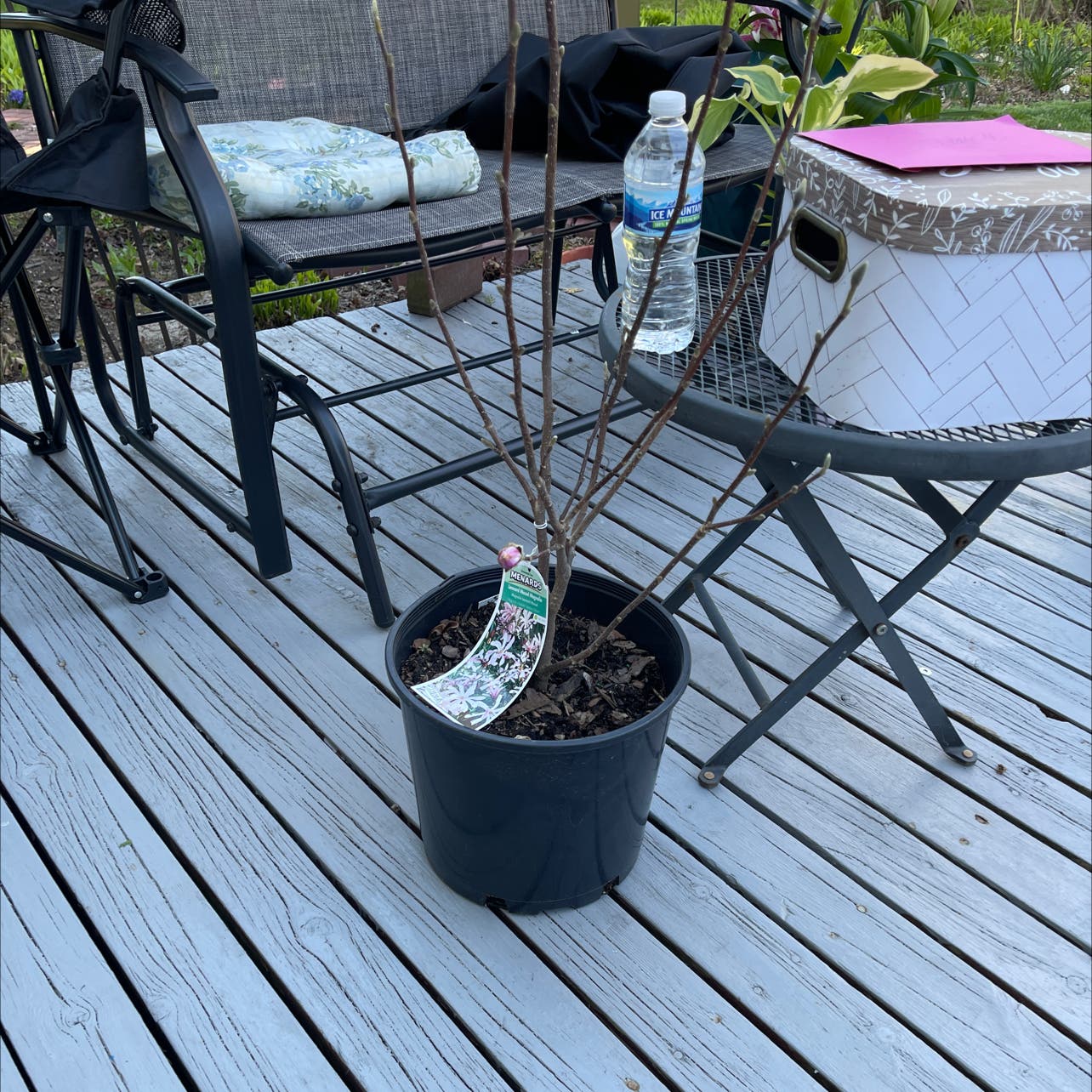
Choosing the Best Pot for Your Japanese Magnolia
🌱 Material Matters: Terracotta vs. Plastic vs. Fabric
Terracotta, the classic choice, breathes like a yoga instructor, wicking away moisture and promoting healthy roots. But watch out, it can dry out faster than your favorite Netflix series. Plastic is the low-maintenance buddy, keeping soil moist, yet it's a helicopter parent to your roots, risking overwatering. Fabric pots are the newcomers, offering aeration galore but demanding more frequent watering, which could be a hassle if you're not the attentive type.
📏 Size It Up Right
Choosing a pot size is like picking jeans – it has to be just right. Aim for a pot that's double the size of your Magnolia's root ball, but don't go overboard. Too much room, and you're risking a soggy mess, too little, and your plant's growth gets cramped. Remember, your Magnolia doesn't care about the pot's fashion statement; it's all about comfort and fit.

The Repotting Rundown: A Step-by-Step Guide
⏰ Timing Is Everything
Spring is the sweet spot for repotting your Japanese Magnolia. This season offers the plant a chance to recover and grow with the natural boost of the season's energy.
🌱 Gentle Root Handling
When extracting your Magnolia, treat the roots like VIPs. Tilt the pot, coax the plant out gently, and avoid any harsh tugging. Snip away any dead or mushy roots - they're not doing your plant any favors.
🌿 Soil and Drainage: Laying the Foundation
Opt for a well-draining potting mix that holds moisture without turning into a mucky mess. Ensure the new pot has ample drainage holes to prevent water from pooling at the bottom. This is like setting up a solid foundation for a house - it's crucial for the long-term stability of your plant.

Post-Repot Pampering: Aftercare Essentials
💧 Watering Wisely
After you've nestled your Japanese Magnolia into its new abode, water management becomes your top priority. Initially, you'll want to hydrate the soil to a moist state, but steer clear of creating a mini swamp. Remember, you're aiming for a damp feel, not a wet one. Overwatering is the fast track to root rot, while underwatering is akin to neglect. It's a delicate dance to keep the soil's moisture just right, so check the soil before each watering.
👀 Spotting Stress Signals
Your plant will signal if it's in distress. Keep a vigilant eye out for yellow leaves or a general droopy demeanor—these are your Magnolia's version of an SOS. If you notice these signs, don't just stand there; adjust your care routine. This might involve tweaking the watering schedule or ensuring the plant isn't getting too much or too little light. Remember, consistency is key, so try to replicate the plant's previous environment as much as possible to avoid additional stress.
⚠️ Safety First
This content is for general information and may contain errors, omissions, or outdated details. It is not medical, veterinary advice, or an endorsement of therapeutic claims.
Always consult a qualified healthcare professional before using any plant as food, medicine, or supplement.
Never eat any plant (or feed one to pets) without confirming its identity with at least two trusted sources.
If you suspect poisoning, call Poison Control (800) 222-1222, the Pet Poison Helpline (800) 213-6680, or your local emergency service immediately.
Spotted an error? Please report it here.
Ensure your Japanese Magnolia thrives in its new pot by letting Greg alert you 🛎 when it's time to water and track the perfect post-repotting moisture levels.


