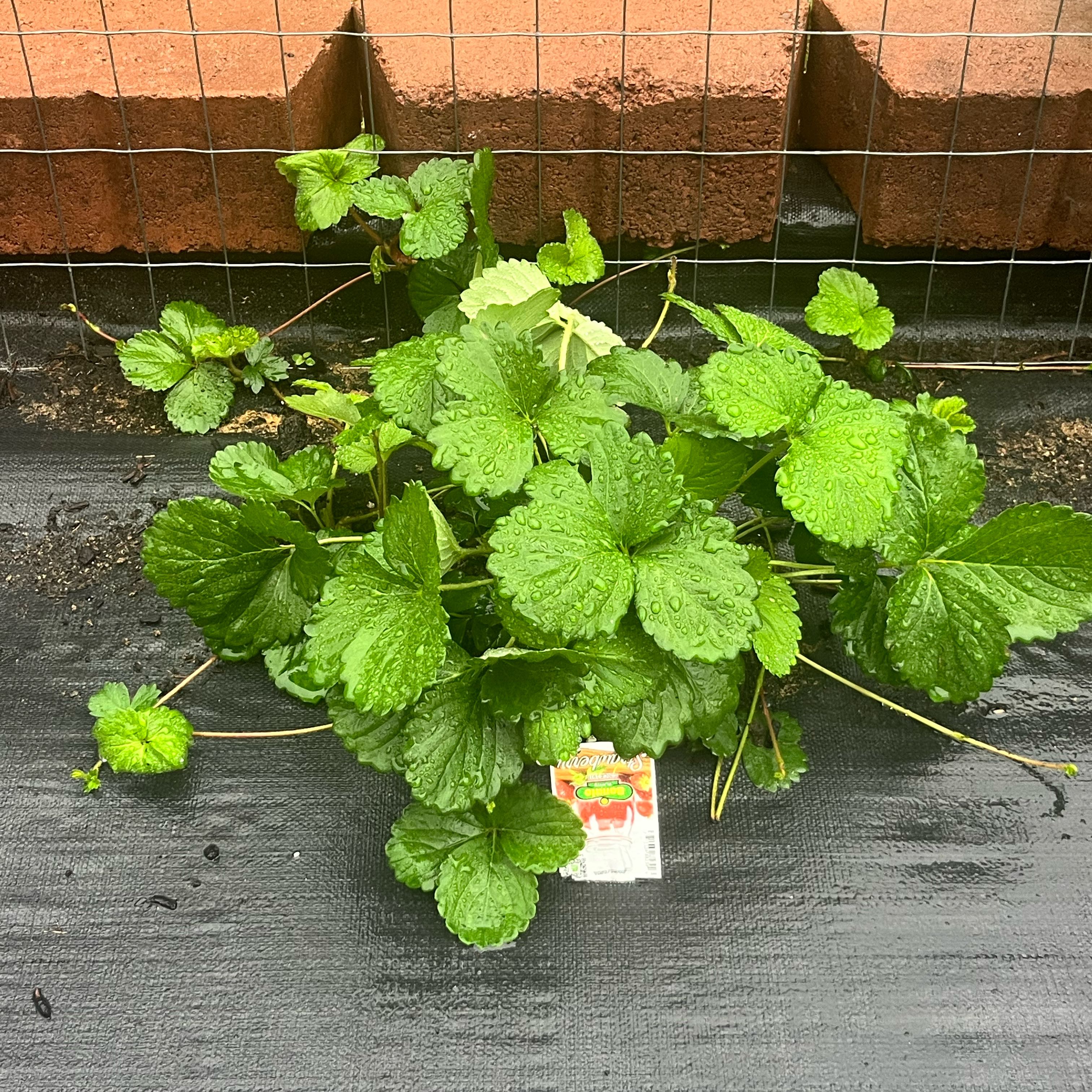
7 Tips for Pruning Strawberry Plant πŸ“

Fragaria x ananassa

By the Greg Editorial Team

Oct 09, 20244 min read

This article was created with the help of AI so we can cover more plants for you. May contain errors. See one? Report it here.

Boost your strawberry harvest πŸ“ by mastering pruning techniques for thriving plants all season long!

  1. 🌱 Prune at the right time: Everbearing needs regular care; June-bearing after harvest.
  2. βœ‚οΈ Deadheading boosts fruit production: Remove spent flowers to enhance plant health.
  3. 🏑 Manage runners wisely: Control overcrowding for better yields and healthier plants.

Timing for Pruning

Best Time to Prune πŸ“

Everbearing strawberries thrive with regular pruning throughout the growing season. In contrast, June-bearing strawberries should be pruned after harvest, typically in late summer, to encourage healthy growth for the next cycle.

Seasonal Considerations for Pruning 🌸

Spring is ideal for an initial assessment and light pruning to promote new growth. During summer, focus on ongoing maintenance and managing runners, while fall and winter prepare the plants for dormancy and winter care.

Signs That Indicate When to Prune πŸ‘€

Look for overcrowded growth, which can reduce air circulation and increase disease risk. Additionally, a decline in flowering, indicated by fewer blooms, suggests it's time for deadheading, while excessive runners signal that the plant's energy is being diverted from fruit production.

By keeping an eye on these signs, you can ensure your strawberry plants remain healthy and productive. Next, let’s explore the importance of deadheading strawberries to maximize your harvest.

Deadheading Strawberries

🌼 Benefits of Deadheading

Deadheading involves removing spent flowers from your strawberry plants. This simple act redirects the plant's energy, leading to increased fruit production and improved overall health.

βœ‚οΈ Step-by-Step Instructions for Deadheading

  1. Identify spent flowers: Look for wilted or brown blooms that have finished their cycle.
  2. Use clean, sharp scissors or pruning shears: This ensures a clean cut and minimizes damage.
  3. Cut the flower stem: Trim just above the first set of healthy leaves to encourage new growth.
  4. Dispose of removed flowers: Proper disposal helps prevent disease and keeps your garden healthy.

⏰ Timing for Deadheading

The best time to deadhead is during the flowering phase. Make it a habit to check your plants every 1-2 weeks during peak blooming season for optimal results.

By keeping up with deadheading, you’ll not only enhance your strawberry yield but also maintain the vitality of your plants. Next, let’s explore how to prune and manage runners effectively for a thriving strawberry patch.

Pruning Runners

βœ‚οΈ How to Prune and Manage Runners

Managing runners is essential for a thriving strawberry plant.

  1. Identify healthy runners: Look for strong, green stems that are actively growing.
  2. Decide whether to root or prune: Choose based on your space and how dense you want your plants to be.
  3. Cut runners at the base if not rooting: Use clean shears to avoid introducing disease.

🌱 Benefits of Controlling Runner Growth

Controlling runner growth is crucial for your strawberry plants.

  • It prevents overcrowding, ensuring each plant has enough space and nutrients.
  • This focus allows the plant to channel its energy into producing delicious fruit rather than developing excessive runners.

By managing runners effectively, you set the stage for a bountiful harvest.

Next, let’s explore common mistakes in pruning to ensure your strawberry plants thrive.

Common Mistakes in Pruning

How to Avoid Over-Pruning 🌱

Before you grab those shears, take a moment to assess your strawberry plants. Only remove what is absolutely necessary to maintain their health and vigor.

Each strawberry variety has its own pruning guidelines. Familiarize yourself with these to ensure you're not cutting away too much.

Signs of Improper Pruning and Recovery Tips ⚠️

Improper pruning can lead to stunted growth, reduced fruit yield, or even wilting. If you notice these signs, it’s time to take action.

Adjust your watering and fertilization practices to help your plants recover. Allow them some time to rest and regain their strength.

By being mindful of these common mistakes, you can keep your strawberry plants thriving and productive. Next, let’s explore the essential tools and techniques for effective pruning.

Tools and Techniques

Recommended Tools for Pruning Strawberry Plants πŸ“

To effectively prune your strawberry plants, you'll need a few essential tools.

  • Pruning shears: These are crucial for making precise cuts that promote healthy growth.
  • Scissors: Ideal for deadheading flowers, ensuring you can easily remove spent blooms.
  • Gloves: Protect your hands from thorns and dirt while working in the garden.

Best Practices for Using Pruning Tools πŸ› οΈ

Using your tools correctly can make a significant difference in your pruning results.

Always use clean tools to prevent disease transmission among your plants.

Making clean cuts not only helps the plant heal faster but also reduces the risk of infection.

Maintenance of Pruning Tools for Optimal Performance πŸ”§

Keeping your tools in top shape is essential for effective pruning.

  • Regular cleaning: Wipe blades with alcohol after each use to eliminate any pathogens.
  • Sharpening: Ensure your blades are sharp for clean cuts; dull blades can damage plants.
  • Storage: Store tools in a dry place to prevent rust and prolong their lifespan.

By following these guidelines, you'll be well-equipped to maintain your strawberry plants effectively.

Next, let's explore common mistakes in pruning and how to avoid them.

⚠️ Safety First

This content is for general information and may contain errors, omissions, or outdated details. It is not medical, veterinary advice, or an endorsement of therapeutic claims.

Always consult a qualified healthcare professional before using any plant as food, medicine, or supplement.

Never eat any plant (or feed one to pets) without confirming its identity with at least two trusted sources.

If you suspect poisoning, call Poison Control (800) 222-1222, the Pet Poison Helpline (800) 213-6680, or your local emergency service immediately.

Spotted an error? Please report it here.

Transform your strawberry plants into fruit-producing powerhouses with Greg's tailored pruning tips πŸ“, ensuring you enjoy a thriving harvest all season long!


#Strawberry

52 posts on Greg
Browse #Strawberry