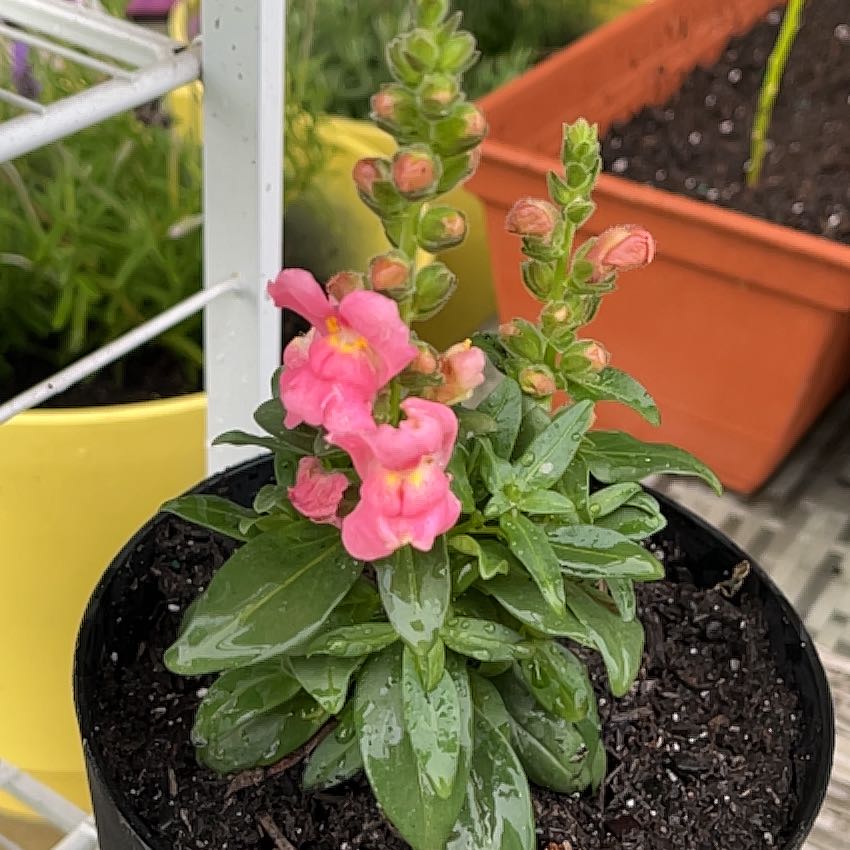
How to Prune Common Snapdragon
Antirrhinum majus
By the Greg Editorial Team
Jun 14, 2024•8 min read
This article was created with the help of AI so we can cover more plants for you. May contain errors. See one? Report it here.
- Late winter pruning sets the stage for vibrant blooms.
- Deadheading encourages more flowers, keeps Snapdragons tidy.
- 🌿 Regular maintenance prevents disease and promotes bushier growth.
Optimal Timing for Pruning Common Snapdragon
Pruning Common Snapdragon (Antirrhinum majus) isn't just about snipping away; it's about timing. Spring is your go-to season, specifically the late dormant phase, right before the plant breaks into its growth spurt. This is when you can almost hear the snapdragons gearing up for a show.
🌱 Best Seasons for Pruning
Late winter to early spring is prime time. It's the sweet spot where you can prune without the plant throwing a fit. This timing allows the Snapdragon to heal quickly, minimizing the time fresh cuts are exposed. Plus, no leaves in the way means you've got a clear visual on what you're doing.
🌼 Growth Stages and Flowering Cycle
Understanding your Snapdragon's life cycle is like having the cheat codes to gardening. Prune after the first flush of flowers fades, and you'll be rewarded with a second act. If you're aiming for bushier growth, pinch the tips early in the season. But remember, timing is everything—prune too late, and you might as well wave goodbye to this year's blooms.
Pruning Techniques for Common Snapdragon
✂️ Step-by-Step Guide to Pruning
- Sanitize your pruning shears or scissors before you start. Plant diseases are no joke, and clean cuts are your best defense.
- Look for the dominant buds and snip them off. This encourages bushier growth and more blooms.
- Vary your cuts—some branches back by a quarter, others by half, and a few right down to the base.
- Make your cuts at a 45-degree angle to promote good air circulation and prevent water from pooling on the cut surface.
- After pruning, give your Snapdragon some TLC with water and maybe a bit of fertilizer to boost recovery.
🛠 Choosing the Right Tools
- Precision is key. Use sharp pruning shears or scissors for clean cuts.
- Comfort matters. Ensure the tools feel good in your hand; you'll be less likely to butcher your plants if your hand isn't cramping.
- Keep your tools sharp. A dull blade can damage stems, leaving your Snapdragon vulnerable to pests and diseases.
Remember, pruning is not just about making your plant look pretty—it's a crucial step in ensuring your Snapdragon's health and vitality. Get it right, and you'll be rewarded with a plant that's as robust as it is ravishing.
Deadheading for Extended Blooming
Deadheading is not just about aesthetics; it's a vital chore for the prolonged splendor of your Common Snapdragon. By removing spent blooms, you coax the plant into producing more flowers rather than seeds.
🌼 The Benefits
Energy redirection is the main perk of deadheading. Your Snapdragon will thank you by channeling its resources into popping out fresh blooms. Plus, it prevents the scrappy look of wilted flowers that can make your garden resemble a plant zombie apocalypse.
🕰️ How Often?
Deadhead as blooms fade. Don't wait for a floral graveyard; prompt removal keeps the show going. If you're a morning person, make it part of your AM ritual—coffee in one hand, dead blooms in the other.
✂️ The Technique
Get in there with clean, sharp scissors or pruners. Snip the spent flower stem right above the new bud or leaf. It's like giving your plant a pep talk: "You can do it, give us another round of blooms!"
🧹 Clean Up
After the snip-fest, don't leave the decapitated flower heads to sulk on the soil. Clear them out to prevent disease and maybe even get some composting done. It's like cleaning up after a party—no one likes the morning after mess.
💡 Pro Tip
Sanitize your tools before and after. It's like washing your hands; you don't want to spread the sniffles—or in this case, plant diseases. A quick wipe with rubbing alcohol does the trick.
Maintenance Pruning for Plant Health
🌡️ Identifying and Removing Diseased or Damaged Stems
Pruning isn't just about aesthetics; it's plant triage. Inspect your Common Snapdragon regularly for any signs of distress. Look for stems that are discolored, wilted, or show signs of fungal infection. Snip them off at the base to prevent the spread of disease. Remember, you're not just cutting away the unsightly bits; you're saving the rest of the plant from potential doom.
🌿 Regular Pruning Practices
Consistency is key. Don't wait for your Snapdragon to look like it's been through a plant apocalypse. Regular trims keep it in top shape, encouraging a flush of new growth and blooms. Aim to remove no more than a third of the plant at a time to avoid shock. And always, always use sterilized shears—because plant surgery requires clean tools, just like any other kind of surgery.
Shaping Common Snapdragon Through Pruning
Pruning isn't just about keeping your plants alive; it's about sculpting a garden masterpiece. Snapdragons, with their dragon-shaped blossoms, can become the fire-breathing focal point of your flower beds, but only if you wield your pruning shears like an artist's brush.
🌱 Techniques for Achieving Desired Plant Shape and Size
Pinch the stem tips when your snapdragons are young to promote a bushier form. This isn't just snipping willy-nilly; think of it as guiding your plants to fill their space elegantly. Cut back the main stem by one-third to half its height for a more compact, robust plant. This is especially crucial if your snapdragons are getting leggy and you want to reign them in.
🌿 Managing Plant Growth to Prevent Overcrowding
Overcrowding is the botanical equivalent of a mosh pit—no one has room to breathe, and disease spreads faster than gossip. To avoid this, space your snapdragons properly when planting. If they still get too cozy, thin out the weaker stems. This isn't just good for the plant's looks; it improves air circulation, which keeps fungal bogeymen at bay.
Remember, pruning is not a one-and-done deal. Keep an eye on your snapdragons throughout the growing season. If they start to look like they're plotting a garden takeover, it's time to intervene. Prune strategically to maintain that perfect balance between lush growth and open space.
Rejuvenation Pruning for Older Plants
In the life cycle of a Common Snapdragon, rejuvenation pruning is a critical intervention for older plants that appear overgrown or lack vigor.
🌱 When to Prune
Late winter is the ideal time for rejuvenation pruning, just before the spring growth spurt. This timing allows plants to quickly heal and use their energy for new growth.
✂️ How to Perform Rejuvenation Pruning
- Identify the oldest stems, which are often the thickest and woodiest.
- Prune up to one-third of these stems annually, cutting them to the ground to stimulate new growth from the roots.
- For severely overgrown plants, consider cutting all canes back to ground level. This may sacrifice one season's flowers, but the plant will bounce back with a more natural shape.
🌿 Minimizing Plant Stress
- Keep the Snapdragon well-watered post-pruning to reduce stress.
- Use sharp, clean tools to make precise cuts, preventing disease and promoting quick healing.
📌 Additional Tips
- Avoid late summer or early fall pruning, as it can prompt new growth that won't withstand winter.
- Post-pruning, focus on root health rather than immediate new foliage, to ensure long-term vitality.
- Monitor for signs of recovery and adjust care as needed, ensuring the Snapdragon doesn't expend energy on unwanted shoots.
Remember, rejuvenation is not just about cutting back; it's about giving your Snapdragon a new lease on life.
Avoiding Pruning Pitfalls
Pruning isn't just a snip here and a clip there; it's a critical chore that demands attention to detail. Let's dive into the common blunders and how to sidestep them.
🌱 Common Pruning Errors
Overzealous Cuts: It's tempting to go Edward Scissorhands on your plants, but removing too much can shock the system. Rule of thumb: never prune more than one-third of the plant at a time.
Wrong Timing: Pruning at the incorrect time can result in a bloom-less season or, worse, a weakened plant. Tip: For Common Snapdragon, post-bloom pruning is ideal to encourage a second show of flowers.
Stub Left Behind: Leaving stubs can invite pests and diseases. Always cut back to the main stem or a strong lateral branch.
Ignoring Tools: Dull tools can cause jagged cuts that harm the plant. Keep your shears sharp and clean to promote quick healing.
🛠️ Solutions for Pruning Challenges
Plan Ahead: Before you make the first cut, have a clear vision of the desired outcome. This foresight prevents hasty decisions that could take seasons to correct.
Safety First: When tackling larger shrubs, don't be a hero. Hire a professional if the job is beyond your reach—literally and figuratively.
Learn Your Plant: Understand the Snapdragon's growth habits. Pruning without this knowledge is like cooking without tasting—risky and often regrettable.
Post-Prune Care: After pruning, give your plant a little TLC. A dose of water and maybe a light feed can help it recover from the trim.
By avoiding these pitfalls, you'll keep your Common Snapdragon—and your gardening ego—in top shape.
⚠️ Safety First
This content is for general information and may contain errors, omissions, or outdated details. It is not medical, veterinary advice, or an endorsement of therapeutic claims.
Always consult a qualified healthcare professional before using any plant as food, medicine, or supplement.
Never eat any plant (or feed one to pets) without confirming its identity with at least two trusted sources.
If you suspect poisoning, call Poison Control (800) 222-1222, the Pet Poison Helpline (800) 213-6680, or your local emergency service immediately.
Spotted an error? Please report it here.