πŸ› What Are The Bugs on My Common Snapdragon?

Antirrhinum majus

By the Greg Editorial Team

Jun 14, 20248 min read

This article was created with the help of AI so we can cover more plants for you. May contain errors. See one? Report it here.

Common snapdragon
  1. Spider mites show as webbing/stippling; treat with neem oil or insecticidal soap.
  2. Scale and mealybugs? Use rubbing alcohol or horticultural oil for removal.
  3. Prevent pests with dry soil and regular snapdragon inspections.

Identifying and Treating Spider Mites on Common Snapdragon

πŸ•·οΈ Spot the Critters

Webbing and stippling on leaves are telltale signs of spider mites. These tiny troublemakers create a fine, silken mesh on your Snapdragon, while their feeding frenzy leaves a pattern of yellow dots or 'stippling' on the foliage. If you spot these symptoms, brace yourself for battle.

🌿 Declare War with Neem Oil

Neem oil is your green ammunition. It's a natural, plant-based warrior that shows no mercy to spider mites. Mix it with a mild soap and water, then launch a full-scale assault with a spray bottle or cloth. Remember, this oil is not picky; it'll deter beneficial bugs too, so use it as a targeted strike, not a blanket bomb.

πŸ’¦ Insecticidal Soap: The Sudsy Sniper

Insecticidal soap is another effective weapon in your pest-fighting arsenal. It's like sending in a sniperβ€”precise and efficient. Coat both sides of the leaves thoroughly; these mites are sneaky and might be hiding out under the foliage.

🚿 Shower Power

Giving your Snapdragon a gentle shower can wash away the mite militia. Just ensure the water is at room temperature to avoid shocking your plant. This method is like crowd control, reducing the number of invaders without chemicals.

πŸ”„ Rotate Your Tactics

Don't let the enemy get comfortable. Rotate treatments like pyrethrum and rosemary oil sprays to keep the mites guessingβ€”and dying. Consistency and variety in your attack will prevent these pests from developing resistance and overstaying their welcome.

βœ‚οΈ Prune with Precision

When you see a mite metropolis, it's time to prune. Cut away the heavily infested areas and bid them goodbye. This isn't just tidying up; it's removing the heart of the infestation. Dispose of the clippings with careβ€”think of them as hazardous waste.

πŸ“„ The Paper Test

Still unsure if you're dealing with spider mites? The paper test is your low-tech detective kit. Shake the plant over white paper and play 'spot the spider mite.' Red dots moving on the paper? Case closed. It's time to take action.

Remember, your Snapdragon depends on you to be its hero. Stay vigilant, and with these strategies, you'll have a pest-free plant that's ready to snap back to health.

Potted Common Snapdragon seedlings on a windowsill with visible soil.

Battling Scale Infestations on Common Snapdragon

🐞 Identifying Scale Insects

Scale insects can be sneaky pests, often mistaken for part of the plant itself. Look for oval-shaped bugs clinging to stems and leaves. They're like unwanted guests that refuse to leave, sucking the life out of your snapdragons.

πŸšͺ Immediate Action: Rubbing Alcohol

When you spot these freeloaders, it's time for an eviction notice. Dab them with a cotton swab soaked in isopropyl alcohol. It's like sending in a bouncer to clear out the riff-raff at a rowdy bar.

🌿 Long-Term Treatment: Horticultural Oil

For a more peaceful approach, consider horticultural oil. It's like a silent guardian, smothering the scale without a fuss. Apply when temperatures are cooler to avoid your plant looking like it got a bad sunburn.

πŸƒ Persistence is Key

Remember, battling scale is a marathon, not a sprint. Reapply treatments at regular intervals. It's like keeping up with your fitness routine – skip a day, and you'll regret it.

🐜 Ant Control

Scale and ants are besties. If you see ants, they're likely farming scale for their sweet secretions. Break up this party by treating for ants too.

🏳️ When to Wave the White Flag

Sometimes, despite your best efforts, the scale wins. If your plant looks more like a scale hotel than a snapdragon, it might be time to let go. No shame in starting afresh.

Common Snapdragon plant with vibrant red flowers in a garden setting.

Controlling Fungus Gnats and Fruit Flies Around Common Snapdragon

πŸ•΅οΈ Identifying the Culprits

Fungus gnats and fruit flies can turn your Snapdragon sanctuary into a no-fly zone. Fungus gnats resemble tiny mosquitoes, while fruit flies are, well, your typical kitchen pests. Spot these intruders by their love for moist soil and plant debris.

πŸͺ° Sticky Traps: Your First Line of Defense

Yellow sticky traps are the flypaper of the plant world. Place them near your Snapdragons to snag those adult gnats before they can reproduce. It's like a no-escape sticky hotel for pests.

πŸ’¦ Soil Drench: The Knockout Punch

Mix hydrogen peroxide with water (1:4 ratio) and drench the soil. It's like a spa day for your plant, but a bad day for larvae and eggs. Listen for the fizzβ€”that's the sound of victory.

🏜️ Dry Out: An Ounce of Prevention

Let the soil's surface dry out between waterings. Fungus gnats can't stand a drought, and your Snapdragon will thank you for not drowning its roots.

πŸ•΅οΈ Nematodes: The Secret Agents

Introduce beneficial nematodes to the soil. These microscopic worms are like James Bond for your plantβ€”taking out gnats with style and efficiency.

🧹 Keep It Clean

Remove decaying plant matter and avoid overripe fruit nearby. It's not just about being tidy; it's about removing the gnat's favorite buffet.

🚷 Quarantine New Plants

New plants can be Trojan horses for gnats. Isolate them before introducing to your Snapdragon squad. It's like a background check for plants.

Remember, controlling these pests is a marathon, not a sprint. Stay vigilant and your Snapdragon will thrive, minus the uninvited winged guests.

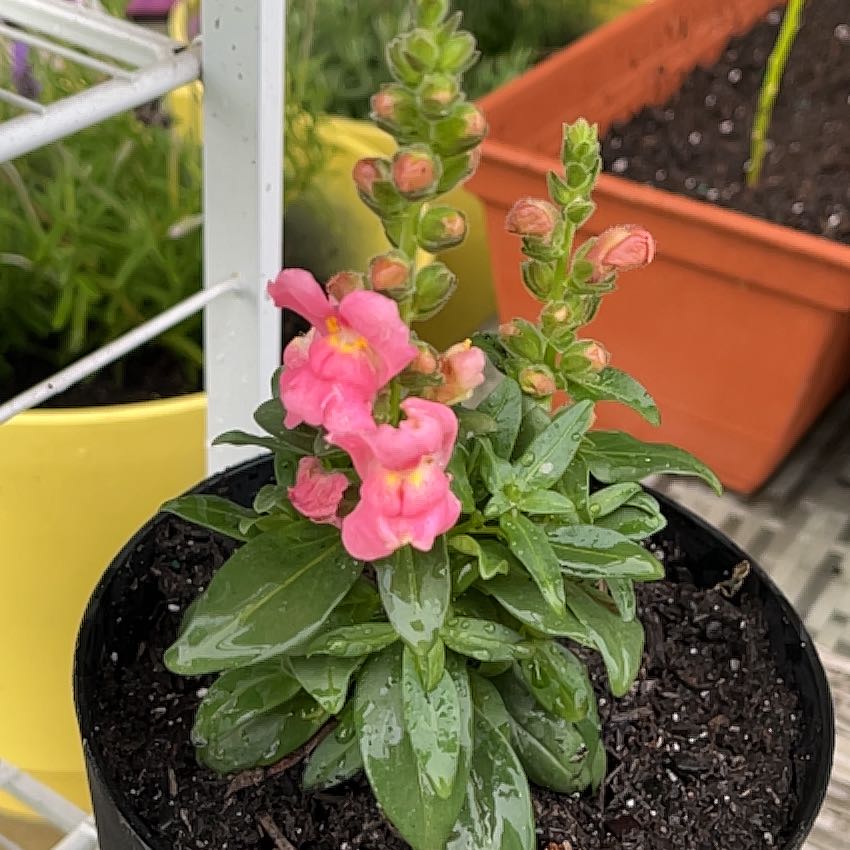
Common Snapdragon plant in a pot with some flowers and green leaves.

Eradicating Mealybugs from Common Snapdragon

Mealybugs are the uninvited squatters of the plant world, setting up camp in the cozy nooks of your Common Snapdragon. Spot these pests by their signature white, cottony masses that cling to stems and leaves like tiny, fluffy barnacles.

🚨 Immediate Action

When you first notice mealybugs, it's time for a spot treatment. Grab a cotton swab or pad, dip it in rubbing alcohol, and evict those pests on contact. It's a hands-on approach, but it's effective for small populations.

🌿 Neem Oil: The Plant Protector

For a more hands-off approach, neem oil is your go-to. Mix it with water and a squirt of liquid soap to create a mealybug nightmare. Spray it directly onto the infested areas; this natural insecticide is like sending in the special forces to reclaim your plant.

πŸ” Persistence Pays Off

Repeat treatments are often necessary. Whether you're swabbing with alcohol or spraying with neem oil, consistency is key. Mealybugs are tenacious; your eradication efforts must be more so.

πŸ›‘οΈ Prevention: Better Than Cure

Once you've dealt with the immediate threat, it's time to think defense. Regularly check your Snapdragon for these fluffy fiends. Keeping your plant strong and healthy is like building a fortress; it's much harder for pests to penetrate.

Remember, mealybugs are more than a nuisance; they're a threat to your plant's well-being. Stay vigilant, act quickly, and you'll keep your Snapdragon standing tall and bug-free.

Dealing with Aphids on Common Snapdragon

Aphids are tiny invaders that can wreak havoc on your Common Snapdragon, clustering on new growth and buds. These pests suck the life out of plants, causing distorted growth and a sticky mess known as honeydew, which can lead to sooty mold.

πŸ•΅οΈ Aphid Identification

Look out for small insects congregating on the fresh shoots and flower buds. They're not just hanging out; they're feasting on your plant's sap, leading to curled and yellowed leaves.

🚿 Immediate Action

When you spot these critters, it's time for a shower – for the aphids, that is. Blast them off with a strong stream of water, targeting the undersides of leaves where they love to hide. This method is simple yet effective, dislodging the pests and interrupting their cozy setup.

πŸ’ͺ Follow-Up Treatment

If the water tactic doesn't send them packing, it's time to bring out the big guns: insecticidal soap. This substance is like kryptonite to aphids. Spray thoroughly, ensuring you hit all the nooks and crannies where they might be lurking. Repeat applications may be necessary, so keep a vigilant eye and a steady trigger finger.

🦸 Neem Oil: The Secret Weapon

For a one-two punch, consider neem oil. It's a natural, less toxic option that not only battles aphids but also gives other pests the heebie-jeebies. Apply as directed, and remember, consistency is key.

πŸ’‘ Pro Tip

Don't forget to check for root aphids, a sneaky variant that attacks below the soil line. If you find these, you might need to call in the cavalry – beneficial nematodes or treatments like AzaMax can help evict these unwelcome guests.

Remember, the best defense is a good offense. Regularly inspect your plants, and at the first sign of aphids, show them who's boss. Your snapdragons will thank you.

Proactive Pest Prevention for Common Snapdragon

πŸ’§ Watering Practices

Overwatering is an open invitation to pests. Ensure the soil dries out between waterings to discourage unwanted guests. This practice not only prevents pest infestations but also staves off root rot and fungal diseases.

πŸ‘€ Plant Inspection

Regular checks are your first line of defense. Inspect your Snapdragon frequently for early signs of trouble. If you spot pests, isolate the affected plant immediately to prevent a full-blown infestation.

🚫 Quarantine New Additions

New plants can be Trojan horses for pests. Quarantine newcomers for at least a few weeks. This period allows you to confirm they're pest-free before introducing them to your garden or home.

🧹 Cleanliness is Key

A clean plant is a happy plant. Remove dead leaves and debris to eliminate pest hiding spots. It's simple: a tidy plant equals fewer pests.

πŸ’¨ Airflow and Light

Good air circulation and adequate light can significantly reduce the risk of pest problems. Prune your Snapdragon to promote airflow and ensure it gets its daily dose of sunshine.

🌱 Soil and Repotting

Use well-draining soil to avoid soggy conditions that pests love. When repotting, refresh the soil annually to replenish nutrients and disrupt any pest life cycles.

Remember, prevention is always better than cure. By following these proactive steps, you can keep your Common Snapdragon robust and resilient against the onslaught of pesky invaders.

⚠️ Safety First

This content is for general information and may contain errors, omissions, or outdated details. It is not medical, veterinary advice, or an endorsement of therapeutic claims.

Always consult a qualified healthcare professional before using any plant as food, medicine, or supplement.

Never eat any plant (or feed one to pets) without confirming its identity with at least two trusted sources.

If you suspect poisoning, call Poison Control (800) 222-1222, the Pet Poison Helpline (800) 213-6680, or your local emergency service immediately.

Spotted an error? Please report it here.

Eradicate snapdragon pests with precision 🎯 by using Greg's PlantVision to identify bugs and schedule effective treatment reminders!