Determining What Might Be Eating Your Common Snapdragon πŸ›

Antirrhinum majus

By the Greg Editorial Team

Jul 25, 20245 min read

This article was created with the help of AI so we can cover more plants for you. May contain errors. See one? Report it here.

  1. πŸ¦ŒπŸ‡ Wildlife like deer, rabbits, and groundhogs may feast on your Snapdragons.
  2. 🐝 Pollinators and predatory insects are crucial for Snapdragon health.
  3. 🌱 Use diverse planting and IPM for eco-friendly Snapdragon protection.

Attraction Factors

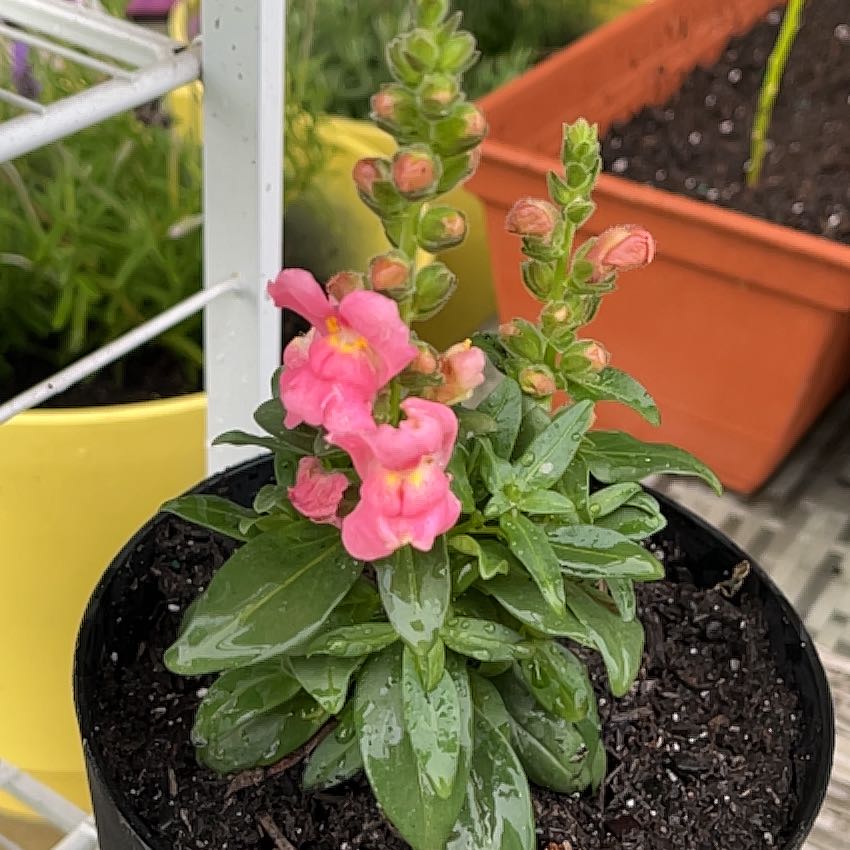
Common Snapdragon, with its vibrant blooms and lush foliage, is a magnet for garden wildlife. Here's why:

  • Flowers: The vivid colors and sweet nectar of Snapdragon blooms are irresistible to bees and butterflies.
  • Fruits: As the flowers give way to fruits, they attract a different set of animals, including birds that relish the seeds.
  • Young Shoots: Tender and full of nutrients, the young shoots are a favorite for herbivores like deer and rabbits.

Seasonal shifts bring about changes in the garden's appeal:

  • Spring: Fresh growth and the first flush of flowers make Snapdragons particularly attractive.
  • Summer: Heat-resistant varieties continue to flourish, offering sustenance even in high temperatures.
  • Fall: As other food sources dwindle, animals may turn to Snapdragons for their remaining fruits and seeds.

While Snapdragons are a feast for the eyes, they're not a feast for all fauna:

  • Non-toxic to Most: Unlike some relatives in the plant kingdom, Common Snapdragon is generally safe for most animals.
  • Exceptions Exist: Always research and observe local wildlife, as regional differences might influence toxicity.

Herbivore Interactions

🦌 Deer Damage

Deer are often drawn to the lush foliage of Common Snapdragon. They typically leave behind jagged edges on leaves and stems, a telltale sign of their grazing, as they lack the sharp incisors to make clean cuts. Deer can significantly reduce plant vigor by consuming large amounts of growth.

  • To mitigate deer damage, consider:
    • Installing physical barriers like fencing.
    • Applying deer repellents that emit odors unappealing to deer.
    • Cultivating plants that deer find distasteful alongside Snapdragons.

πŸ‡ Rabbit Challenges

Rabbit damage is more subtle, often characterized by sharp, angled cuts on young shoots and leaves close to the ground. Rabbits can hinder the Snapdragon's growth by eating these tender parts.

🐿️ Squirrel Activity

Squirrels may not frequently target Snapdragons, but they can cause incidental damage while foraging for seeds or burying nuts. Look for small holes around the plants and bite marks on fruits or seeds.

  • To manage squirrel activity:
    • Provide alternative food sources away from Snapdragons.
    • Employ decoys or scare tactics.
    • Secure bulb cages or netting to protect seeds and bulbs.

🐦 Bird Visitation

Birds are generally beneficial, but some may peck at flowers or fruits. Evidence of bird visitation includes pecked petals or scattered seeds.

πŸ€ Rodent Issues

Rodents, such as mice and voles, can gnaw on Snapdragon stems and roots, often causing unseen damage below the soil. Chewed stems or uprooted plants may indicate their presence.

  • Rodent control methods that respect the garden's balance:
    • Trapping and relocating rodents humanely.
    • Planting rodent-repelling flora like daffodils around Snapdragons.
    • Maintaining a clean garden to reduce hiding spots.

🦑 Groundhog Intrusion

Groundhogs, or woodchucks, can be voracious eaters of Snapdragon foliage and stems, leaving behind large, ragged areas of damage. They can also undermine root systems with their burrowing.

  • Humane and eco-conscious groundhog deterrence:
    • Fencing that extends underground to prevent digging.
    • Using natural repellents like garlic or hot pepper sprays.
    • Encouraging the presence of groundhog predators through habitat creation.

Beneficial Fauna

🌸 Pollinators' Role

Snapdragons and pollinators share a mutually beneficial dance. These vibrant flowers offer a banquet of nectar and pollen, which in turn, attracts a bustling hub of pollinator activity. Here's how they work together:

To promote this natural alliance:

  • Plant a variety of flowering species that bloom at different times, ensuring a constant food source.
  • Avoid pesticides that harm pollinators, opting for natural pest control methods instead.

🐞 Predatory Insects

Predatory insects are the unsung heroes of pest management. They naturally keep harmful insect populations in check, reducing the need for chemical interventions. Here's what you should know:

  • Ladybugs, green lacewings, and parasitoid wasps are voracious consumers of aphids and other garden pests.
  • Diverse planting attracts these beneficial insects, providing them with the habitat and resources they need to thrive.

Encourage these natural protectors by:

Plant Protection Strategies

🌿 Preventive Approaches

Designing a garden that naturally deters herbivores can safeguard your Common Snapdragon without disrupting the ecosystem. Here's how to create a resilient garden space:

  • Diversity is Defense: Integrate a variety of plants to attract natural predators of pests and reduce the need for interventions.
  • Companion Planting: Include plants that attract beneficial insects, creating a natural pest control system.
  • Seasonal Vigilance: Adjust care with the seasonsβ€”more hydration and shade in summer, protective netting in spring, and strategic pruning in winter to deter nesting rodents.
  • Physical Barriers: Employ nets or screens to physically prevent pests from reaching the plants, akin to a personal guard for your Snapdragon.

🦸 Reactive Tactics

When herbivores do make an unwelcome appearance, here's how to respond without harming the garden's balance:

  • Integrated Pest Management (IPM): Combine cultural, mechanical, biological, and, if necessary, chemical methods to manage pests.
  • Immediate Action: Address infestations quickly to prevent escalation, using the least invasive methods first.
  • Encourage Predators: Promote a habitat for predatory insects and birds that feed on the herbivores damaging your plants.
  • Chemical Considerations: If chemical interventions are needed, choose products carefully to minimize ecological impact, and always follow label instructions.

⚠️ Safety First

This content is for general information and may contain errors, omissions, or outdated details. It is not medical, veterinary advice, or an endorsement of therapeutic claims.

Always consult a qualified healthcare professional before using any plant as food, medicine, or supplement.

Never eat any plant (or feed one to pets) without confirming its identity with at least two trusted sources.

If you suspect poisoning, call Poison Control (800) 222-1222, the Pet Poison Helpline (800) 213-6680, or your local emergency service immediately.

Spotted an error? Please report it here.

Safeguard your Snapdragons 🌺 from nibbling neighbors with Greg's tailored care reminders and real-time community support for robust plant protection.