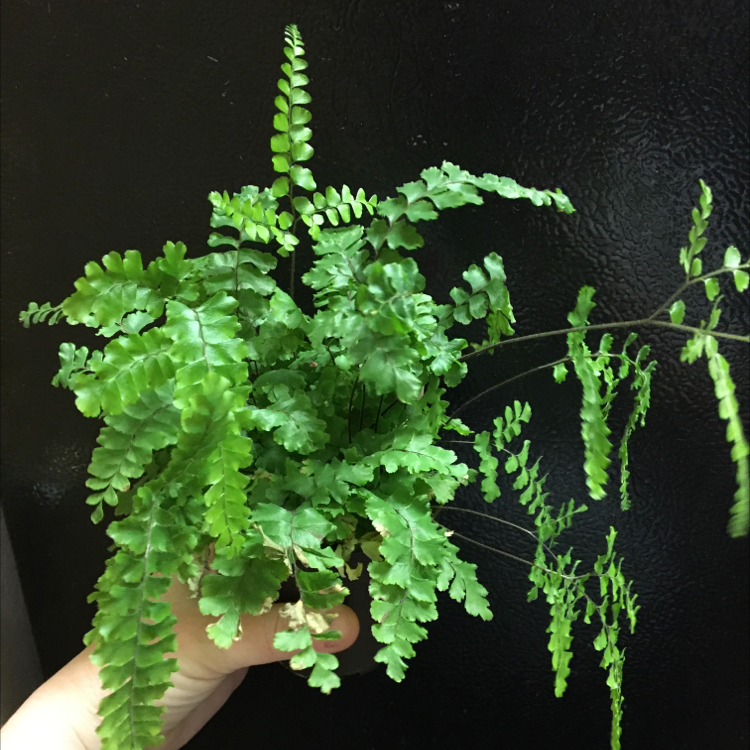
Boston Fern

How to Prune Boston Fern

Nephrolepis exaltata
Reviewed by Kiersten Rankel M.S.
Quick Answer
The best time for a thorough Boston Fern prune is early spring, just before the plant kicks into active growth. Remove any brown, yellow, or dead fronds at the base throughout the year, and trim long straggling fronds back to keep the plant's mounding shape. Boston Fern can handle a hard rejuvenation trim down to just a few inches, but give it warm temperatures and humidity afterward to help it recover.

When is the best time to prune?

Boston Fern is tropical and has no true dormancy, but it slows noticeably in winter, so the timing of major pruning is tied more to indoor warmth and light levels than to outdoor seasons.

US pruning regions map
Pacific
Feb–Mar
Mountain
Mar–Apr
Midwest
Mar–Apr
Northeast
Mar–Apr
Southeast
Feb–Mar
Stay on top of plant care
Get seasonal reminders for watering and fertilizing — personalized for your plants.
Try Greg Free

Why Should I Prune My Boston Fern?

Boston Fern produces new fronds from the center of the plant outward. Over time, the older outer fronds brown and droop while the center stays green, which makes the plant look scraggly. Regular pruning removes that dead weight and gives the fresh fronds room to arch out properly.

The main prune to do in early spring involves cutting back all the brown or yellowed fronds to the base of the plant, right at or just above the soil. You can do this with scissors or pruners. New fronds will emerge from the center of the crown within a few weeks.

For ongoing maintenance, simply pull or snip individual dead fronds as they appear. You can also trim leggy fronds that have grown noticeably longer than the rest, cutting them back to match the overall shape of the plant.

If the plant has gotten very dense or matted and seems to be shedding a lot of fronds, consider dividing it in spring. Splitting a crowded Boston Fern into two or three sections and repotting each gives all the divisions room to grow vigorously.

Know Before You Cut

Difficulty Easy
Max removal Up to 1/2 of fronds if rejuvenating; remove all brown fronds any time
Growth pattern Clumping arching fern
Tools Sharp scissors or pruners

What Should I Remove?

Pull or cut brown fronds off at the base
Trim straggling fronds to match the plant's overall shape
Do a full cleanup of dead growth each spring
Consider dividing if plant is very dense and shedding heavily
Don't let dead fronds pile up inside the crown
Don't cut healthy fronds unless reshaping for appearance
Don't do a hard prune in winter when the plant is slow to recover

How Do I Prune Step by Step?

1
Gather all dead fronds first
Work around the outside of the plant and remove all fully brown or yellow fronds by cutting or gently pulling them away from the crown. Start here so you can see what healthy growth remains.
2
Trim any fronds longer than the rest
Identify fronds that have stretched significantly beyond the natural mound of the plant. Cut these back to a length that fits the overall shape, snipping the entire frond back rather than cutting leaves off individual fronds.
3
Clear out the center crown if matted
Look into the center of the plant and pull out any dead brown material tucked among the healthy fronds. This is especially common in plants grown outdoors or in hanging baskets.
4
Do a rejuvenation trim if needed in spring
If the plant is mostly dead or exhausted, cut all fronds back to 2-3 inches above the soil in early spring, keep it warm and moist, and new fronds will emerge from the crown within a few weeks.

Got More Questions?

Can I prune Boston Fern in winter?
You can remove dead fronds any time, but hold off on a major cutback until early spring when the plant has more energy to push new growth. In winter the plant is slower to recover.
I cut my Boston Fern way back and now there are just stubs. Did I kill it?
Probably not, as long as the crown at the base is still green and firm. Keep the soil evenly moist, give it bright indirect light, and new fronds should emerge in two to four weeks.
Why does my Boston Fern keep dropping fronds even after pruning?
Heavy frond drop is usually caused by low humidity or dry air rather than a pruning issue. Boston Ferns need humidity above 50%. After pruning, misting regularly or using a pebble tray with water can help stop the shedding.
Should I cut the runners or stolons that trail off the plant?
Those runners are how the fern spreads. You can trim them back if they look messy, or let them hang decoratively. If a runner has produced a small plantlet at the tip, you can pot it up to start a new plant.
Stay on top of plant care
Get seasonal reminders for watering and fertilizing — personalized for your plants.
Try Greg Free

About This Article

Kiersten Rankel M.S.
Botanical Data Lead at Greg · Plant Scientist
About the Author
Kiersten Rankel holds an M.S. in Ecology & Evolutionary Biology from Tulane University. A certified Louisiana Master Naturalist, she has over a decade of experience in science communication, with research spanning corals, cypress trees, marsh grasses, and more. At Greg, she curates species data and verifies care recommendations against botanical research.
See Kiersten Rankel's full background on LinkedIn.
Editorial Process
Pruning guidance verified against Nephrolepis exaltata growth data from Greg's botanical database, cross-referenced with USDA hardiness zone data and published horticultural research.
21,204+ Greg users growing this plant
USDA hardiness zones 9a–12b
Grow plants with confidence