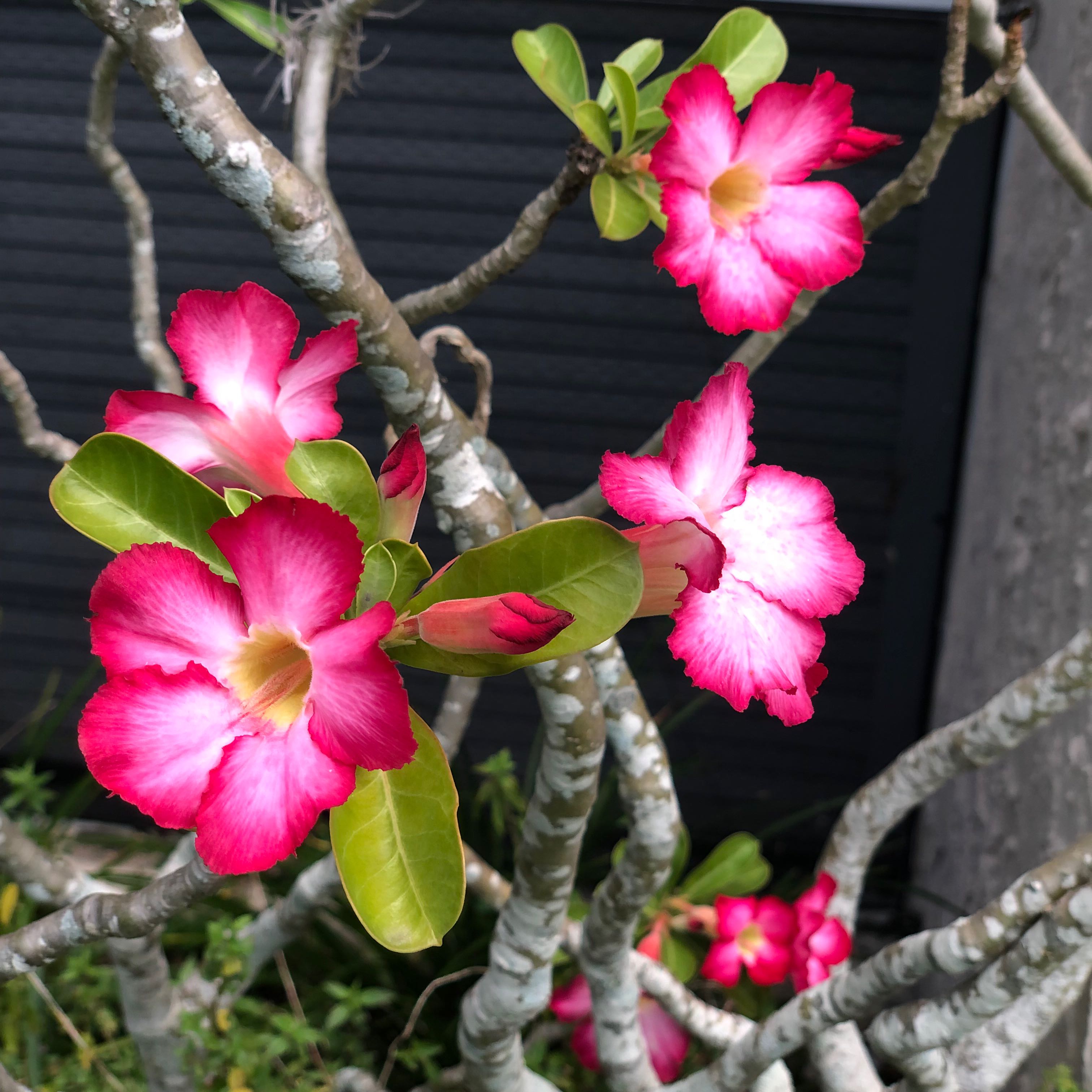
๐ŸŒน Step-by-Step Guide to Trimming Adenium obesum

Adenium obesum

By the Greg Editorial Team

Jan 07, 20255 min read

This article was created with the help of AI so we can cover more plants for you. May contain errors. See one? Report it here.

  1. ๐ŸŒฑ Prune Adenium obesum in late winter for optimal growth and blooming.
  2. โœ‚๏ธ Deadhead spent flowers regularly to encourage new blooms and enhance appearance.
  3. ๐ŸŒž Post-pruning care includes watering and sunlight for healthy recovery and growth.

Timing for Pruning

Best Seasons for Pruning ๐ŸŒฑ

The best time to prune your Adenium obesum is during late winter to early spring, just before new growth begins. This timing allows the plant to recover quickly and thrive as it enters its active growing season.

After the flowering season, consider a secondary pruning to encourage new blooms. This helps maintain the plant's health and promotes a vibrant display of flowers.

Signs that Indicate It's Time to Prune โœ‚๏ธ

Look for overgrown branches that disrupt the desired shape of your plant. Additionally, dead or damaged stems are clear indicators that it's time to grab those pruning shears.

If you notice reduced flowering or leggy growth, it's also a sign that your Adenium needs some attention. Pruning can rejuvenate the plant and enhance its overall appearance.

Effects of Pruning at Different Times of the Year ๐Ÿ“…

Pruning in spring is ideal as it encourages robust growth and abundant flowering. This timing aligns with the plant's natural growth cycle, ensuring it can bounce back quickly.

On the other hand, fall pruning may stress the plant as it prepares for dormancy. Winter pruning carries the risk of cold damage, so it's best to avoid it unless absolutely necessary.

With these insights, you'll be well-equipped to time your pruning effectively, ensuring your Adenium obesum remains healthy and beautiful. Next, let's explore the art of deadheading to maximize your plant's blooming potential.

Deadheading

๐ŸŒผ Explanation and Benefits

Deadheading is the process of removing spent flowers from your Adenium obesum. This simple act not only promotes new blooms but also enhances the overall appearance of your plant.

The benefits of deadheading are significant. It increases the duration of flowering, prevents unwanted seed formation, and keeps your plant looking tidy and vibrant.

โœ‚๏ธ Step-by-Step Instructions

  1. Identify spent flowers: Look for wilted or brown blooms that have lost their luster.
  2. Use clean pruning shears: Cut the flower stem just above the first set of healthy leaves to encourage new growth.
  3. Dispose of removed flowers: Properly discard spent blooms to prevent the spread of disease.

โฐ When to Deadhead for Optimal Flowering

The best time to deadhead is immediately after flowers fade. This practice should be done regularly throughout the blooming season to maximize your plant's flowering potential.

By keeping up with deadheading, you ensure that your Adenium remains healthy and continues to produce beautiful blooms.

Post-Pruning Care

๐ŸŒฑ How to Care After Pruning

After pruning your Adenium obesum, it's essential to give it some TLC. Start by lightly watering the plant to help reduce stress and support recovery.

Ensure your plant receives adequate sunlight. This exposure is crucial for promoting healthy regrowth and overall vitality.

๐Ÿšจ Signs of Stress and Recovery

Keep an eye out for stress indicators. If you notice wilting, yellowing leaves, or drooping stems, your plant may be struggling.

Conversely, look for signs of recovery. New growth emerging and healthy leaf development are positive indicators that your Adenium is bouncing back.

๐ŸŒฟ Fertilization and Watering Post-Pruning

Fertilization plays a key role in post-pruning care. Use a balanced fertilizer about 2-4 weeks after pruning to provide essential nutrients.

When it comes to watering, allow the soil to dry between waterings. This practice helps prevent root rot and ensures your plant remains healthy and thriving.

With proper care, your Adenium will flourish after pruning, setting the stage for vibrant blooms and lush growth.

Common Pruning Challenges

๐Ÿ•ต๏ธโ€โ™‚๏ธ Identifying and Addressing Mistakes

Pruning can be tricky, and mistakes happen. Over-pruning, or removing too much foliage, can stunt growth and leave your Adenium obesum looking bare.

Timing is equally crucial. Pruning at the wrong season can stress your plant, leading to poor recovery and diminished blooms.

๐Ÿ› ๏ธ Troubleshooting Issues After Pruning

After pruning, keep an eye out for signs of poor recovery. Stunted growth or leaf drop are red flags that something isn't right.

If you notice these issues, adjust your care routine. Increase light exposure, modify your watering schedule, and hold off on further pruning until your plant shows signs of recovery.

๐ŸŒฑ Encouraging Healthy Regrowth

To promote healthy regrowth, consistency is key. Regular watering and fertilization will help your Adenium bounce back.

Additionally, monitor for pests or diseases that could hinder recovery. Keeping your plant healthy is essential for vibrant blooms and lush foliage.

With the right care, your Adenium will thrive and flourish after pruning.

Aesthetic Pruning for Shape and Size

๐ŸŒณ Techniques for Shaping

Aesthetic pruning is essential for maintaining the beauty of your Adenium obesum. One effective technique is pinching back, where you simply remove the tips of branches to encourage bushiness.

Another method is selective pruning. This involves focusing on branches that disrupt the desired shape, allowing you to create a more balanced appearance.

โš–๏ธ Maintaining a Balanced Appearance

To achieve a well-shaped plant, regularly assess its overall form. Ensure symmetry and balance in growth by adjusting your pruning techniques based on how the plant is developing.

This ongoing evaluation helps you maintain the aesthetic appeal of your Adenium, making it a stunning focal point in your garden.

๐ŸŒฑ Pruning for Bushiness vs. Height

When it comes to promoting bushiness, cut back longer stems. This encourages lateral growth, resulting in a fuller plant.

Conversely, if you want to increase height, prune the lower branches. This technique directs the plant's energy upward, creating a more elongated appearance.

By mastering these techniques, you can shape your Adenium obesum to fit your vision, enhancing its natural beauty while ensuring healthy growth.

As you refine your pruning skills, you'll find that each cut not only shapes the plant but also fosters a deeper connection with your gardening journey.

โš ๏ธ Safety First

This content is for general information and may contain errors, omissions, or outdated details. It is not medical, veterinary advice, or an endorsement of therapeutic claims.

Always consult a qualified healthcare professional before using any plant as food, medicine, or supplement.

Never eat any plant (or feed one to pets) without confirming its identity with at least two trusted sources.

If you suspect poisoning, call Poison Control (800) 222-1222, the Pet Poison Helpline (800) 213-6680, or your local emergency service immediately.

Spotted an error? Please report it here.

Transform your Adenium obesum into a stunning centerpiece ๐ŸŒบ with Greg's personalized care reminders and expert tips, ensuring vibrant blooms and healthy growth every step of the way!