Ultimate Guide to Managing Pests on Desert Rose πŸ›

Adenium obesum

By the Greg Editorial Team

Sep 29, 20244 min read

This article was created with the help of AI so we can cover more plants for you. May contain errors. See one? Report it here.

  1. πŸ•·οΈ Spider mites and scale insects weaken Desert Rose; identify them early to prevent damage.
  2. 🌱 Organic solutions like neem oil effectively manage pests without harming the environment.
  3. πŸ” Regular inspections and plant hygiene are key to preventing pest infestations.

Common Pests Affecting Desert Rose

πŸ•·οΈ Spider Mites

Identification

Spider mites are notorious for their fine webbing on leaves and a stippled appearance. You’ll often find these tiny, spider-like creatures lurking on the undersides of leaves.

Damage

These pests can cause yellowing leaves, reduced vigor, and even lead to leaf drop if left unchecked. Their impact can significantly affect the overall health of your Desert Rose.

Treatment Options

For chemical solutions, consider using miticides specifically designed for spider mites. On the organic side, neem oil and insecticidal soap are effective, along with increasing humidity around the plant to deter these pests.

🐒 Scale Insects

Identification

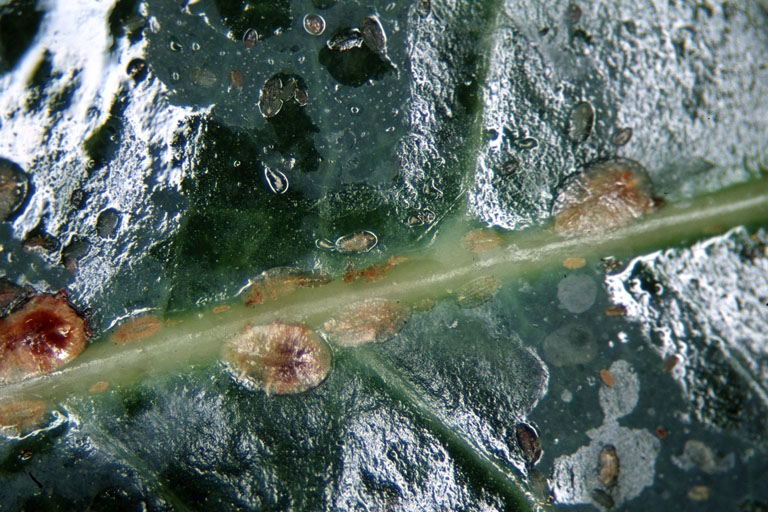
Scale insects present as small, waxy bumps on stems and leaves. You may also notice sticky leaves due to honeydew they excrete, which can attract other pests.

Damage

These pests weaken the plant, stunt its growth, and can even lead to dieback. Their presence can be detrimental to the vitality of your Desert Rose.

Treatment Options

For severe infestations, systemic insecticides can be a chemical solution. Alternatively, you can manually remove scales with rubbing alcohol or use horticultural oils for an organic approach.

🦟 Fungus Gnats / Fruit Flies

Identification

Fungus gnats are small, flying insects that hover around the soil surface. Their larvae, resembling tiny worms, can often be seen in the soil.

Damage

These pests can cause root damage, leading to poor nutrient uptake and wilting of your Desert Rose. Their presence can be a sign of overwatering or poor soil conditions.

Treatment Options

Chemical insecticides targeting flying insects can help manage these pests. For an organic method, allow the soil to dry out between waterings and use yellow sticky traps to catch adult gnats.

πŸ› Mealybugs

Identification

Mealybugs appear as cotton-like masses on stems and leaf joints. Their white, waxy coating can easily be mistaken for mold, so keep an eye out.

Damage

These pests can stunt growth, cause leaf drop, and even transmit diseases. Their impact can be quite harmful to your plant's health.

Treatment Options

Insecticidal soap or systemic insecticides are effective chemical treatments. For a more hands-on approach, manually remove mealybugs with a cotton swab dipped in alcohol.

🚫 Prevention Strategies

Preventative Measures to Avoid Infestations

Maintaining healthy plants is crucial to deter pests. Proper watering and fertilization practices can go a long way in keeping your Desert Rose thriving.

Plant Hygiene Tips

Regularly clean the leaves to remove dust and potential pests. Don't underestimate the importance of removing dead or decaying plant material, as it can harbor unwanted guests.

Regular Inspection Routines

Check your plants frequently for signs of pests, ideally once a week. Focus on key areas like the undersides of leaves, stems, and the soil surface to catch any issues early.

By staying vigilant and proactive, you can keep your Desert Rose healthy and vibrant, ready to bloom beautifully! Next, we’ll explore general pest management techniques to further enhance your gardening skills.

General Pest Management Techniques

🌱 Integrated Pest Management (IPM) Principles

Integrated Pest Management (IPM) is a holistic approach to pest control that is particularly relevant for Desert Rose care. It combines cultural, biological, and chemical methods to create a balanced strategy for managing pests effectively.

Cultural practices include maintaining optimal growing conditions, such as proper watering and fertilization. Biological methods might involve introducing beneficial insects that prey on pests, while chemical options should be used judiciously to minimize harm to the environment.

πŸ” Importance of Early Detection and Intervention

Recognizing early signs of pest issues is crucial for effective management. Regularly inspecting your Desert Rose can help you spot problems before they escalate.

Look for subtle changes, like discoloration or unusual growth patterns. Prompt action can prevent a minor issue from becoming a major infestation, saving your plant and your peace of mind.

By adopting these pest management techniques, you can ensure your Desert Rose thrives while minimizing the impact of pests. Next, we’ll explore how to distinguish between similar-looking pests to enhance your identification skills.

Distinguishing Similar Pests

πŸ•΅οΈβ€β™‚οΈ How to Differentiate Between Similar-Looking Pests

Identifying pests can be tricky, especially when they share similar appearances. Focus on key characteristics such as size, color, and the specific damage they cause to your Desert Rose.

Understanding the life cycles and behaviors of these pests is crucial. For instance, some pests may appear during specific seasons or thrive under certain conditions, which can help you pinpoint the issue more accurately.

πŸ” Visual Cues for Identification

Using pest pictures can significantly aid in identification. Visual references allow you to compare what you see on your plant with known pest images.

Accurate identification is essential for effective treatment. Misidentifying a pest can lead to ineffective solutions, wasting time and resources while your Desert Rose suffers.

⚠️ Safety First

This content is for general information and may contain errors, omissions, or outdated details. It is not medical, veterinary advice, or an endorsement of therapeutic claims.

Always consult a qualified healthcare professional before using any plant as food, medicine, or supplement.

Never eat any plant (or feed one to pets) without confirming its identity with at least two trusted sources.

If you suspect poisoning, call Poison Control (800) 222-1222, the Pet Poison Helpline (800) 213-6680, or your local emergency service immediately.

Spotted an error? Please report it here.

Keep your Desert Rose thriving 🌹 by using Greg's personalized care tips and reminders to stay ahead of pests and ensure a vibrant, healthy plant!