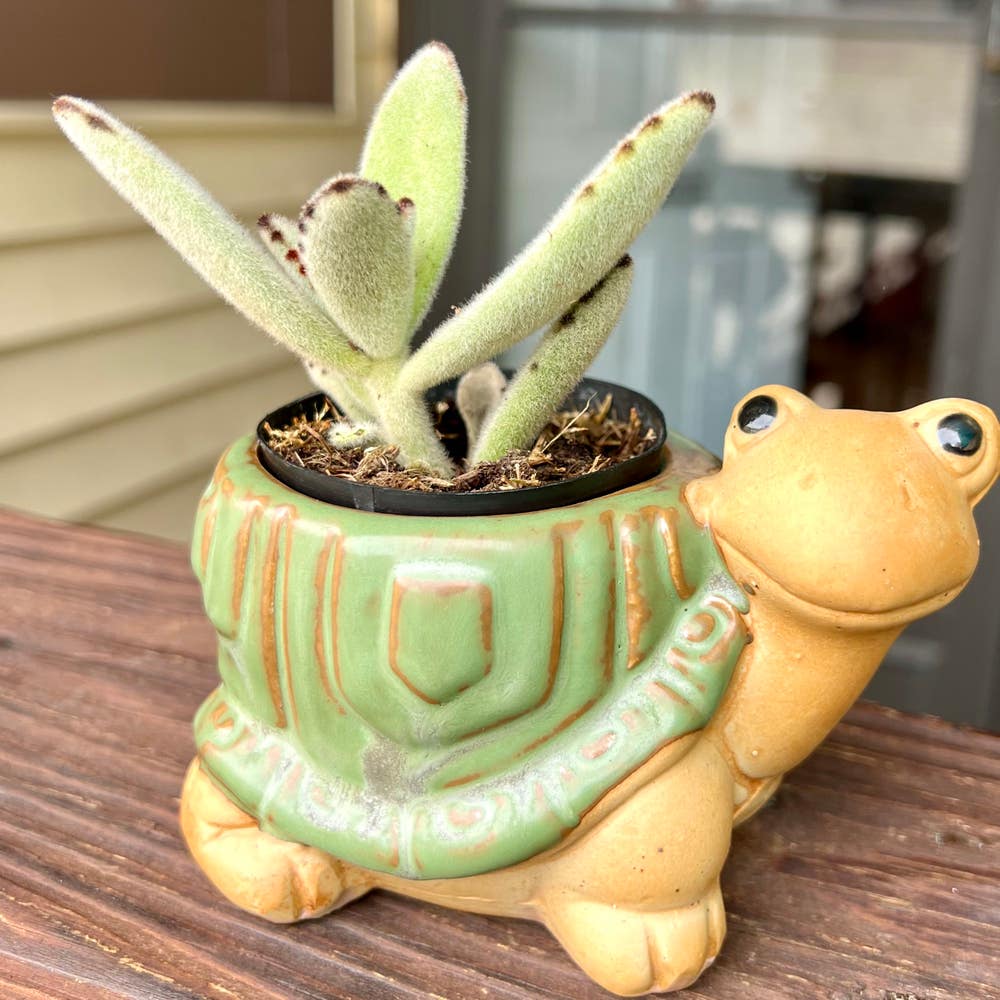
🏔️ 5 Tips for How to Plant Old Man of the Mountain
Oreocereus trollii
By the Greg Editorial Team
Nov 25, 2024•6 min read
This article was created with the help of AI so we can cover more plants for you. May contain errors. See one? Report it here.
Unlock the secret to thriving Old Man of the Mountain plants 🌱 with these essential planting techniques for your garden!
- 🌱 Proper planting techniques ensure healthy growth of Old Man of the Mountain.
- 🌞 Plant in spring or early summer for optimal results and vibrant blooms.
- 💧 Water sparingly and monitor moisture to prevent transplant shock and promote thriving plants.
Importance of Proper Planting Techniques
Proper planting techniques are crucial for ensuring the healthy growth and establishment of your Old Man of the Mountain. When you plant correctly, you set the stage for a thriving plant that can flourish in its environment.
🌱 Reducing Transplant Shock
One of the biggest challenges in gardening is transplant shock. By using the right techniques, you can significantly reduce this risk, allowing your plant to adapt more smoothly to its new home.
🌍 Enhancing Adaptability
Additionally, proper planting enhances your plant's adaptability to local growing conditions. This means your Old Man of the Mountain will be better equipped to handle the unique climate and soil of your area.
📈 Long-Term Benefits
Investing time in proper planting pays off in the long run. Healthy plants are not only more resilient but also more likely to produce vibrant blooms and grow robustly.
In summary, mastering the art of planting is key to nurturing a successful Old Man of the Mountain. With the right techniques, you can ensure your plants thrive and bring joy to your garden.
Next, let's explore the optimal timing for planting these unique succulents.
Planting New Old Man of the Mountain
🌱 Optimal Timing for Planting
The best time to plant your Old Man of the Mountain is during spring or early summer. This timing ensures that temperatures are consistently warm, allowing for healthy growth while avoiding frost and extreme heat.
🪴 Selecting the Right Soil Mix and Containers
For optimal growth, use a well-draining cactus mix or a blend of potting soil and perlite. If you're container gardening, select pots with drainage holes that are 6-8 inches in diameter to accommodate young plants as they grow.
📏 Proper Depth and Spacing for Planting
When planting, ensure that the base of the plant is level with the soil surface. Space your plants 12-18 inches apart to promote airflow and allow for their natural growth.
☀️ Maintaining Ideal Growing Conditions
Old Man of the Mountain thrives in full sun, requiring 6-8 hours of sunlight daily. Water sparingly, allowing the soil to dry out completely between waterings, and protect your plants from frost to maintain their preferred warm conditions.
🌤️ Hardening Off Process Before Outdoor Planting
Hardening off is crucial for acclimating indoor plants to outdoor conditions. Start by placing your plant outdoors for a few hours in a shaded area, then gradually increase its exposure to sunlight and outdoor conditions over 7-10 days.
With these planting tips, your Old Man of the Mountain will be well on its way to thriving in your garden. Next, we’ll explore how to successfully transplant established plants for optimal growth.
Transplanting Established Old Man of the Mountain
🌱 Optimal Timing for Transplanting
Transplanting your Old Man of the Mountain is best done in early spring or fall. These seasons offer mild temperatures, which are crucial for helping the plant recover effectively during its active growth cycle.
📝 Step-by-Step Instructions for Transplanting
- Prepare the new planting site: Ensure the soil is well-draining and receives adequate sunlight.
- Water the established plant: Do this a day before transplanting to reduce stress on the roots.
- Carefully remove the plant: Take care to preserve as much of the root structure as possible during this process.
- Place the plant in the new site: Ensure it is at the same depth as it was in its previous location for optimal growth.
💧 Watering and Mulching Tips
After transplanting, water the plant thoroughly to help it settle in. Then, allow the soil to dry out completely before the next watering to prevent over-saturation.
Mulching is also beneficial; apply a light layer of gravel or mulch around the base. This helps retain moisture and suppresses weeds, giving your plant a better chance to thrive.
🏗️ Providing Support for Newly Transplanted Plants
If your Old Man of the Mountain is taller, consider using stakes for support. This will help stabilize the plant as it adjusts to its new environment.
Keep an eye out for signs of stress, such as wilting or discoloration, and adjust the support as needed. Monitoring your plant closely during this transition is key to ensuring its success.
Transplanting can be a rewarding experience, allowing your established plants to flourish in new locations. Next, we'll explore the benefits and drawbacks of planting versus transplanting, helping you make informed decisions for your gardening journey.
Benefits and Drawbacks of Planting vs. Transplanting
💰 Cost Considerations
When it comes to cost, planting new Old Man of the Mountain is generally more budget-friendly. Seeds or young plants are often less expensive than the potential expenses associated with transplanting, which may include soil amendments and additional tools.
⏳ Time to Maturity
Planting new plants typically requires patience, as they may take several years to reach their full size. In contrast, transplanting established plants can yield quicker results, often leading to blooms or growth sooner than their newly planted counterparts.
🌱 Adaptability to Local Growing Conditions
Newly planted Old Man of the Mountain may need extra time to adapt to local conditions. On the other hand, established plants are usually better suited to their environment, allowing them to thrive more quickly after transplanting.
Understanding these benefits and drawbacks can help you make an informed decision about whether to plant new or transplant established Old Man of the Mountain. As you weigh your options, consider your budget, timeline, and the specific growing conditions in your area.
Troubleshooting Common Issues
🌱 Understanding Transplant Shock
Transplant shock is a common challenge when planting or moving your Old Man of the Mountain. Symptoms include wilting, yellowing leaves, and stunted growth, signaling that the plant is struggling to adjust.
To prevent transplant shock, focus on proper timing and techniques during the transplanting process. Ensure you transplant during the plant's active growth phase and handle the roots with care to minimize stress.
🏗️ Establishment Problems and Solutions
Newly planted or transplanted Old Man of the Mountain may face establishment problems. Common issues include poor root establishment and inadequate watering, which can hinder growth.
To address these problems, regularly monitor soil moisture levels. Providing consistent care, such as ensuring the soil dries out completely between waterings, can help your plant thrive.
🌿 General Care Tips for Newly Planted or Transplanted Old Man of the Mountain
Regular monitoring is essential for the health of your Old Man of the Mountain. Keep an eye out for signs of stress or disease, such as discoloration or drooping leaves.
Adjust your care based on environmental conditions and your plant's response. This proactive approach will help ensure your plant establishes itself successfully and flourishes in its new home.
As you troubleshoot these common issues, remember that patience and attentive care are key to nurturing your Old Man of the Mountain. With the right approach, you'll soon enjoy the beauty and resilience of this unique plant.
⚠️ Safety First
This content is for general information and may contain errors, omissions, or outdated details. It is not medical, veterinary advice, or an endorsement of therapeutic claims.
Always consult a qualified healthcare professional before using any plant as food, medicine, or supplement.
Never eat any plant (or feed one to pets) without confirming its identity with at least two trusted sources.
If you suspect poisoning, call Poison Control (800) 222-1222, the Pet Poison Helpline (800) 213-6680, or your local emergency service immediately.
Spotted an error? Please report it here.
Plant your Old Man of the Mountain with confidence 🌵—Greg's tailored care reminders will help you nurture it to vibrant health and stunning blooms!