🌵 6 Top Pot Choices for Your Old Man of the Mountain
Oreocereus trollii
By the Greg Editorial Team
Nov 25, 2024•5 min read
This article was created with the help of AI so we can cover more plants for you. May contain errors. See one? Report it here.
Unlock your Old Man of the Mountain's full potential 🌱 by mastering pot choice and drainage for thriving growth!
- 🌱 Clay pots enhance air circulation and moisture regulation for Old Man of the Mountain.
- 🏺 Drainage holes are essential to prevent root rot and promote healthy growth.
- 🔄 Repot every 1-2 years to refresh soil and accommodate root expansion.
Pot Materials
Benefits of Clay Pots 🌱
Clay pots are a fantastic choice for your Old Man of the Mountain. Their porosity allows for excellent air circulation and moisture regulation, which is crucial for healthy plant growth.
Additionally, clay pots offer a natural aesthetic that beautifully complements the plant's fuzzy appearance. Their weight also provides stability, making them ideal for taller plants that might otherwise topple over.
Advantages of Plastic Pots ♻️
Plastic pots bring a different set of advantages to the table. They are lightweight, making it easy to move and rearrange your plants as needed.
Moreover, plastic pots are cost-effective, generally more affordable than other materials. With a wide variety of colors and designs available, you can easily find one that suits your style.
Comparison of Terracotta and Ceramic Pots 🏺
When comparing terracotta and ceramic pots, each has its unique benefits. Terracotta pots are known for their breathability, which helps with moisture control, and their heavier weight provides added stability.
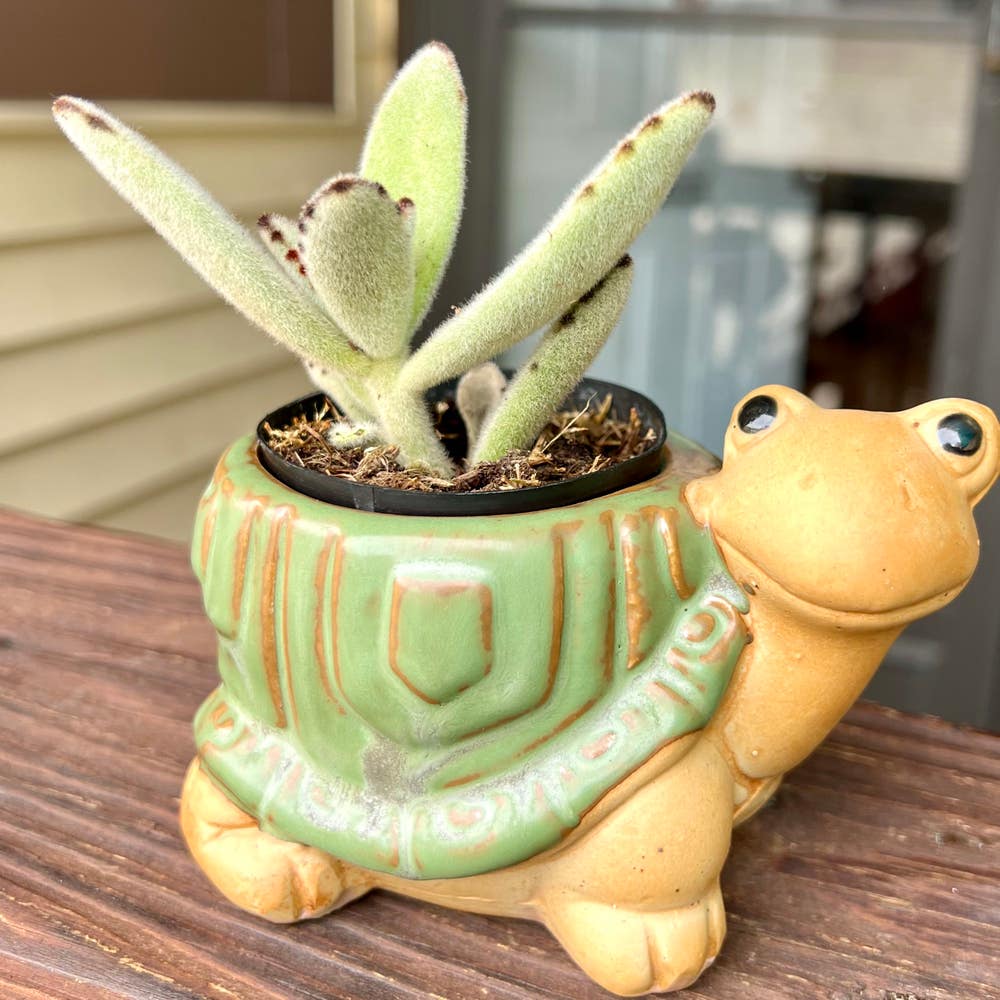
On the other hand, ceramic pots often come in glazed options that retain moisture longer. However, this may not be ideal for the Old Man of the Mountain, as it could lead to overwatering. Ceramic pots are also decorative, available in various styles, but they may lack adequate drainage.
Understanding these pot materials will help you make informed choices for your Old Man of the Mountain. Next, let’s explore the importance of drainage considerations to ensure your plant thrives.
Drainage Considerations
Importance of Drainage Holes 🌊
Drainage holes are crucial for preventing root rot. Excess water can lead to overwatering issues, which can be detrimental to your Old Man of the Mountain.
These holes also help maintain optimal moisture levels. By allowing excess water to escape, they support the plant's natural water-storing capabilities.
How Drainage Affects Root Health and Growth 🌱
Proper drainage promotes healthy root development. It prevents waterlogged conditions that can suffocate roots and hinder growth.
Additionally, well-drained pots can enhance the plant's slow growth. A stable environment allows roots to thrive, ultimately leading to a more robust plant.
Understanding the importance of drainage is vital for the health of your Old Man of the Mountain. With the right potting choices, you can ensure your plant flourishes beautifully.
Next, let’s explore the signs that indicate it’s time to repot your plant for continued growth and vitality.
Repotting Guidelines
🌱 Signs That It's Time to Repot
Recognizing when your Old Man of the Mountain needs repotting is crucial for its health. Look for root crowding, where roots are visible through drainage holes or even growing out of the pot.
Stunted growth is another indicator; if your plant isn't showing new growth despite your care, it might be time for a change. Additionally, check for soil degradation—compacted or depleted soil can hinder drainage and affect your plant's overall well-being.
🛠️ Step-by-Step Guide to Repotting
Repotting can seem daunting, but following these steps makes it straightforward:
- Choose a new pot: Ensure it has adequate drainage holes.
- Prepare the new pot: Fill it with fresh, well-draining soil.
- Remove the plant: Gently take the Old Man of the Mountain out of its current pot.
- Inspect the roots: Trim any damaged or rotten roots to promote healthy growth.
- Place the plant in the new pot: Center it and fill around the roots with soil.
- Water lightly: This helps the plant settle into its new environment without overwhelming it.
🪴 Choosing the Right Pot When Repotting
When selecting a new pot, consider the growth stage of your plant. Choose a size that accommodates both current and future growth to avoid frequent repotting.
Material choice is also essential. Match the pot material to your plant's needs for optimal drainage and moisture retention, ensuring a thriving environment for your Old Man of the Mountain.
Transitioning to the next topic, understanding container size recommendations will further enhance your plant care strategy.
Container Size Recommendations
Ideal Container Sizes for Seedlings and Young Plants 🌱
For seedlings and young plants, a pot size of 4-6 inches in diameter is ideal. Starting small helps prevent overwatering, which can be detrimental to delicate roots.
This size encourages healthy root development by allowing the plant to establish itself without excess moisture. It’s a simple yet effective way to set your Old Man of the Mountain up for success.
Recommended Sizes for Mature Plants 🌳
As your plant matures, it will need more space. A pot size of 8-12 inches in diameter is recommended for mature Old Man of the Mountain plants.
This size provides ample room for root expansion while preventing overcrowding. Ensuring your plant has enough space is crucial for its overall health and growth.
How to Adjust Container Size as the Plant Grows 📏
Monitoring your plant's growth is essential. Regularly check for signs of root crowding, such as roots poking out of drainage holes.
When it’s time to repot, gradually increase the pot size every 1-2 years based on the growth rate. This approach ensures your plant continues to thrive in a supportive environment.
Transitioning to a larger pot not only accommodates growth but also refreshes the soil, giving your plant the nutrients it needs to flourish.
⚠️ Safety First
This content is for general information and may contain errors, omissions, or outdated details. It is not medical, veterinary advice, or an endorsement of therapeutic claims.
Always consult a qualified healthcare professional before using any plant as food, medicine, or supplement.
Never eat any plant (or feed one to pets) without confirming its identity with at least two trusted sources.
If you suspect poisoning, call Poison Control (800) 222-1222, the Pet Poison Helpline (800) 213-6680, or your local emergency service immediately.
Spotted an error? Please report it here.
Give your Old Man of the Mountain the perfect potting home 🪴 with Greg's tailored reminders and tips to keep it thriving and happy!