🌸 Everything You Need to Know About Holub's Eulophia
Eulophia holubii
By the Greg Editorial Team
Feb 27, 2025•11 min read
This article was created with the help of AI so we can cover more plants for you. May contain errors. See one? Report it here.
- 🌞 Holub's Eulophia needs 6+ hours of sunlight for optimal growth.
- 🌱 Well-draining, slightly acidic soil is essential for healthy roots.
- 💧 Regular watering without waterlogging prevents root rot and promotes thriving plants.
How to Grow
🌞 Choosing a Location
Holub's Eulophia thrives in bright environments, preferring full sun to partial shade. Aim for at least 6 hours of sunlight daily to keep your plants healthy and vibrant.
Temperature plays a crucial role in growth. This plant flourishes in warm conditions, ideally between 20°C to 30°C (68°F to 86°F), making it perfect for warmer climates.
🌱 Soil Preparation
Soil type is vital for Holub's Eulophia. It requires well-draining soil and can adapt to various types, but it prefers a slightly acidic to neutral pH, ideally between 6.0 and 7.0.
Good drainage is essential to prevent root rot. Consider enhancing aeration by adding perlite or sand to your soil mix.
🌼 Planting Techniques
When planting, depth matters. Seeds or bulbs should be placed at a depth of 1-2 inches to ensure proper growth.
Spacing is equally important. Space your plants 12-18 inches apart to allow them room to flourish without overcrowding.
💧 Watering Requirements
Regular watering is key to keeping Holub's Eulophia healthy. Aim to keep the soil consistently moist but avoid waterlogging.
For best results, use a drip irrigation system or water directly at the base of the plant. This method helps prevent wetting the foliage, which can lead to disease.
🌿 Fertilizing Schedule
A balanced NPK fertilizer (10-10-10) is ideal during the growing season. This will provide the necessary nutrients for robust growth.
Fertilize every 4-6 weeks from spring to early fall to keep your plants thriving throughout their active growth period.
✂️ Pruning Practices
Pruning is essential for maintaining the health of your Holub's Eulophia. It's best to prune after flowering to encourage bushier growth.
When pruning, focus on removing dead or damaged leaves and spent flowers. This helps the plant redirect energy towards new growth.
🔍 Ongoing Care
Monitoring growth is crucial for early detection of stress or disease. Regularly check your plants for any unusual signs.
As seasons change, adjust your watering and fertilization practices accordingly. This ensures your Holub's Eulophia remains healthy year-round.
With these tips, you'll be well-equipped to grow Holub's Eulophia successfully. Next, let's explore how to propagate this beautiful plant!
Propagation
Seed Propagation 🌱
To propagate Holub's Eulophia from seeds, start by sowing them in well-draining soil. Keep the soil moist, and you can expect germination within 2 to 4 weeks.
Division of Established Plants 🌿
Dividing established plants is best done in early spring or fall. Carefully separate the root clumps and replant them in suitable soil to encourage healthy growth.
Cutting Propagation ✂️
For cutting propagation, select healthy stems and cut just below a node. Place the cuttings in a rooting medium, and roots should develop in about 3 to 4 weeks.
This propagation process allows you to expand your collection of Holub's Eulophia easily. With the right techniques, you can enjoy a thriving garden filled with these beautiful plants. Next, let’s explore the lifecycle of Holub's Eulophia and what to expect as it grows.
Lifecycle
Lifecycle Stages 🌱
Holub's Eulophia progresses through several distinct stages: seed or cutting, germination, seedling, vegetative growth, flowering, and seed production. Each phase is crucial for the plant's overall development and health.
Germination Process and Timeline ⏳
Germination is the first step, typically occurring within 2-4 weeks under optimal conditions. Keeping the soil moist during this time is essential for successful sprouting.
Seedling Stage Characteristics 🌿
Once germination is complete, seedlings emerge and begin to develop true leaves. This stage is vital as the plants establish their root systems, setting the foundation for future growth.
Vegetative Growth Phase 🌳
During the vegetative growth phase, Holub's Eulophia experiences rapid growth. The focus shifts to developing robust leaves and an extensive root system, which are critical for nutrient absorption.
Flowering and Seed Production 🌼
Flowering usually takes place in late spring to early summer. After flowering, the plant enters the seed production phase, ensuring the continuation of its lifecycle.
Lifespan and Growth Rate ⏲️
Holub's Eulophia can live for several years when cared for properly. Its growth rate is generally moderate, with full maturity typically reached in 2-3 years, making it a rewarding addition to any garden.
This lifecycle overview highlights the importance of each stage in nurturing Holub's Eulophia. Understanding these phases prepares you for the next section, where we will explore the plant's size and growth characteristics.
Size
Mature Height and Spread 🌱
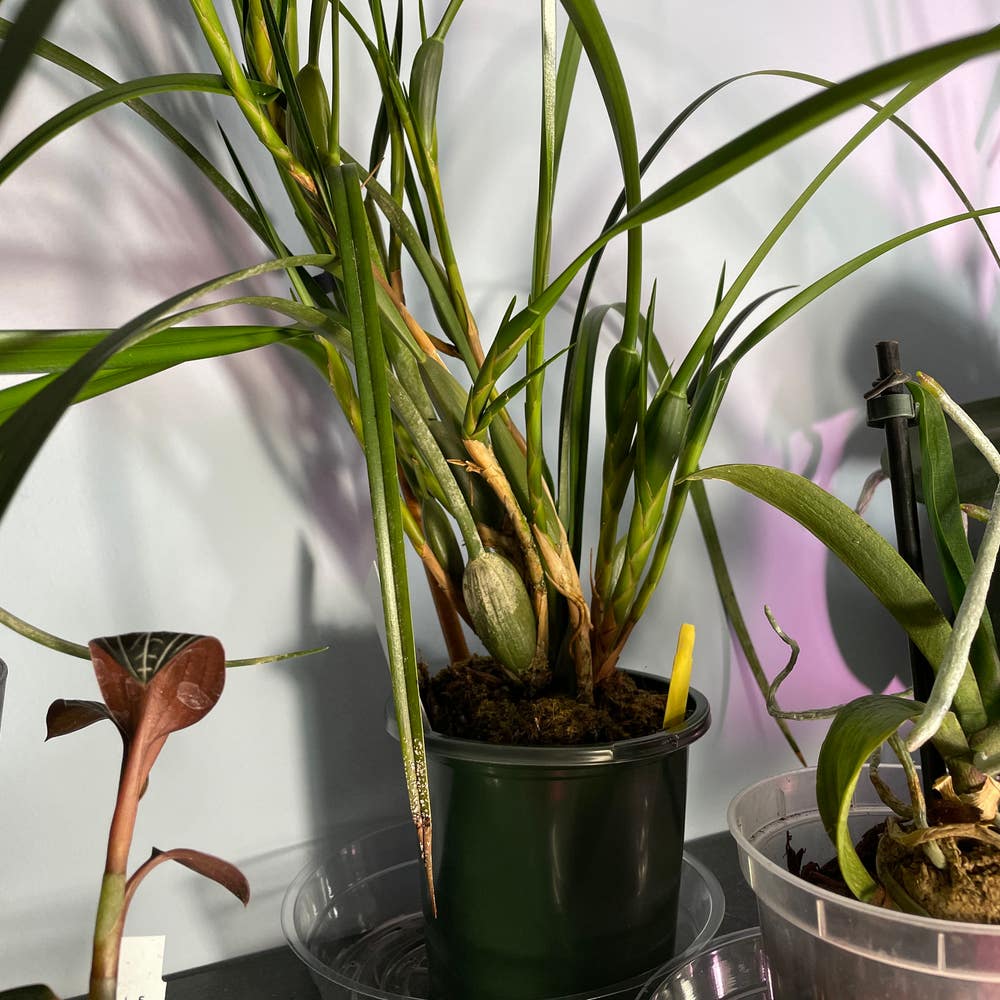
Holub's Eulophia typically reaches a mature height of 1 to 3 feet. It can spread out to 1 to 2 feet wide, making it a lovely addition to any garden.
Growth Rate and Factors Affecting Size 📈
This plant has a moderate growth rate, which can be influenced by several factors. Key elements include light availability, water supply, and soil conditions.
Size Variability Based on Growing Conditions 🌍
The size of Holub's Eulophia can vary significantly depending on its growing conditions. Factors such as soil quality and sunlight exposure play crucial roles in determining how robust the plant will become.
Understanding these aspects of size can help you create the ideal environment for your Holub's Eulophia. With the right care, you can enjoy its beauty and unique characteristics for years to come.
Roots
Description of the Root System 🌱
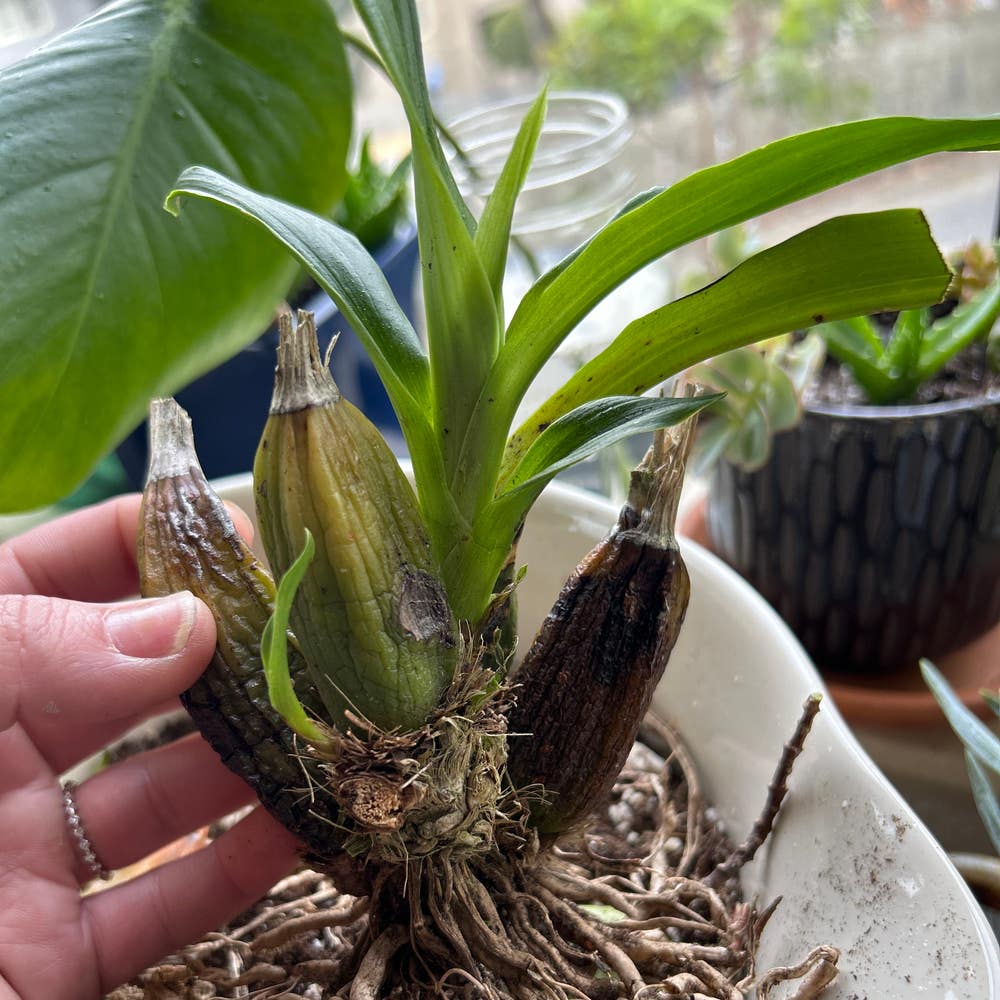
Holub's Eulophia features a fibrous root system that plays a crucial role in its growth and stability. This type of root structure helps the plant efficiently absorb nutrients and water from the soil.
Root Depth and Spread 📏
The roots of Holub's Eulophia can extend 12-18 inches deep, allowing for robust anchorage. They typically spread outwards to match the plant's width, ensuring a strong foundation.
Common Root-Related Issues ⚠️
Root rot is a common issue, often caused by overwatering. To prevent this, ensure proper drainage in the soil.
Rootbound conditions occur when the roots fill the pot, leading to stunted growth and circling roots. Recognizing these signs early can help maintain plant health.
Visual Cues for Healthy vs. Unhealthy Roots 👀
Healthy roots are firm, white, and spread evenly throughout the soil. In contrast, unhealthy roots appear dark, mushy, or may emit a foul smell.
Solutions for Root Problems 🛠️
If you notice your plant is rootbound, it's time to repot it into a larger container with fresh soil. Look for signs such as roots growing out of drainage holes or circling the pot to identify rootbound conditions.
Understanding the root system of Holub's Eulophia is essential for its care. With proper attention to root health, your plant can thrive beautifully.
Next, let's explore the benefits of growing Holub's Eulophia in your garden.
Benefits
Aesthetic Appeal 🌺
Holub's Eulophia boasts unique flowers that can truly enhance the beauty of any garden. Their vibrant colors and distinct shapes create a stunning visual impact.
Pollinator Attraction 🐝
These plants are a magnet for pollinators like bees and butterflies. By planting Holub's Eulophia, you contribute to a thriving ecosystem in your garden.
Air Purification 🌬️
Not only do they look good, but Holub's Eulophia also helps improve air quality. They absorb pollutants, making your garden a healthier place to breathe.
Drought Tolerance 💧
Once established, these plants require less water, making them a great choice for eco-conscious gardeners. Their drought tolerance means less maintenance and more resilience.
Cultural Significance 🌍
Holub's Eulophia holds value in various cultures for its beauty and symbolism. Incorporating them into your garden can connect you to rich traditions and stories.
These benefits make Holub's Eulophia a fantastic addition to any garden. Their combination of beauty, ecological benefits, and cultural significance is hard to beat.
Next, let’s explore the concept of companion planting and how it can enhance your gardening experience.
Companion Plants
🌱 Explanation of Companion Planting
Companion planting is a gardening technique that enhances diversity and promotes healthier plant growth. By strategically placing plants together, you can improve pest management and foster beneficial relationships between species.
🌼 List of Compatible Companion Plants
When it comes to Holub's Eulophia, certain companions thrive alongside it. Consider planting:
- Marigolds: These vibrant flowers act as natural pest repellents.
- Lavender: Not only does it add aesthetic appeal, but it also attracts pollinators.
- Other Eulophia species: They can create a harmonious garden environment.
🚫 Discussion of Plants to Avoid
While some plants complement Holub's Eulophia, others can hinder its growth. Avoid planting species that compete for nutrients or share similar pest issues, as they can create unnecessary stress on your Eulophia.
🌍 Importance of Symbiotic Relationships and Garden Diversity
Embracing companion planting fosters a healthier ecosystem. By promoting diversity, you reduce the likelihood of pest infestations and create a more resilient garden. This approach not only benefits your plants but also enhances the overall beauty and functionality of your outdoor space.
Transitioning to the next section, understanding the potential problems that can arise in your garden is crucial for maintaining the health of your Holub's Eulophia.
Problems
🕵️♂️ Identification of Common Problems
Growing Holub's Eulophia can be rewarding, but it’s essential to recognize potential issues early.
Incorrect Watering: Overwatering leads to yellowing leaves, while underwatering causes wilting.
Incorrect Light Conditions: Too much sun can scorch leaves, whereas insufficient light results in leggy growth.
⚠️ Symptoms and Causes of Each Problem
Fungal diseases can also plague your plants, particularly in humid environments.
Powdery Mildew: This white, powdery substance appears on leaves, often due to poor air circulation.
Black Rot: Dark spots on leaves signal this disease, typically exacerbated by excessive moisture.
🛠️ Solutions and Preventive Measures
To keep your Holub's Eulophia thriving, adjust your watering practices.
Ensure the soil is moist but not soggy, and always check the drainage.
For light conditions, place your plants where they receive adequate sunlight without being scorched.
Regularly inspect your plants for signs of disease and take action promptly to maintain their health.
By staying vigilant and proactive, you can enjoy a flourishing garden filled with beautiful Holub's Eulophia.
Next, let’s explore the pests that might threaten your plants and how to manage them effectively.
Bugs
Overview of Pest Resistance and Susceptibility 🐞
Holub's Eulophia boasts moderate pest resistance, making it a resilient choice for gardeners. However, it can still fall prey to specific pests that may threaten its health.
List of Common Pests 🐜
- Spider Mites: Look for fine webbing on leaves; treat infestations with insecticidal soap.
- Mealybugs: These pests appear as cotton-like masses; remove them using alcohol-soaked cotton swabs.
- Aphids: Signs include curled leaves; control these nuisances with neem oil.
Identification and Damage Caused by Each Pest 🔍
Each pest leaves its mark, causing distinct types of damage. Spider mites can lead to stippling on leaves, while mealybugs may cause yellowing and stunted growth. Aphids often result in leaf drop and distorted growth.
Effective Treatment Options for Pest Control 💪
To combat these pests, consider organic methods like insecticidal soap, which is effective and environmentally friendly. Additionally, introducing beneficial insects, such as ladybugs, can help keep pest populations in check naturally.
By staying vigilant and employing these strategies, you can protect your Holub's Eulophia from unwanted pests, ensuring it thrives in your garden. Next, let’s explore what animals might be lurking around, looking to nibble on your beautiful plants.
What Eats Holub's Eulophia
🦌 Common Garden Animals That May Damage
Holub's Eulophia can attract a variety of garden animals that may cause damage.
Deer: These graceful creatures often munch on the leaves, leaving behind noticeable chewed edges. To deter them, consider installing fencing or using repellents that mask the scent of your plants.
Rabbits: Known for their nibbling habits, rabbits may leave clipped stems in their wake. Barriers or repellents can help keep these furry friends at bay.
Squirrels: These energetic critters may dig around the base of your plants, causing disruption. Traps or deterrents can effectively manage their presence.
🐾 Signs of Animal Presence and Types of Damage
Identifying animal activity is crucial for protecting your Holub's Eulophia.
Look for signs such as droppings, tracks, or visible damage to the plant. Chewed leaves, clipped stems, and disturbed soil are clear indicators that animals are feasting on your beloved plant.
🚧 Deterrent Methods for Managing Animal Pests
Managing animal pests requires a mix of strategies to keep your plants safe.
Chemical and Organic Methods: Use repellents that deter animals without harming them.
Fencing: A physical barrier can be highly effective against larger animals like deer.
Companion Planting: Planting species that confuse or repel pests can create a more resilient garden ecosystem.
By employing these methods, you can protect your Holub's Eulophia and enjoy its beauty without the worry of unwanted visitors. Transitioning to the next topic, let's explore the common problems that can affect your plant's health.
⚠️ Safety First
This content is for general information and may contain errors, omissions, or outdated details. It is not medical, veterinary advice, or an endorsement of therapeutic claims.
Always consult a qualified healthcare professional before using any plant as food, medicine, or supplement.
Never eat any plant (or feed one to pets) without confirming its identity with at least two trusted sources.
If you suspect poisoning, call Poison Control (800) 222-1222, the Pet Poison Helpline (800) 213-6680, or your local emergency service immediately.
Spotted an error? Please report it here.
Nurture your Holub's Eulophia to bloom beautifully 🌼 with Greg's personalized care tips and watering reminders that keep your plant thriving in its ideal environment!