🌼 Hardy White Gloxinia: A Comprehensive Overview
Sinningia tubiflora
By the Greg Editorial Team
Jan 24, 2025•13 min read
This article was created with the help of AI so we can cover more plants for you. May contain errors. See one? Report it here.
- 🌞 Hardy White Gloxinia thrives in partial shade to full sun for optimal growth.
- 🌱 Use well-draining, fertile soil with pH 6.0-7.0 for best results.
- 🌿 Regularly monitor for pests to ensure the health of your Gloxinia.
How to Grow
🌍 Choosing a Location
Finding the right spot for your Hardy White Gloxinia is crucial. Aim for a location that offers partial shade to full sun, ensuring your plants receive adequate light without scHardy White Gloxiniaing between outdoor planting or container growing, consider your climate and space. Container growing allows for flexibility, while outdoor planting can provide a more natural environment.
🏗️ Soil Preparation
The foundation of healthy plants lies in the soil. Use well-draining, fertile soil to promote robust growth and prevent root rot.
Aim for a pH level between 6.0 and 7.0, which is slightly acidic to neutral. This balance helps your Gloxinia thrive.
🌱 Planting Techniques
When planting tubers, depth matters. Bury them 1-2 inches deep to encourage strong root development.
Space your tubers about 12 inches apart for optimal growth. This distance allows each plant to flourish without competing for resources.
💧 Watering Requirements
Watering is key to maintaining healthy Gloxinia. Keep the soil consistently moist but avoid waterlogging, which can lead to root issues.
Be vigilant for signs of oHardy White Gloxiniallowing leaves, or underwatering, which may cause wilting. Adjust your watering routine accordingly.
🌿 Fertilizing Schedule
To nourish your plants, use a balanced NPK fertilizer, such as 10-10-10. This will provide essential nutrients for growth.
Fertilize every 4-6 weeks during the growing season to keep your Gloxinia thriving. Regular feeding supports vibrant blooms and lush foliage.
✂️ Pruning Methods
Pruning is essential for encouraging new growth. Aim to prune after flowering to promote a healthy cycle.
Use techniques like pinching back spent blooms and leggy growth to maintain a tidy appearance. This practice helps your plants focus energy on new growth.
🔍 Ongoing Care Tips
Regular monitoring for pests and diseases is vital. Keep an eye out for any changes in your plants' health and address issues promptly.
Adjust your care based on seasonal chplant, ensuring your Hardy White Gloxinia receives the attention it needs year-round. This proactive approach will lead to a thriving garden.
Propagation
Seed Propagation 🌱
Growing Hardy White Gloxinia from seeds is a rewarding process. Sow the seeds at a depth of just 1/4 inch, and expect germination within 10-14 days under optimal conditions.
Division of Tubers 🌿
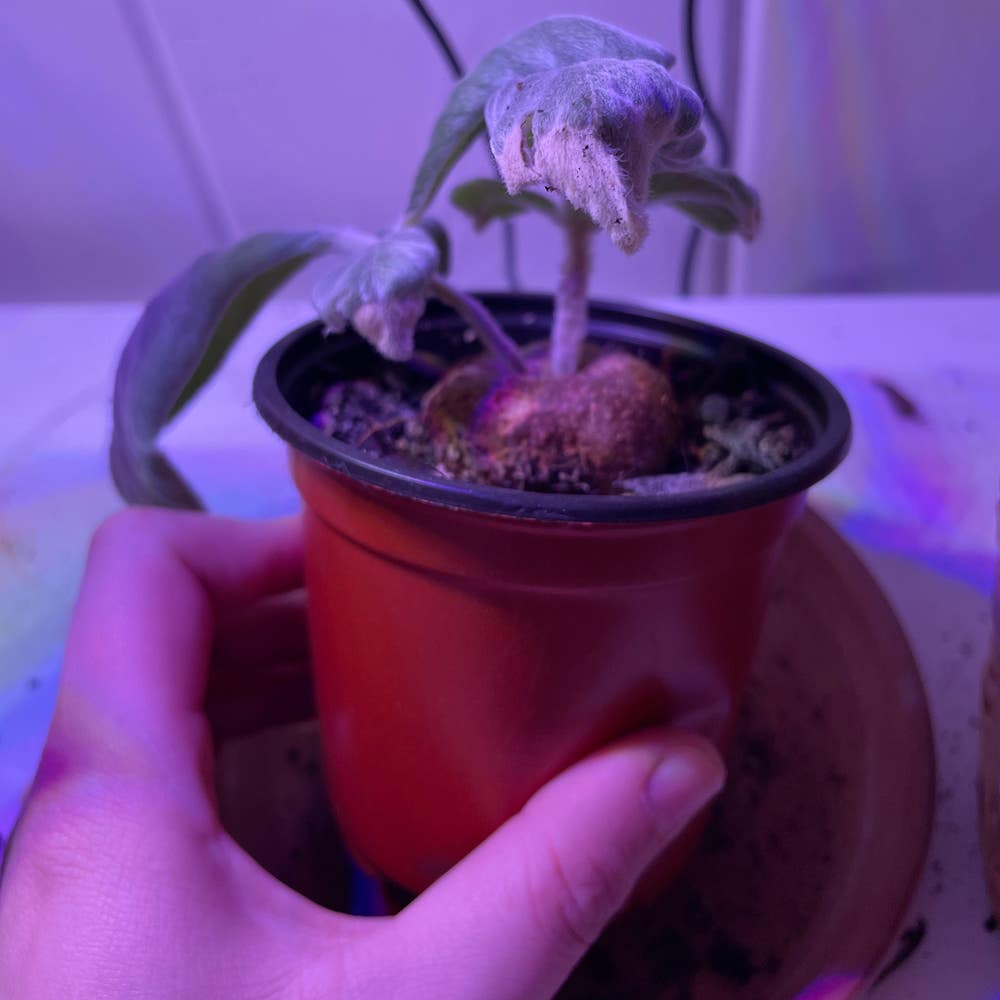
Dividing tubers is best done in early spring or fall. When dividing, ensure eacplanttion has both roots and shoots to promote healthy growth.
Leaf Cuttings 🍃
Leaf cuttings are another effective propagation method. Select healthy leaves that are 4-6 inches long and use a rooting medium made of equal parts peat and perlite for the best results.
This propagation knowledge sets the stage for nurturing your Hardy White Gloxinia. Next, let’s explore its lifecycle and growth stages to understand how to support your plants as they thrive.
Lifecycle
🌱 Lifecycle Stages
Hardy White Gloxinia is classified as a perennial, meaning it can thrive for multiple growingHardy White Gloxiniacteristic makes it a favorite among gardeners looking for lasting beauty.
🌡️ Germination Process
For successful germination, maintain an optimal temperature of 70°F (21°C). This warmth encourages seeds to sprout and begin their journey.
🌿 Seedling Development
Once germinated, seedlings take about 4-6 weeks to establish themselves. During this time, they develop tplantsessary strength to transition into the next growth phase.
🌳 Vegetative Growth Phase
The vegetative growth phase lasts approximately 6-8 weeks before the plant begins to flower. This is when the plant focuses on building a robust structure and lush foliage.
🌸 Flowering and Seed Production
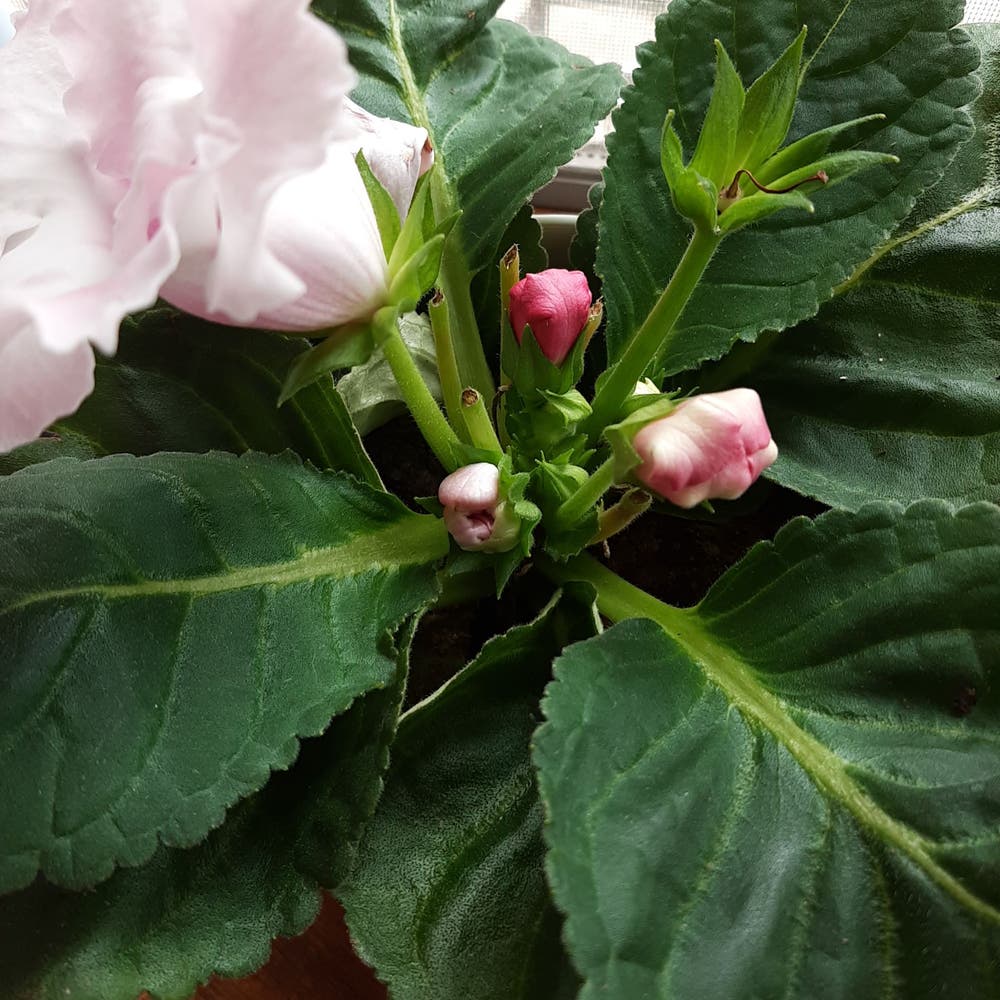
ExpecHardy White Gloxinia from late spring to early summer. This is the highlight of the lifecycle, as the plant showcases its stunning blooms and begins the process of seed production.
⏳ Lifespan and Growth Timeline
The overall lifespan of Hardy White Gloxinia ranges from 3-5 years. Typically, it reaches full maturity in about 12-16 weeks, demonstrating a moderate growth rate that allows for steady development.
Understanding the lifecycle of Hardy White Gloxinia not only enhances your gardening skills but also deepens your appreciation for this beautiful plant. Next, let’s explore how to effectively propagate these stunning flowers for even more enjoyment.
Size
Mature Height and Spread 🌱
Hardy White Gloxinia typically reaches a mature height of 12 to 18 inches. Its spread is around 12 inches, making it a compact yet striking addition to any garden.
Growth Rate Specifics 🚀
During peak growth periods, you can expect an average growth rate of 1 to 2 inches per week. This rapid growth can be quite rewarding, as you watch your plants flourish.
Size Variability Based on Conditions 🌈
Several factors influence the size of your Hardy White Gloxinia. Light exposure,Hardy White Gloxinia and soil quality all play crucial roles in determining how robust your plants will become.
Ensuring optimal conditions can lead to lush, vibrant growth, while neglecting these factors may stunt their development. By paying attention to these elements, you can maximize the potential of your Hardy White Gloxinia.
As you nurture your plants, remember that their size is a reflection of the care you provide. With the right attention, you'll enjoy a beautiful display that enhances your garden's appeal.
Next, let's explore the roots of Hardy White Gloxinia and their significance in plant health.
Roots
🌱 Root System Characteristics
Hardy White GloxiniHardy White Gloxinia root system that is essential for its growth and stability. Typically, these roots extend to a depth of 6-12 inches, allowing the plant to absorb nutrients and water effectively.
⚠️ Common Root-Related Issues
One of the most common problems is root rot, which manifests as wilting and yellowing leaves. To combat this issue, ensure proper drainage and adjust your watering practices to keep the soil moist but not soggy.
👀 Identifying Healthy vs. Unhealthy Roots
Healthy roots are firm, white, and spread evenly throughout the soil. In contrast, unhealthy roots appear dark, mushy, or may even emit a foul smell, indicating a need for immediate attention.
🌿 Recognizing Rootbound Plants
If you notice stunted growth or roots emerging from drainage holes, your plant may be rootbound. The solution is simple: repot the Gloxinia into a larger container to give those roots room to thrive.
This understanding ofHardy White Gloxiniaial for maintaining a vibrant Hardy White Gloxinia. Next, we will explore the benefits of this beautiful plant, from its aesthetic appeal to its air-purifying qualities.
Benefits
Aesthetic Appeal 🌼
The Hardy White Gloxinia is a showstopper in any garden. Its striking white flowers add a touch of elegance and visual interest, making it a favorite among plant enthusiasts.
Attracting Pollinators 🐝
This plant does more than just look good; it also plays a vital role in the ecosystem. Hardy White Gloxinia attracts bees and butterflies, helping to support local pollinator populations.
Air Purification Qualities 🌬️
Indoor gardening enthusiasts will appreciate the air purification benefits of this plant. Hardy White Gloxinia contributes to improved indoor air quality, making your living space healthier and more inviting.
Cultural Significance 🎎
In various cultures, the Hardy White Gloxinia symbolizes purity and tranquility. Its presence can evoke a sense of calm and peace, enhancing the ambiance of any environment.
Therapeutic Benefits 🧘♀️
Gardening itself is a therapeutic activity, and caring for Hardy White Gloxinia can be particularly rewarding. Engaging with plants can relieve stress and promote mental well-being, making it a fulfilling hobby.
As you explore the many benefits of the Hardy White Gloxinia, consider how it can enhance your garden and your life. Next, let’s dive into the fascinating world of companion planting and discover which plants thrive alongside this beauty.
Companion Plants
🌱 Concept of Companion Planting
Companion planting is a gardening strategy that enhances biodiversity and promotes healthier plant growth. By pairing compatible plants, you can improve pest management and create a more vibrant garden ecosystem.
🌼 Best Companion Plants
When growing Hardy White Gloxinia, consider these excellent companions:
- Ferns: Their lush foliage provides a beautiful contrast and thrives in similar light conditions.
- Hostas: These shade-loving plants complement Gloxinia's needs and add texture to your garden.
- Shade-loving Annuals: Varieties like impatiens or begonias can fill in gapHardy White Gloxiniaal color.
🚫 Plants to Avoid
Be cautious with heavy feeders, as they compete for nutrients. Avoid planting alongside crops like tomatoes or corn, which can drain the soil of essential resources needed for your Gloxinia to thrive.
By selecting the right companions, you can create a flourishing garden that benefits all its inhabitants. This thoughtful approach not only enhances the beauty of your space but also supports the health of your plants.
Next, let’s explore the potential toxicity of Hardy White Gloxinia to pets and humans.
Toxicity to Humans
Hardy White Gloxinia is not listed as toxic by major poison control centers, making it a safe choice for most households. However, it's wise to be aware of potential minor issues, such as mild skin irritation or digestive discomfort if consumed in large quantities.
⚠️ Recommendations for Caution
While the risks are minimal, it's always best to exercise caution. If you or someone else experiences unusual symptoms after coHardy White Gloxinia, seeking medical advice is a prudent step.
This beautiful plant can brighten your space without posing significant health risks, allowing you to enjoy its striking appearance with peace of mind.
As we move forward, let’s explore how Hardy White Gloxinia interacts with our furry friends.
Toxicity to Dogs
When it comes to Hardy White Gloxinia, dog owners can breathe a sigh of relief. This plant is not listed as toxic by major pet poison control centers, making it a safe choice for homes with furry friends.
However, it's important to note that while the plant isn't toxGloxiniauming large quantities may lead to mild gastrointestinal upset. Keeping an eye on your dog's behavior around the plant is a good practice.
🐶 Tips for Introducing to Homes with Dogs
To ensure a harmonious coexistence between your Hardy White Gloxinia and your canine companion, consider these tips:
- Proper Placement: Position the plant out of reach to prevent curious noses from investigating too closely.
- Monitoring Behavior: Watch for any signs of interest or nibbling, and redirect your dog's attention if necessary.
By taking these precautions, you can enjoy the beauty of Hardy White Gloxinia without worrying about your dog's health.
As we move forward, let’s explore how this plant interacts with our feline friends.
Toxicity to Cats
When it comes to Hardy White Gloxinia, you can breathe easy. This plant is not listed as toxic by major pet poison control centers, making it a safe choice for cat lovers.
However, if your feline friend decides to nibble on the leaves, there could be minor issues. Eating large quantities may lead to mild gastrointestinal upset, so it's best to keep an eye on their behavior.
🐱 Tips for Introducing to Homes with Cats
To ensure a harmonious coexistence, consider the placement of your Hardy White Gloxinia. Position it in areas that are less accessible to your curious cat.
Monitoring your cat's behavior around the plant is also crucial. This way, you can quickly address any potential issues before they escalate.
With a little care, you can enjoy the beauty of Hardy White Gloxinia without worrying about your furry companions.
Problems
Common Issues 🌱
Growing Hardy White Gloxinia can be a rewarding experience, but it's not without its challenges. Understanding common issues can help you maintain a healthy plant.
Incorrect Watering 💧
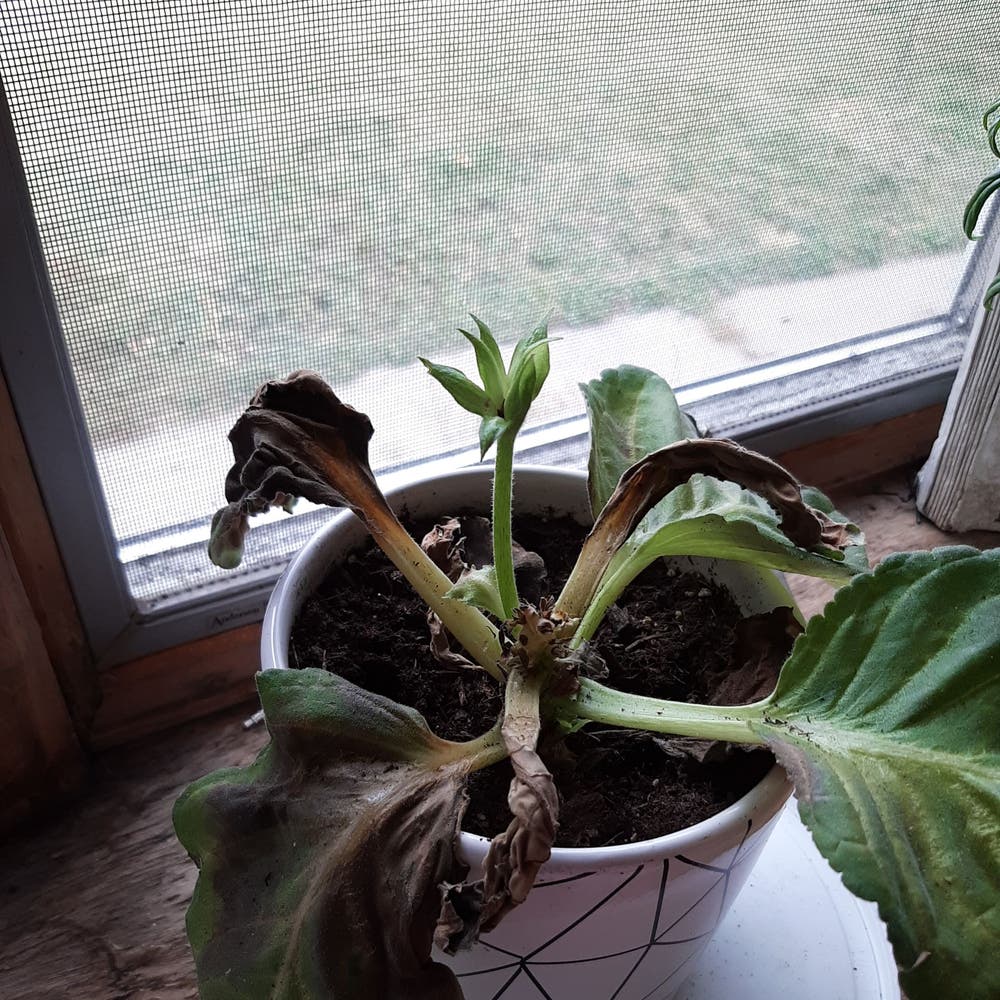
Watering is crucial for your Gloxinia's health. Overwatering can lead to root rot, with signs like wilting and yellowing leaves. Conversely, underwatering may cause the leaves to droop and become crispy.
Incorrect Light Conditions ☀️
Light plays a significant role in plant growth. Insufficient light can result in leggy growth and fewer blooms, while too much direct sunlight can scorch the leaves.
Incorrect Temperature 🌡️
Temperature fluctuations can stress your plant. Extreme heat or cold may stunt growth or cause leaf drop, so aim for a stable environment.
Diseases 🦠
Fungal diseases can be a real threat. Powdery mildew and root rot are common issues that can arise from poor air circulation or overly moist conditions. Hardy White GloxiniaLeaf problems are often the first sign of trouble. Scorching, yellowing, or fuzzy growth can indicate environmental stress or disease, requiring immediate attention.
By keeping an eye on these common issues, you can ensure your Hardy White Gloxinia thrives. Next, let’s explore the pests that might invade your garden and how to combat them effectively.
Bugs
🐜 Potential Pest Issues
Hardy White Gloxinia is generally pest-resistant, making it a resilient choice for gardeners. However, it can still fall prey to certain pests that may cause issues if not managed promptly.
🔍 Identification of Common Pests
Keep an eye out for common pests such as:
- Spider mites: Tiny, often invisible, they create fine webs on leaves.
- Scale insects: These appear as small, brown bumps on stems and leaves.
- Mealybugs: Look for white, cottony masses on the plant.
- Aphids: Small, green or black insects that cluster on new growth.
- Whiteflies: Tiny, white flying insects that can be seen when the plant is disturbed.
⚠️ Damage Caused by Pests
PestGloxiniations can lead to several visible symptoms, including:
- Wilting: A sign that the plant is struggling to absorb water.
- Discoloration: Leaves may turn yellow or develop spots.
- Leaf drop: A significant indicator of stress caused by pests.
🛠️ Effective Treatment Options
Addressing pest issues promptly is crucial for maintaining healthy plants. Here are some effective treatment options:
- Organic methods: Use insecticidal soap or neem oil to target pests without harming beneficial insects.
- Chemical controls: For severe infestations, consider using systemic insecticides, but apply them carefully to avoid harming the plant.
- Regular monitoring: Check your plants frequently to catch any pest problems early.
By staying vigilant and proactive, you can keep your Hardy White Gloxinia thriving and beautiful. Next, let’s explore what animals might be interested in snacking on your plants.
What Eats
Common Animals 🦌
Hardy White Gloxinia can attract a variety of hungry critters. Common visitors include deer, rabbits, squirrels, birds, rodents, and groundhogs.
Signs of Animal Presence 🐾
Identifying these pests is crucial for protecting your plants. Look for tracks, droppings, and visible damage to the leaves and flowers.
Types of Damage ⚠️
These animals can cause significant harm. They may browse on leaves and flowers or even uproot the plants entirely, leaving your garden in disarray.
Deterrent Methods 🚫
Preventing these animals from feasting on your Gloxinia is essential. Here are some effective strategies:
- Fencing: Erecting a fence can create a physical barrier against larger animals like deer and rabbits.
- Repellents: Use natural or commercial repellents to deter animals from approaching your plants.
- Companion Planting: Incorporate plants that animals dislike, which can help protect your Gloxinia.
By implementing these methods, you can safeguard your Hardy White Gloxinia and enjoy its beauty without the worry of unwanted visitors. Next, let’s explore the potential pest issues that can affect your plants.
⚠️ Safety First
This content is for general information and may contain errors, omissions, or outdated details. It is not medical, veterinary advice, or an endorsement of therapeutic claims.
Always consult a qualified healthcare professional before using any plant as food, medicine, or supplement.
Never eat any plant (or feed one to pets) without confirming its identity with at least two trusted sources.
If you suspect poisoning, call Poison Control (800) 222-1222, the Pet Poison Helpline (800) 213-6680, or your local emergency service immediately.
Spotted an error? Please report it here.
Unlock a vibrant Gloxinia garden 🌼 with Greg's tailored care reminders and expert tips that keep your plant thriving from sunlight to soil!