


Peas

5.0 out of 5 (1 experiences)
 Fast grower
 Easy to propagate
Also known as
Pisum sativum and Pisum sativum macrocarpon
Taxonomy

Lathyrus oleraceus
Lathyrus
Fabaceae
Fabales

How to care for Peas
How often to water your Peas

every 9
Peas needs 0.5 cups of water every 9 when it doesn’t get direct sunlight and is potted in a 5" pot.
Use our water calculator to personalize watering recommendations to your environment or download Greg for more advanced recommendations for all of your plants.

Water 0.5 cups every
9
Finding light for Peas in your home

a window
Peas love being close to bright, sunny windows 😎.
Place it less than 1ft from a south-facing window to maximize the potential for growth.
Peas does not tolerate low-light 🚫.
Select your region to see how the current weather in your area affects the placement of Peas in your home 🏡.
How to fertilize Peas

Most potting soils come with ample nutrients which plants use to produce new growth.
By the time your plant has depleted the nutrients in its soil it’s likely grown enough to need a larger pot anyway.
To replenish this plant's nutrients, repot your Peas after it doubles in size or once a year—whichever comes first.
-
White mould chalky spots on leaves
-
Help??? There is mold?? Growing in my plant pot?? I just planted this And it’s growing But it’s also growing mold What do I do????
-
So I see white spots on my peas!!! I’m wondering what it is?? Hopefully it’s not root rot.
-
Second round of peas are coming along nicely 🥰❤️
-
Why are my pea leavs turning brown and crunchy? Peas grew and I picked them and there's even some new growth
-
Am I watering too much?
-
Does anyone know why my pea plant’s leaves are yellow and dead towards the bottom of the plant? It may just be that it’s too hot here for them to be at their best. It’s consistently 95-100 degrees.
-
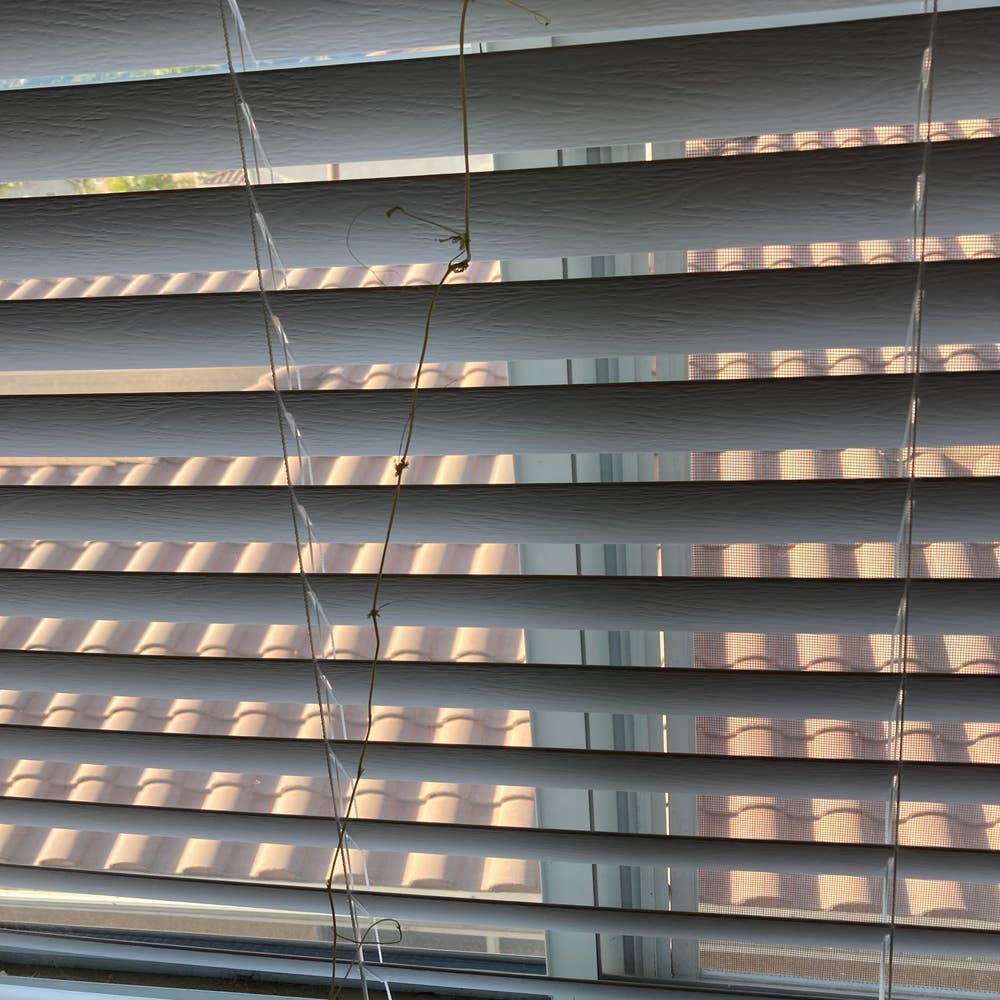
My plant is dying and I don’t know what’s wrong My plant pete has been dying and I don’t know what’s wrong. So it first started when his soil was wet for a very long time and when it first in a long time turned dry only in the middle though, I took this opportunity to water him because I was concerned. Then after this his soil was just wet for so long and today I watered him knowing yes that his soil still looked wet. And I come back from school and his leaves are falling off more and I don’t know what to do. I’m scared, I don’t want him to die. Please help! The pictures are from today. BTW, the first picture is only the middle part of him, the top part has a couple of leaves and his pea. And stem is still strong.
-
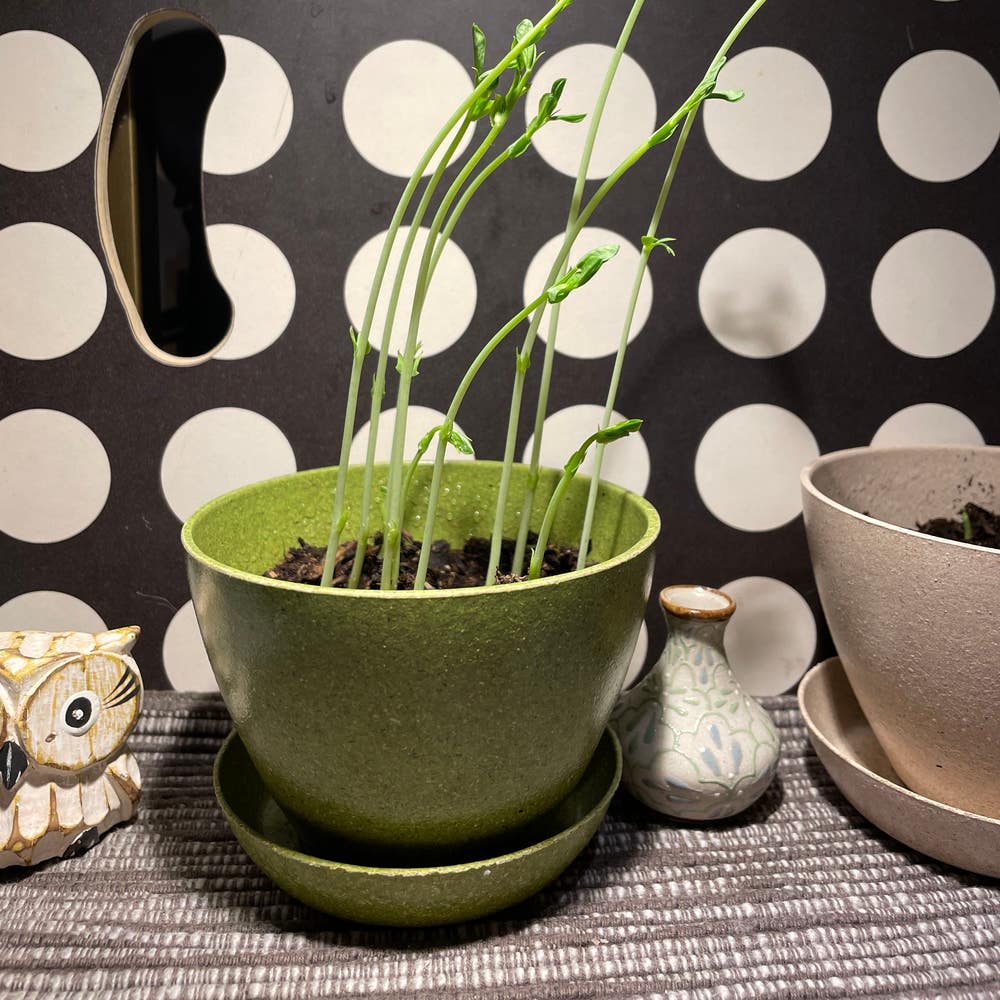
New update on my pea shoots: In only three days they grew a whole three inches! Here’s a picture ⬇️
-
So I planted pea sprout seeds a few days ago but didn’t germinate the seeds. So should I leave them be or germinate them?


Care Summary for Peas

Peas
 Greg recommends:
 Water
Water
0.5 cups every 9 days
 Placement
< 1ft from a window
 Nutrients
Repot after 2x growth
Based on the 4” pot your plant is in, and that it doesn’t get direct sunlight.
What other plant parents say
Fast grower 1
Easy to propagate 1


 02/20/2022
You can use pea sprouts for salads, and other dishes!
Fast grower
Easy to propagate

 Trending in your area










 Similar to Peas

✨ Discover rare plants

Scindapsus pictus 'Si…

Graptoveria 'Douglas …
Linnaei Kunth

Cereus peruvianus 'Pa…
Graptopetalum 'Marqui…
Philodendron 'Gabby'

Chandelier Plant

Tuber Fleeceflower

Pine Cone Plant

Raphionacme flanaganii

Echeveria Esther
Skeleton Key Pothos

Bonsai Crassula

Rhipsalis clavata

Christmas Candle

Ace of Spades

Lithops
