What Temperature Should My Golden Jewel Orchid Be Kept At?
Anoectochilus brevilabris
By the Greg Editorial Team
Apr 16, 2024•3 min read
This article was created with the help of AI so we can cover more plants for you. May contain errors. See one? Report it here.
Discover the secret to vibrant Golden Jewel Orchids 🌡️—the right temp range makes all the difference!
- 65-75°F day / 55-65°F night ideal for Golden Jewel Orchids.
- 🌡️ Consistent temperatures prevent stress and promote healthy growth.
- Seasonal care adjustments necessary for summer heat and winter cold.
Keeping It Cozy: The Perfect Temperature Sweet Spot
🌡️ What's the Magic Number?
Golden Jewel Orchids thrive in a temperature range of 65-75°F (18-24°C) during the day. At night, a slight drop to 55-65°F (13-18°C) is beneficial. This range supports their vital functions like photosynthesis and nutrient uptake, crucial for robust growth and blooming.
🗝️ Why Consistency is Key
Temperature fluctuations are a no-go for these orchids. Stable temperatures prevent stress, which can manifest as poor growth or lack of flowers. Think of your orchid's comfort zone as a microclimate; it's not about extremes but about creating a consistent environment where your plant can flourish without the drama of sudden spikes or drops.
When Your Orchid Says "I'm Stressed!"
🍃 Reading the Leaves
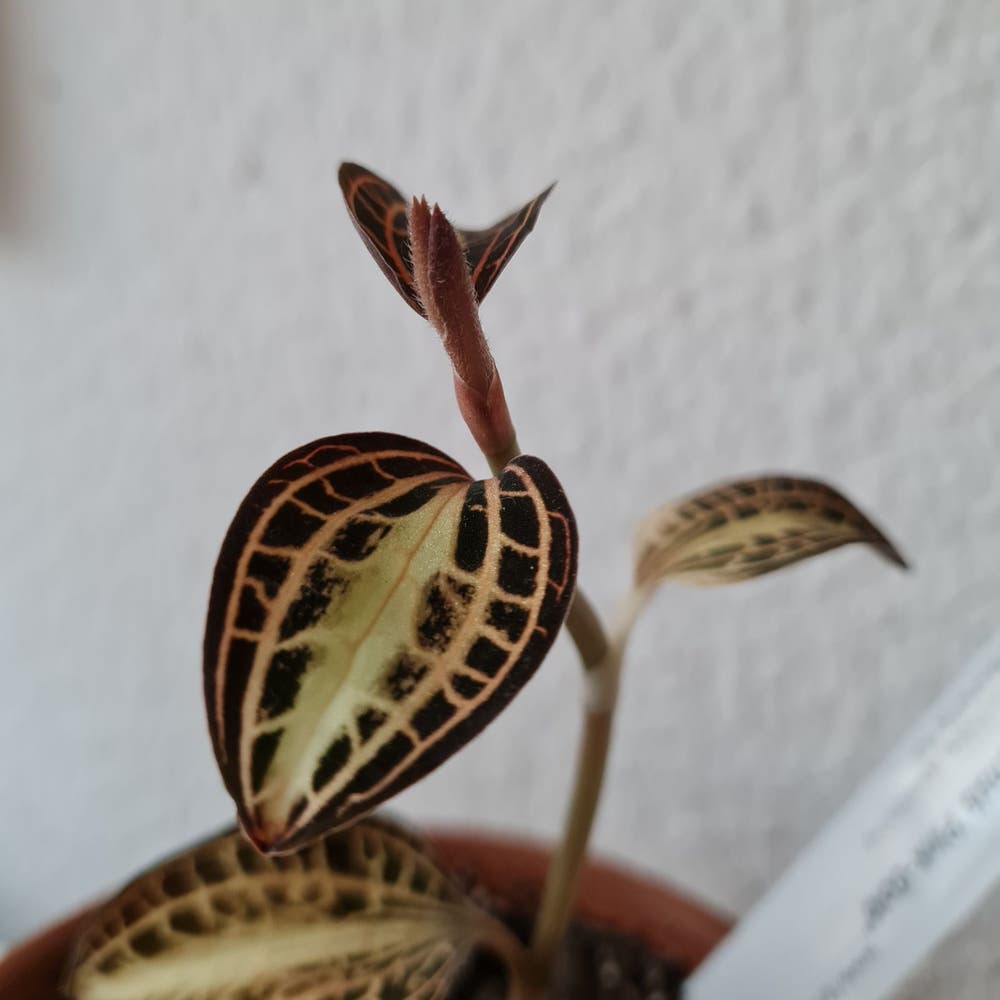
Golden Jewel Orchids are visual storytellers. Yellow leaves scream "too hot!" while brown marks whisper "I'm cold." If the leaves feel warmer than your preferred beverage, it's time for cooler conditions. Sunburned patches? Those reddish-purple spots are distress signals, not a quirky leaf pattern. Shriveled pseudobulbs shout dehydration, a sign of too much heat. Remember, healthy orchid leaves should be green, firm, and rubbery.
🌱 From Droopy to Happy
When your orchid's leaves droop like they've had a rough day, it's a cry for a stable environment. Immediate action is needed to prevent a full-blown plant tantrum. Move your orchid away from direct sunlight or chilly drafts. If it's too hot, increase air circulation and provide shade. For cold stress, a plant heat mat or a warmer location can work wonders. Always use room temperature water—it's like a comforting hug for your stressed orchid.
Common Culprits of Temperature Tantrums
🌬️ Drafts and Sunburns
Golden Jewel Orchids are as finicky about their environment as a cat is about its litter box—drafts and direct sunlight are their nemeses. To sidestep these temperature pitfalls, keep your orchid away from the whims of open windows and the fierce afternoon sun. Shield your plant with blinds or sheer curtains to fend off the sun's harsh rays without plunging it into darkness.
Keeping the Heat Just Right
Your home's heating and cooling systems can turn into unwitting villains in your orchid's life story. Avoid placing your plant near vents or radiators where gusts of hot or cold air can cause dramatic temperature swings. Instead, aim for a steady climate. Use a thermostat to keep track of the temperature, and consider a gentle fan or a small space heater for minor adjustments. Remember, your orchid craves stability like a teenager longs for WiFi.
Seasonal Shifts: Adapting to the Calendar
🌞 Summer Sizzle and Winter Woes
Golden Jewel Orchids aren't fans of dramatic seasonal plot twists. Summer heat can turn your orchid's lush leaves into a sunburnt mess, while winter chills might leave them shivering and stunted. To keep your floral gem gleaming, tweak your care routine as the seasons change. In the scorch of summer, shield your orchid from direct sunbeams and ramp up the watering. Come winter, find a cozy nook away from drafts and consider a slight uptick in temperature.
🌧 A Note on Humidity
While you're playing seasonal detective with temperature, don't let humidity slip under the radar. These tropical treasures crave moisture in the air almost as much as they love a good temperature balance. In the dry winter air, a humidifier can be a lifesaver. During the humid summer months, less is more. Keep an eye on the humidity levels; your orchid's perky posture will tell you if you're hitting the mark.
⚠️ Safety First
This content is for general information and may contain errors, omissions, or outdated details. It is not medical, veterinary advice, or an endorsement of therapeutic claims.
Always consult a qualified healthcare professional before using any plant as food, medicine, or supplement.
Never eat any plant (or feed one to pets) without confirming its identity with at least two trusted sources.
If you suspect poisoning, call Poison Control (800) 222-1222, the Pet Poison Helpline (800) 213-6680, or your local emergency service immediately.
Spotted an error? Please report it here.
Keep your Golden Jewel Orchid thriving 🌡 with Greg's custom reminders to adjust your heating and cooling, ensuring the perfect bloom-friendly temperature year-round.