Why Are My Golden Jewel Orchid Leaves Curling?
Anoectochilus brevilabris
By the Greg Editorial Team
Apr 16, 2024•4 min read
This article was created with the help of AI so we can cover more plants for you. May contain errors. See one? Report it here.
Unravel the mystery behind your orchid's curled leaves and reclaim its splendor 🌿✨!
- Curling leaves signal environmental stress like light, water, pests, or humidity imbalances.
- Adjust care routines for light, watering, and humidity to prevent leaf issues.
- Pest control is key; use insecticidal soap or neem oil for infestations.
Spotting the Signs: What Curling Leaves Can Tell You
🌿 Visual Symptoms and Immediate Concerns
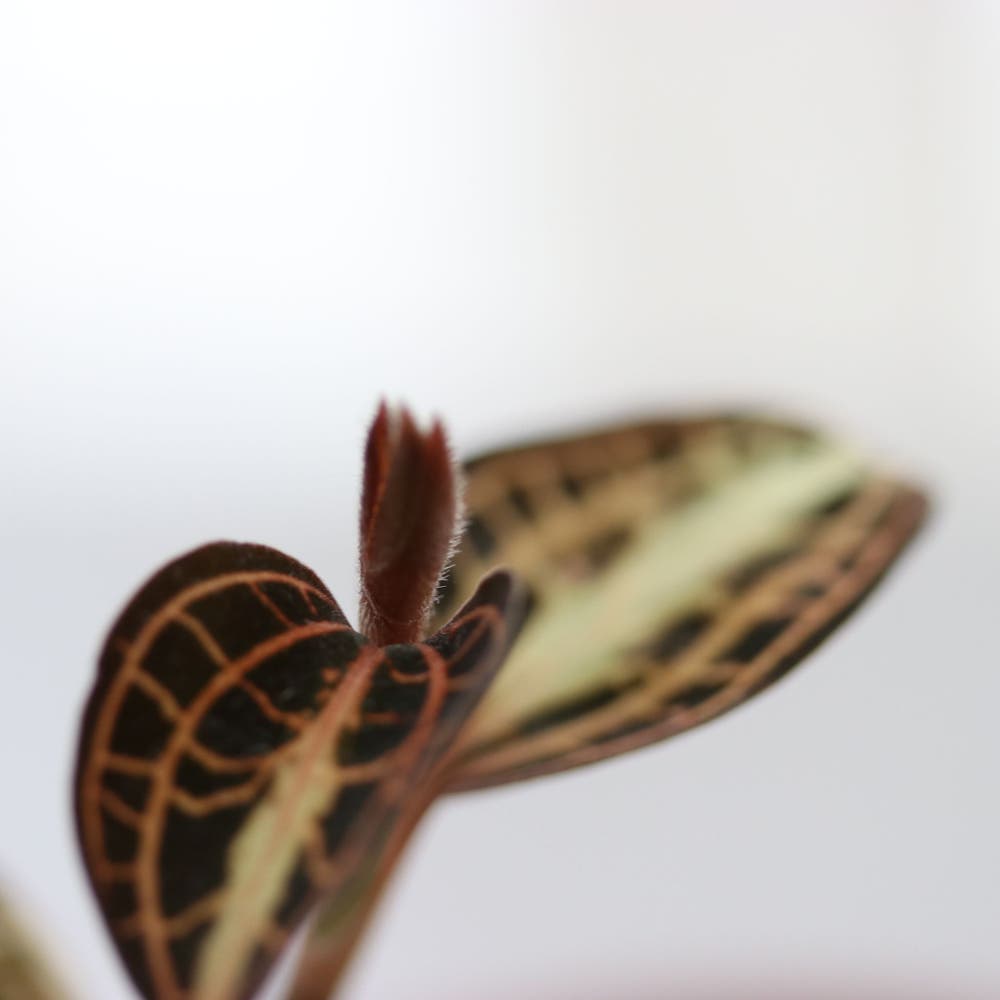
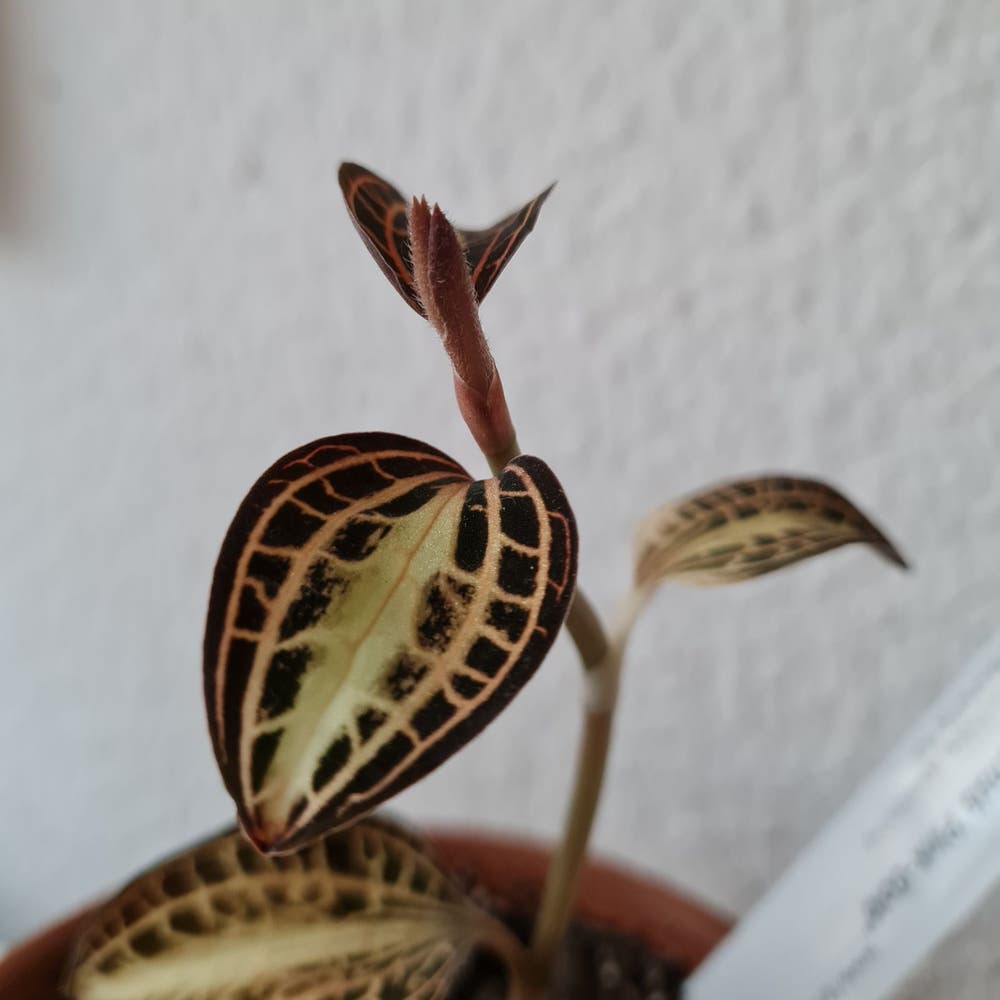
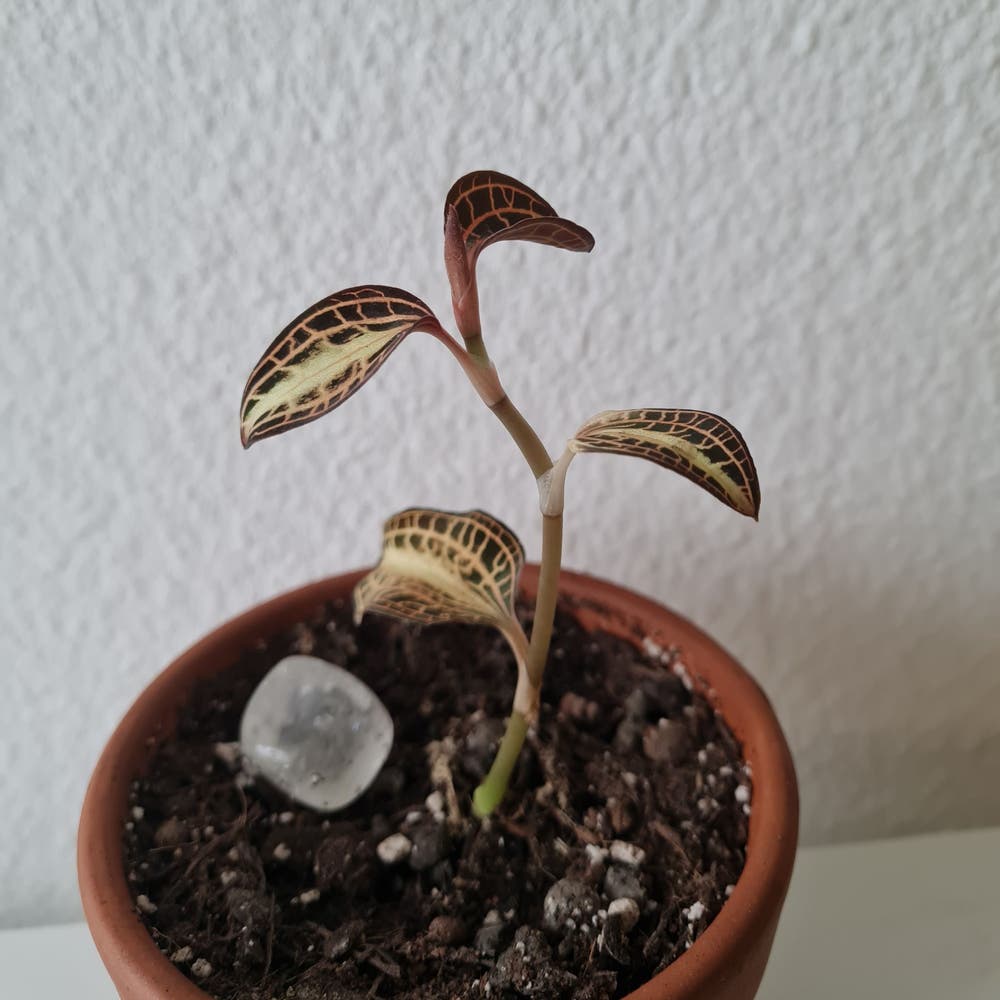
Curling leaves on your Golden Jewel Orchid are not a new fashion statement; they're a distress signal. Upward curls might mean too much light or heat, while downward spirals could suggest watering woes. Brown spots? They're not beauty marks—think fungal or pest issues. And if your orchid's leaves are more yellow than a rubber duck, you're probably overdoing the H2O.
🌱 Quick Checks for Immediate Relief
First things first: check the soil. If it's wetter than a rainforest, let it dry out. If it's drier than a comedian's wit, it's time for a drink. Next, give your orchid a once-over for uninvited guests. Mealybugs and spider mites are about as welcome as ants at a picnic. If you spot any, show them the door with a gentle insecticidal soap. And remember, your plant's thirst isn't quenched by just any water—tap water's chemicals can cause those leaves to curl like they're dodging bullets. Consider switching to distilled or rainwater for a happier, straighter plant.
Nailing the Environment: Keeping Leaves Happy
💡 Light and Temperature: The Balancing Act
Golden Jewel Orchids are not fans of the spotlight. They prefer the understudy role, thriving in bright, indirect light. Too much sun, and their leaves throw a fit, curling up in protest. Keep them out of direct rays to avoid a crispy leaf debacle.
Temperature-wise, these orchids are about as fond of change as a cat is of water. Consistency is the name of the game. Aim for a steady 65°F to 80°F (18°C to 27°C) to keep those leaves flat and fabulous.
🏝️ Humidity: Creating a Tropical Haven
Imagine the orchid's natural habitat—a humid, misty jungle. Your home is, well, not that. But you can still create a tropical haven. Humidity levels should be around 40-70%, just enough to make the air feel like a soft morning dew.
Don't just spray water and call it a day. Use a humidifier or place the plant on a tray with pebbles and water to up the moisture game. Remember, good air flow is crucial; stagnant air is a breeding ground for sadness and fungal parties. Keep it breezy, keep it fresh.
Battling the Bugs: When Pests Attack
🐛 Common Culprits: Identifying Pests
Golden Jewel Orchids are not just eye candy for us; they're a feast for pests. Aphids, spider mites, and scale insects are the usual suspects when it comes to leaf curling. These tiny vampires suck the life out of leaves, leaving them dehydrated and curled. To catch these critters, turn detective and inspect under leaves and along stems. Spotting them early is your best shot at keeping your orchid's leaves flat and fabulous.
💪 Winning the War: Effective Pest Control Strategies
Once you've identified the invaders, it's time to fight back. Start with a blast from your hose; a good shower dislodges the freeloaders. If they're clinging on like a bad habit, bring out the insecticidal soap or neem oil. Apply with the precision of a sniper to avoid harming your plant. For a more natural approach, recruit some ladybugs or lacewings; they're like the mercenaries of the garden world. And remember, consistency is key—regular treatments prevent pests from staging a comeback. Keep your orchid's environment clean and well-ventilated to avoid future invasions.
Water Wisdom: Quenching Thirst Without Drowning
🌊 The Perils of Over and Underwatering
Golden Jewel Orchids are sensitive souls when it comes to their hydration needs. Overwatering can lead to root rot, with leaves curling as a cry for help. Conversely, underwatering leaves them looking like a raisin in the sun, with leaves curling inwards in a desperate attempt to conserve moisture. The soil should feel like a wrung-out sponge—moist, but far from soggy.
Perfecting Your Watering Technique
To avoid the dreaded curl, check the top inch of the potting mix; if it's dry, it's time to water. If it's damp, hold off on the H2O. When you do water, think of it as a refreshing shower for the roots, not a flood. Allow the water to drain freely—orchids enjoy a drink, but they don't like wet feet. Stick to tepid water to avoid shocking their delicate system, and consider bottom watering to encourage the roots to seek out moisture. Remember, it's about finding that Goldilocks zone—just right.
⚠️ Safety First
This content is for general information and may contain errors, omissions, or outdated details. It is not medical, veterinary advice, or an endorsement of therapeutic claims.
Always consult a qualified healthcare professional before using any plant as food, medicine, or supplement.
Never eat any plant (or feed one to pets) without confirming its identity with at least two trusted sources.
If you suspect poisoning, call Poison Control (800) 222-1222, the Pet Poison Helpline (800) 213-6680, or your local emergency service immediately.
Spotted an error? Please report it here.
Prevent your Golden Jewel Orchid's leaves from curling by letting Greg remind you 📅 when to check for pests, water correctly, and adjust the environment, ensuring your orchid's perfect health.