Eulophia zeyheriana Explained: Key Information 🌸
Eulophia zeyheriana
By the Greg Editorial Team
Feb 27, 2025•11 min read
This article was created with the help of AI so we can cover more plants for you. May contain errors. See one? Report it here.
Elevate your garden's beauty effortlessly with Eulophia zeyheriana—simple care for stunning blooms! 🌸🌱
- 🌞🌿 Eulophia zeyheriana thrives in full sun to partial shade with moderate humidity.
- 💧 Keep soil moist but avoid overwatering to prevent root rot and promote growth.
- 🌼 Regular deadheading and trimming encourage blooms and maintain plant health.
How to Grow
Choosing a Location 🌞
Eulophia zeyheriana thrives in a variety of light conditions, from full sun to partial shade. Aim for temperatures between 15°C to 25°C (59°F to 77°F) and maintain moderate humidity for optimal growth.
Soil Preparation 🌱
For the best results, use well-draining soil rich in organic matter. The ideal soil pH ranges from slightly acidic to neutral (pH 6.0 to 7.0), and proper drainage is crucial to prevent root rot.
Planting Techniques 🌿
When planting, ensure tubers are placed 2-3 inches deep in the soil. Space them 12-18 inches apart to allow for healthy growth and airflow.
Watering Requirements 💧
Regular watering is essential to keep the soil consistently moist without becoming soggy. Water at the base of the plant to avoid wetting the foliage, which can lead to fungal issues.
Fertilizing Schedule 🍽️
Use a balanced, slow-release fertilizer to nourish your Eulophia zeyheriana. Fertilize every 4-6 weeks during the growing season to support robust growth.
Pruning and Ongoing Care ✂️
To encourage new blooms, remove spent flowers through deadheading. Additionally, trim any yellowing leaves to promote healthy growth and maintain the plant's appearance.
With these guidelines, your Eulophia zeyheriana will flourish, bringing beauty and vibrancy to your garden. Next, let’s explore how to propagate this stunning plant effectively.
Propagation
Methods of Propagation 🌱
Eulophia zeyheriana can be propagated through two primary methods: seed propagation and division. Each method has its own unique benefits and timing.
Step-by-Step Instructions for Each Method 📝
Seed Propagation:
- Start by collecting seeds from mature flowers.
- Sow the seeds in a well-draining mix and keep them moist and warm until germination, which typically takes 2-4 weeks.
Division:
- In early spring, carefully dig up the tubers.
- Separate the tubers, ensuring that each piece has roots and shoots for successful replanting.
Timing and Conditions for Successful Propagation ⏰
The best time for sowing seeds is early spring, when conditions are optimal for growth. For division, aim to perform this when the plant is dormant, allowing for minimal stress on the plant.
This propagation knowledge sets the stage for nurturing healthy Eulophia zeyheriana plants. Next, let’s explore how to manage their size effectively.
Size
Mature Height and Spread 🌱
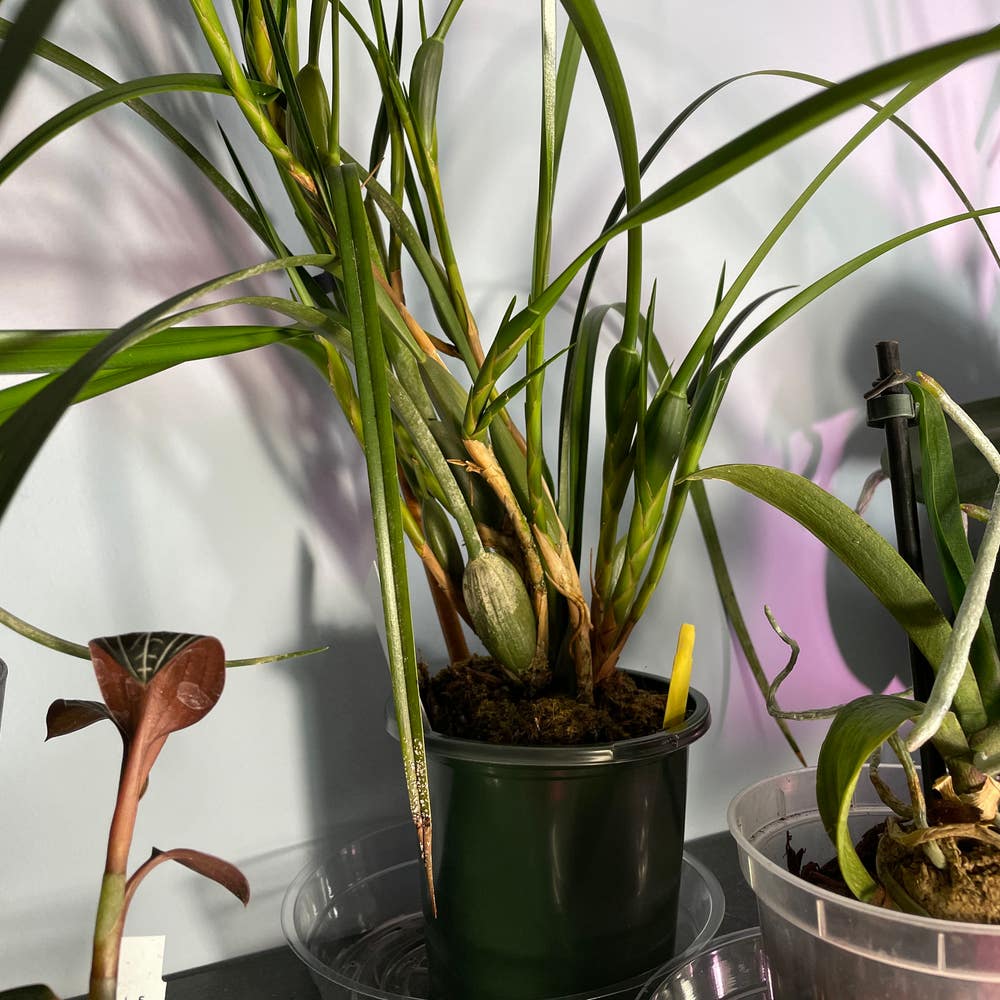
Eulophia zeyheriana typically reaches a mature height of 30-60 cm (12-24 inches) and spreads about 30-45 cm (12-18 inches). This compact size makes it an excellent choice for various garden settings, from borders to containers.
Growth Rate and Factors Affecting Size 📈
The growth rate of Eulophia zeyheriana is moderate, which means it won’t take over your garden overnight. Factors such as light, water, and soil conditions play a crucial role in determining how large and lush your plants will grow.
Size Variability 🌍
Keep in mind that size can vary based on environmental factors. Changes in sunlight exposure, watering frequency, and soil quality can all influence the overall dimensions of your plants.
Understanding these aspects of size will help you plan your garden layout effectively. With the right care, Eulophia zeyheriana can thrive and add beauty to your outdoor space.
Next, let’s explore the fascinating world of Eulophia zeyheriana's roots and their characteristics.
Roots
Characteristics of the Root System 🌱
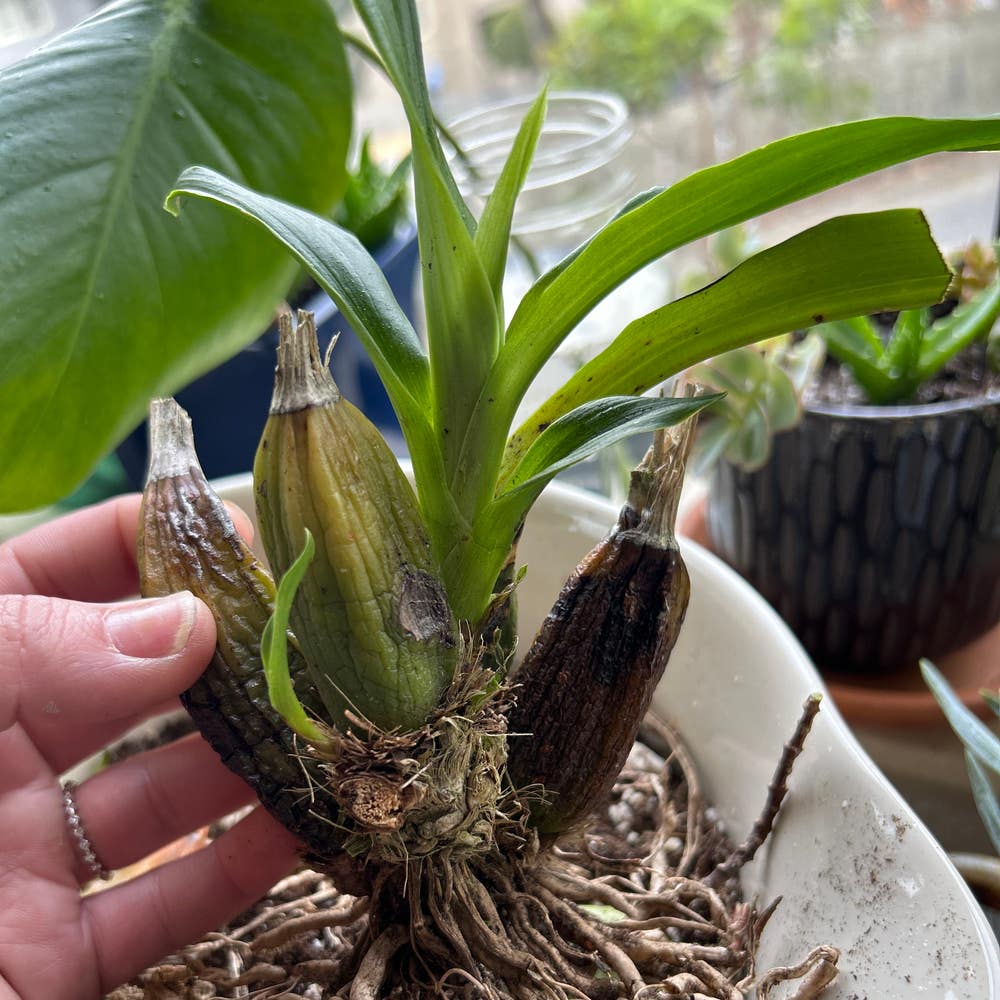
Eulophia zeyheriana features a tuberous root system that effectively stores nutrients and water. These roots can extend 6-12 inches deep and spread laterally up to 12 inches, providing a solid foundation for the plant.
Common Root-Related Issues ⚠️
One of the most common problems is root rot, which occurs due to overwatering. Symptoms include mushy roots that can lead to plant decline if not addressed promptly.
Another issue is being rootbound, which happens when tubers outgrow their container. This can stunt growth and affect overall plant health.
Visual Cues for Healthy vs. Unhealthy Roots 👀
Healthy roots are firm, white, and plump, indicating a thriving plant. In contrast, unhealthy roots appear dark, mushy, or shriveled, signaling potential problems that need attention.
Tips for Managing Root Problems 🛠️
To recognize rootbound plants, look for roots growing out of drainage holes. If you notice this, repotting in a larger container with fresh soil is essential to give your plant room to grow.
By keeping an eye on root health, you can ensure your Eulophia zeyheriana thrives and continues to beautify your garden. Next, let’s explore the benefits this stunning plant brings to your landscape.
Benefits
Attractive Flowering Spikes 🌸
Eulophia zeyheriana boasts stunning flowering spikes that can elevate the visual appeal of any garden. Their vibrant blooms create a striking focal point, drawing the eye and enhancing overall aesthetics.
Drought-Tolerant 💧
This plant is a champion of drought tolerance, making it an excellent choice for water-wise gardening. Once established, it requires less frequent watering, saving you time and resources.
Supports Local Biodiversity 🐝
By attracting pollinators like bees and butterflies, Eulophia zeyheriana plays a vital role in supporting local biodiversity. Its presence in your garden can help create a thriving ecosystem.
Unique Foliage 🍃
The unique foliage of Eulophia zeyheriana adds texture and interest to garden designs. Its leaves can complement other plants, creating a lush, layered look.
Cultural Significance 🌍
In southern African traditions, Eulophia zeyheriana holds cultural significance, often used in local practices. This connection to heritage adds depth to its presence in your garden, making it more than just a pretty plant.
These benefits make Eulophia zeyheriana a fantastic addition to any garden, combining beauty, practicality, and cultural richness. As you consider your planting options, think about how this remarkable plant can enhance your outdoor space.
Next, let's explore the concept of companion planting and how it can further enrich your gardening experience.
Companion Plants
🌱 Understanding Companion Planting
Companion planting is the practice of growing different plants together for mutual benefits. This technique can lead to improved pest management, enhanced growth, and greater garden diversity.
🌼 Compatible Companion Plants
When considering companion plants for Eulophia zeyheriana, several options stand out:
- Marigolds: Known for their pest-repellent properties, they help keep harmful insects at bay.
- Ferns: These plants share similar care needs, making them ideal companions.
- Other Orchids: They not only provide aesthetic appeal but also thrive in similar habitats.
🚫 Plants to Avoid
While some plants thrive alongside Eulophia zeyheriana, it's best to avoid heavy feeders. These plants can compete for nutrients, potentially stunting the growth of your orchids.
By selecting the right companions, you can create a thriving garden ecosystem that benefits all plants involved. This thoughtful approach enhances not just the health of Eulophia zeyheriana but also the overall beauty and resilience of your garden.
Toxicity to Humans
🛡️ Safety of Eulophia zeyheriana for Humans
Eulophia zeyheriana is not listed as toxic by major poison control centers, making it a safe choice for gardens and homes. You can handle and even consume it in small amounts without worry.
However, it's always wise to exercise caution with any plant. If you experience unusual symptoms after contact, seek medical advice to ensure your safety.
Toxicity to Dogs
Safety of Eulophia zeyheriana for Dogs 🐶
Eulophia zeyheriana is not listed as toxic to dogs by major pet poison control centers. This means it’s generally safe for your furry friends to be around, presenting minimal risk.
However, it’s always wise to monitor your pets around any plants. If you notice unusual symptoms after they’ve been in contact with the plant, consult a veterinarian for peace of mind.
General Considerations 🧐
While Eulophia zeyheriana poses no significant threat, it's essential to maintain a watchful eye. Dogs are naturally curious and may nibble on plants, so ensuring their safety is key.
In summary, this orchid is a great addition to your garden without worrying about your dog's health. Just keep an eye out for any odd behavior, and you’ll both enjoy the beauty of this unique plant!
Transition to Next Section 🚀
With the safety of dogs covered, let’s explore how Eulophia zeyheriana fares with our feline friends.
Toxicity to Cats
Safety of Eulophia zeyheriana for Cats 🐱
Eulophia zeyheriana is not listed as toxic to cats by major pet poison control centers. This means it’s generally safe to have around your feline friends with minimal risk.
While the plant poses no significant threat, it's always wise to monitor your pets around any greenery. If you notice any unusual symptoms after they’ve interacted with the plant, consult a veterinarian for peace of mind.
General Considerations 🧐
Even though Eulophia zeyheriana is considered safe, every cat is unique. Some may have sensitivities or allergies to certain plants, so keeping an eye on their behavior is essential.
In summary, you can enjoy the beauty of Eulophia zeyheriana in your home or garden without worrying too much about your cats. Just stay observant, and you’ll create a safe and vibrant environment for both your plants and pets.
Transition to Next Section 🐶
Now that we've covered the safety of Eulophia zeyheriana for cats, let’s explore its potential toxicity to dogs.
Problems
🌱 Common Problems Faced When Growing
Growing Eulophia zeyheriana can be rewarding, but it comes with its share of challenges. Understanding these common problems will help you keep your plants thriving.
💧 Incorrect Watering
Watering is crucial for plant health. Overwatering often leads to yellowing leaves, while underwatering results in wilting.
☀️ Incorrect Light Conditions
Light plays a significant role in growth. Too much sun can cause leaf scorch, while insufficient light may result in leggy growth.
🌡️ Incorrect Temperature
Temperature extremes can stunt growth. Eulophia zeyheriana thrives in moderate conditions, so keep an eye on the thermometer.
🦠 Diseases
Fungal diseases can be a real headache. Watch out for issues like powdery mildew, rust, and black rot, which can compromise your plant's health.
📉 Growth Problems
Insufficient light or nutrients can lead to growth problems. If your plant isn't growing or appears to be leaning, it may need a boost in care.
By being aware of these potential issues, you can take proactive steps to ensure your Eulophia zeyheriana flourishes. Next, let’s explore the pests that might disrupt your gardening efforts.
Bugs
🐛 Potential Pest Issues
Eulophia zeyheriana is generally known for its moderate pest resistance, but that doesn’t mean it’s entirely immune. Certain pests can still pose a threat, so it's essential to keep an eye out for them.
👀 Common Pests to Watch For
Spider Mites: These tiny pests leave fine webbing on the plant and cause stippled leaves. If you notice these signs, act quickly to prevent a larger infestation.
Scale Insects: Look for sticky residue on leaves, which can indicate scale presence. Yellowing leaves often accompany these pests, signaling that your plant needs attention.
Mealybugs: Identified by their cotton-like masses on stems and leaves, mealybugs can sap the plant's vitality. Regular checks can help catch these pests early.
🛠️ Management Strategies
To keep your Eulophia zeyheriana thriving, consider implementing integrated pest management strategies. Regular inspections and maintaining plant health can significantly reduce pest issues.
💭 Final Thoughts
While Eulophia zeyheriana can face pest challenges, being proactive can help you enjoy a vibrant and healthy plant. Stay vigilant, and you'll be rewarded with its stunning blooms and unique foliage.
Next, let’s explore what animals might be interested in munching on your Eulophia zeyheriana.
What Eats Eulophia zeyheriana
🦌 Common Animals That May Damage the Plant
Eulophia zeyheriana can attract a few hungry visitors.
- Deer are notorious for munching on the foliage, leaving behind chewed leaves and broken stems.
- Rabbits may also take a liking to the lower leaves, nibbling them down to stubs.
- Squirrels can cause trouble too, often digging around the base of the plant, which disrupts the roots.
🕵️♂️ Signs of Animal Presence and Types of Damage
Identifying animal damage is crucial for maintaining your plant's health.
Look for:
- Chewed foliage that indicates a recent snack.
- Broken stems that suggest larger animals like deer have been feasting.
- Disturbed soil around the base, a telltale sign of squirrel activity.
🚫 Methods for Deterring or Managing Animal Interactions
Keeping these critters at bay can be a challenge, but there are effective strategies.
- Chemical deterrents: Consider using commercial repellents designed to keep animals away.
- Organic methods: Planting strong-smelling herbs can naturally deter these pests.
By employing these methods, you can protect your Eulophia zeyheriana and enjoy its beauty without unwanted visitors.
⚠️ Safety First
This content is for general information and may contain errors, omissions, or outdated details. It is not medical, veterinary advice, or an endorsement of therapeutic claims.
Always consult a qualified healthcare professional before using any plant as food, medicine, or supplement.
Never eat any plant (or feed one to pets) without confirming its identity with at least two trusted sources.
If you suspect poisoning, call Poison Control (800) 222-1222, the Pet Poison Helpline (800) 213-6680, or your local emergency service immediately.
Spotted an error? Please report it here.
Grow your Eulophia zeyheriana into a blooming beauty 🌸 with Greg's tailored watering alerts and pest management tips to keep your garden thriving!