🌸 Ultimate Guide to Eulophia x burundiensis
Eulophia x burundiensis
By the Greg Editorial Team
Feb 27, 2025•12 min read
This article was created with the help of AI so we can cover more plants for you. May contain errors. See one? Report it here.
Elevate your garden's beauty effortlessly with Eulophia x burundiensis—simple care for stunning blooms! 🌼
- 🌞 Eulophia x burundiensis thrives in warm climates with full sun to partial shade.
- 🌱 Use well-draining soil with a pH of 6.0-7.0 for optimal growth.
- 💧 Water when top inch is dry to prevent root rot and promote health.
How to Grow
🌞 Choosing a Location
Eulophia x burundiensis thrives in full sun to partial shade, making it versatile for various garden settings. Ideally, it prefers warm climates, with temperatures above 20°C (68°F) for optimal growth.
🌱 Soil Preparation
For the best results, use well-draining, fertile soil enriched with organic matter. Aim for a pH level between 6.0 and 7.0, which is slightly acidic to neutral.
🌿 Planting Techniques
When planting, dig a hole that is 2-3 inches deep to accommodate the roots. Space each plant 12-18 inches apart to ensure they have room to grow without competing for resources.
💧 Watering Requirements
Water your Eulophia x burundiensis when the top inch of soil feels dry to the touch. Be cautious to avoid waterlogging; proper drainage is essential for healthy roots.
🌼 Fertilizing Schedule
Use a balanced NPK fertilizer to nourish your plants. Apply it every 4-6 weeks during the growing season to promote robust growth and flowering.
✂️ Pruning Methods
Prune your plants after flowering to encourage new growth. Focus on removing any dead or damaged leaves to keep your plant healthy and vibrant.
🌿 Ongoing Care
If you’re growing Eulophia x burundiensis in containers, ensure that pots have adequate drainage holes. For outdoor plants, consider mulching to retain moisture and suppress weeds, creating a healthier environment for growth.
With these care tips, your Eulophia x burundiensis will flourish beautifully, setting the stage for a vibrant garden display. Next, let’s explore how to propagate this stunning plant effectively.
Propagation
🌱 Seed Propagation
Collecting seeds from Eulophia x burundiensis is best done when the seed pods turn brown and dry. Gently harvest the seeds and store them in a cool, dry place until you're ready to plant.
For germination, provide a warm and humid environment. This helps mimic the natural conditions that encourage seed sprouting, leading to successful growth.
✂️ Division of Rhizomes
Dividing rhizomes is essential for maintaining healthy plants. Aim to do this every 2-3 years to promote vigorous growth and prevent overcrowding.
When dividing, use a sharp, sterile knife to carefully separate the rhizomes. This technique minimizes damage and ensures that each section has enough roots to thrive.
🌿 Cuttings Method
For propagation through cuttings, select healthy, mature stems. This ensures that the new plants will have a strong start.
Use a well-draining rooting medium, such as soil or perlite, to encourage root development. This method can be a rewarding way to expand your collection of Eulophia x burundiensis.
With these propagation techniques, you can easily multiply your plants and enjoy their beauty in various locations. Next, let’s explore the lifecycle of this fascinating species.
Lifecycle
Lifecycle Stages 🌱
Eulophia x burundiensis goes through several distinct stages during its lifecycle. It starts from seeds or cuttings, progressing through germination, seedling development, vegetative growth, flowering, and finally, seed production.
Each stage is crucial for the plant's overall health and longevity. With proper care, Eulophia x burundiensis can thrive for 5 to 10 years, offering beauty and resilience throughout its lifecycle.
Understanding Each Stage 📚
Seed/Cutting: This is where it all begins. Seeds can be collected and sown, or cuttings can be taken from healthy plants.
Germination: Seeds require warmth and humidity to sprout. This stage is vital for establishing a strong foundation.
Seedling: Once germinated, the plant enters the seedling stage, where it develops its first true leaves. This is a delicate phase that requires careful attention.
Vegetative Growth: During this stage, the plant focuses on growing leaves and roots. It’s essential to provide adequate light and nutrients to support this growth.
Flowering: Eulophia x burundiensis produces stunning flowers, attracting pollinators. This is often the most celebrated stage for gardeners.
Seed Production: After flowering, the plant produces seeds, completing its lifecycle. These seeds can be harvested to propagate new plants.
Understanding these stages helps you provide the right care at each point, ensuring a healthy and vibrant plant. As we move forward, let’s explore how to effectively propagate Eulophia x burundiensis to expand your collection.
Size
Mature Height and Spread 🌱
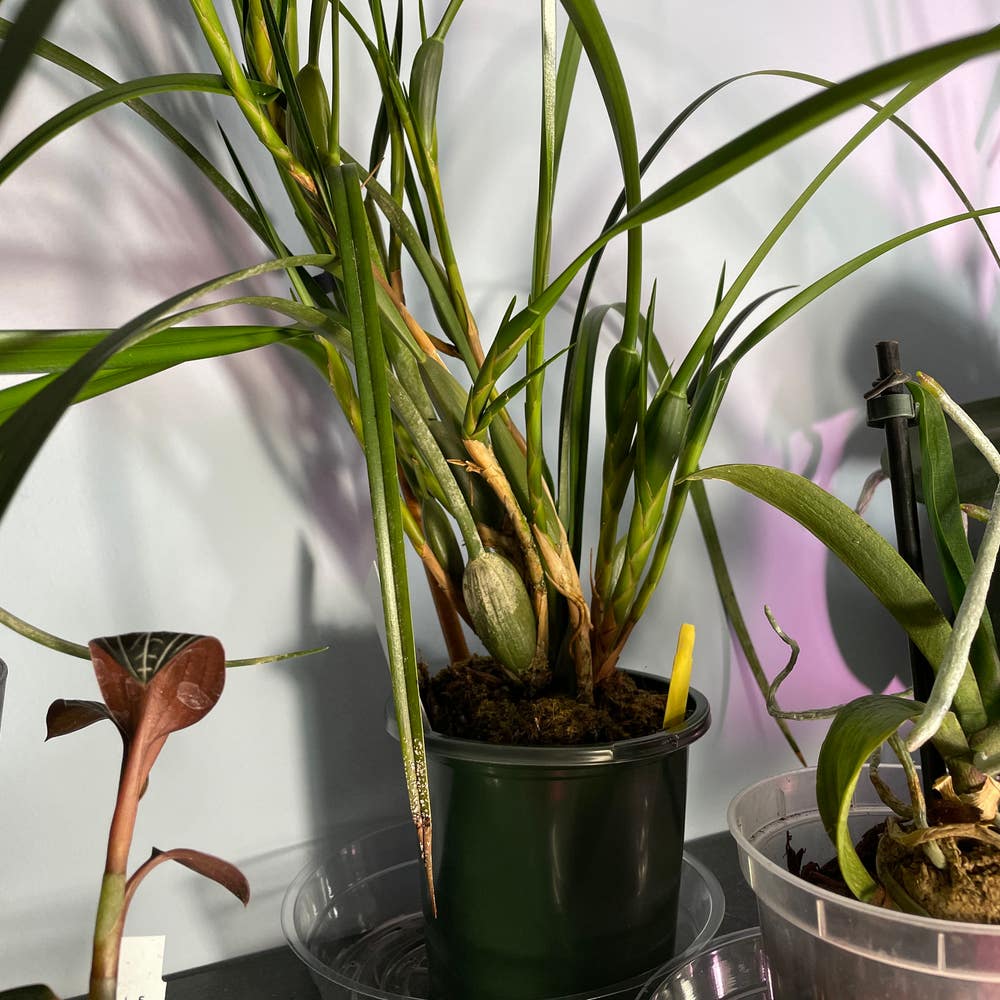
Eulophia x burundiensis typically reaches an average height of 30-60 cm (12-24 inches). Its spread ranges from 30-45 cm (12-18 inches), making it a compact yet striking addition to any garden.
Growth Rate and Size Variability 📈
Several factors influence the growth rate of this plant, including soil quality, light exposure, and water availability. As a result, the size of Eulophia x burundiensis can vary significantly based on its growing conditions, so keep an eye on these elements to achieve optimal growth.
Understanding these aspects will help you create the perfect environment for your Eulophia x burundiensis, ensuring it thrives beautifully in your garden. Next, let’s explore the fascinating lifecycle of this remarkable plant.
Roots
Root System Characteristics 🌱
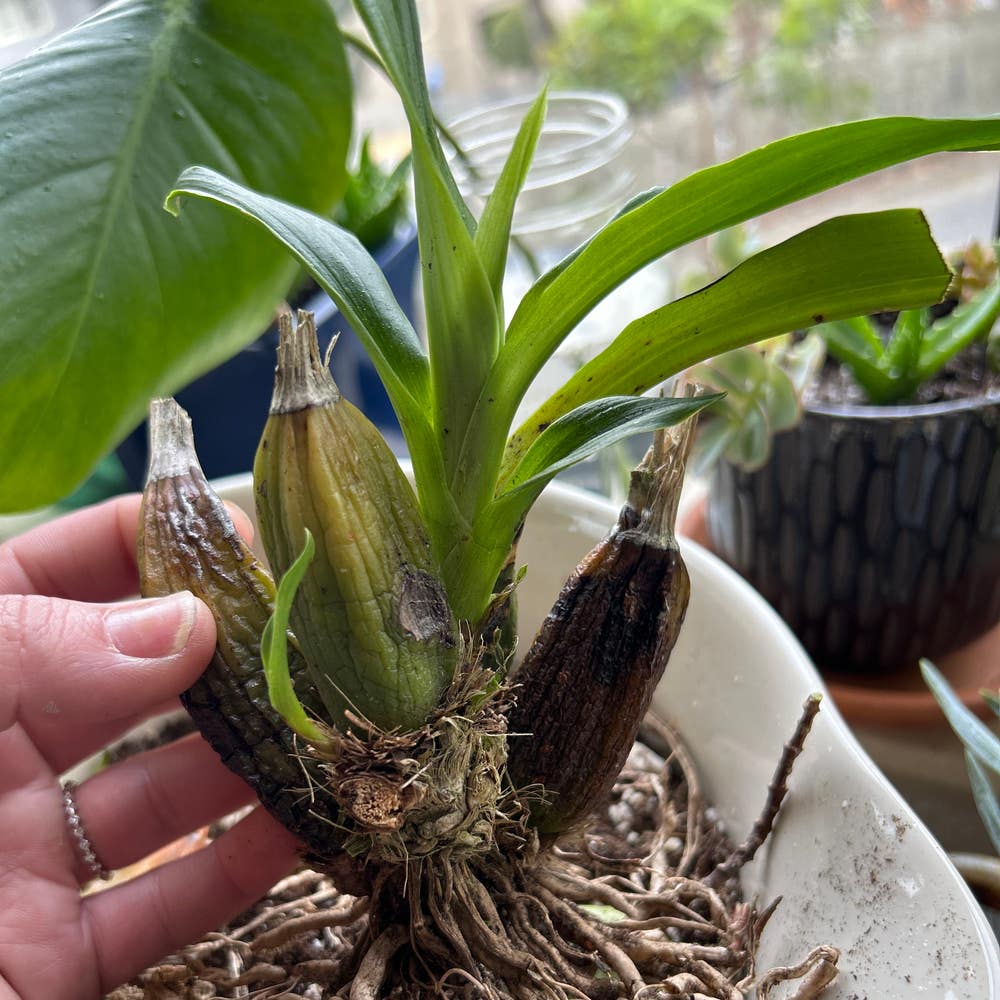
Eulophia x burundiensis features a unique root system composed of fleshy, water-storing roots. These roots are typically shallow but spread wide, allowing the plant to efficiently absorb moisture and nutrients.
Common Root-Related Issues ⚠️
One of the most common problems you might encounter is root rot. Signs of this issue include wilting leaves and mushy roots, which indicate that the plant is sitting in waterlogged soil.
To combat root rot, focus on improving drainage and adjusting your watering habits. Ensuring that the soil dries out between watering sessions can help maintain healthy roots.
Identifying Healthy vs. Unhealthy Roots 🔍
Healthy roots are firm and exhibit a white or light tan color. In contrast, unhealthy roots will appear dark, mushy, or even emit a foul smell, signaling that immediate action is needed.
Regularly checking the root system can prevent larger issues down the line. By understanding these characteristics, you can ensure your Eulophia x burundiensis thrives in your garden.
With a solid grasp of root care, you can now explore the benefits this remarkable plant offers.
Benefits
Top 5 Benefits 🌟
Eulophia x burundiensis offers a range of benefits that make it a fantastic addition to any garden. Here are the top five reasons to consider this stunning plant.
Aesthetic Appeal
The striking flowers of Eulophia x burundiensis can elevate the beauty of your garden. Their vibrant colors and unique shapes create a visual feast that attracts the eye.
Drought Resistance
Thanks to its water-storing roots, this plant can thrive in dry conditions. This drought resistance makes it an excellent choice for gardeners looking to conserve water.
Pollinator Attraction
The flowers of Eulophia x burundiensis are a magnet for beneficial insects. By planting this species, you can help support local pollinator populations, which are crucial for a healthy ecosystem.
Cultural Significance
In some cultures, Eulophia x burundiensis is valued for its beauty and symbolism. Incorporating this plant into your garden can add a layer of cultural richness and significance.
Versatility
This plant is suitable for both garden beds and container planting. Whether you have a sprawling garden or a small balcony, Eulophia x burundiensis can fit seamlessly into your space.
With these benefits in mind, it's clear that Eulophia x burundiensis is more than just a pretty flower. Its resilience and ecological contributions make it a worthy addition to any garden. Next, let’s explore the best companion plants that can thrive alongside this beauty.
Companion Plants
Best Companion Plants 🌱
When selecting companion plants for Eulophia x burundiensis, consider other orchids and tropical plants that share similar care needs. These companions thrive in similar light and water conditions, creating a harmonious garden environment.
- Orchids: They not only complement the aesthetic appeal but also enjoy similar humidity levels.
- Tropical Plants: Varieties like bromeliads or ferns can enhance the visual interest while thriving alongside your Eulophia.
Plants to Avoid 🚫
It's crucial to steer clear of plants that compete for nutrients or attract pests.
- Heavy Feeders: Plants like tomatoes or corn can deplete the soil of essential nutrients needed by Eulophia.
- Pest Magnets: Avoid planting near species that attract aphids or spider mites, as they can spread to your orchids.
By choosing the right companions and avoiding problematic plants, you can create a thriving ecosystem that supports the growth of Eulophia x burundiensis. This thoughtful approach not only enhances your garden's beauty but also promotes a healthier plant environment.
Next, let’s explore the potential toxicity of Eulophia x burundiensis to humans and pets, ensuring you have all the necessary information for safe gardening.
Toxicity to Humans
Safety Overview 🌿
Eulophia x burundiensis is generally considered safe, as it is not listed as toxic by major poison control centers. However, like many plants, it can cause minor issues such as mild skin irritation or digestive discomfort if consumed in large quantities.
Recommendations ⚠️
It's always wise to exercise caution with any plant. If you experience unusual symptoms after contact or consumption, seek medical advice promptly to ensure your safety.
Toxicity to Dogs
Safety Overview 🐶
Eulophia x burundiensis is not considered toxic by major pet poison control centers. This means your furry friends can roam around it without the constant worry of severe poisoning.
Potential Minor Issues ⚠️
While it's generally safe, consuming large quantities of the plant may lead to mild gastrointestinal upset in dogs. It's always wise to keep an eye on your pet's behavior around any plant.
Recommendations 🏡
To ensure safety, place the plant in areas that are less accessible to your dog. Monitoring their interactions with the plant can help prevent any unwanted nibbling.
With these precautions, you can enjoy the beauty of Eulophia x burundiensis while keeping your canine companions safe.
Toxicity to Cats
Safety Overview 🐱
Eulophia x burundiensis is not listed as toxic by major pet poison control centers. This means that your feline friends can safely coexist with this beautiful plant.
Potential Minor Issues 🚨
However, if a cat consumes large quantities, it may experience mild gastrointestinal upset. It's always wise to monitor your pets around any plants, just to be safe.
Recommendations 🏡
To ensure a harmonious environment, place the plant in areas that are less accessible to your cats. Regularly observing their behavior around the plant can help you catch any unusual interactions early on.
With a little care, you can enjoy the beauty of Eulophia x burundiensis while keeping your furry companions safe and sound.
Problems
Common Problems 🌱
Growing Eulophia x burundiensis can be rewarding, but it's essential to be aware of potential issues that may arise. Let's dive into some common problems and how to tackle them effectively.
Incorrect Watering 🚰
Watering is crucial for your plant's health. Signs of overwatering include yellowing leaves and wilting, while underwatering may cause the leaves to become crispy and dry.
Incorrect Light Conditions 💡
Light plays a significant role in growth. If your plant is getting too little light, it may become leggy and weak; conversely, too much direct sunlight can scorch the leaves.
Diseases 🦠
Fungal diseases can be a concern, especially in humid conditions. Look for signs like discolored spots on leaves or a powdery residue, and manage these issues by improving air circulation and using appropriate fungicides.
Root Problems 🌿
Root health is vital for overall plant vigor. Recognizing root rot is key; if you notice mushy roots or a foul smell, it's time to act. Improving drainage and adjusting your watering habits can help prevent these issues.
By staying vigilant and addressing these common problems promptly, you can ensure your Eulophia x burundiensis thrives. Next, let’s explore the fascinating world of pests that might challenge your plant care journey.
Bugs
🐜 Potential Pest Issues
When it comes to growing Eulophia x burundiensis, being aware of potential pest issues is crucial. While this plant is relatively resilient, it can still attract a few unwelcome guests.
🐞 Common Pests
Spider Mites: These tiny pests thrive in dry conditions and can cause significant damage by sucking the sap from leaves. Look for fine webbing and stippled leaves as signs of their presence.
Mealybugs: Recognizable by their cotton-like appearance, mealybugs can cluster on stems and leaves. They weaken the plant by feeding on its juices, leading to yellowing leaves.
Aphids: These small, soft-bodied insects can be green, black, or brown. They reproduce quickly and can cause curling leaves and stunted growth.
🛠️ Damage and Treatment Options
Identifying pest damage early can save your Eulophia x burundiensis from serious harm. Here are some effective treatment options:
Insecticidal Soap: A gentle yet effective solution for soft-bodied pests like aphids and mealybugs. Spray directly on the affected areas.
Neem Oil: This natural pesticide disrupts the life cycle of pests and can deter future infestations. Apply it every few weeks during the growing season.
Regular Inspection: Keep an eye on your plants. Early detection of pests can make all the difference in managing infestations.
By staying vigilant and employing these strategies, you can protect your Eulophia x burundiensis from pests and ensure it thrives in your garden. Next, let’s explore what animals might be interested in snacking on your beautiful plant.
What Eats
🦌 Common Animals
Eulophia x burundiensis can attract a variety of hungry critters. Common visitors include deer, rabbits, and squirrels, all of which may find the plant's foliage and flowers quite appealing.
To identify if these animals are munching on your plants, look for telltale signs. You might notice chewed leaves, missing flowers, or even tracks around the base of the plant.
🚫 Deterrent Methods for Protecting the Plant
Protecting your Eulophia x burundiensis from these foragers can be straightforward. Here are some effective deterrent methods:
- Fencing: Installing a fence can keep larger animals like deer at bay.
- Repellents: Use commercial animal repellents or homemade solutions like garlic spray to deter rabbits and squirrels.
- Companion Planting: Surrounding your orchids with plants that animals dislike can help shield them.
By implementing these strategies, you can enjoy the beauty of your Eulophia x burundiensis without the worry of it becoming a snack for local wildlife.
⚠️ Safety First
This content is for general information and may contain errors, omissions, or outdated details. It is not medical, veterinary advice, or an endorsement of therapeutic claims.
Always consult a qualified healthcare professional before using any plant as food, medicine, or supplement.
Never eat any plant (or feed one to pets) without confirming its identity with at least two trusted sources.
If you suspect poisoning, call Poison Control (800) 222-1222, the Pet Poison Helpline (800) 213-6680, or your local emergency service immediately.
Spotted an error? Please report it here.
Unlock the secrets to thriving Eulophia x burundiensis 🌼 with Greg's tailored care reminders and expert tips, ensuring your garden flourishes beautifully!